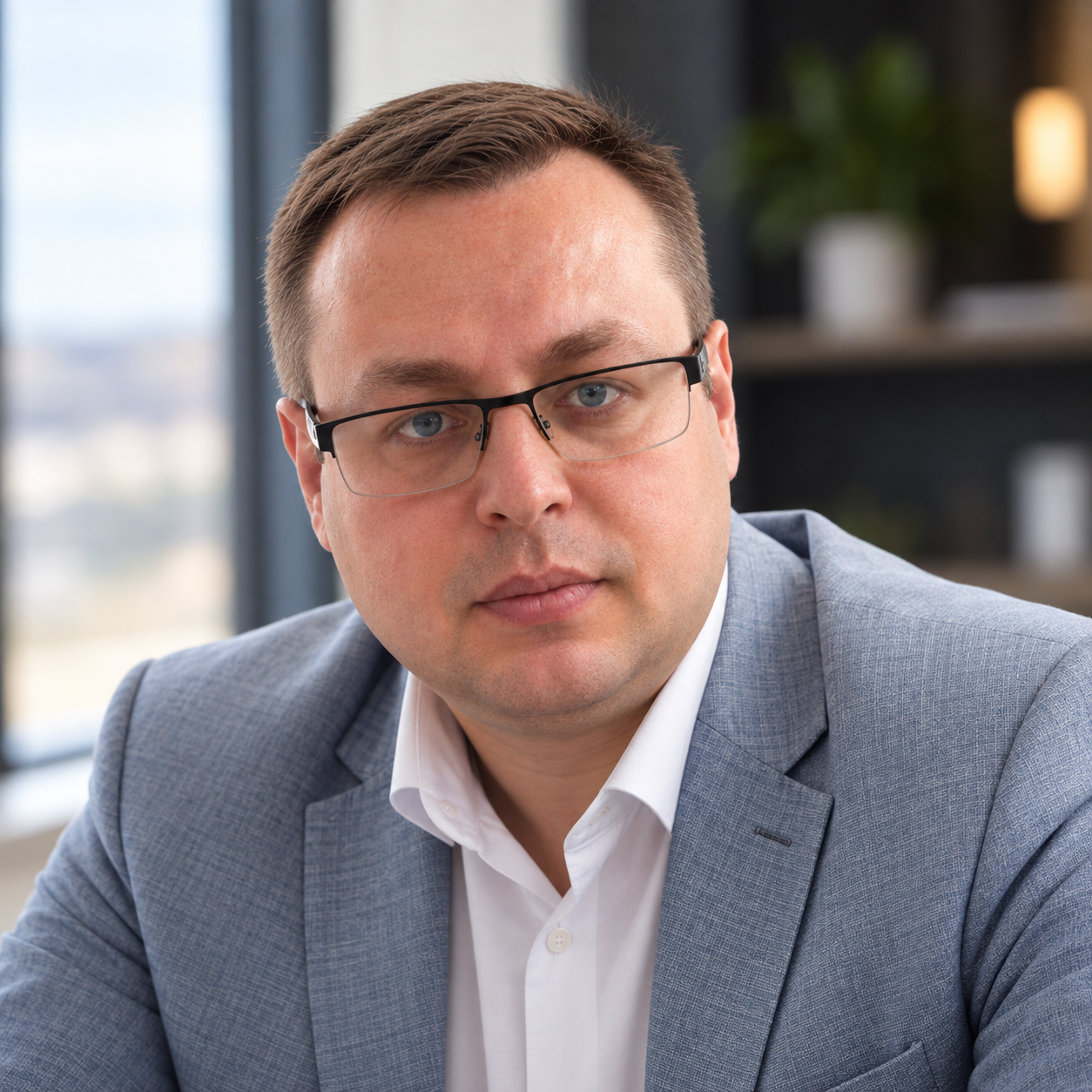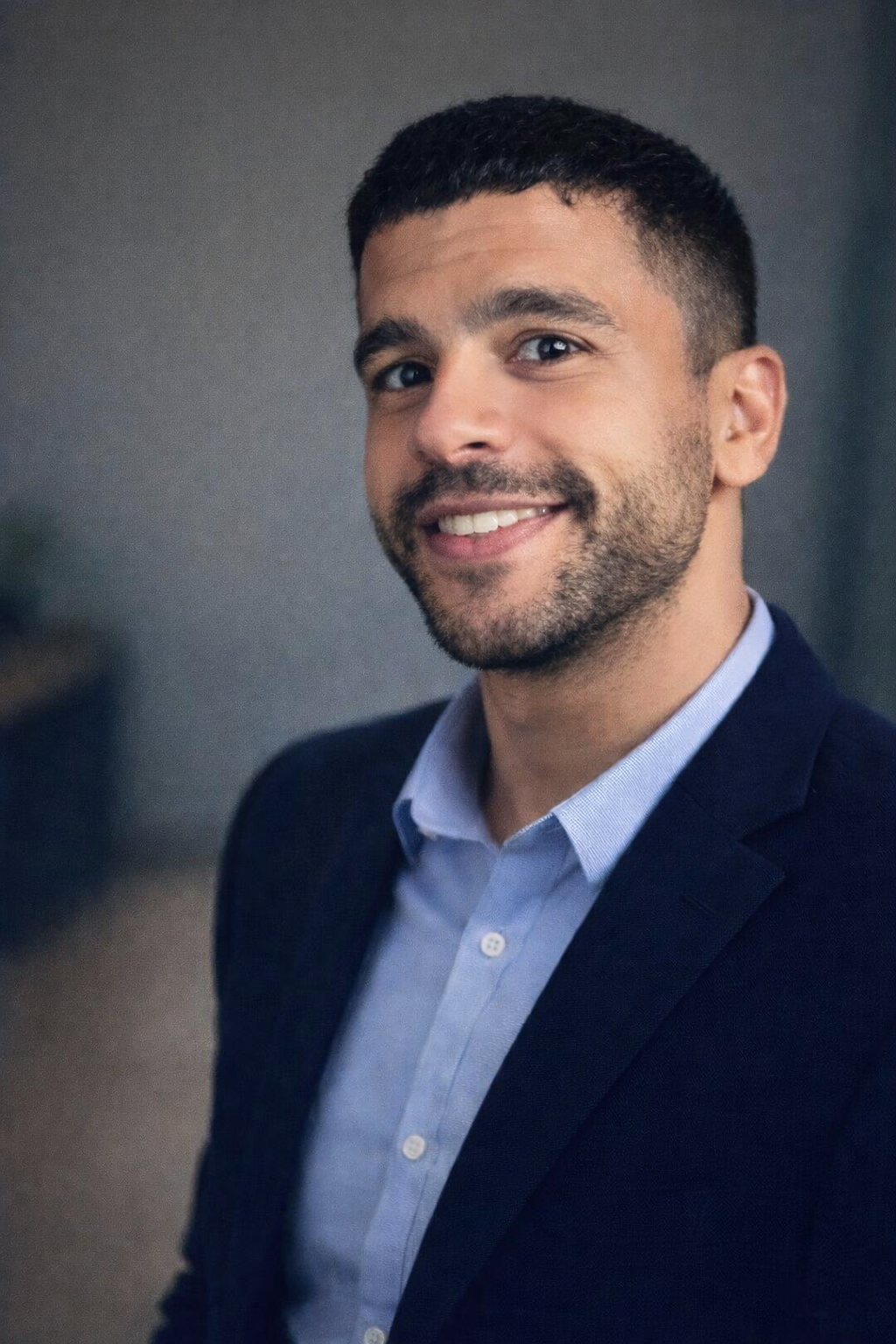
Meet Dr. Merghani
Dr. Merghani Ibrahim Abdella Adam is a veterinarian and poultry industry leader based in Abu Dhabi, United Arab Emirates. With more than eighteen years of experience across hatcheries, feed mills, broiler farms, and layer operations, he currently serves as Farm Manager at IFFCO Group through Emirates National Poultry Farms. His work focuses on poultry health, nutrition, operational performance, and sustainable food production systems.
The Quiet Responsibility Behind Food Production
Long before poultry production became a profession, it represented something more personal to Dr. Merghani Adam. It was about responsibility. The responsibility of caring for animal health, supporting communities through stable food systems, and applying science in ways that could improve everyday life.
His career has unfolded in spaces most people rarely think about. Hatcheries before sunrise. Feed mills operating under strict precision. Farm teams monitoring flock health day after day. Yet behind these operational realities sits a deeper purpose that has guided his work for nearly two decades.
In an industry often measured by numbers alone, Dr. Merghani approaches leadership with a broader perspective. Productivity matters, but so do ethics, sustainability, teamwork, and long term resilience. Throughout his career, he has remained committed to understanding how veterinary science, nutrition, and operational management can work together to create healthier systems.
That mindset continues to shape the way he leads today in one of the region’s major poultry operations. Quietly and consistently, he has built a career centered not on visibility, but on meaningful contribution.
A Curiosity That Began With Veterinary Science
Growing up, Dr. Merghani was drawn toward science and its practical role in improving lives. Veterinary medicine offered a path where knowledge could directly support both animal welfare and society. During his academic years at the University of Khartoum, that interest evolved into a deeper fascination with poultry production and nutrition.
What stood out to him was the direct relationship between animal health and food security. Poultry production was not simply about farming. It was connected to nutrition, public health, agricultural sustainability, and economic stability. The more he studied, the clearer his direction became.
He pursued a Doctor of Veterinary Medicine degree, followed by a master’s degree in Animal Nutritional Sciences specializing in poultry nutrition. Later, he expanded his academic foundation with an MBA in Project Management and eventually began pursuing a Doctor of Business Administration in Strategic Management. Each stage reflected his growing understanding that modern agriculture requires both technical expertise and strategic leadership.
Rather than limiting himself to one area of poultry production, he intentionally built experience across multiple parts of the value chain. He worked in hatcheries, feed mills, broiler farms, and layer operations throughout Sudan and later in the Gulf region. Those years became foundational, teaching him how interconnected every part of the production system truly is.
The technical knowledge mattered, but so did the human side of the work. Managing teams, responding to operational pressures, and maintaining consistency under difficult conditions became equally important lessons.
Over time, these experiences shaped a leadership style rooted in patience, discipline, and continuous improvement.
Learning to Lead Through Complexity
The poultry industry is rarely predictable. Disease outbreaks, rising feed costs, environmental pressures, and supply chain disruptions can quickly shift operational stability. For Dr. Merghani, some of the most defining moments of his career came not during periods of success, but during periods of uncertainty.
Managing flock health during operational pressure required more than technical expertise. It demanded calm decision making and the ability to lead teams through difficult situations without losing focus. Rather than reacting emotionally, he leaned into data driven analysis and structured problem solving.
By carefully monitoring mortality rates, feed conversion ratios, flock health indicators, and production performance, he and his teams were able to identify underlying issues and implement corrective strategies before challenges escalated further.
These experiences reinforced the importance of preparation and adaptability. They also deepened his belief that strong systems are built through consistency rather than quick fixes.
Another challenge came through leadership itself. Poultry operations depend heavily on teamwork, often involving multidisciplinary staff from different professional and cultural backgrounds. Bringing those teams together around shared operational goals required communication, trust, and accountability.
Instead of leading through hierarchy alone, Dr. Merghani focused on building collaborative working environments where people understood both their responsibilities and the broader purpose behind the work.
“Success comes from combining knowledge, discipline, and practical experience, while always being open to innovation and improvement,”
That philosophy has shaped how he approaches both management and mentorship. For him, leadership is not only about achieving production targets. It is about developing people who can sustain those standards over time.
As the industry evolved, he also recognized the need to continuously expand his own perspective. Pursuing advanced business education and globally recognized certifications allowed him to bridge technical poultry management with operational strategy and organizational leadership.
This combination of scientific expertise and management discipline became increasingly valuable as he stepped into larger leadership roles.
Building Systems That Support Food Security
Today, as Farm Manager at Emirates National Poultry Farms under the IFFCO Group, Dr. Merghani oversees broiler production operations with a focus on flock health, nutrition programs, operational efficiency, and team performance.
The scale of the work is significant, but he remains grounded in the practical realities of day to day farm management. Every operational decision carries implications for animal welfare, food quality, sustainability, and overall productivity.
His approach relies heavily on measurable performance indicators and scientific management practices. Feeding strategies are continuously optimized. Biosecurity measures are strengthened. Production data is analyzed closely to improve efficiency while maintaining flock welfare standards.
Under his leadership, farms have achieved measurable improvements in operational performance and production outcomes. One particularly meaningful milestone came when the organization received international recognition through Aviagen’s Ross Broiler Executive Club for production performance.
For Dr. Merghani, however, recognition is never viewed as an individual accomplishment.
“It reflects the collective effort of the teams I have worked with and reinforces the importance of innovation, teamwork, and continuous improvement in modern poultry production,”
That emphasis on collective effort appears consistently throughout his story. Even after years of professional achievement, he speaks more about systems, collaboration, and long term impact than personal success.
His work ultimately contributes to a much larger challenge facing modern society: how to create sustainable and reliable food systems for growing populations.
Poultry production sits at the center of that conversation. Efficient operations, healthy flocks, and responsible management practices all influence food accessibility and quality for communities across the region.
For Dr. Merghani, this responsibility gives deeper meaning to the daily demands of the job. Behind every production target is a broader commitment to food security and agricultural sustainability.
The Balance Between Science and Humanity
One of the defining characteristics of Dr. Merghani’s career is his ability to balance technical precision with human centered leadership.
The poultry industry often operates under intense operational pressure. Efficiency matters. Timelines matter. Results matter. Yet sustainable systems cannot function without trust, communication, and people who feel invested in the work they do.
Over the years, he has worked to create environments where continuous learning and accountability exist together. He encourages professional development among team members while also maintaining high operational standards.
This balance mirrors his own professional journey. Even after nearly two decades in the field, he continues pursuing education and certifications not simply for credentials, but because he believes learning is essential to responsible leadership.
His qualifications now span veterinary medicine, poultry nutrition, business administration, project management, risk management, agile leadership, and Lean Six Sigma methodologies. Yet despite the breadth of his expertise, his perspective remains remarkably grounded.
He consistently returns to the same core values: integrity, teamwork, accountability, innovation, and continuous improvement.
These principles influence how he approaches decision making, operational planning, and long term strategy. More importantly, they shape the culture he hopes to build within the organizations and teams he leads.
Looking Toward the Future of Poultry Production
As agriculture continues to evolve, Dr. Merghani believes the future of poultry production will depend on the ability to integrate science, sustainability, and strategic leadership more effectively than ever before.
Technological advancement alone is not enough. The industry must also strengthen resilience, improve operational sustainability, and continue prioritizing animal health and food safety.
His own future goals reflect this broader vision. Alongside completing his DBA in Strategic Management, he hopes to contribute further to innovation within poultry production systems through improved nutrition programs, operational optimization, and research driven management practices.
Mentorship also remains important to him. Having spent years developing both technical and leadership expertise, he hopes to support future professionals entering the field.
He understands that agriculture needs leaders who are not only technically capable, but also adaptable, ethical, and committed to long term progress.
For younger professionals, his advice is rooted in the same values that shaped his own journey: stay curious, continue learning, and approach challenges as opportunities for growth.
The work itself may be demanding, but the impact extends far beyond individual careers. Food production affects entire communities, economies, and future generations.
A Career Built on Consistency Rather Than Visibility
There is a quiet steadiness to the way Dr. Merghani speaks about his work. He does not frame his career around personal ambition or recognition. Instead, he talks about systems, responsibility, resilience, and improvement.
Perhaps that reflects the nature of the industry itself. Poultry production is rarely glamorous. Much of the work happens behind the scenes, far removed from public attention. Yet it remains essential to everyday life.
For nearly eighteen years, Dr. Merghani Adam has worked within that reality, helping build stronger operations through science, leadership, and careful decision making. His journey reflects what sustainable leadership often looks like in practice: consistent effort, continuous learning, and a willingness to solve difficult problems with patience and integrity.
In many ways, his story is not only about poultry production. It is about the long term value of disciplined work carried out with purpose.
For More Features
Be Featured in The Real Edit!
Every story has the power to shape how we see innovation, leadership, and purpose. If you’re a founder, creator, executive, or changemaker with a journey worth telling , we’d be honored to help you share it.
To inquire about being featured:
Email us at: info@realedit.site
Follow The Real Edit