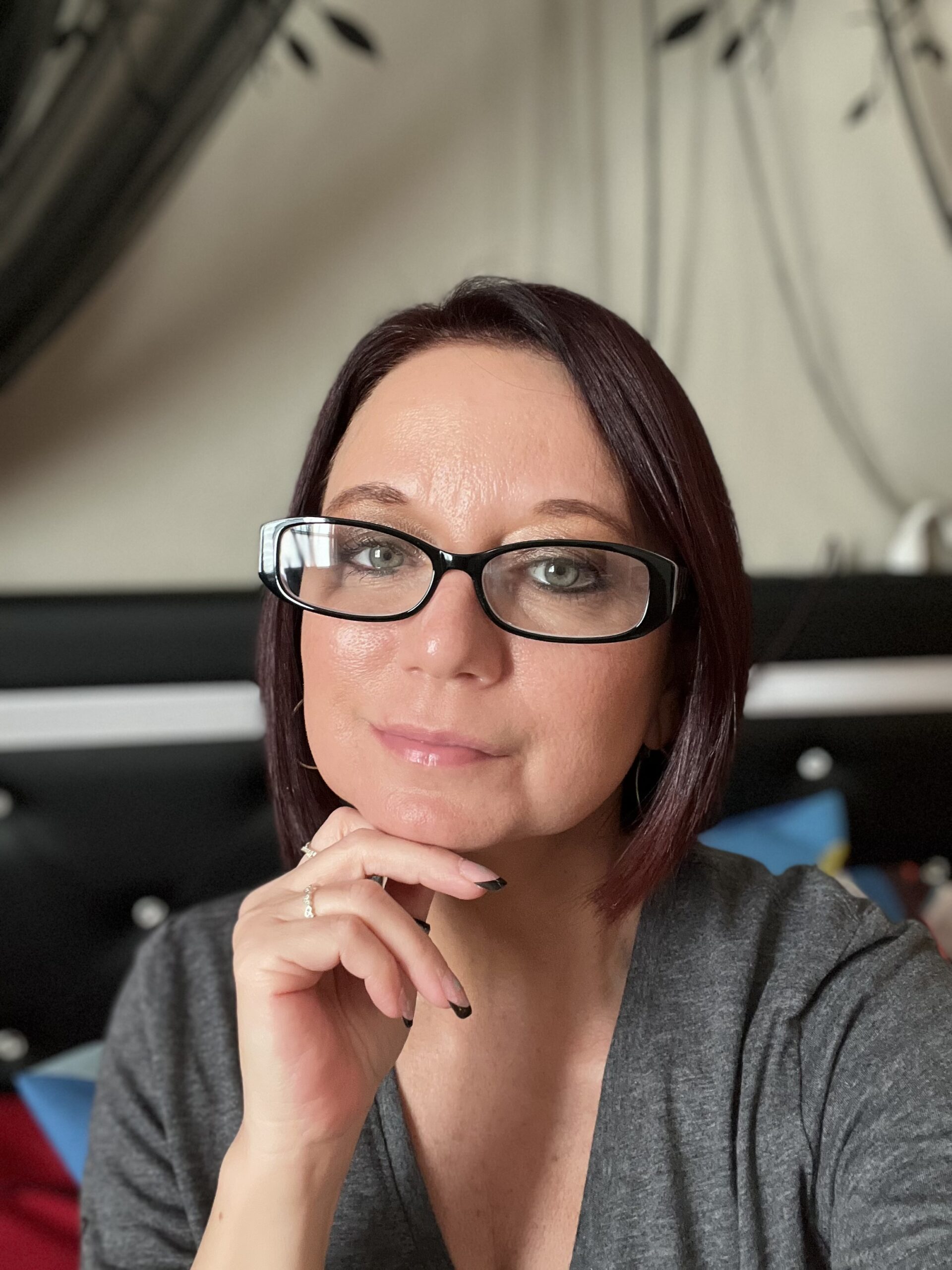
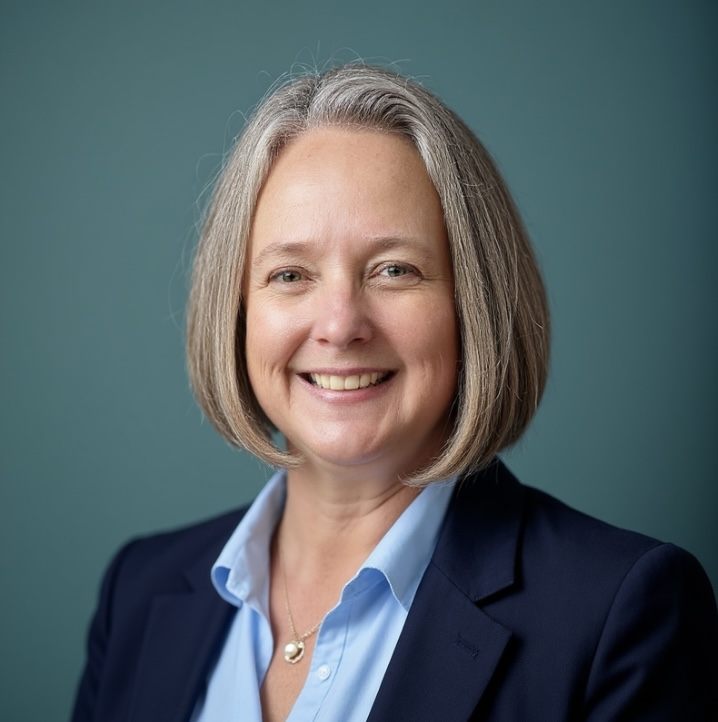
Meet Mary
Mary Byrnes is the Founder and Executive Director of Harrison’s Hope, a Canadian charity supporting individuals and families living with Fetal Alcohol Spectrum Disorder. Based in Stouffville, Ontario, she combines lived experience, advocacy, education, and community leadership to create more inclusive systems for people affected by FASD across Canada and beyond.
The Moment Everything Changed
There are moments in life that quietly divide everything into before and after. For Mary Byrnes, that moment arrived not through professional ambition or personal reinvention, but through motherhood.
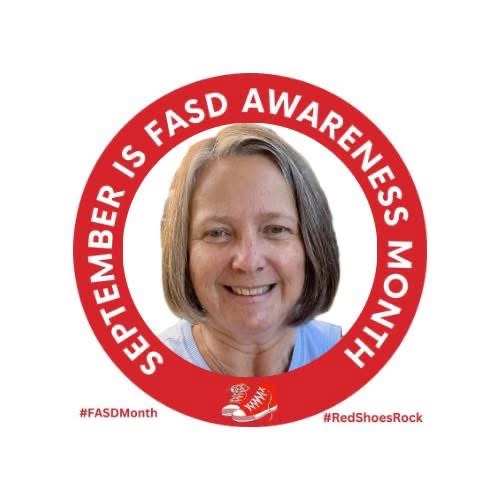
Her life had already followed many different paths. She had worked in education, childcare leadership, sales, and eventually corporate project management. She had spent years building skills, adapting to new industries, and proving to herself that growth often comes from stepping into unfamiliar territory. From Montessori education to global program management at Johnson & Johnson, every role added another layer to her understanding of people, communication, and leadership.
Yet none of those experiences prepared her for the emotional reality of raising a child whose struggles were repeatedly misunderstood.
When her adopted son Harrison finally received the correct diagnosis of Fetal Alcohol Spectrum Disorder at the age of ten, the foundation beneath Mary’s life shifted permanently. Suddenly, years of confusion, exhaustion, school challenges, emotional isolation, and unanswered questions began to make sense. The diagnosis did not erase the hardship, but it offered clarity. More importantly, it gave her direction.
She immersed herself in learning everything she could about FASD. The more she understood, the more she realized how many families were walking through similar experiences without support, recognition, or guidance. What began as a mother’s determination to help her son slowly became something larger. It became a calling rooted in advocacy, compassion, and systemic change.
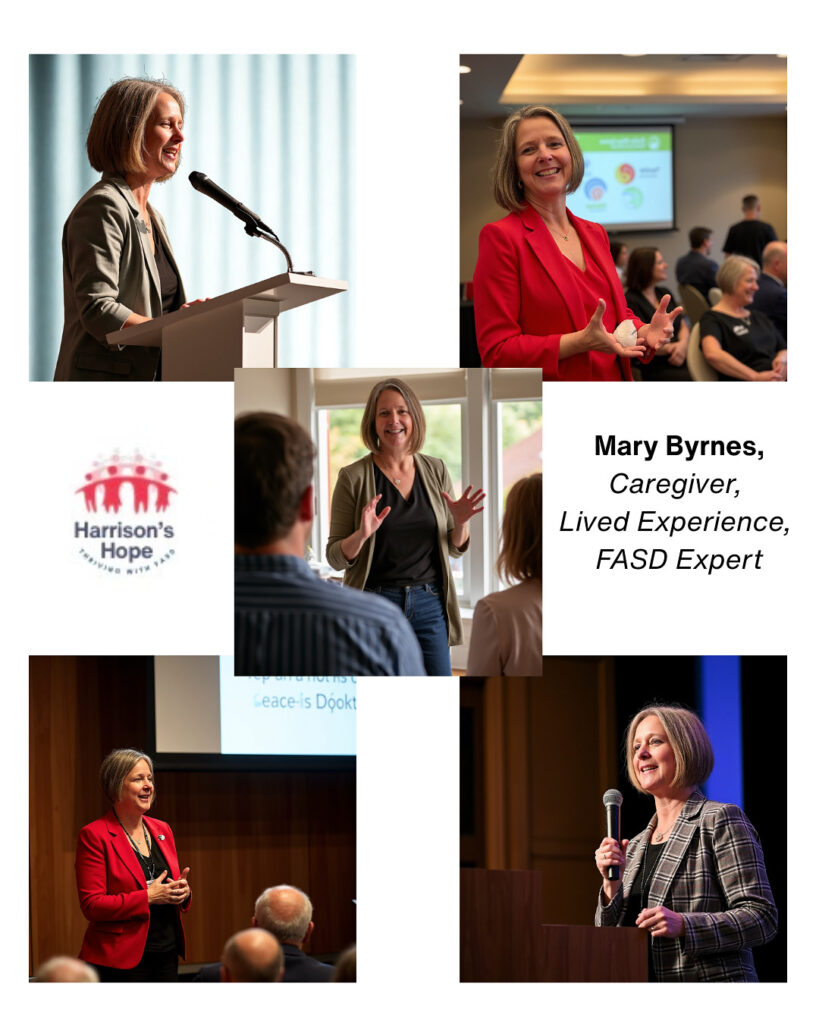
Today, Mary speaks openly about how that experience transformed her understanding of purpose. Her work is no longer separated from her life story. The two are inseparable.
As she says,
“Your voice matters more than you know and your greatest challenges can become your most powerful gifts.”
Learning to Adapt Before Learning to Lead
Long before Harrison’s diagnosis, Mary’s professional life had already been shaped by adaptability. She originally wanted to become a teacher because of her love for young children. After completing her degree at Western University and earning her Early Childhood Education diploma, she stepped into leadership roles within childcare and education environments, eventually becoming Principal of Queens Montessori School.
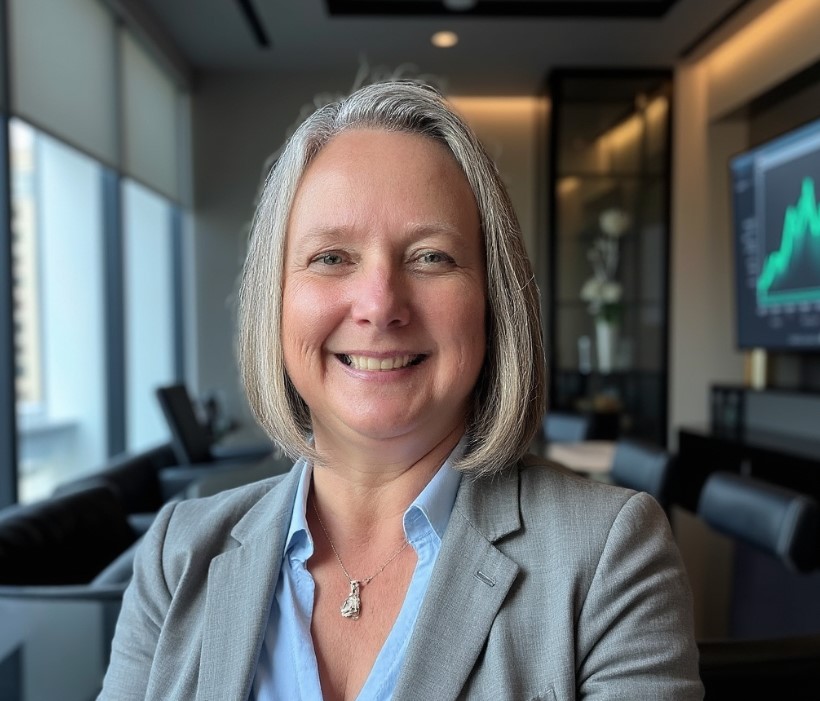
Her career evolved gradually rather than dramatically. Each role built upon the last. She moved from education into sales and later into consumer packaged goods and supply chain management. Over time, she developed expertise in communication, organizational leadership, and complex project coordination.
The corporate world challenged her in new ways. Working in global project management required late night meetings with manufacturing teams across multiple time zones. The role demanded precision, resilience, and constant availability. Professionally, she was thriving. Personally, however, the cost became harder to ignore.
Her son needed support during some of the most difficult years of his life, and Mary found herself caught between career expectations and family realities. Eventually, she made the difficult decision to step away from a role she deeply valued.
For many people, leaving behind a successful corporate position can feel like losing part of their identity. For Mary, it became the beginning of discovering who she truly was beyond achievement.
Motherhood changed the way she defined success. It taught her that leadership is not only measured through titles or income, but through presence, advocacy, and the willingness to stand beside someone when systems fail them.
That understanding would later become the foundation of Harrison’s Hope.
From Isolation to Advocacy
Families living with FASD often experience a unique kind of loneliness. Because the disability is invisible, the struggles are frequently misunderstood by schools, healthcare systems, workplaces, and even communities. Caregivers are often blamed rather than supported. Children are judged before they are understood.
Mary knows this reality intimately.
She speaks candidly about caregiver burnout and the emotional collapse that can happen when families are left to navigate impossible situations alone. Years of misdiagnoses, long waitlists, behavioural misunderstandings, and limited resources placed enormous strain on both her family and her own wellbeing.
Instead of allowing those experiences to harden her, they deepened her empathy.
Mary began recognizing that many families were carrying the same grief and exhaustion in silence. Parents were advocating tirelessly for their children while also managing stigma, judgment, and isolation. There were few spaces where families felt truly seen.
That realization became one of the emotional turning points in her life. She understood that information alone was not enough. Families needed community. They needed practical support. They needed dignity.
“Education is power but action with compassion is what changes lives,”
Out of that belief, Harrison’s Hope was born.
The organization was created not only as a service provider, but as a place of belonging for individuals and caregivers who had spent years feeling invisible. What began as one mother’s response to her son’s journey has grown into a deeply community driven charity supporting families across Canada and internationally.
The work is grounded in lived experience rather than distant theory. Mary believes strongly that individuals living with FASD and their caregivers deserve to help shape the systems intended to support them. She often describes lived experience as its own form of expertise, one that should never be overlooked in policy discussions, educational settings, or healthcare decisions.
That perspective has shaped the heart of Harrison’s Hope from the beginning.
Building Something Families Can Hold Onto
Today, Harrison’s Hope provides support across the lifespan for individuals living with FASD and the people who care for them. The organization offers workshops, support groups, coaching, advocacy services, training programs, public speaking engagements, and consulting for professionals and institutions seeking to better understand neurodiversity and disability inclusion.
The work extends far beyond awareness campaigns. It focuses on practical solutions that improve daily life.
Caregivers receive guidance navigating complex systems. Adults living with FASD are supported through employment and housing initiatives. Families are connected with peer communities that reduce isolation. Professionals receive training that helps them create more compassionate and informed environments.
Mary’s vision has always been rooted in dignity. She wants individuals living with FASD to be understood not through deficits alone, but through strengths, potential, and humanity.
Her advocacy emphasizes a strength based approach to neurodiversity. She speaks often about the perseverance, empathy, creativity, and determination many individuals with FASD possess when they are supported appropriately. Rather than forcing people to fit rigid systems, she believes communities must evolve to become more inclusive and responsive.
This work has also expanded into research collaborations, policy advocacy, and international speaking engagements. Mary has become a recognized voice in conversations surrounding FASD awareness and disability inclusion, but she remains deeply connected to the emotional reality that first inspired her work.
At its core, Harrison’s Hope is still about families trying to survive difficult days while holding onto hope for something better.
Mary often reflects on the significance of the organization’s name. Harrison believed his mother could bring hope to other families, and that belief became the foundation of everything she built.
Carrying Lived Experience Into the Future
Mary’s long term vision extends beyond immediate support services. She hopes to help create sustainable supported housing communities with embedded employment and community services for individuals living with FASD in Canada.
The goal is not simply to provide assistance, but to create environments where people can genuinely belong.
Her work is also tied closely to broader conversations around social justice, inclusion, accessibility, and truth and reconciliation. She understands that meaningful change requires both education and systemic reform. Awareness alone cannot transform lives unless institutions are willing to listen and adapt.
What makes Mary’s leadership distinctive is the way she balances urgency with compassion. She advocates fiercely while remaining deeply human in her approach. She speaks from experience rather than abstraction. Even as her work expands internationally, she continues to center the voices of caregivers and individuals living with FASD themselves.
There is also a quiet humility in the way she reflects on her journey. She often says she never imagined becoming the founder of a charity or speaking internationally about disability advocacy. The path unfolded gradually through necessity, heartbreak, learning, and persistence.
That humility makes her story resonate so deeply. It is not the story of someone chasing recognition. It is the story of someone responding to pain with purpose.
A Legacy Rooted in Hope
Mary Byrnes does not speak about advocacy as a profession separate from everyday life. For her, advocacy begins inside the ordinary moments of caregiving, listening, protecting, and refusing to give up on someone when the world misunderstands them.
Her journey has been shaped by exhaustion, resilience, love, and reinvention. It has required her to challenge institutions, rebuild her identity, and transform deeply personal hardship into collective support for others.
The legacy she hopes to leave is not measured in awards or titles. It lives in the families who no longer feel alone. It lives in caregivers who finally feel heard. It lives in the individuals with FASD who are given opportunities to thrive rather than simply survive.
Most of all, it lives in the belief that compassion combined with action can change the course of someone’s life.
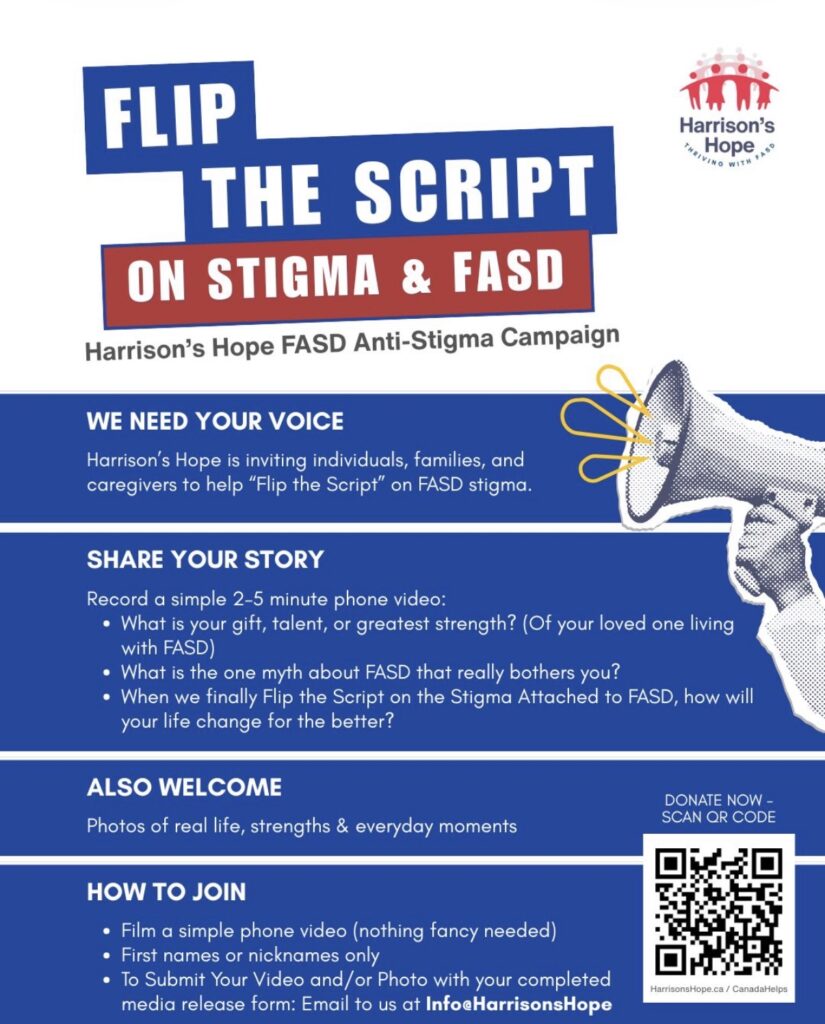
For Mary, that belief began with one child and grew into a movement built on hope.
For More Features
Be Featured in The Real Edit!
Every story has the power to shape how we see innovation, leadership, and purpose. If you’re a founder, creator, executive, or changemaker with a journey worth telling , we’d be honored to help you share it.
To inquire about being featured:
Email us at: info@realedit.site
Follow The Real Edit