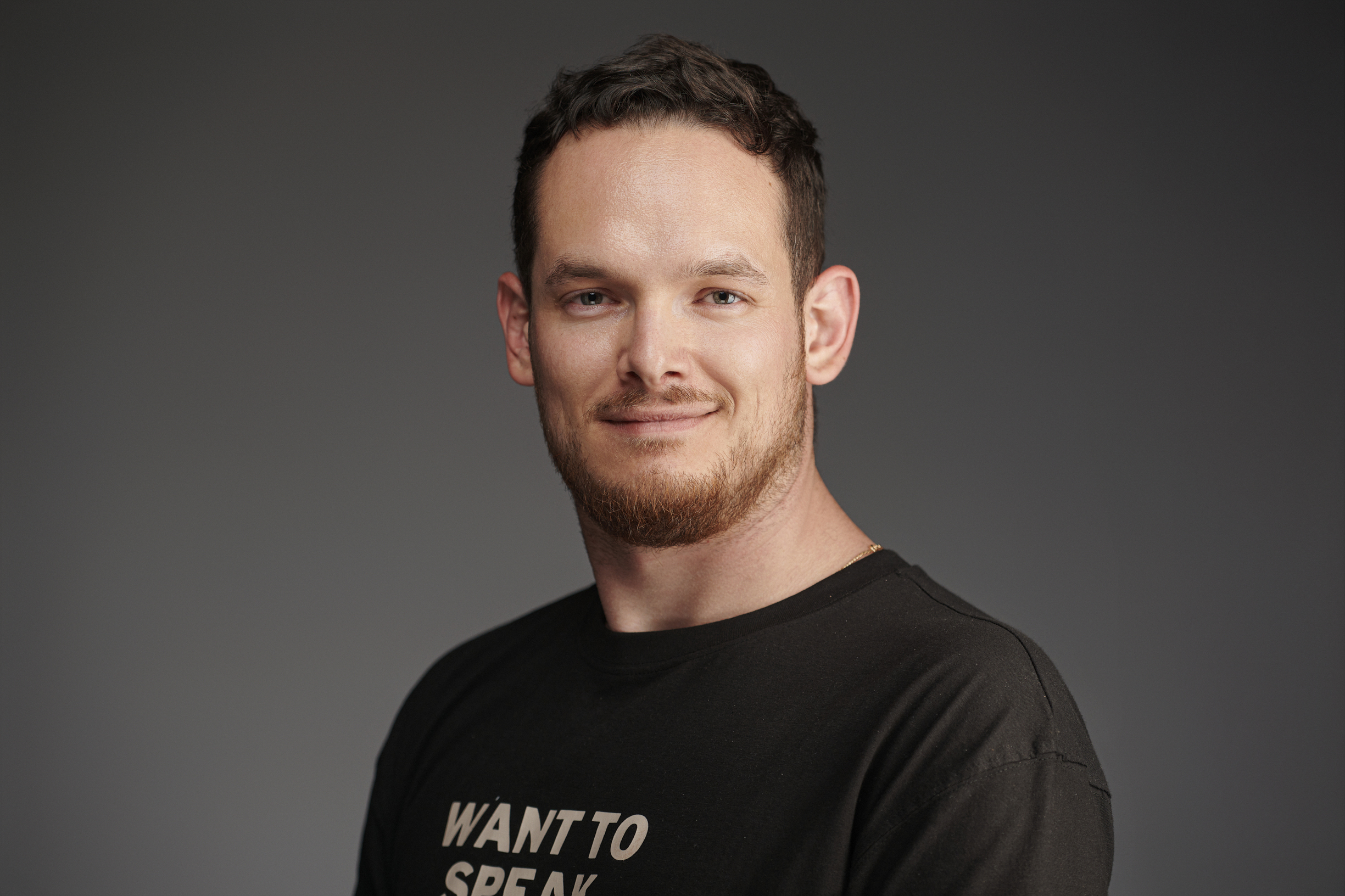
Meet Scott
Scott Asai is a soft skills expert, speaker, coach, and consultant whose work centers on helping leaders communicate with empathy, clarity, and emotional intelligence. Over the past two decades, he has worked with companies, managers, and executive teams to strengthen the human side of leadership while building a career rooted in faith, family, and service.
A Life Measured by Presence, Not Prestige
For Scott Asai, success has never been about titles, visibility, or financial milestones alone. The deeper measure of a meaningful life has always been simpler than that. It is about being present for the people he loves. It is about having enough freedom to sit with family at the dinner table, show up for important moments, and spend his time in ways that feel aligned with his values rather than dictated by a schedule he does not control.
That understanding did not arrive overnight. It was shaped slowly through years of work, uncertainty, reflection, and faith. Long before he stood on a TEDx stage speaking about the importance of soft skills in a technology driven world, Scott was simply someone searching for a different way to live and work.
In many ways, his story is not only about leadership or entrepreneurship. It is about learning how to remain human in environments that often reward productivity more than connection.
The Coach Who Changed the Direction of His Life
Scott’s journey into entrepreneurship began in 2007 after a personal experience that unexpectedly altered the direction of his career. During a previous corporate role, he hired a coach to help guide him professionally. What surprised him was not only the practical support coaching provided, but also the personal impact it had on his life.
The experience stayed with him long after the coaching relationship ended. It opened his eyes to the possibility that meaningful work could come from helping other people navigate growth, leadership, and uncertainty.
Instead of simply admiring the profession from a distance, Scott decided to step into it himself. He launched his own coaching business and began working in executive coaching and leadership development. At the time, he could not fully know how challenging or unpredictable the entrepreneurial path would become. He simply knew he wanted work that felt more connected to people and purpose.
What initially drew him toward entrepreneurship was not status or independence in the traditional sense. It was time.
“I shared earlier that I hired a coach which led me into coaching, but the ability to control how I spend my time is the biggest factor as an entrepreneur. Time is the most important currency and I love having the freedom and flexibility to spend it with family and close friends.”
That perspective would eventually become one of the defining principles of his life. While many professionals spend years chasing larger opportunities, Scott became increasingly focused on protecting the relationships and moments that mattered most to him.
His business grew steadily through coaching and leadership development work, but the path was never effortless. Like many entrepreneurs, he discovered that owning a business often requires far more emotional endurance than people expect.
There were seasons of uncertainty that tested both his patience and his confidence.
Learning to Stay Steady During Uncertain Seasons
Entrepreneurship is often romanticized as freedom without limitation, but Scott speaks about it with far more honesty and realism. Behind every speaking engagement, workshop, and client success story were quieter moments filled with financial uncertainty, slow periods, and difficult questions about whether to continue.
“No one ever tells you owning a business is harder than working corporate and earning a steady paycheck.”
That reality became especially visible during slower seasons when work felt unpredictable. For Scott, those periods were emotionally difficult not simply because of business pressure, but because entrepreneurship also carried responsibility toward his family.
Yet instead of responding with panic or bitterness, he learned to approach uncertainty differently. His faith became less of an abstract belief and more of a daily practice rooted in trust and surrender.
“The slow periods. They are never easy to deal with, but you learn to wait upon the Lord and control what you can control.”
There is a calm honesty in the way Scott talks about struggle. He does not present himself as someone who has mastered life perfectly or figured out every answer. Instead, he speaks openly about continuing to trust even when clarity is missing.
That trust became especially important during moments when he questioned whether he should continue the business at all. Like many entrepreneurs, there were times he considered walking away from everything he had built.
What kept him moving forward was not ambition alone. It was the recognition that his work gave him something deeply meaningful beyond income. It allowed him to remain closely involved in the lives of his wife and children while building a career centered around service and connection.
The Talk That Expanded His Mission
By 2018, Scott transitioned more intentionally into speaking and training work. His experiences in coaching had shown him how deeply communication, empathy, and emotional intelligence shaped workplace culture. Again and again, he noticed that leadership problems were often rooted in relational problems.
Managers struggled to communicate clearly. Employees felt unseen or undervalued. Teams lacked trust because people did not know how to connect with one another in healthy ways.
These patterns eventually led Scott toward a larger mission centered on soft skills.
In 2020, he delivered a TEDx Talk in Hawaii titled Saving Soft Skills From Extinction. The message resonated deeply because it addressed something many people had quietly sensed for years. As workplaces became increasingly driven by automation, digital systems, and efficiency, basic human interaction was beginning to erode.
Scott believed soft skills were not optional extras in professional life. They were essential parts of what makes people human.
“Soft skills are the ability to interact effectively with others. In the age of AI, soft skills are the differentiator from machines, robots and technology.”
The timing of the TEDx Talk proved significant. Soon after, the pandemic transformed workplaces around the world. Communication became more virtual, teams became more isolated, and many organizations struggled to maintain healthy workplace relationships through screens.
During that period, Scott began delivering virtual talks and workshops to technology companies and organizations seeking help navigating communication, leadership, and emotional intelligence in remote environments.
His work expanded, but his core message remained remarkably consistent. People do not leave companies because of logos or products. Often, they leave because of how they are treated by leaders.
Through training sessions, workshops, and coaching engagements, Scott helps managers understand that leadership is not about control. It is about stewardship.
Leadership as Service
At the center of Scott’s philosophy is a belief that leadership begins with service. Not performance. Not authority. Not image.
Service.
He believes leaders are responsible for creating environments where people feel supported, respected, and valued. In his view, leadership is not about asking others to do difficult things while remaining distant from the work yourself. It is about modeling integrity through action.
“That is what is at the heart of leadership for me. My job is to take care of the people under my care so they can do the same.”
This philosophy shapes the way Scott teaches communication, emotional intelligence, and workplace culture. His sessions are grounded in practical human realities rather than abstract business language. He focuses on empathy, listening, accountability, and trust because those are often the qualities employees remember long after a meeting or project ends.
His clients range from universities to corporate organizations, but the heart of his work stays consistent regardless of the audience. He wants people to become more aware of how their words, behaviors, and attitudes impact those around them.
In a professional culture that frequently prioritizes technical performance, Scott continues advocating for the value of humanity itself.
That advocacy has become increasingly important in the age of artificial intelligence and rapid technological change. While many conversations focus on efficiency and automation, Scott’s work reminds people that relationships still shape the health of every workplace.
Employees want to feel heard.
Teams want trust.
Managers want clarity.
Human beings still need connection.
Faith, Family, and the Quiet Definitions of Success
One of the most striking aspects of Scott’s story is the consistency between his personal values and professional work. He does not separate leadership from character or business from faith. The same principles that guide him privately also shape the way he serves clients and audiences.
For Scott, success is not measured primarily through money, recognition, or expansion. His definition is quieter and more personal.
“What is rich in the world’s standards is much different in God’s eyes. I define success as being able to spend time with those I love the most on my terms.”
That perspective influences how he structures his life. Faith, family, and friendships are not secondary priorities squeezed into leftover space after work is finished. They are the foundation underneath everything else.
He often speaks about the importance of discipline, organization, and resilience, but not in a rigid or performative way. Rather, these qualities help him remain grounded when life becomes unpredictable.
Chaos, he believes, is unavoidable. The real question is how a person responds to adversity when it arrives.
That mindset has helped him navigate years of entrepreneurship while remaining connected to the people who matter most.
It has also helped him embrace uncertainty with humility. Even now, after years of coaching, speaking, and leadership work, Scott admits he does not always know exactly what the future holds.
As someone naturally drawn toward planning and structure, that uncertainty can feel uncomfortable. Yet his faith continues teaching him how to move forward without needing every answer immediately visible.
Looking Ahead Without Losing What Matters
Scott’s future vision is less about building an empire and more about continuing meaningful work with integrity. He hopes to keep helping organizations strengthen their leaders while encouraging people to value emotional intelligence, empathy, and communication in deeper ways.
As technology continues reshaping the workplace, he believes the demand for genuine human connection will only grow stronger.
His work exists in that space between performance and humanity. He wants leaders to remember that employees are not simply workers fulfilling tasks. They are people carrying emotions, stress, hopes, families, and invisible burdens into every workplace interaction.
That awareness changes how leadership feels.
It changes how communication happens.
It changes how trust is built.
Scott also hopes his journey reminds others that success does not require abandoning the parts of life that matter most. There is another way to build a career. One where ambition and presence can coexist.
One where leadership begins with humility.
One where service matters more than status.
The Quiet Strength of Staying Human
There is something deeply grounding about Scott Asai’s story because it resists the pressure to appear polished or invincible. He speaks honestly about uncertainty, about slow seasons, about questioning himself, and about relying on faith when the future feels unclear.
Yet beneath all of that honesty is a steady commitment to people.
His work continues because he believes human connection still matters deeply in a world moving faster every year. He believes leadership should care for people, not simply manage them. And he believes success is ultimately measured less by achievement and more by presence.
In an age increasingly shaped by technology, Scott’s message feels both simple and necessary.
Do not lose the human side of leadership.
Do not lose the ability to listen, empathize, and care.
Most importantly, do not lose sight of the people waiting for your time, attention, and love once the workday ends.
For More Features
Be Featured in The Real Edit!
Every story has the power to shape how we see innovation, leadership, and purpose. If you’re a founder, creator, executive, or changemaker with a journey worth telling , we’d be honored to help you share it.
To inquire about being featured:
Email us at: info@realedit.site
Follow The Real Edit