Meet Richard
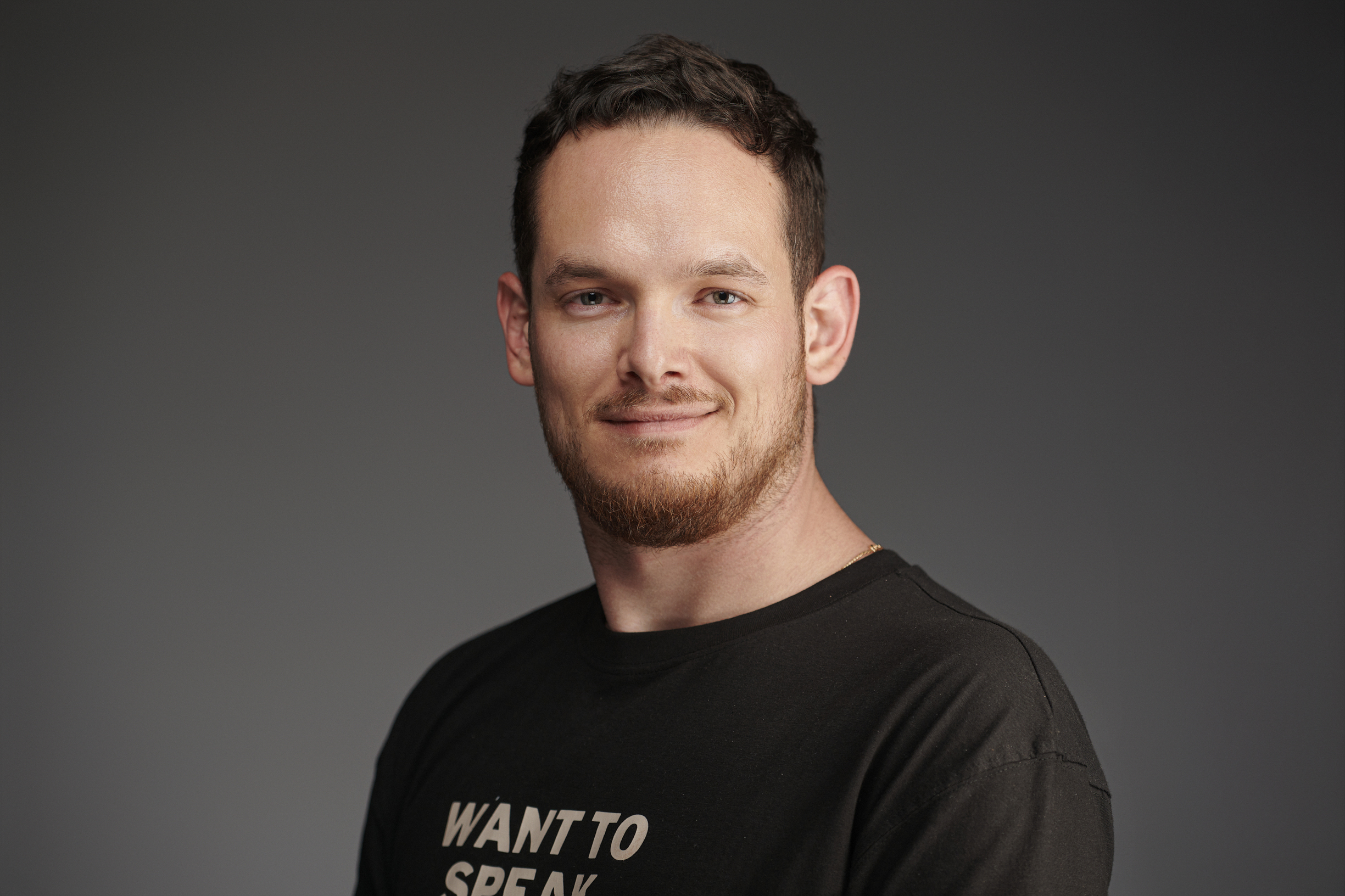
Richard Williams is a founder, speaker, and creative based in Berkshire, England. After two decades working in branding, sales, and marketing, he shifted his focus toward supporting young people who have been overlooked by traditional systems. Today, through Storyy Group and People & Purpose, he works alongside his business partner Brian Murphy to create alternative pathways for young people who need support, stability, and purpose.
The Things We Carry Quietly
There are some people who spend years building impressive lives while quietly falling apart underneath them. From the outside, Richard Williams looked successful. He had built companies, worked in creative industries, and developed a strong reputation in branding and marketing. On paper, the story made sense. Yet much of his adult life was shaped by performance rather than peace.
For years, he adapted himself to every room he entered. He learned how to speak the right language, carry the right energy, and become whatever version of himself the environment rewarded. It was survival disguised as ambition.
What makes Richard’s story different is not simply that he burned out. It is that he eventually stopped searching for belonging altogether and started searching for purpose instead.
That shift changed everything.
Today, his work is rooted in young people who feel excluded, misunderstood, or abandoned by systems that were never built with them in mind. The work is practical and deeply human at the same time. Alternative provisions, care homes, specialist tutoring, mentoring, and technology platforms all sit under the wider mission he now shares with Brian Murphy. Together, they are working toward positively impacting one million young lives by 2030.
The mission is large, but the motivation behind it is deeply personal.
The Boy in the Corridor
Some memories never fully leave the body.
For Richard, one of them is a school corridor. A chair. The smell of chemical floor polish. An entire school term spent sitting alone while nobody asked what was wrong.
He was a child trying to navigate undiagnosed ADHD, emotional pain, and the feeling that he simply did not fit. Instead of receiving understanding, he learned something many children quietly absorb far too early: if being yourself does not work, you learn to perform.
That lesson followed him into adulthood.
Over the next twenty years, Richard became highly skilled at adaptation. He built a career in sales, branding, and marketing, eventually creating and exiting a successful brand positioning agency. Creativity was always present in his life, but purpose was not. He could build businesses, shape stories, and create momentum for clients, yet none of it resolved the deeper question underneath everything.
Who was he when the performance stopped?
At thirty nine, that question became impossible to avoid.
Richard found himself sitting on the edge of a bed inside a mental health facility after reaching a point where the mask he had carried for decades finally collapsed. His wife had just dropped him off. The life he had carefully maintained no longer held together.
It was also the first time he allowed himself to be fully honest.
During that period, he received an ADHD diagnosis that reframed much of his life. It did not erase the challenges, but it gave language to experiences he had spent years fighting against. Around the same time, he also began confronting childhood abuse that had remained buried for decades.
Rather than trying to become someone new, Richard slowly began learning how to stop hiding from himself.
That process remains ongoing. He speaks about it with honesty rather than resolution. There is no polished ending attached to it, no dramatic transformation narrative. Instead, there is a quieter kind of understanding. Some experiences are not overcome in a traditional sense. They are carried differently.
A Painting, a Young Boy, and a Different Direction
The turning point that reshaped Richard’s life arrived during the uncertainty of the COVID years.
While the world slowed down, he taught himself how to paint. What began as a creative outlet quickly became something more grounding. Portrait painting gave his mind somewhere to settle. It created silence where there had previously been noise.
He started sharing portraits online and invited people to nominate someone who deserved one. One message came from a man named Brian Murphy, who ran an alternative provision for young people struggling within mainstream education. Brian told him about a teenager named Charlie who had experienced exclusion, addiction, and instability before finding direction through basketball.
Richard painted Kobe Bryant dunking a heart and drove to deliver the artwork himself.
Walking into that building changed his life.
The environment was unpolished and real. There was no performance, no posturing, and no need to pretend. Instead, there were adults showing up consistently for young people who had every reason to believe nobody cared.
For the first time in years, Richard felt useful instead of performative.
He later reflected on that experience by saying,
“I realised I was meant to be building pathways for kids who don’t fit the system. The ones like Charlie. The ones like me.”
That moment connected every part of his previous life. The storytelling, the creative thinking, the operational experience, and the business knowledge finally had somewhere meaningful to go.
Together, Richard and Brian began building what would become Storyy Group and People & Purpose.
Building Systems for the Young People Nobody Sees
Today, Richard’s work spans multiple organisations focused on supporting young people who often fall outside traditional structures.
Storyy Group includes alternative provisions, children’s homes, tutoring services, and specialist projects designed to create pathways for young people who have been excluded, overlooked, or misunderstood. Across the group, around one hundred people now work toward a shared mission rooted in care, consistency, and possibility.
Richard is quick to redirect attention away from himself and toward the people working directly with young people every day. He sees his role less as the face of the mission and more as the person helping create the conditions that allow others to do meaningful work well.
That operational focus matters deeply to him. He understands that sustainable care requires infrastructure, systems, and environments where people are supported properly.
The mission itself remains clear. Richard and Brian want to positively impact one million young lives by 2030.
Much of their work is built around asking a deceptively simple question: what matters to you?
That question shaped the story of a young man named Kieran, a former gang member who eventually started his own cleaning business in order to support his family and save toward opening a community music studio. Richard speaks about stories like this carefully, without trying to position himself as a saviour.
The point, for him, is not rescue. It is recognition.
Many young people already carry resilience, creativity, and ambition within them. What they often lack is an environment willing to notice it properly.
Alongside direct support services, Richard and Brian are also building technology aimed at improving how young people are understood within education systems. One platform helps children transitioning from primary to secondary school connect with teachers before September arrives, reducing fear and uncertainty around the move. Another project focuses on better identifying student needs rather than relying solely on instinct or rushed assessments.
The work is quiet by design. Richard is not interested in creating noise around impact. He is interested in building things that genuinely help.
Learning to Build Without the Mask
Although Richard now speaks publicly about purpose and identity, his relationship with success looks very different from the one he once chased.
There was a time when achievement meant external validation. Better titles. Better rooms. More impressive versions of himself. Yet none of those things created the sense of peace he thought they would.
Now, his definition of success is far simpler and far more personal.
“Am I still building things that matter. Are my kids growing up seeing their dad doing work he believes in. Can I look at myself without the mask.”
That shift sits at the centre of his philosophy around purpose.
In April 2026, Richard delivered a TEDx talk titled Belonging Isn’t the Answer. Purpose Is. Standing on stage in front of an audience that included his children, he spoke openly about the corridor, the breakdown at thirty nine, and the long process of understanding himself differently.
The talk represented more than a professional milestone. It marked a moment where his story stopped feeling like something he had merely survived and became something he could use to help other people.
That message resonates particularly strongly in workplaces and educational settings where many people still spend enormous amounts of energy trying to fit into environments that were never designed for them.
Richard believes the answer is not endless self optimisation or performance. It is finding something meaningful enough that authenticity becomes easier than pretending.
The People Who Keep Him Grounded
Despite the scale of the work, Richard speaks honestly about the reality of living with ADHD. Some weeks are productive and energetic. Others feel heavy and difficult. Rather than hiding those fluctuations, he has learned to build systems that support him through them.
Simple routines matter. Physical reminders matter. Voice memos matter. Consistency matters more than intensity.
Most importantly, people matter.
Brian Murphy remains central to both his work and personal growth. Richard credits him not only as a business partner but as the person who helped him discover purpose in the first place. He admires Brian’s patience with young people and his ability to remain present in moments where others might walk away.
Outside work, Richard finds grounding through his family and through painting.
His portrait series, Beautiful Minds, explores artists, musicians, and cultural figures whose minds worked differently. The collection includes figures such as Kanye West, Tyson Fury, Avicii, James Arthur, and Amy Winehouse. Through the work, Richard examines the relationship between difference and brilliance.
The paintings are not about idolising fame. They are about recognising complexity, humanity, and the creative potential that often exists inside minds the world struggles to understand properly.
Painting also remains one of the few places where his mind becomes quiet.
For someone who spent years masking in order to survive, that silence matters.
A Future Built Around Purpose
Looking ahead, Richard’s focus remains fixed on scale without losing humanity.
The mission to impact one million young lives by 2030 continues to drive the expansion of Storyy Group and its related projects. New platforms, educational tools, and youth focused services are already in development, each designed to close gaps that traditional systems continue to leave behind.
Alongside the operational work, Richard is also writing a book based on the methodology behind his TEDx talk. He plans to continue speaking publicly about purpose, leadership, identity, and the emotional cost of performance driven lives.
Yet beneath every future plan sits the same core belief that reshaped his own life.
People do not need to spend their lives searching for rooms where they fit perfectly. They need something meaningful enough to build toward.
Purpose first. Belonging second.
The Quiet Power of Asking What Matters
Richard Williams does not speak like someone trying to sell certainty. There is too much honesty in the way he tells his story for that.
Instead, he speaks like someone who has spent years learning how to stop running from himself.
His life today is still full. The projects are ambitious. The mission is enormous. The work is emotionally demanding. But beneath all of it is a clarity he did not have before.
The young boy sitting alone in the corridor once believed nobody was coming.
Now, much of Richard’s life is built around making sure somebody does.
For More Features
Be Featured in The Real Edit!
Every story has the power to shape how we see innovation, leadership, and purpose. If you’re a founder, creator, executive, or changemaker with a journey worth telling , we’d be honored to help you share it.
To inquire about being featured:
Email us at: info@realedit.site
Follow The Real Edit