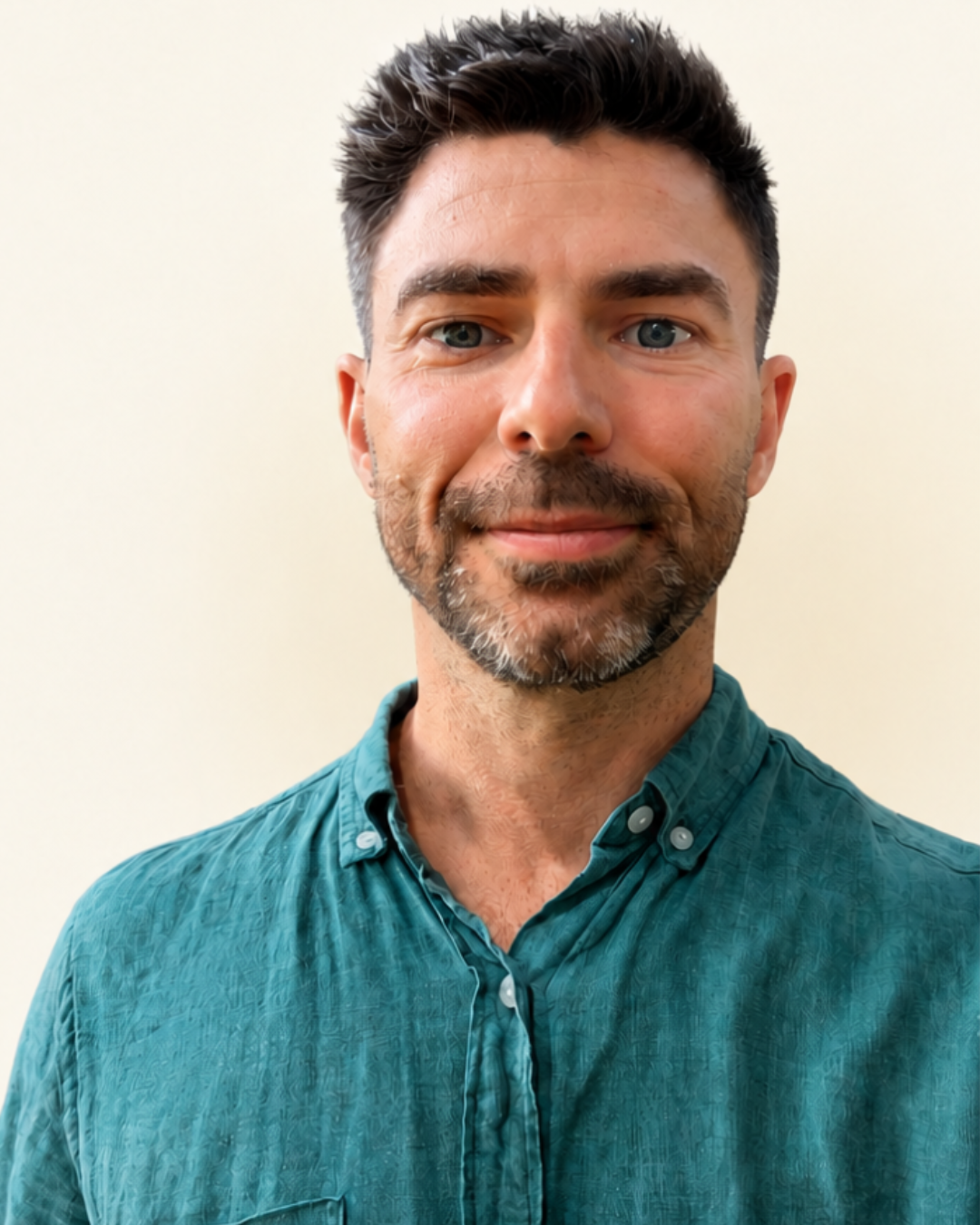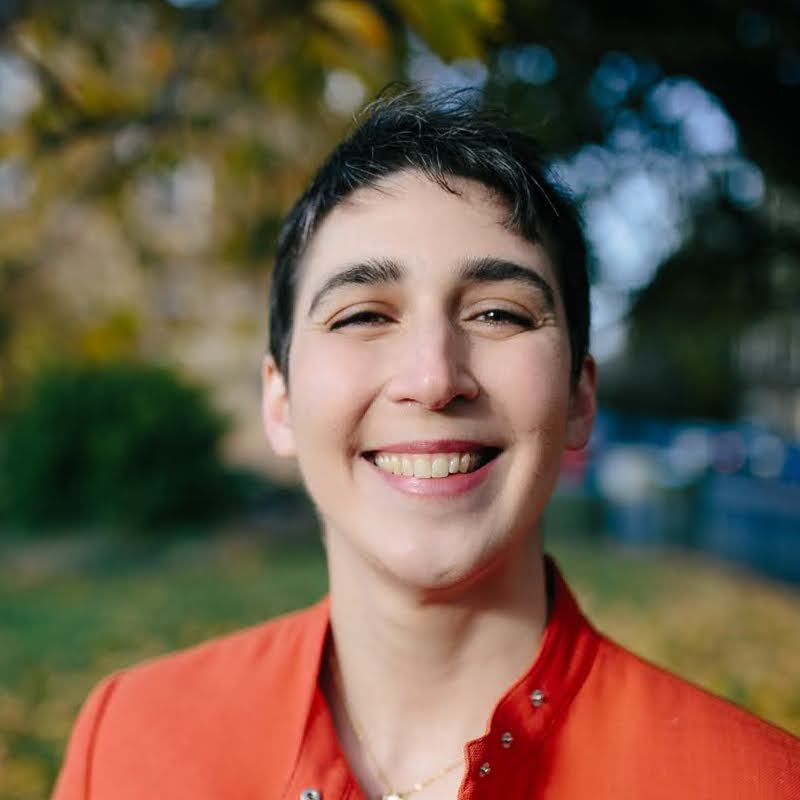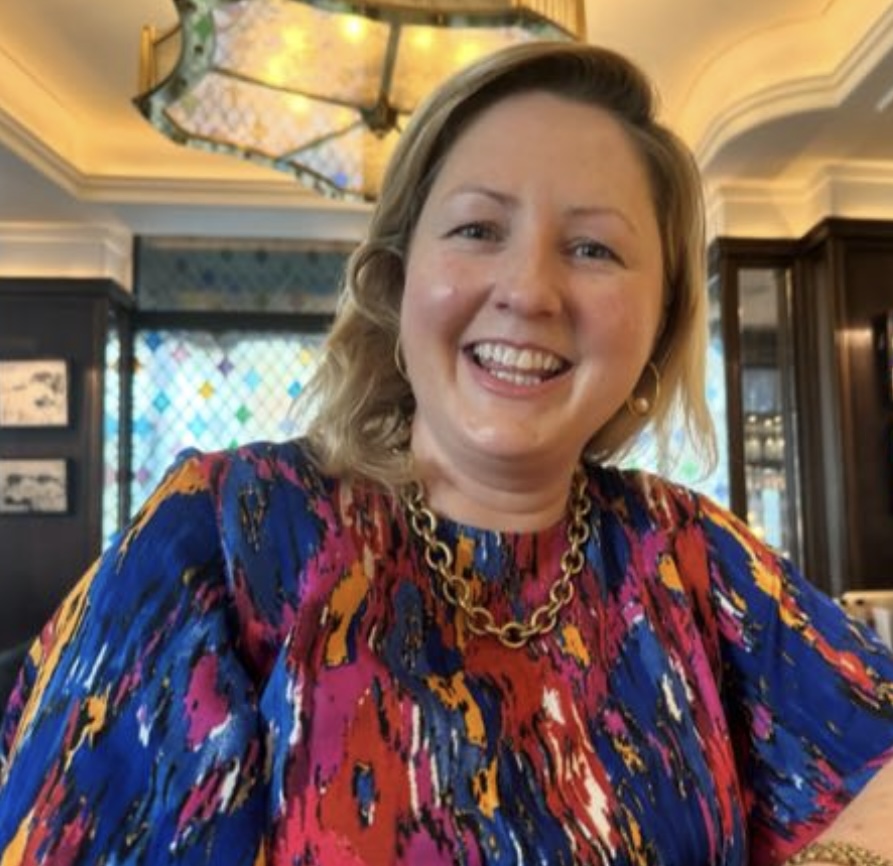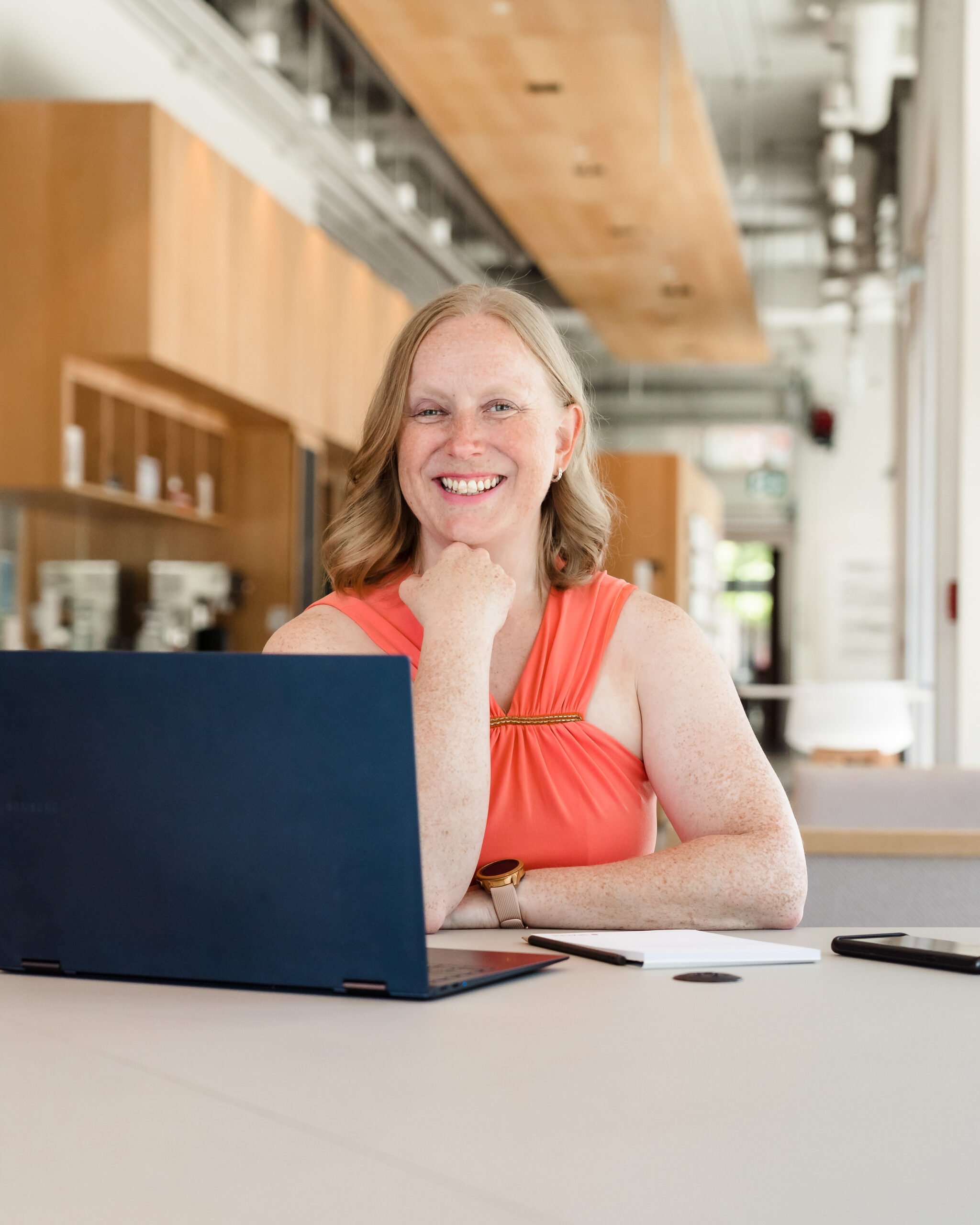
Meet Nouran
Nouran Farouk is the Cofounder and CEO of Dosy, a women focused mobility platform founded in Cairo with her sister in 2019. Trained as a physician, she brings the careful listening and problem solving of medicine into her work as an entrepreneur, where she focuses on mobility, economic opportunity and greater independence for women.
When a Personal Problem Became a Bigger Question
For Nouran Farouk, entrepreneurship did not begin with a long held ambition to build a company. It began with a practical problem she experienced herself.
As a young woman and university student in Cairo, she wanted to move around independently. Yet learning to ride a scooter in a way that felt safe and accessible was not easy. What initially seemed like a personal frustration gradually revealed itself to be something much larger. When Nouran and her sister began speaking with other women, they discovered that many were facing similar limitations in their everyday lives.
That realization became the starting point for Dosy.
Before becoming an entrepreneur, Nouran had trained and worked as a physician. Her medical career included clinical work during the COVID 19 period, a time that gave her an even closer view of how health is shaped not only by medical care, but also by the circumstances surrounding people’s lives. She began to understand that wellbeing could not always be separated from access, environment, opportunity and independence.
Over time, her interests moved beyond the hospital. Leadership, community development and practical solutions to everyday problems became increasingly important to her. Medicine and entrepreneurship may appear to be very different paths, but Nouran does not see them as separate chapters. The connection is found in the way she approaches problems.
“Medicine taught me to listen carefully, understand the root of a problem, and think about the person behind it rather than only the symptom.”
That way of thinking became central to how she approached Dosy. Instead of beginning with an abstract business idea, she began with people and a problem that needed to be understood more closely.
From Learning to Ride to Creating New Possibilities
The earliest version of Dosy was simple. Nouran and her sister wanted to help women learn how to ride scooters. But the conversations they had with their first customers began to reveal a deeper need.
Women were not only interested in acquiring a new skill. They wanted the ability to move through their cities with greater independence. Mobility affected where they could go, how they could spend their time and which opportunities were realistically available to them.
As Nouran listened, the idea behind Dosy began to change.
The company moved beyond training and developed into a broader mobility platform that combined education, income opportunities and mobility services. Eventually, this included women only ride hailing, creating a model in which women could participate not only as customers, but also as instructors and drivers.
That transition was not straightforward. Building something new in a space where women were not traditionally viewed as riders, instructors or mobility providers meant dealing with practical and cultural barriers at the same time.
There were questions about technology, trust, recruitment and the sustainability of the business. There was also the more subtle challenge of changing expectations. If people had rarely seen women working within the mobility sector, then convincing them that women could participate in it required more than simply explaining an idea.
Nouran learned that change did not have to happen all at once.
Rather than trying to convince everyone immediately, Dosy focused on creating a meaningful experience for a smaller group of women. Those women then became part of the evidence that the idea could work. Their experiences, recommendations and stories helped build trust within the wider community.
The community itself became one of Dosy’s strongest sources of learning. Feedback from women who used the service helped shape what the company became, while women who trained through Dosy began taking on new roles of their own.
For Nouran, this was an important lesson in building something while still learning what it needs to become. She did not begin with every answer. She and her team had to listen, adjust and sometimes change direction.
That experience changed how she thinks about resilience. To her, resilience is not about knowing exactly what to do from the beginning. It is about continuing to learn while moving forward.
The Women Who Became Part of the Story
The most meaningful part of Nouran’s work is not found in the existence of a platform or an app. It is found in the people whose lives begin to look different because of it.
Dosy has trained more than 8,000 women and created income opportunities for more than 3,000 women. Behind those numbers are individual stories of women who came to learn a skill and later found themselves teaching others, driving or earning an income through their participation in the mobility ecosystem.
For Nouran, those transitions have made the original idea feel much larger than it did in 2019.
A woman may arrive at Dosy simply wanting to learn how to ride. With time, she may become an instructor or driver. The skill that initially gave her a way to move around her city can become a source of income and greater independence.
That progression matters because mobility is connected to so many other aspects of life. When women can move more safely and accessibly, they can more easily reach education, employment, family responsibilities and other opportunities.
There is also a cultural dimension to the work.
When one woman rides a scooter through the streets of Egypt, she is not only making her own journey. Her visibility can also make the idea more familiar to another woman watching her. A woman who becomes an instructor can become an example for someone who has never considered that path. A driver earning an income through mobility can show another woman that economic participation can take forms she may not previously have imagined.
Nouran sees this gradual change as an important part of what Dosy is contributing to.
She has watched women on scooters become increasingly visible in Egypt, something that felt unusual when Dosy first began. That shift represents more than a change in transportation habits. It suggests that social expectations can move when people are given the opportunity to experience something for themselves.
The change is not necessarily dramatic in every individual moment. It can happen quietly, one rider and one instructor at a time. But over years, those small changes can become part of a larger cultural shift.
Building Something That Can Outlive Its Founder
Nouran’s understanding of success has also been shaped by the experience of building Dosy.
She does not measure achievement only through titles, revenue or recognition. What matters more to her is whether something she has helped create makes a person’s life better or opens an opportunity that was not previously available.
That perspective is closely connected to her medical background. Medicine placed her close to people’s problems. Entrepreneurship has given her another way to respond to them.
It has also required her to grow personally.
Building a company around an idea that initially seemed difficult to achieve has demanded patience, flexibility and a willingness to sit with uncertainty. Nouran has had to learn that not every challenge can be solved immediately and that some answers only become visible after listening carefully to the people involved.
Her approach to leadership reflects that understanding. She values empathy, persistence and openness to learning. She believes in beginning before everything is perfect, paying attention to the people being served and adapting when circumstances require it.
The women within the Dosy community have become important examples for her as well. Nouran does not point to a single role model. Instead, she draws inspiration from people, particularly women, who create opportunities for others despite having limited resources.
In that sense, the community she helped build has also become a source of inspiration for her.
Women who initially joined Dosy simply to learn how to ride have gone on to become instructors and drivers. Their development demonstrates the kind of change Nouran hopes to create: not dependence on a single organization, but a growing network of people who can create opportunities for themselves and others.
Looking Beyond Egypt
The future Nouran imagines for Dosy reaches beyond the streets where the idea first began.
Her goal is to take the platform beyond Egypt and contribute to a future in which women across Africa and other parts of the world can move more freely and access more economic opportunities.
Expansion, however, is not the only measure of what she wants to achieve. Sustainability matters to her because she wants Dosy to remain capable of creating meaningful impact over the long term.
That means building something that can continue beyond her personal involvement. For Nouran, there is value in creating an organization that does not depend entirely on its founder, but instead develops the people, systems and community needed to keep moving forward.
Her vision is therefore both geographic and generational. She wants mobility to become a pathway to greater opportunity for more women, while creating a company capable of sustaining that work over time.
The original idea remains remarkably simple. Nouran wanted the freedom to move independently. What changed was the realization that this desire was shared by many other women.
“If that simple idea can help thousands of other women experience more freedom and opportunity, then I would consider that a meaningful definition of success.”
The Opportunity Hidden Inside the Problem
Looking back, Nouran’s journey from medicine to entrepreneurship does not seem like a departure from one identity into another. It looks more like an expansion of the same instinct.
As a physician, she learned to look closely at people and understand the problems beneath visible symptoms. As an entrepreneur, she has applied that same instinct to a social challenge that affected her own life and the lives of many other women.
Dosy grew because Nouran and her sister were willing to take a personal frustration seriously. They asked whether the difficulty they experienced was shared by others, listened to what women needed and allowed the answers to reshape their original idea.
That willingness to listen remains at the center of how she works.
Her story also offers a different understanding of what social impact can look like. It does not always begin with a grand plan. Sometimes it begins with something ordinary that feels unnecessarily difficult. Sometimes the person closest to the problem is also the person who can see a possibility that others have overlooked.
For Nouran, the lesson has been to pay attention to those moments.
The challenge itself can contain the beginning of an answer. A lack of access can point toward a new service. A personal frustration can reveal a wider need. A skill learned by one person can become an opportunity shared with many.
What began as two sisters trying to solve a transportation problem has grown into a community of women learning, working and moving through their cities in new ways. For Nouran, that may be the most meaningful part of the journey.
Not simply building Dosy, but helping create a world in which more women can imagine themselves moving freely, earning independently and taking opportunities that once felt out of reach.
For More Features
Be Featured in The Real Edit!
Every story has the power to shape how we see innovation, leadership, and purpose. If you’re a founder, creator, executive, or changemaker with a journey worth telling , we’d be honored to help you share it.
To inquire about being featured:
Email us at: info@realedit.site
Follow The Real Edit