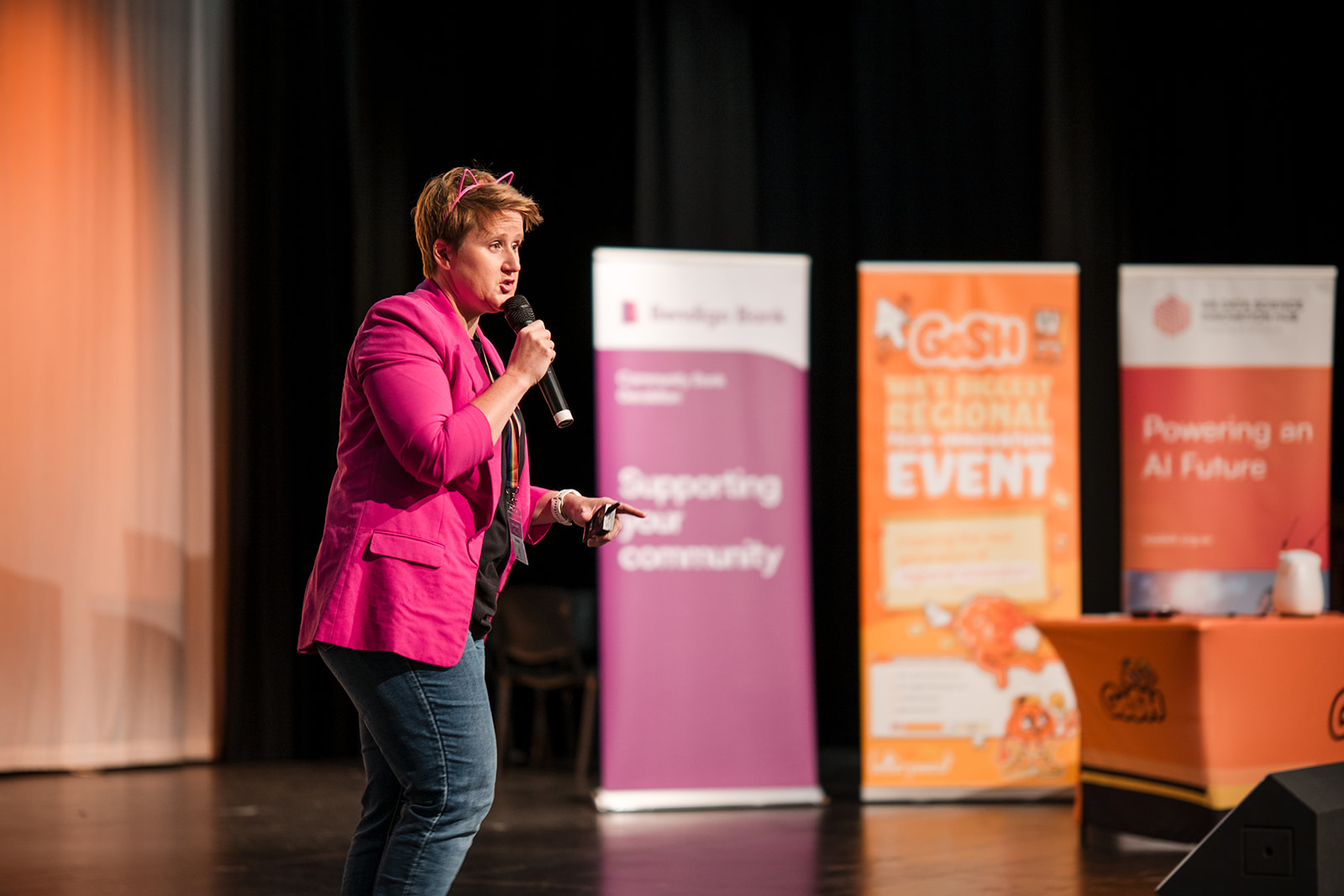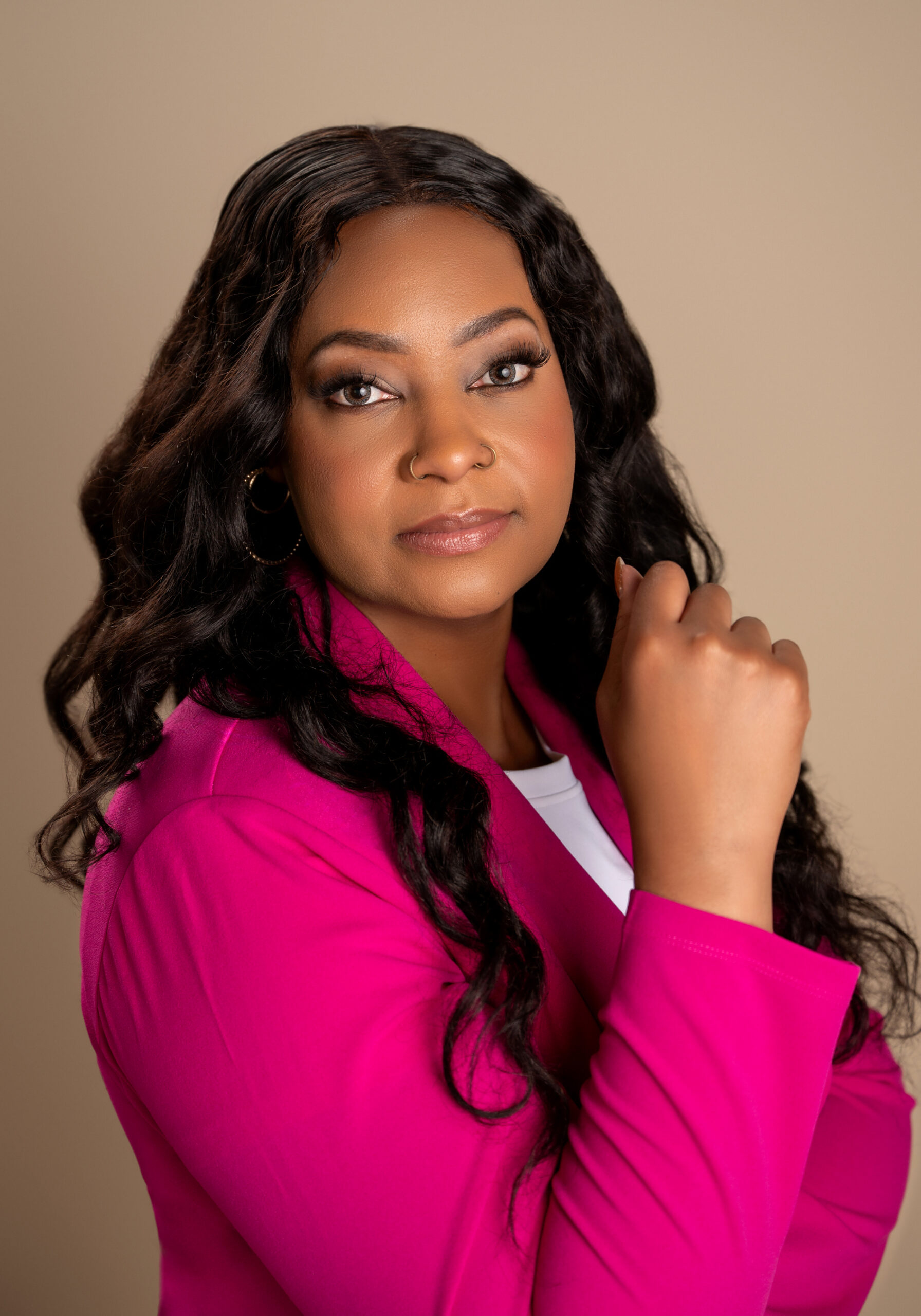
Henrieta HaniskovaMothering the Mother
A former nurse and photographer turned clinical aromatherapist and Somatic Experiencing practitioner, she is building Royal Heir Botanicals around a simple belief: mothers deserve to be cared for too.
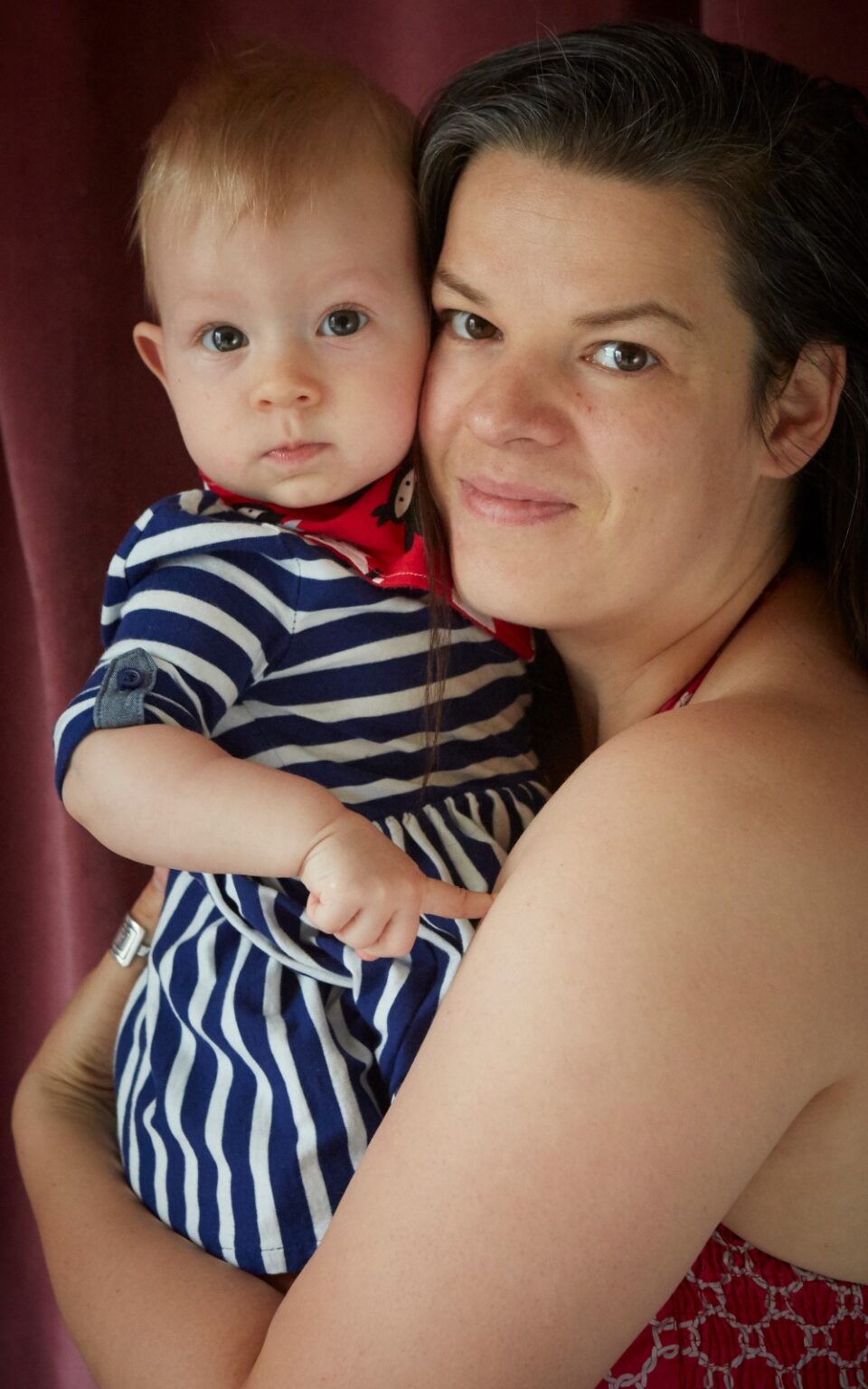
Henrieta Haniskova is a former nurse, commercial photographer, clinical aromatherapist and Somatic Experiencing practitioner based in Toronto, Canada. As the founder of Royal Heir Botanicals, she is developing a form of neurosomatic skincare and self-care centered on nervous system support, matrescence and the often-overlooked needs of mothers.
The Life That Changed When She Became a Mother
There are moments in life when the person we thought we were becomes only part of the story. For Henrieta Haniskova, motherhood was one of those moments.
Before becoming a mother, Henrieta had already lived several distinct lives. She studied nursing in what was then Czechoslovakia, moved to Germany to study German, and eventually made her way to Canada to study English. A chance discovery of a photography school in Toronto gave her another direction, and she stayed in the city, building a life and career as a photographer.
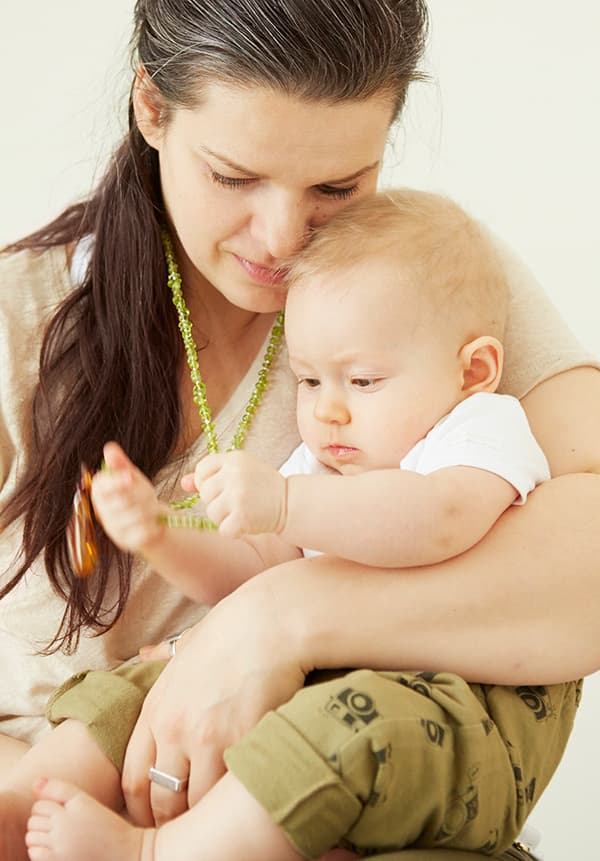
Photography became an important expression of her creativity. Yet when her daughter was born, something from an earlier chapter of her life began to call her back. Her nursing knowledge, once part of a conventional professional path, suddenly became deeply personal.
Her daughter experienced a range of difficult skin problems during infancy. Henrieta tried products available to her, but many did little to help. Some caused reactions, while others were expensive and ineffective. As a mother watching her baby struggle, she felt compelled to understand what was happening rather than simply accept the available solutions.
She returned to the knowledge she had gained through nursing and began researching infant skin, ingredients and the science behind healing. At night, while nursing her baby, she studied scientific papers and considered how different formulations might work.
It was an unusual kind of education, shaped by exhaustion, curiosity and love.
She was not sitting in a classroom. She was learning in the quiet hours of early motherhood, trying to find something that could make her daughter’s experience a little easier.
That process eventually led her to formulate creams for her own baby.
When Motherhood Became a Second Beginning
The beginning of Royal Heir Botanicals was closely tied to motherhood, but Henrieta’s understanding of what mothers need did not arrive all at once.
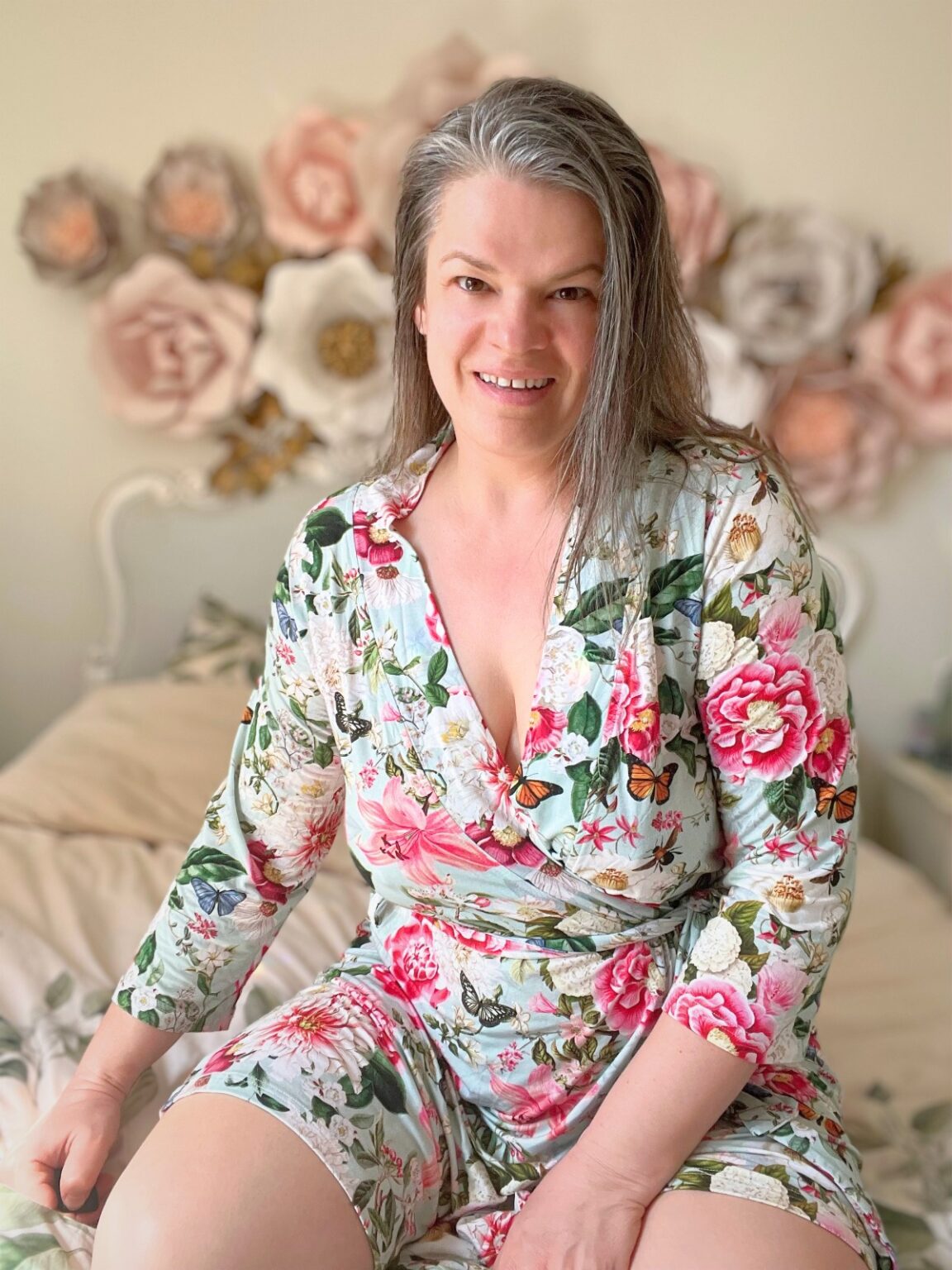
She loved her life before becoming a mother, particularly the creative freedom photography gave her. Becoming a parent meant leaving some of that life behind, and there was genuine grief in that transition. At the same time, creativity gave her a way to move forward.
The business created from her daughter’s skincare needs became a bridge between her past and her new identity.
Nursing
An instinct for observation and problem solving.
Photography
Taught her to notice details and communicate through the senses.
Motherhood
Brought an entirely different kind of responsibility.
Then the pandemic arrived.
The small amount of freedom Henrieta had begun to regain disappeared again. Her daughter was finally spending time in daycare, creating space for Henrieta to rebuild parts of her professional and personal life. When the pandemic disrupted that arrangement and stores closed, her business collapsed.
The emotional impact was significant. Her anxiety increased, and the support she needed was not readily available. Instead of simply trying to return to the business she had built, Henrieta began looking inward.
She studied clinical aromatherapy, something she had wanted to pursue for years. Later, after becoming ill with long Covid and experiencing intense pain for more than a year, her attention moved even more strongly toward the nervous system.
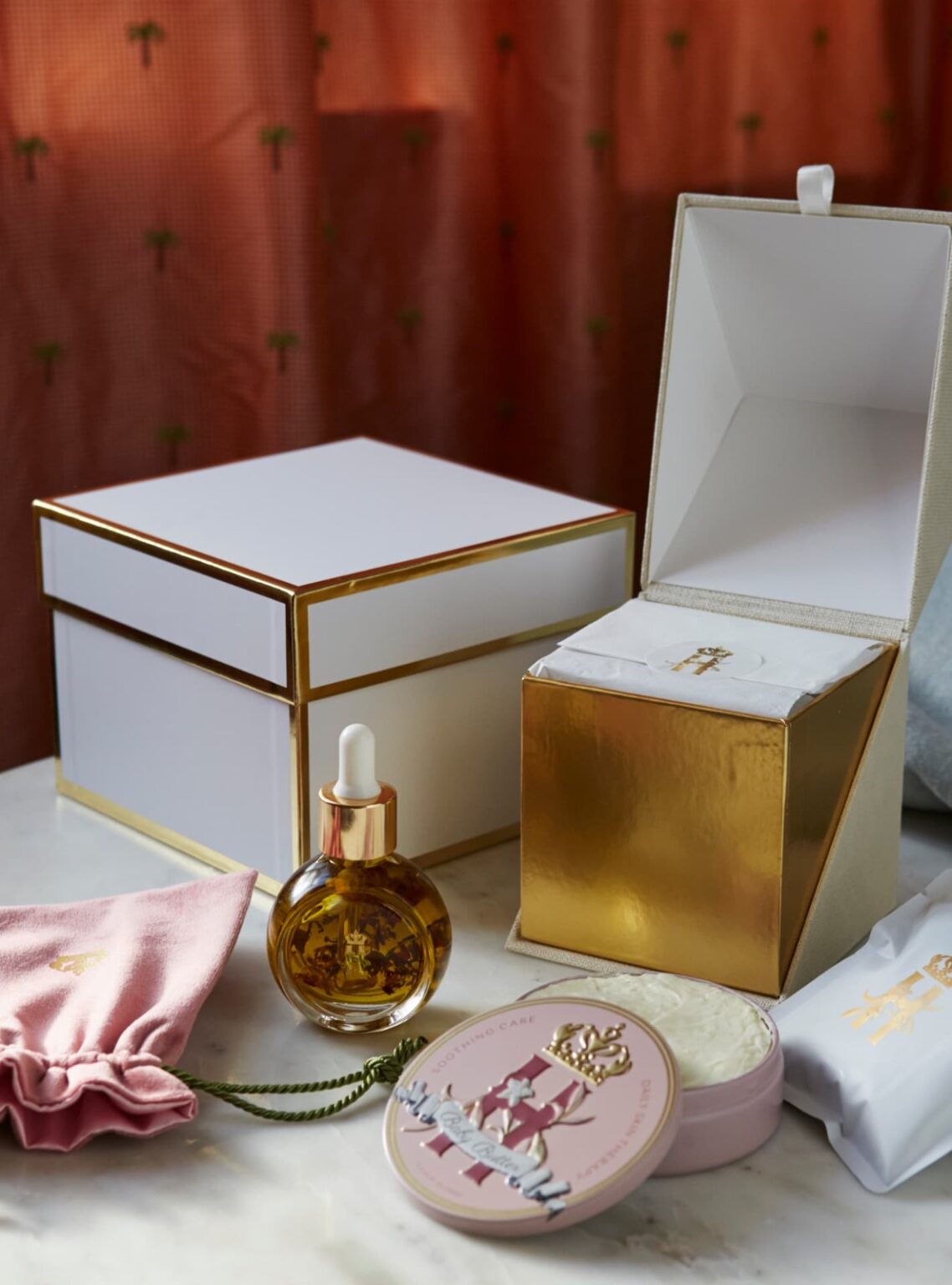
She discovered Somatic Experiencing, a therapeutic approach developed by Peter Levine, and began learning everything she could about how the nervous system responds to stress, fear and overwhelm.
This was not only professional development. It became part of her own healing.
Henrieta began combining aromatherapy with sensory practices and rituals that helped her understand her own nervous system. Scent, touch, rhythm and simple moments of intentional care became tools through which she could reconnect with herself.
The experience changed how she viewed the work she wanted to do.
She had initially created skincare for babies. But over the years, mothers had repeatedly told her that their entire families were using the same products. Henrieta also noticed the evening rituals she shared with her daughter, small moments that helped both of them slow down and settle.
Gradually, another question emerged.
What if the mother needed to be cared for just as intentionally as the baby?
Seeing the Mother Behind the Baby
For Henrieta, this question has become central to her work.
The arrival of a baby naturally draws attention toward the child. There are appointments, preparations, feeding schedules, products, advice and endless conversations about what the baby needs. The mother, meanwhile, is experiencing an enormous physical, emotional, relational and psychological transformation.
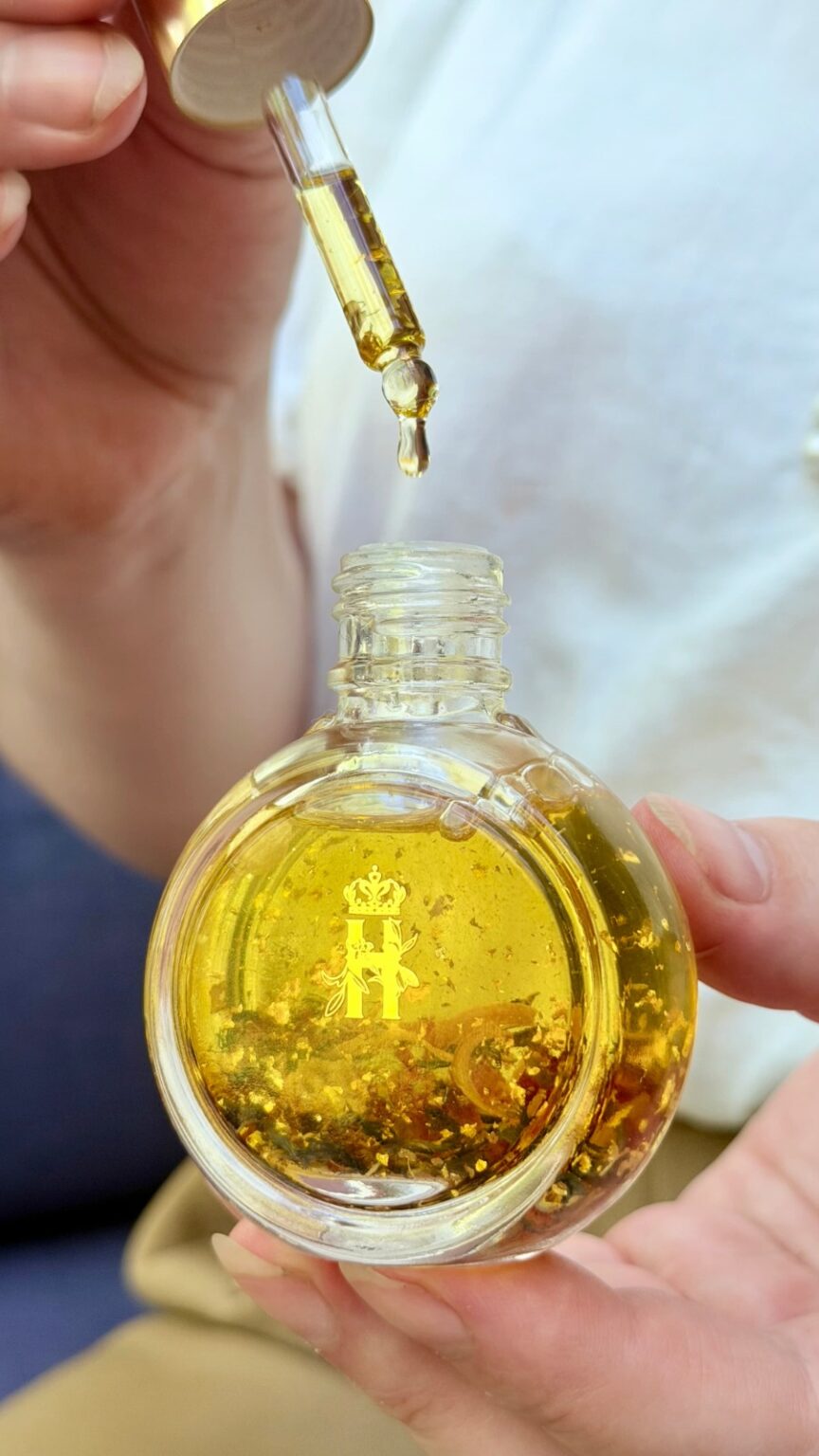
Henrieta believes modern culture often asks women to move through that transformation with remarkably little preparation or ongoing support.
She describes matrescence as a transition deserving the same recognition and understanding that society gives to adolescence.
A young person is taught
about changes in the body and mind.
Mothers are often expected
to simply cope, despite going through a profound transformation of their own.
Part of that transformation happens in the brain and nervous system. When a mother is born, her brain is rewired for around-the-clock care. Her body can remain on high alert as she learns to respond to the needs of another human being who cannot yet regulate themselves.
- Anxiety
- Fearful and intrusive thoughts
- Disrupted sleep
- A heightened sense of responsibility
These can become part of the experience. Yet many mothers suffer through these changes in silence, believing there is something wrong with them individually.
For Henrieta, understanding what is happening can change that story.
She compares the transformation to a caterpillar entering its chrysalis. Inside, everything changes before something new emerges. In much the same way, a new mother can be moving through a profound transition that deserves focused support rather than self-judgment.
The goal is not to make mothers more capable. Mothers are already capable. They manage extraordinary demands, often while exhausted and carrying responsibilities that few people see.
The deeper question is whether mothers have enough nervous system capacity to hold the weight of motherhood without continually pushing themselves beyond their own limits.
Nervous system capacity
- move through difficult moments
- receive, relax, pause and experience steadiness
The traditional village that once surrounded new mothers has also become harder to find. Extended family may live far away. Communities can be fragmented. Partners may be working. Medical care often focuses heavily on the physical health of the baby, while the mother’s emotional and nervous system needs can receive far less attention.
Henrieta’s concern is not about rejecting modern medicine. Her nursing background has given her a respect for conventional healthcare and for the situations where medical treatment is necessary. Her philosophy is broader.
She believes mothers deserve more tools, more knowledge and more support.
“Mothering the mother is just as important as it is to take care of a baby.”— Henrieta Haniskova
A Different Way to Think About Self-Care
Henrieta’s approach to self-care is rooted in sensory experience.

Aromatherapy naturally became an important part of that philosophy because scent can turn a routine into a ritual. Instead of asking mothers to follow another rigid program, she wants care to feel pleasant enough that they want to return to it.
Her background as a nurse also influences the way she thinks about solutions. She understands that some situations require medication or clinical intervention. At the same time, she believes that not every difficulty should be approached through medication alone.
For her, nervous system care can include simple and accessible practices.
These practices can give mothers moments in which they are not simply responding to the needs of everyone around them.
Most importantly, these practices can help expand the capacity to move through the demanding moments of motherhood without believing that constant pushing is the only way forward.
There also needs to be room for receiving.
This matters because a mother’s state can influence the atmosphere of a household. Henrieta sees the relationship between maternal wellbeing and the development of children as part of a much larger picture.
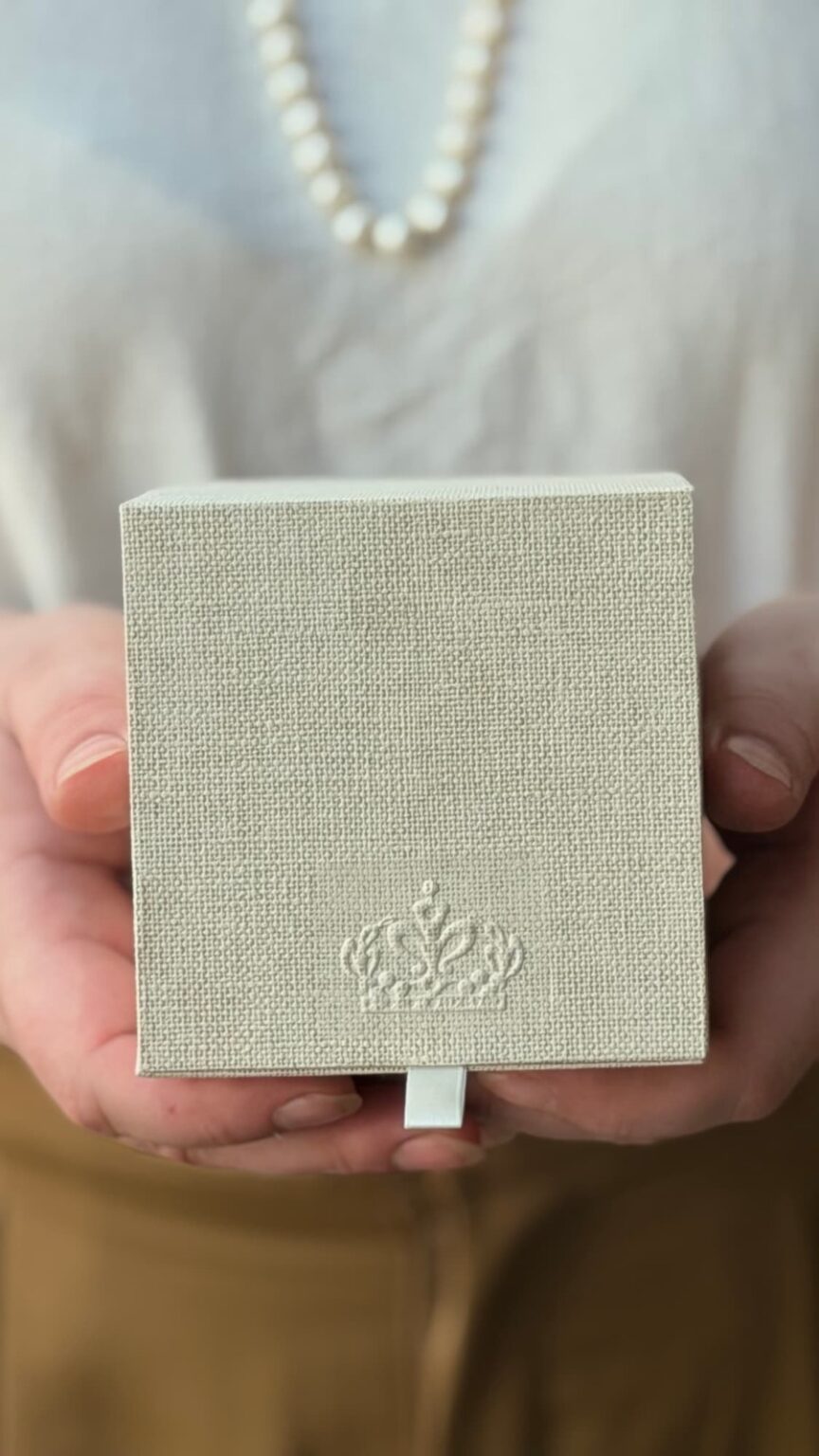
For Henrieta, the work is therefore not simply about skincare. The products are part of a wider system of care.
From Skin Care to Nervous System Care
Royal Heir Botanicals is now entering a new stage.
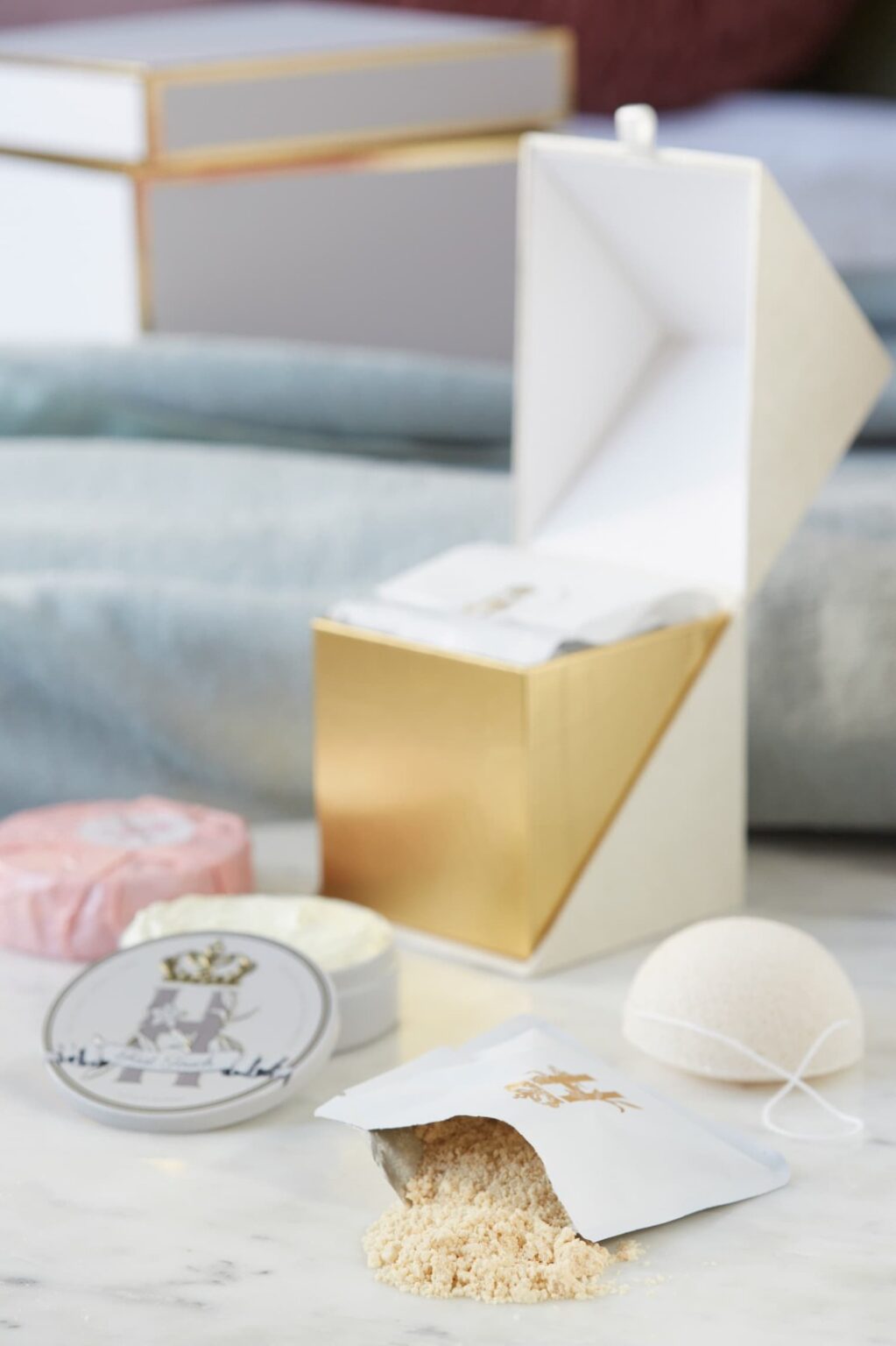
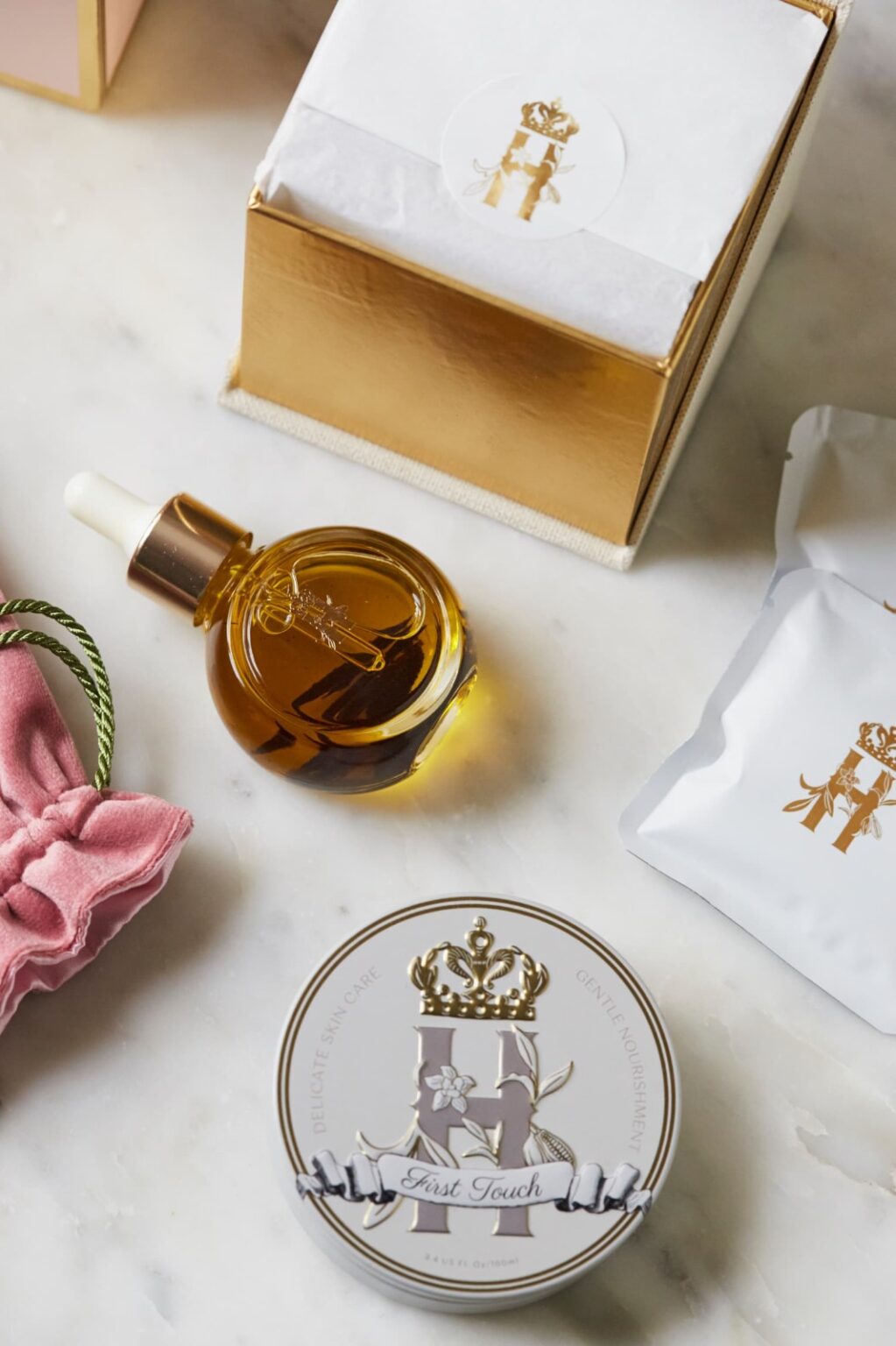
Henrieta is preparing to relaunch the business as a neurosomatic skincare practice that reaches beyond the skin and focuses more directly on nervous system support for mothers.
The shift reflects the evolution of her own understanding. The original products came from caring for her daughter. The next chapter is about creating space for mothers to care for themselves while they care for their children.
And this next chapter is intentionally beginning small.
Space for 30 mothers only
The smaller group is deliberate. It will allow her to give each mother her full attention, learn from the experience and refine the systems that will eventually allow the work to grow.
Rather than immediately trying to serve hundreds of mothers, Henrieta is relaunching with space for 30 mothers only.
The 30 mothers are the beginning, not the limit of the vision.
Over time, Henrieta hopes to expand the model and reach many more mothers. Her long-term ambition is to eventually reach a million new mothers and help create a different experience of early motherhood: one in which women understand what is happening within them, receive meaningful support and have space not only to cope, but to experience greater peace and joy.
She sees that impact as something built one relationship at a time.
What She Learned From Having to Care for Herself
One of the strongest threads running through Henrieta’s story is the connection between personal healing and professional purpose.
She did not develop her approach because she wanted to find a market opportunity. She developed it because she needed something that worked for her.
As a single mother without a nearby support network, she had to become attentive to her own limits. Her previous careers had taught her how to solve problems, but motherhood presented problems that could not always be solved through effort alone.
There were limits to how long someone could survive on little sleep. There were emotional costs to constantly being needed. There were moments when pushing harder was no longer the answer.
Her healing taught her patience.
Sometimes progress did not move in a straight line. There were periods when she felt she was moving backward before finding her way forward again. That understanding has influenced how she now thinks about the mothers she serves.
She does not expect them to heal perfectly or transform overnight.
Instead, she wants them to have permission to move slowly, notice what they need and develop practices that can remain with them through different seasons of motherhood.
Her daughter remains an important part of that motivation. Henrieta knows her daughter is watching her, not only listening to what she says but observing how she lives.
That awareness has made self-care feel less like discipline and more like an act of love.
By caring for herself, she is also showing her daughter that motherhood does not mean disappearing into the needs of another person. It can be the beginning of a new identity, a new relationship with the self and a different understanding of what it means to care.
Building a Quiet Kind of Change
Henrieta’s vision for the future is ambitious, but she speaks about it in deeply human terms.
She wants mothers to feel supported during matrescence. She wants them to understand the changes happening in their bodies, brains and nervous systems. She wants them to recognize themselves not as women who are failing to cope, but as women moving through one of the most profound transitions of their lives.
She also wants to help bring back something modern life has gradually lost: the village.

New mothers were surrounded by women who had lived it
- They cooked
- They helped with babies
- They shared knowledge
- They gave mothers permission to recover
The modern mother can find herself surrounded by information while still feeling profoundly alone.
Henrieta hopes to offer a contemporary form of that traditional support.
Her vision is not about recreating the past exactly. It is about taking what was valuable in older traditions and making it accessible within modern life.
She believes meaningful change can begin quietly, inside a home, through a mother who has learned how to pause before responding, a baby who experiences greater calm and a family that begins to develop healthier patterns together.
“One mother and baby at a time.”— Henrieta Haniskova
That sentence captures the scale at which Henrieta ultimately wants to work. Even as she imagines reaching a million mothers, she remains focused on the individual relationship in front of her.
The Mothers Who Made the Path Visible
Henrieta’s inspiration does not come only from formal teachers or professional figures. Much of it comes from women who have quietly carried enormous responsibilities.
She thinks about mothers who raised healthy and happy children despite exhaustion and limited support. She especially admires mothers raising neurodivergent children, many of whom carry challenges that are not visible to the outside world.
These women represent the kind of resilience that rarely receives public recognition.
Their stories reinforce something Henrieta has learned throughout her own journey. Meaningful work does not always begin with a grand plan. Sometimes it begins with a problem that refuses to be ignored.
Each chapter built on the one before it, even when it did not seem that way at the time.
A Motherhood That Leaves Room for Joy
Henrieta’s work ultimately comes back to something surprisingly simple: joy.
Not a perfect version of motherhood. Not an image of a woman who manages everything effortlessly. Not a promise that difficult days will disappear.
Rather, she wants mothers to have enough support and nervous system capacity to experience the good parts of motherhood alongside the difficult ones.
Her belief is that mothers are already capable of extraordinary things. What they deserve is the support to carry the weight of those things without constantly sacrificing themselves in the process.
Through Royal Heir Botanicals, Henrieta is creating a model of care that reflects the lessons gathered across several decades and several lives.
The nurse, photographer, mother, aromatherapist and somatic practitioner have become parts of the same perspective.
She has learned that healing can be clinical and deeply personal. It can involve knowledge, but also patience. It can involve products, but also rituals. It can happen through professional guidance, but it can also begin with learning to listen to one’s own body.
Most importantly, she has learned that caring for others becomes different when the caregiver is also allowed to be cared for.
Henrieta’s story is therefore not simply about creating another skincare business. It is about recognizing the woman behind the role of mother and making space for her to remain a whole person while she becomes someone new.
Her hope is that the next generation of mothers will not have to discover this lesson only after years of exhaustion.
Perhaps they can learn it earlier.
Perhaps they can receive the support that tells them they matter too.
And perhaps, one mother at a time, that support can become a new kind of village.
Henrieta Haniskova · Royal Heir BotanicalsFor More Features
Be Featured in The Real Edit!
Every story has the power to shape how we see innovation, leadership, and purpose. If you’re a founder, creator, executive, or changemaker with a journey worth telling , we’d be honored to help you share it.
To inquire about being featured:
Email us at: info@realedit.site
Follow The Real Edit