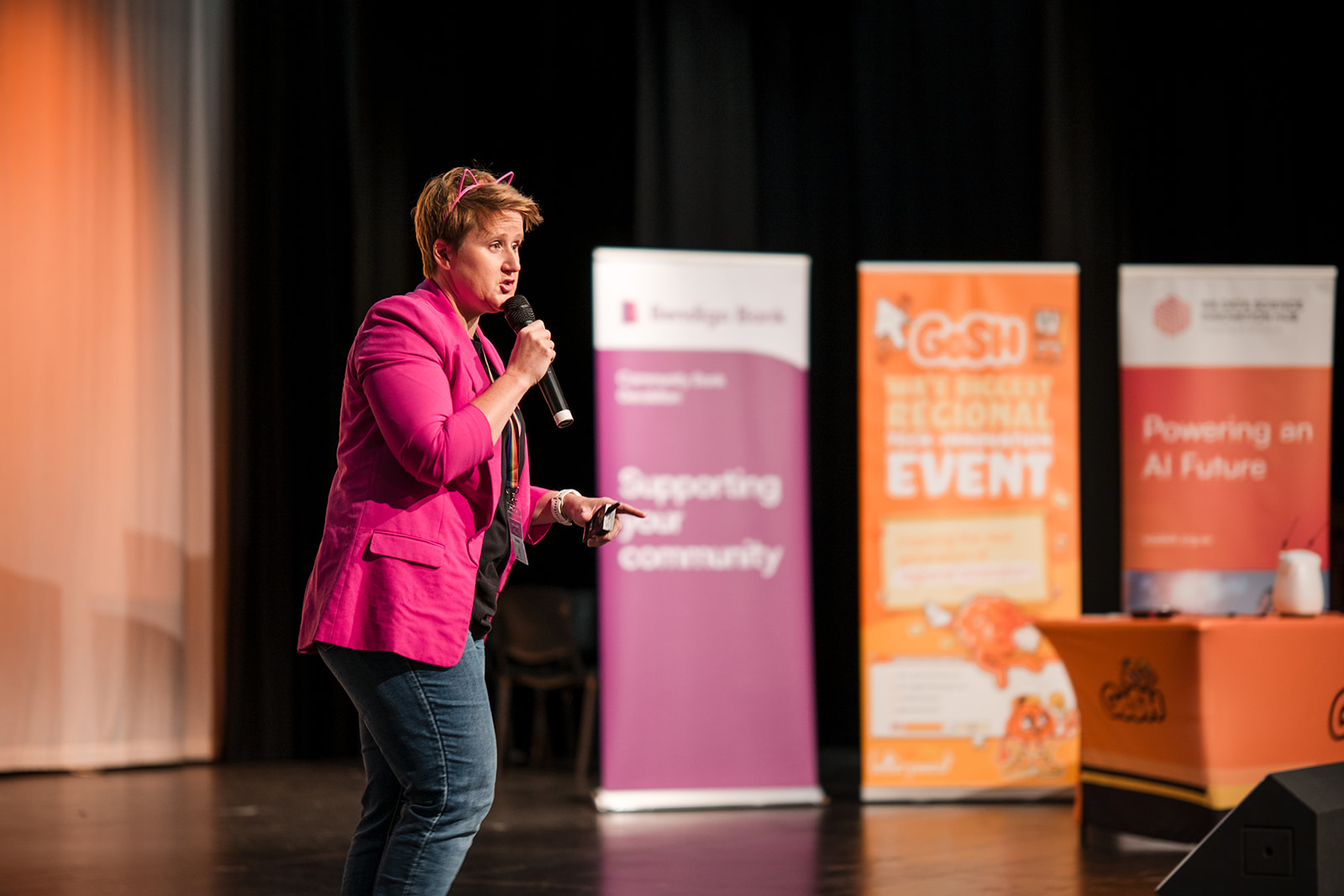
Meet Nick
Nick Bendel is a Sydney based writer, entrepreneur, author and speaker whose work explores communication, relationships and social courage. After beginning his career in journalism and later building a content agency focused on finance and property, he turned a deeply personal six year experiment into a new area of work. His book, The 500 Lunches Effect: How Social Courage Changes Everything, grew from his decision to have lunch with 500 strangers and the lessons that followed.
The First Step Matters More Than the Final Number
There is something deceptively simple about having lunch with another person. It is an ordinary act, one that happens every day without much thought. But for Nick Bendel, lunch became a way of examining something much larger: what happens when a person repeatedly chooses action despite discomfort.
The idea did not begin as a business strategy or a carefully designed professional project. In 2019, Nick was an introvert who wanted to become more comfortable socially. He decided to challenge himself by having lunch with 500 strangers.
The scale of the idea was almost beside the point at first. What mattered was taking the first step.
He travelled from Sydney to Melbourne specifically to have his first lunch with a stranger, then flew home that same afternoon. At the time, there was no guarantee that the experiment would lead anywhere beyond that single meal. Yet that first lunch became the beginning of a six year journey involving hundreds of conversations and thousands of attempts to find people willing to sit across a table with someone they had never met.
Looking back, Nick sees the first lunch differently from the final one. Reaching 500 was significant, but the first decision contained the possibility of everything that followed.
That distinction has become central to the way he thinks about courage. Large goals can appear intimidating when viewed as a whole. The first action is often much smaller.
A Career Built Around Understanding People
Long before the lunches began, Nick had already developed an interest in communication.
He started his career as a journalist, where writing, interviewing and explaining complex ideas clearly became part of his everyday work. Journalism gave him an appreciation for the importance of asking good questions and listening carefully to the answers. It also placed him in situations where understanding another person’s perspective was essential.
Over time, his career moved toward business and content. In 2018, he became an entrepreneur and built Hunter & Scribe, a content agency specialising in finance and property.
Running a business introduced another dimension to communication. Writing was only one part of the job. He also had to learn about sales, marketing, client relationships and the less visible responsibilities that come with creating something of your own.
Entrepreneurship taught him that opportunities rarely arrive simply because someone is talented or prepared. They often depend on conversations, relationships and a willingness to put yourself forward.
Those lessons would later become closely connected to what he discovered through his lunch challenge.
There was also a personal story underneath it all.
Nick had been an outgoing child, but became progressively less social through high school, university and adulthood. He remained an introvert by nature. The difference was that he eventually stopped treating introversion and discomfort as reasons to avoid situations that mattered to him.
The 500 lunches became a practical experiment in that change.
What Six Years of Rejection Can Teach You
Finding 500 strangers willing to have lunch with him required far more than simply scheduling meals. Nick had to approach thousands of people. Most never responded. Some declined. Every successful invitation still meant sitting down with someone he had never met and finding a way to sustain a genuine conversation.
Over time, repetition changed his relationship with rejection.
Something that initially felt intimidating became more familiar. The discomfort did not disappear completely. Instead, it became less powerful.
That distinction matters to Nick because it challenged a common assumption about confidence. People often imagine confidence as a feeling that must arrive before action. His experience suggested the opposite can be true.
“You don’t always need to overcome fear before taking action. Sometimes taking action is how you overcome the power that fear has over you.”
The lunches gave him a way to observe this in his own life. He did not suddenly become an extrovert. He did not reach a point where social situations stopped making him nervous. Rather, he became more willing to move forward while those feelings were still present.
That lesson gradually expanded beyond his own experience.
During hundreds of conversations, Nick began noticing a pattern in other people too. Many capable individuals already know what they should do. They know they should speak during a meeting, introduce themselves at an event, make the sales call, ask for an opportunity, raise a concern or have a difficult conversation.
The obstacle is often not knowledge.
It is the possibility of rejection, judgement or discomfort.
That observation became the foundation of his thinking around social courage. Nick defines social courage as “the willingness to act despite the possibility of rejection, judgement or discomfort.”
Turning Experience Into an Idea
Completing the 500 lunches was one turning point. Writing The 500 Lunches Effect was another.
The challenge itself had given Nick experiences, stories and observations. Writing the book required him to step back and ask what those experiences actually meant.
That process changed the project from a personal experiment into a broader reflection on confidence, relationships, rejection and human behaviour.
He began to see that the story was never really about lunch.
It was about what can happen when someone repeatedly does something before feeling completely ready.
That idea also helped explain experiences Nick had encountered throughout his professional life. Building a business requires approaching potential clients. Writing requires putting ideas into the world without knowing how people will respond. Relationships require reaching out without certainty about where the connection will lead.
In each case, action comes before guaranteed results.
The book allowed Nick to turn six years of personal experience into something that could be shared with others. Instead of presenting courage as fearlessness, he began exploring a more practical version of it: the ability to act while discomfort remains part of the experience.
For Nick, that is a much more realistic way to understand courage.
The Conversations That Might Never Happen
Today, Nick is developing a second business centred on social courage. Through keynote speaking, corporate workshops and one on one coaching, he works with people who want to become more willing to take interpersonal risks.
His focus is not on changing introverts into extroverts.
It is also not about promising that courage will always produce the desired result.
A person can ask for an opportunity and still hear no. Someone can introduce themselves and find that the relationship does not continue. A difficult conversation can remain difficult even when someone has the courage to begin it.
But taking the step gives the possibility a chance to exist.
This is particularly relevant in workplaces. An employee may have a valuable idea but decide not to share it. A manager may notice a problem but avoid raising it because the conversation could be uncomfortable. Someone may want to ask for a promotion but remain silent because rejection feels possible.
Nick is interested in those moments because they are often invisible. Nobody necessarily sees the conversation that never happened or the opportunity that was never pursued.
“I think a surprising number of opportunities are lost because of conversations that never happen.”
His work therefore begins with a simple question: what might become possible if people were slightly more willing to act before they felt ready?
The answer will be different for everyone. For some, it may mean speaking once in a meeting. For another person, it may mean introducing themselves to someone new. It could mean making a difficult phone call, asking for help, expressing an idea or starting a relationship without knowing where it will lead.
Social courage, as Nick understands it, is not about guaranteeing outcomes. It is about creating the possibility of them.
Learning to Trust the Next Action
One of the principles Nick has carried from the lunch challenge is the importance of consistency.
The thought of meeting 500 strangers could easily have become overwhelming. Instead, the challenge could be reduced to something manageable: arrange the next lunch.
That approach has influenced the way he handles other difficult projects.
Rather than depending entirely on motivation, Nick focuses on identifying the next useful action. Motivation changes from one day to another. Consistent behaviour is more reliable.
The same philosophy applies to business, writing and relationships.
Successful projects rarely come from one extraordinary moment. They are often built through ordinary actions repeated over time. A business develops through conversations, decisions and follow through. A book develops through pages written one after another. Relationships grow through continued attention.
Even 500 lunches were ultimately a collection of individual lunches.
There is also a quieter side to Nick’s approach. As an introvert, he values time alone and recognises that solitude helps restore his energy. His understanding of balance is therefore not about remaining constantly productive or socially active.
It is about knowing what allows him to keep moving.
He exercises regularly, maintains relationships outside work and accepts that difficult periods are part of pursuing something worthwhile. Not every day needs to feel productive or inspiring. Sometimes continuing is enough.
From One Experiment to a Larger Mission
Nick’s work is now moving beyond the story of the 500 lunches.
He wants social courage to become recognised as an important professional capability, particularly within workplaces.
Technical knowledge can teach someone what to do. It cannot necessarily make them willing to speak up, challenge an assumption, ask a difficult question or approach another person.
That distinction interests Nick.
He sees organisations as places where courage can influence everyday interactions. When people are willing to raise problems, share ideas, build relationships and have uncomfortable conversations, different possibilities become available.
His future work will continue through speaking, workshops, coaching and writing. He also wants to keep exploring the lessons that have emerged from meeting so many people with lives and perspectives different from his own.
The lunches introduced him to entrepreneurs, artists, academics, community leaders and people whose experiences were completely different from his. One of the unexpected lessons was that almost everyone has something to teach if you are willing to remain curious.
That curiosity remains an important part of how Nick approaches both people and work.
His inspiration does not come from one particular role model. Instead, he is drawn to qualities he has encountered in many different individuals: generosity, curiosity, resilience and a willingness to act without certainty.
One person had a particularly direct influence on his path. Kaley Chu had undertaken her own challenge of having lunch with strangers, and discovering her story inspired Nick to attempt his own version. His first lunch was with Kaley.
It is a fitting detail in a story about conversations. One person’s decision to reach out created an idea that eventually changed the direction of another person’s life.
Letting Action Have the Final Word
Nick’s understanding of success has changed as his career has developed.
Earlier in his life, he thought about success primarily through outcomes: what he had achieved, what he had built and whether something had worked.
He still values ambition and results. But he now pays greater attention to whether he is doing the things that give those results a chance to happen.
There are obvious limits to what anyone can control. You can invite someone to lunch, but you cannot make them accept. You can write a book, but you cannot decide how readers will respond. You can put forward an idea, but you cannot determine what another person will think of it.
What remains within your control is whether you act.
That idea has become a quiet measure of the life Nick wants to build. He does not expect to eliminate hesitation, nor does he believe confidence has to be complete before a person moves forward.
Instead, he wants to avoid allowing hesitation to make too many important decisions for him.
That is perhaps the most meaningful thread connecting his journalism career, entrepreneurship, hundreds of conversations and the work he is building today.
The 500 lunches did not turn an introvert into someone who never feels uncomfortable. They gave him repeated evidence that discomfort can exist alongside action.
And that may be the deeper lesson behind the project.
A person does not need to feel completely ready to begin. They may only need enough willingness to take the next step, have the next conversation and discover what becomes possible because they did.
For More Features
Be Featured in The Real Edit!
Every story has the power to shape how we see innovation, leadership, and purpose. If you’re a founder, creator, executive, or changemaker with a journey worth telling, we’d be honored to help you share it.
To inquire about being featured:
Email us at: info@realedit.site
Follow The Real Edit
For More Features
Be Featured in The Real Edit!
Every story has the power to shape how we see innovation, leadership, and purpose. If you’re a founder, creator, executive, or changemaker with a journey worth telling , we’d be honored to help you share it.
To inquire about being featured:
Email us at: info@realedit.site
Follow The Real Edit