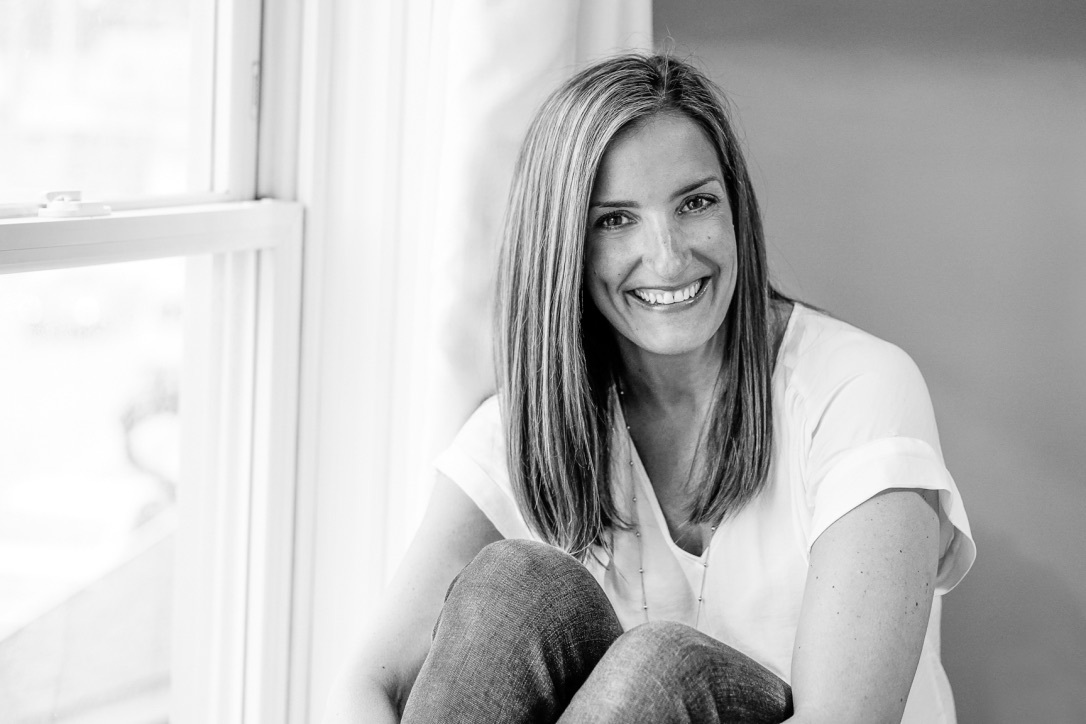
Meet Monisha
Monisha Longacre is the founder and CEO of Productivity 101, an award winning author, speaker, and fractional COO based in Atlanta. She works with individuals and organizations to improve how they manage time, energy, and focus through practical, sustainable systems.
The Quiet Cost of Doing It All
There was a time when Monisha Longacre was living what many would describe as a full life. She held a senior leadership role managing a major digital platform at The Weather Channel while raising two young children. Her husband traveled frequently for work, and her extended family lived in another state. Support was limited, but expectations were not.
Her days were tightly scheduled, her responsibilities layered, and her energy constantly stretched. From the outside, it looked like everything was in place. Internally, there was a different experience unfolding, one that was harder to name at the time.
“I didn’t start out as a productivity expert. I started as someone who was drowning in to dos, burning the candle at both ends, and wondering why doing it all never seemed to equal feeling accomplished.”
She was doing everything she believed she was supposed to do. Career, family, home, relationships, all of it carefully held together through effort and discipline. Yet the sense of completion she expected never fully arrived. There was always more to do, more to manage, more to carry forward into the next day.
The Question That Changed the Way She Saw Time
The shift began with a simple question asked over lunch. A colleague looked at her and asked how she managed to do it all. It was not framed as admiration or critique, just genuine curiosity.
At first, she responded without much thought. She had never really examined her process. But the question stayed with her long after the conversation ended.
In the days that followed, she began to look more closely at how she moved through her life. Some patterns were deeply ingrained. She had always been organized and disciplined. She kept lists, avoided procrastination, and valued structure. These traits had carried her far.
But there were also learned behaviors that had developed under pressure. As responsibilities increased, she had taught herself how to juggle competing priorities, how to stay focused under constant demand, and how to keep pushing forward even when her energy was low.
This reflection revealed something important. What appeared effortless from the outside was actually a carefully constructed system, built piece by piece over time. It was not accidental. It was practiced.
More importantly, she began to see where that system was failing her. It helped her accomplish tasks, but it did not protect her well being. It allowed her to meet expectations, but it did not always leave room for rest, reflection, or presence.
Learning to Let Go Without Losing Direction
The deeper realization came gradually. She began to understand that productivity, as she had been practicing it, was incomplete. It focused heavily on output but overlooked sustainability.
There was a cost to maintaining that pace. Sleep was inconsistent. Exercise was often postponed. Meals were rushed or skipped. These were not conscious sacrifices at first. They were simply the things that fell away when time felt limited.
Over time, the accumulation of these patterns led to burnout. It was not a sudden collapse, but a steady erosion of energy and clarity.
“I learned the hard way by trying to do it all and burning myself out. Over the years, I had to shift my mindset and rewire my thinking to find a way to keep up while maintaining my sanity.”
This shift required more than better time management. It required a change in how she defined success. She began to move away from the idea that doing more was always better. Instead, she started focusing on doing what mattered most, even if it meant letting other things go.
This was not an easy transition. Letting go can feel like failure, especially for someone who has built their identity around reliability and achievement. But she began to see that holding on to everything was not sustainable.
She practiced setting clearer boundaries. She learned to say no without over explaining. She allowed herself to leave some tasks unfinished when they did not align with her priorities. These were small changes on the surface, but they represented a deeper shift in perspective.
She was no longer trying to manage everything. She was learning to choose.
Building a System That Serves Life
As her understanding deepened, Monisha began to organize her insights into something more structured. She recognized patterns in what worked and what did not. She experimented with different approaches and refined them over time.
What emerged was a practical framework for productivity rooted in intention rather than volume.
“Through years of trial, error, and a lot of reading, I discovered that true productivity isn’t about cramming more into your day. It’s about being intentional with your time, energy, and attention.”
This idea became the foundation of her work. It shaped how she approached her own life and how she supported others.
She began sharing these insights more openly, first through conversations and informal guidance, and eventually through more structured platforms. Her book, Practical Productivity, reflects this philosophy. It is not about complex systems or rigid rules. It focuses on simple, repeatable practices that help people make better decisions about how they spend their time.
Her work as a fractional COO allows her to bring these principles into organizations. She helps leaders and teams identify inefficiencies, clarify priorities, and create systems that support both performance and well being.
At the same time, she developed priorigami, a task management app designed to simplify decision making. The concept is rooted in helping users focus on what truly matters each day rather than becoming overwhelmed by long, unstructured lists.
Across all of her work, the intention remains consistent. Productivity should support life, not take it over.
Helping Others Find Their Own Rhythm
One of the most meaningful aspects of Monisha’s work is the response she sees in others. When people begin to understand that they do not need to do everything to be effective, something shifts. There is often a visible sense of relief.
She is particularly drawn to supporting women, entrepreneurs, and professionals who feel the weight of competing responsibilities. Many of them are navigating similar challenges to those she once faced. They are capable, committed, and often overwhelmed.
Her approach is not to offer a single solution but to help individuals find what works for them. She encourages people to set clear goals and focus on a small number of meaningful tasks each day. This creates a sense of progress without the pressure of constant activity.
She also emphasizes the importance of perspective. Productivity is not just about managing time. It is about understanding what matters and making choices that reflect those priorities.
This way of thinking invites a more sustainable relationship with work and life. It allows people to remain engaged without becoming depleted.
Looking Ahead Without Standing Still
Monisha continues to evolve her work with the same curiosity that first led her to question her own habits. She is not interested in staying static. Each new project reflects a willingness to explore, learn, and adapt.
Her goals include expanding the reach of her ideas and connecting with more individuals and organizations who can benefit from them. She is also focused on continuing to build tools and resources that make productivity more accessible and practical.
There is a clear sense that her work is ongoing. It is shaped by experience, but it is also open to change.
At the core of this forward movement is a simple principle. Growth does not require perfection. It requires attention, intention, and a willingness to try again.
A More Human Measure of Success
Monisha Longacre’s journey offers a different way of thinking about productivity. It moves away from the idea of constant output and toward something more balanced and human.
Her work is not about doing less for the sake of ease. It is about doing what matters with clarity and purpose. It is about recognizing limits and working within them rather than pushing beyond them at any cost.
In the end, her perspective is grounded in a quiet but powerful belief. Life is not something to be managed through endless tasks. It is something to be experienced, shaped, and protected through thoughtful choices.
And perhaps that is the most meaningful shift of all.
This is for preview purpose only. It is unlisted and unindexed on the Internet
For More Features
Be Featured in The Real Edit!
Every story has the power to shape how we see innovation, leadership, and purpose. If you’re a founder, creator, executive, or changemaker with a journey worth telling , we’d be honored to help you share it.
To inquire about being featured:
Email us at: info@realedit.site
Follow The Real Edit