Meet Mark
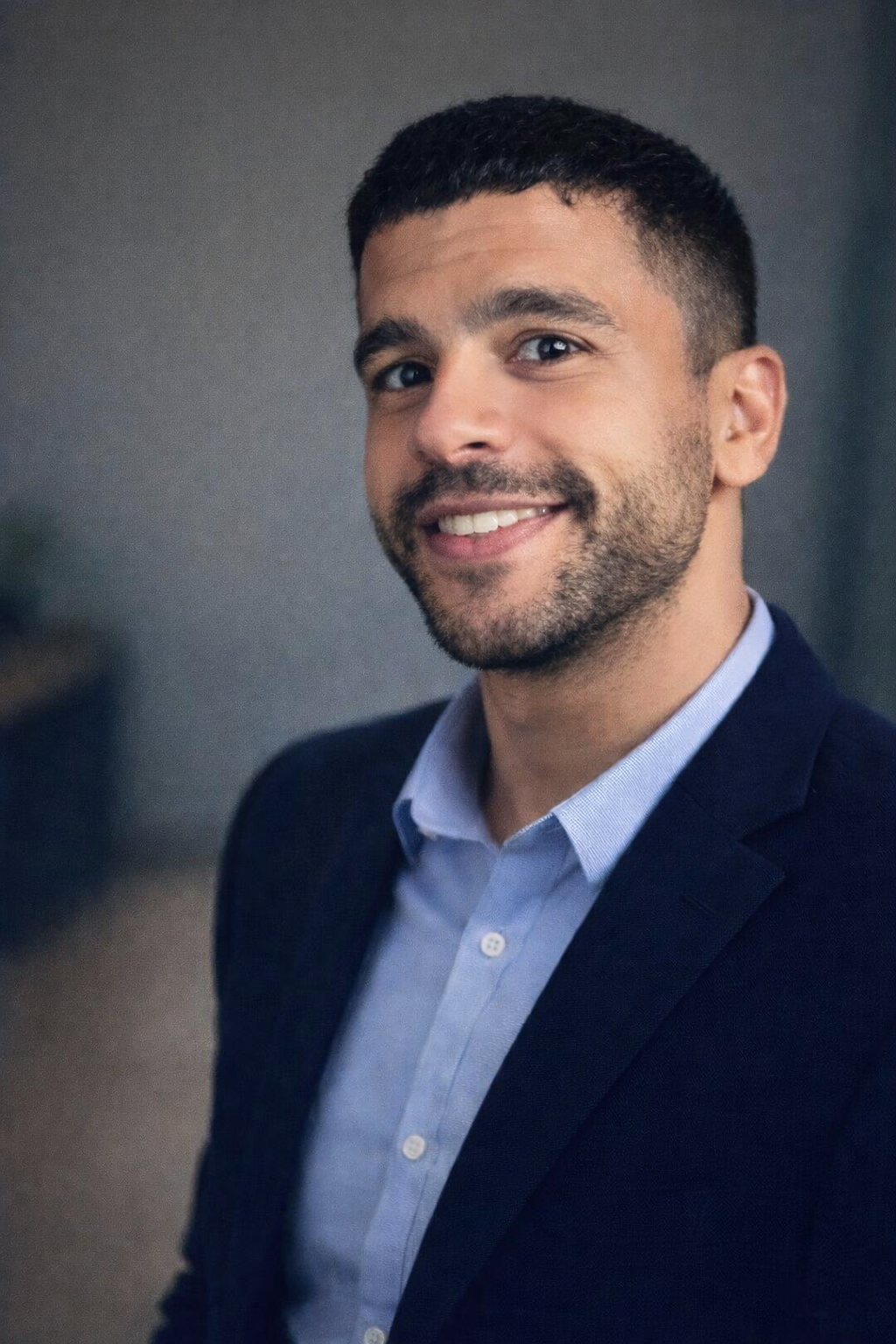
Mark Young is the founder of the LUOS Foundation and creator of the 78 Day Reset, a body first recovery framework focused on nervous system regulation, emotional healing, and human coherence. Based in Uckfield, his work draws from lived experience with trauma, recovery, and personal rebuilding, helping individuals reconnect with stability and inner rhythm through practical, embodied approaches to healing.
The Quiet Search for Safety
Some people build businesses because they want freedom. Others build them because they see a gap in the market. For Mark Young, the work emerged from something far more personal. His mission began with survival.
Long before he became known for nervous system recovery and human coherence, he was simply trying to understand why pain lingers in the body long after difficult experiences end. The question followed him through different seasons of life, through personal hardship, and through years spent rebuilding himself internally while the outside world continued moving as normal.
Today, Mark speaks about trauma with unusual calmness. There is no performance in the way he explains suffering. No dramatic language. No attempt to position himself as someone who has all the answers. Instead, there is a grounded understanding that healing is rarely linear and almost never begins in the mind alone.
“The body remembers long before the mind understands.”
That realization became the foundation of everything he would eventually create.
His work now centers on helping people who feel disconnected from themselves after prolonged stress, trauma, burnout, or emotional overwhelm. But underneath the frameworks and programs is a much simpler intention. He wants people to feel safe enough inside their own bodies to live clearly again.
Growing Up Learning Resilience
Mark was born in Bournemouth and raised within the foster care system. His early years shaped the way he would later understand trust, protection, and emotional survival. Stability was not something automatically given to him. It was something he had to learn to create internally.
Those experiences taught him lessons that many people do not encounter until much later in life. He learned early that people cannot always control what happens around them, but they can learn how to respond to it. That perspective became a central part of how he navigated adulthood.
Even as a teenager, he approached work with seriousness and discipline. At fifteen, he worked in a local café earning one pound an hour. It was not glamorous work, but it exposed him to human behavior in all its complexity. Service taught him observation. Hard work taught him patience. Human interaction taught him emotional awareness.
Over time, he became increasingly interested in what drives people beneath the surface. Why some individuals collapse under pressure while others adapt. Why certain emotional wounds remain active for decades. Why many people continue functioning outwardly while internally living in a constant state of stress.
These questions stayed with him long before he had language for nervous system regulation or somatic recovery. Looking back now, the foundations of his future work were already forming during those years.
His path was never about chasing status. It was about understanding survival, meaning, and restoration from a deeply human perspective.
When Trauma Became the Teacher
The defining turning point in Mark’s life came during a prolonged period of online harassment and defamation that lasted several years. What began as emotional pressure eventually became something much larger. It affected his sense of safety, identity, and nervous system stability in ways that were impossible to ignore.
For many people, digital harm is still treated as something abstract. But Mark experienced firsthand how sustained psychological stress reshapes the body itself. Sleep changes. Breathing changes. The nervous system remains alert even in quiet moments. Rational thought becomes harder to access because the body continues operating from survival.
Rather than shutting down completely, he became intensely curious about what was happening internally. He began studying the connection between emotional trauma, physiological response, memory, and healing. The deeper he explored, the clearer it became that traditional approaches often focused too heavily on mindset while ignoring the body’s role in unresolved trauma.
What he discovered changed the direction of his life.
The body could not simply be convinced to move on. It had to feel safe enough to release what it was holding.
That understanding became the seed for the LUOS Foundation and eventually the 78 Day Reset. Instead of treating symptoms as isolated problems, Mark began viewing them as signals that the system itself had lost alignment.
His approach moved away from the idea of fixing broken people. He believed many individuals were not broken at all. They were overwhelmed, dysregulated, disconnected, or emotionally exhausted from surviving experiences they never properly processed.
This shift also transformed the way he viewed peace. For him, healing was not about becoming untouched by hardship. It was about learning how to integrate difficult experiences without allowing them to define identity forever.
“Real peace is not the absence of struggle. It is the integration of everything we’ve survived.”
That philosophy now sits at the heart of his work.
Creating LUOS
The LUOS Foundation was built from lived experience rather than theory. Mark did not create the framework from a distance. He built it while navigating his own recovery and searching for practical ways to restore stability within himself.
At the center of the work is the 78 Day Reset, a structured recovery process designed to help individuals regulate the nervous system and reconnect with their internal rhythm. The framework follows a gradual sequence that focuses on stabilization before transformation.
Rather than forcing change through pressure or constant mental analysis, the process encourages the body to feel safe enough for deeper healing to occur naturally.
The sequence follows five stages: stabilize, regulate, release, rebuild, and integrate. Each phase supports a different aspect of recovery, allowing individuals to move without overwhelm or emotional force.
Mark often describes his work as helping people return to physiological truth. In practice, this means helping individuals reconnect with the signals, instincts, and rhythms that prolonged stress often disrupts.
His clients include founders, therapists, creatives, and high performers who outwardly appear successful but internally feel disconnected or exhausted. Many arrive after years of trying to think their way out of burnout while ignoring the condition of their nervous systems.
What makes Mark’s approach distinct is that he does not position healing as something dramatic or mystical. Even though some people describe his work in spiritual terms, his focus remains deeply human and practical. He creates environments where people can slow down enough to reconnect with themselves honestly.
He believes modern culture often rewards dissociation. Constant productivity, overstimulation, emotional suppression, and digital noise can push people further away from their own bodies. Over time, many individuals lose the ability to recognize what safety even feels like internally.
His work attempts to reverse that process gently.
Through speaking engagements, recovery frameworks, and one on one sessions, Mark continues exploring the relationship between trauma, biology, emotional memory, and personal identity. He speaks openly about the need for deeper conversations around digital trauma and the long term psychological effects of online harm, subjects he believes society still underestimates.
His message is not centered on perfection or self optimization. It is centered on reconnection.
Human Coherence in a Disconnected World
Over the years, Mark’s ideas around healing evolved into a broader philosophy he calls Human Coherence. At its core is the belief that people function best when their internal systems are aligned rather than fragmented.
Modern life often pulls individuals into constant reaction. Endless information, emotional overload, social comparison, and chronic stress create disconnection between mind, body, and emotional truth. Many people continue operating successfully on the outside while internally feeling numb, anxious, or detached from themselves.
Mark believes this disconnection eventually surfaces through symptoms the body can no longer hide.
Instead of seeing those symptoms as failures, he views them as communication.
He often describes emotional pain as the body’s attempt to bring attention back to what needs care, honesty, or integration. In this sense, symptoms become less about malfunction and more about misalignment.
This perspective has resonated particularly strongly with people navigating burnout or prolonged emotional exhaustion. Many of the individuals who seek his work are not incapable people. They are often highly capable individuals who spent years overriding their own nervous systems in order to survive pressure, responsibility, or unresolved trauma.
Mark’s role is not to rescue them. It is to help them reconnect with themselves.
His philosophy also reflects a broader shift happening within conversations around wellness and mental health. Increasingly, people are recognizing that healing cannot always happen through intellectual understanding alone. The body carries memory in ways science is only beginning to fully explore.
For Mark, this understanding is deeply personal. Every framework he teaches was shaped through lived experience first.
Looking Ahead With Purpose
As the LUOS Foundation continues growing, Mark remains focused on creating systems that feel sustainable, structured, and deeply human. He wants the work to remain accessible to people who are quietly struggling beneath functional lives.
His long term vision is not about building a personal brand around healing. It is about contributing to a broader understanding of how trauma affects the body and how people can recover without shame.
Part of that vision includes expanding conversations around nervous system health, emotional integration, and the impact of prolonged digital stress. He believes society is only beginning to understand how deeply modern environments affect human physiology and emotional well being.
At the same time, his work continues returning to a simple idea: people deserve spaces where they can reconnect with themselves honestly.
The future of LUOS appears less focused on rapid expansion and more focused on depth. Mark speaks often about creating work that lasts, work grounded in truth rather than performance. That same philosophy shapes the way he approaches leadership and personal growth.
He continues waking up each day with a mindset centered on gratitude, self respect, and internal clarity. The advice he returns to most often is remarkably simple.
“Be kind to yourself so your mirror reflects it back to you every day.”
The Strength in Integration
There is a quiet honesty in the way Mark Young speaks about healing. He does not promise that pain disappears completely or that transformation arrives instantly. Instead, he speaks about integration, about learning how to carry experience without allowing it to consume identity.
His story is not one of avoiding hardship. It is the story of someone who moved through it carefully enough to uncover meaning within it.
From foster care to entrepreneurship, from emotional survival to helping others reconnect with themselves, his path has consistently centered on one question: what allows a human being to feel whole again after fragmentation?
For Mark, the answer is not found in perfection. It is found in coherence. In learning to listen inwardly again. In rebuilding trust with the body. In remembering that survival alone is not the end goal.
The deeper goal is returning to yourself with honesty, clarity, and compassion intact.
For More Features
Be Featured in The Real Edit!
Every story has the power to shape how we see innovation, leadership, and purpose. If you’re a founder, creator, executive, or changemaker with a journey worth telling , we’d be honored to help you share it.
To inquire about being featured:
Email us at: info@realedit.site
Follow The Real Edit