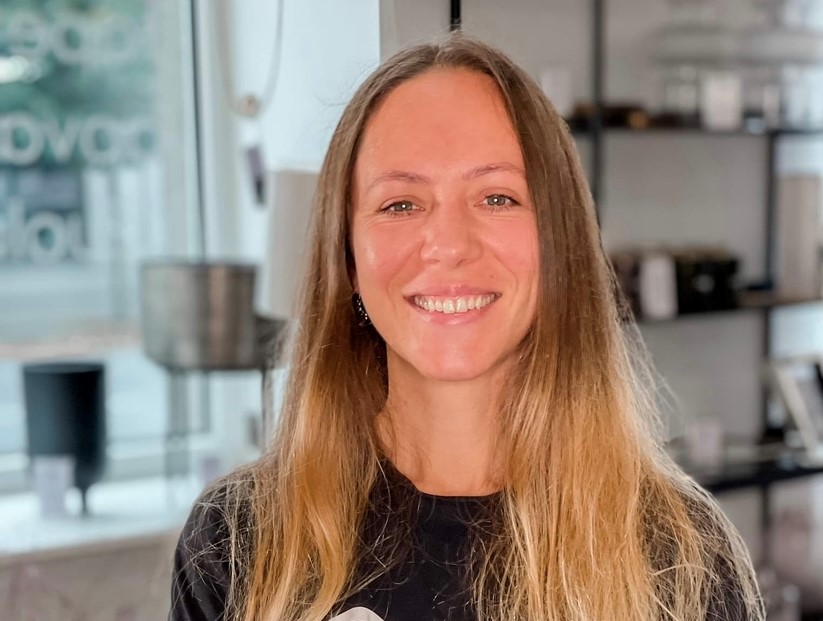
Meet Lina
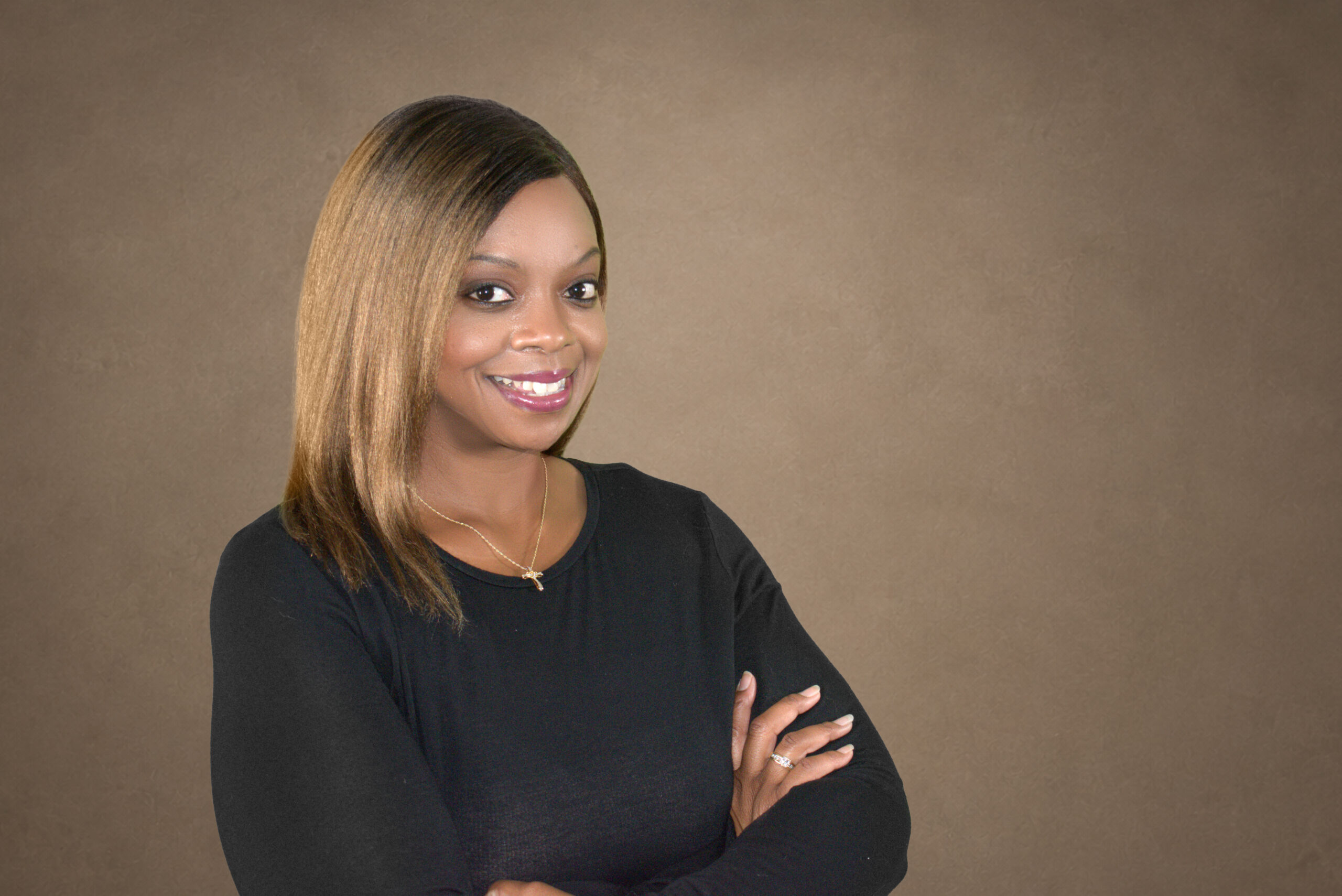
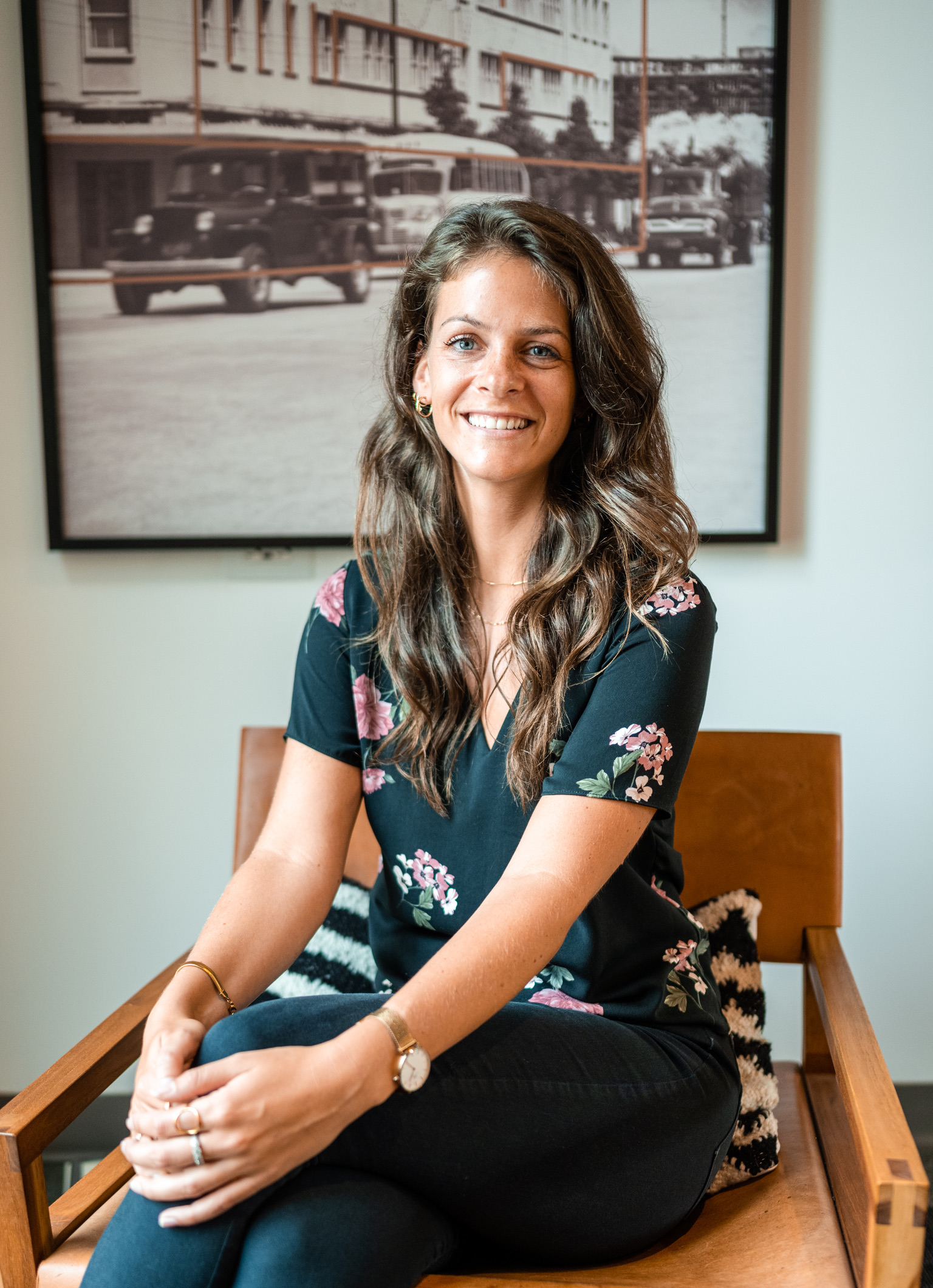
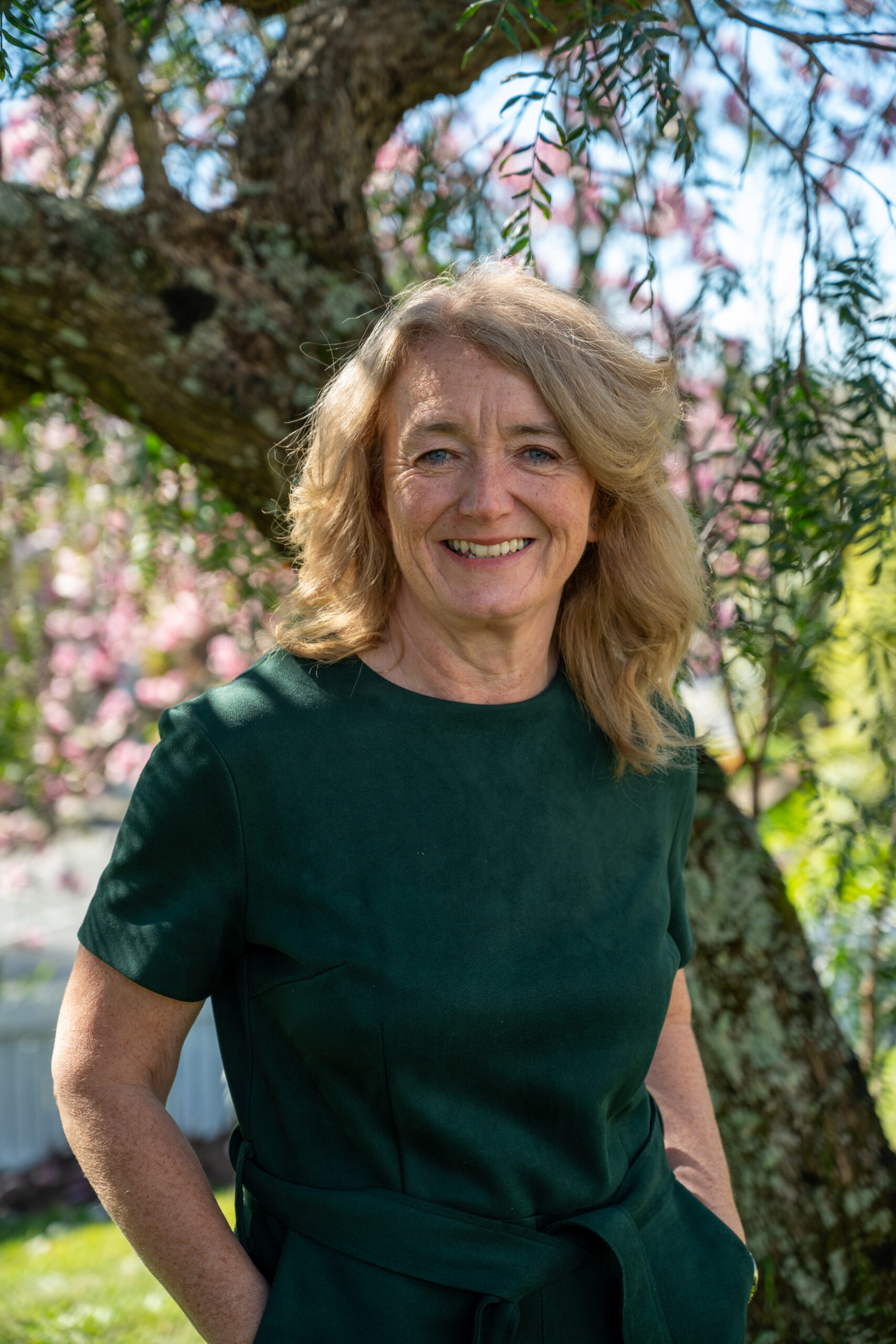
Lina Jan is an emotional intelligence trainer and coach based in Wales, United Kingdom. With a background in psychology and ongoing postgraduate study in psychedelics, mind, medicine, and culture, she works with individuals and organisations to explore sustainable wellbeing through a holistic, experience-based approach.
A Quiet Return to What Was Always There
There is a particular kind of work that begins not with ambition but with a quiet recognition. It does not arrive all at once. It unfolds slowly, often unnoticed, shaped by curiosity and a persistent sense that something about the way we live is incomplete.
For Lina Jan, that recognition has been building for most of her life. It shows up in the questions she asks, the spaces she creates, and the way she listens. Her work today is not simply about emotional intelligence or coaching. It is about helping people remember parts of themselves they were taught to set aside, and gently guiding them back into a more whole way of being.
The Interest That Refused to Disappear
Her journey began with a quiet interest in psychology, one that did not fit easily into the environment she grew up in. At the time, conversations around mental and emotional life carried a weight of stigma. It was easier, and more acceptable, to look away.
She did, for a while.
When she moved to the United Kingdom, it was not with a clear plan but with a sense that time and distance might create space for clarity. What she found instead was that the interest she had once set aside did not fade. It became stronger, more insistent.
Studying psychology was not a straightforward decision. It took her ten years to complete her undergraduate degree while working and managing the demands of daily life. It was not a linear path, but it was a steady one.
In those early academic years, she found herself drawn deeply into what she now recognises as a limited perspective. The frameworks she studied were presented as objective and universal. Like many students, she accepted them as truth.
At that time, her curiosity lived largely in theory. She was fascinated by the complexity of the human mind, particularly its more difficult and darker dimensions. Yet something about applying that knowledge in real life felt distant, almost uncomfortable.
It would take time for her to understand why.
When Certainty Begins to Shift
The turning point did not come as a single dramatic moment. It emerged gradually, through a series of experiences that quietly disrupted what she thought she knew.
One of the earliest shifts came through an unexpected place. What began as a simple desire to learn a physical skill in yoga turned into something else entirely. For months, instead of movement, she was guided to focus only on her breath. It felt confusing at first, even frustrating.
Then something changed.
“I remember forcing my body into a pose and being told to stop pushing and use my breath instead. When I finally did, something shifted. It was the first time I truly experienced that I did not understand as much as I thought I did.”
That moment stayed with her, not because of the pose itself, but because of what it revealed. There was a different way of understanding the body and mind, one that could not be reduced to theory or observation alone. It had to be experienced.
Around the same time, her personal life brought its own form of learning. A relationship that challenged her deeply became an unexpected teacher. It brought her face to face with parts of herself she had not fully seen before.
Instead of reinforcing judgement, it softened it.
She began to understand that human behaviour, including her own, could not always be neatly categorised or explained. It required compassion, patience, and a willingness to sit with complexity.
These experiences opened the door to something she had not previously considered. The idea that the dominant frameworks she had studied were not universal truths, but only one way of seeing the world.
Beyond the Individual
As her perspective expanded, so did her questions. She began exploring spaces outside traditional academic psychology. Yoga, breathwork, indigenous philosophies, and different metaphysical frameworks offered new ways of understanding wellbeing.
What she found was not a rejection of science, but a recognition of its limits.
The more she learned, the more she saw that focusing only on the individual, detached from their environment and relationships, could not fully explain human experience. Nor could it create lasting wellbeing.
Her understanding began to shift from a purely individual focus to something more interconnected. The individual, the community, and the systems people live within all shape each other.
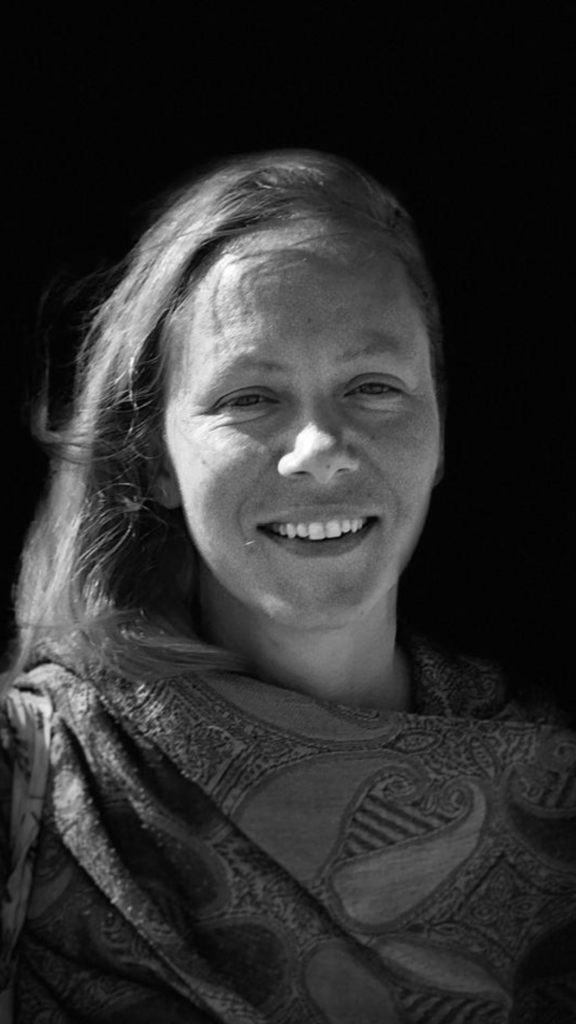
“I realised that we do not have to suffer as much as we have been taught to accept. Not completely free of it, but not to the extent that it defines our lives.”
This realisation did not come with a sense of certainty or finality. Instead, it brought a deeper sense of responsibility. If suffering is not inevitable in the way it is often presented, then there is space for change.
Choosing a Different Path
Letting go of long-held beliefs is rarely easy. For Lina, it meant stepping away from a path she had once imagined for herself.
She had once seen her future within academia, studying and analysing human behaviour from a distance. Over time, that vision no longer felt aligned with who she was becoming.
Her interest shifted from understanding problems to supporting wellbeing in a more direct and lived way. It was not a sudden decision, but a gradual movement toward something that felt more honest.
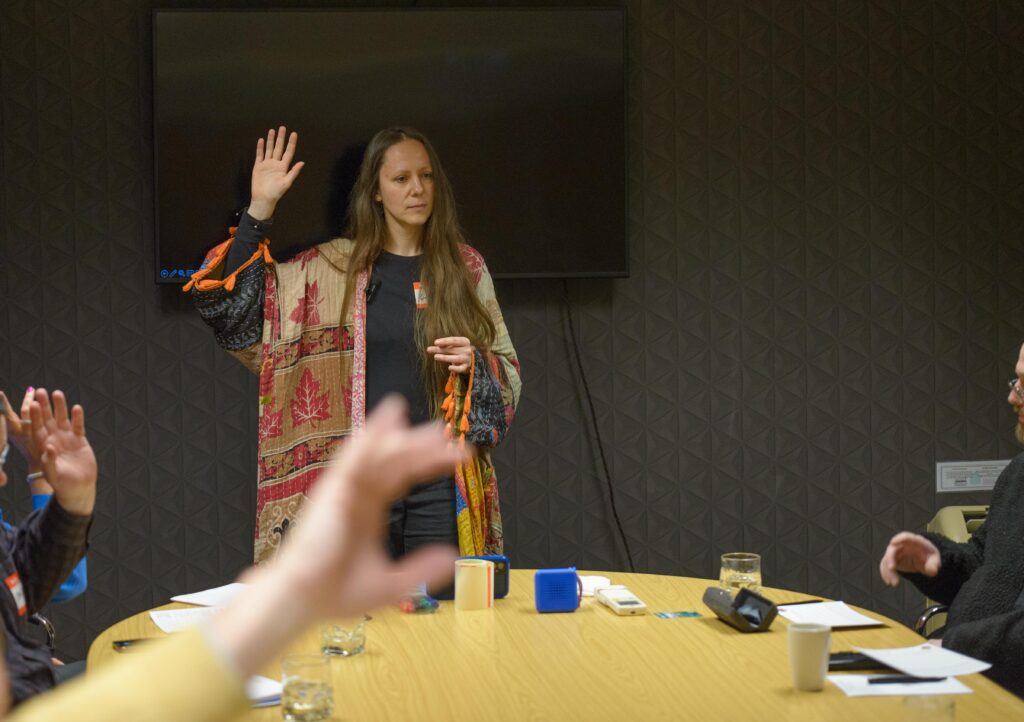
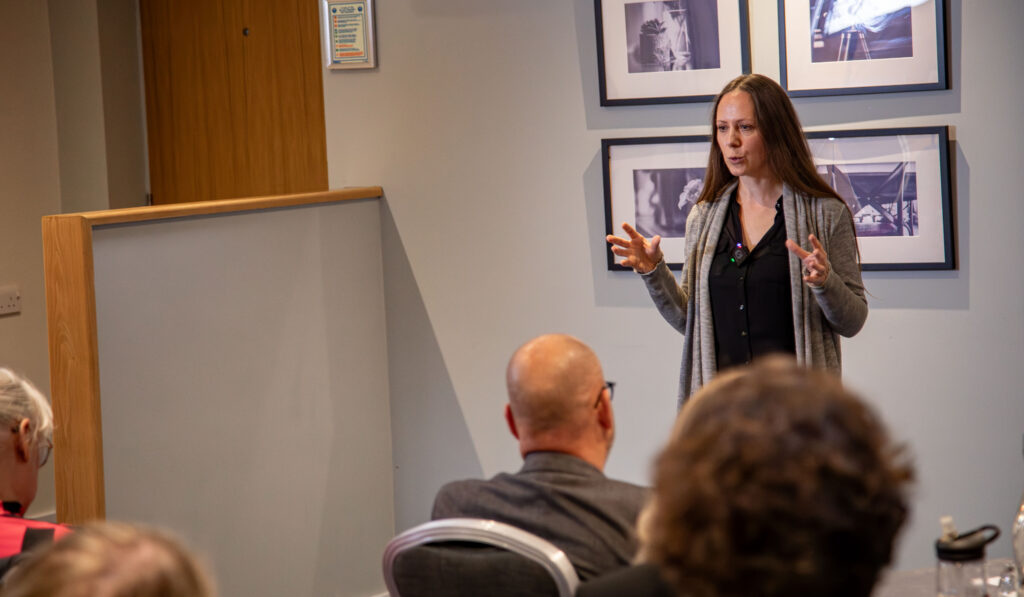
Today, her work brings together different strands of her learning. As a coach, trainer, and facilitator, she creates spaces where individuals and groups can explore their experiences more fully.
Her approach is grounded in both knowledge and practice. She integrates psychological understanding with breathwork, movement, and reflective inquiry. The goal is not to provide answers, but to create environments where people can discover their own.
Creating Spaces That Feel Safe to Be Human
At the heart of Lina’s work is a simple but often overlooked idea. People need spaces where they can be fully human without feeling the need to hide or fragment parts of themselves.
This is not always easy in environments shaped by performance, productivity, and expectation.
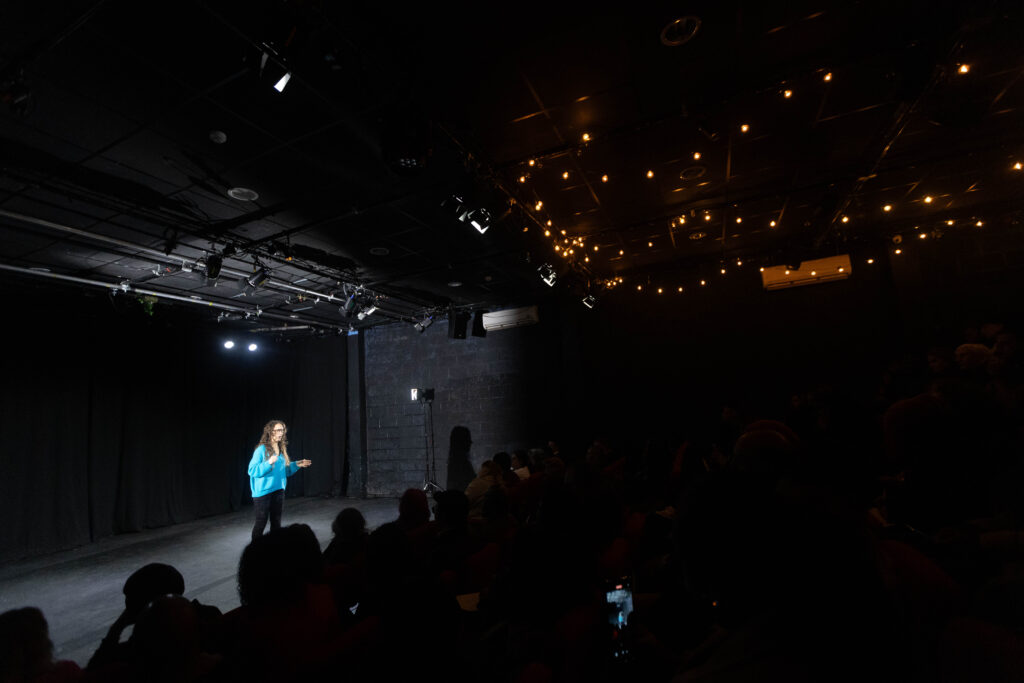
Her work with individuals focuses on helping them reconnect with themselves in a more compassionate and integrated way. It involves exploring emotions, patterns, and beliefs, not as problems to fix, but as parts of a larger whole.
In group and organisational settings, she brings a similar approach. Through workshops and experiential sessions, she introduces ways of understanding the nervous system, stress, and emotional dynamics that go beyond surface-level solutions.
Rather than offering quick fixes, she encourages a slower, more sustainable process of learning and unlearning.
Her sessions often include practices that invite people out of constant thinking and into direct experience. Breathing, movement, and shared reflection become tools for connection, both with oneself and with others.
The Work Beneath the Work
What makes Lina’s approach distinct is not just what she does, but how she sees the relationship between personal and professional life.
She does not view them as separate.
For her, the idea that people can divide themselves into different parts depending on context is one of the underlying causes of stress and disconnection. When individuals feel they must leave parts of themselves behind in order to function, it creates a quiet but persistent tension.
Her work challenges that assumption by inviting people to bring more of themselves into the spaces they occupy.
This does not mean removing boundaries. It means recognising that authenticity and professionalism are not opposites.
It also means acknowledging that wellbeing is not something that can be addressed in isolation from the systems and environments people are part of.
A Vision Rooted in Community
Looking ahead, Lina’s vision extends beyond individual transformation. While personal work is an important starting point, she sees it as part of a larger movement toward rebuilding community.
Her long-term goal is to create spaces where people can come together not only to learn, but to experience what it feels like to exist in connection with others.
These spaces might take the form of group practices, shared learning environments, or creative gatherings. What matters is the sense of belonging and mutual support they foster.
Over time, she hopes these smaller communities will grow and intersect, gradually shifting the way people relate to each other and to the world around them.
It is a vision that does not rely on grand gestures or rapid change. Instead, it is rooted in small, consistent actions that create ripple effects over time.
Continuing to Learn Without Arriving
Despite the depth of her work, Lina does not position herself as someone who has reached a final understanding.
Her current studies in psychedelics, mind, medicine, and culture continue to expand her perspective. They challenge her to question assumptions and remain open to new ways of seeing.
She approaches her role with a sense of humility, recognising that each person’s experience is unique and cannot be fully understood from the outside.
This openness is not a lack of direction. It is a conscious choice to remain curious.
A Different Measure of Success
For Lina, success is not defined by titles, recognition, or measurable outcomes. It is something quieter and more personal.
It is the ability to live in a way that feels aligned with her values, even when it is difficult.
It is the sense that her work contributes, even in a small way, to reducing unnecessary suffering.
And it is the knowledge that she is part of something larger than herself.
Closing Reflection
There is a certain kind of leadership that does not seek to stand at the front, but to create space for others to find their own way. It is not about having the answers, but about holding the questions with care.
Lina Jan’s work lives in that space. It is shaped by curiosity, grounded in experience, and guided by a belief that people are capable of more connection, more understanding, and more ease than they have been led to believe.
In a world that often rewards certainty, her work is a reminder of the value of staying open.
For More Features
Be Featured in The Real Edit!
Every story has the power to shape how we see innovation, leadership, and purpose. If you’re a founder, creator, executive, or changemaker with a journey worth telling , we’d be honored to help you share it.
To inquire about being featured:
Email us at: info@realedit.site
Follow The Real Edit