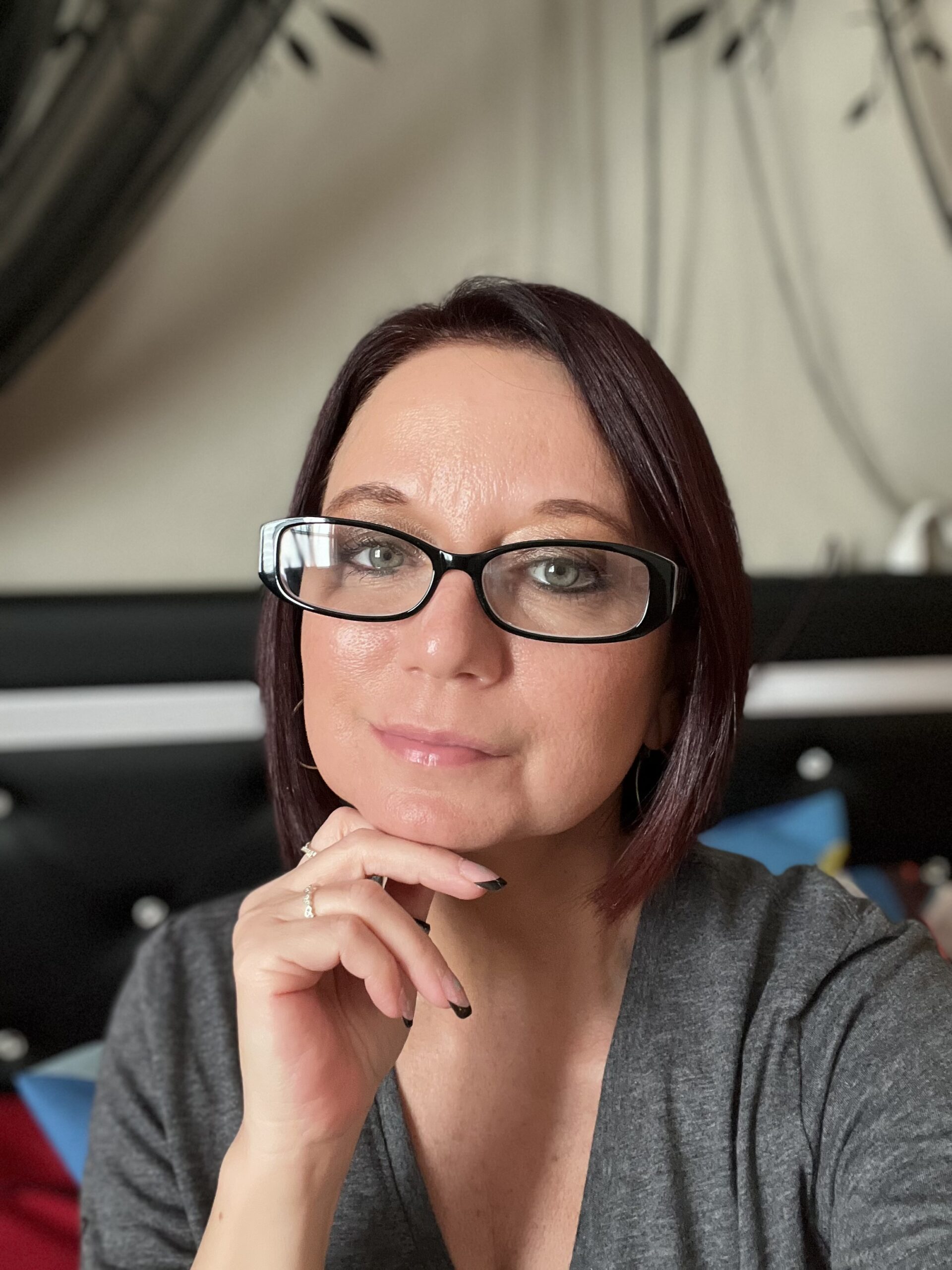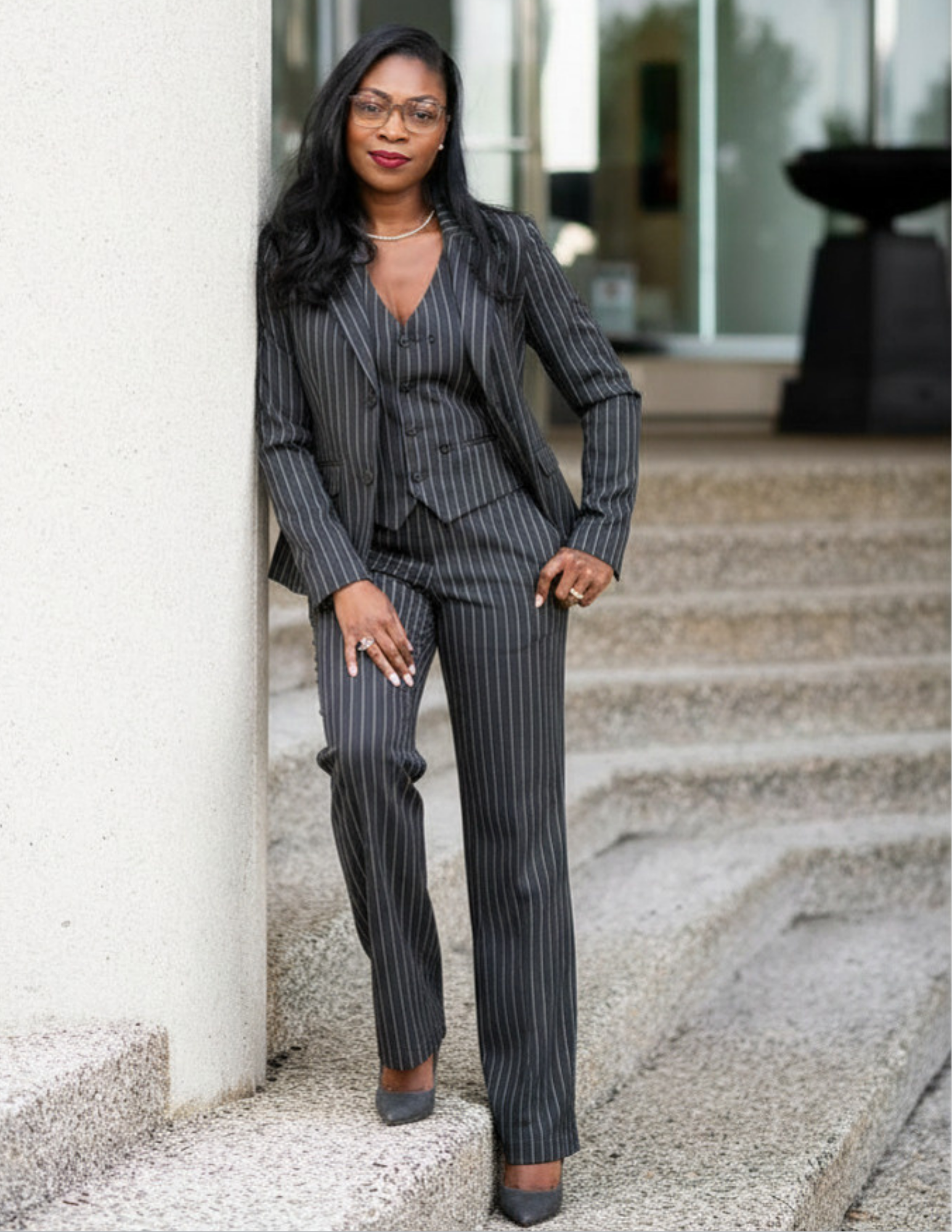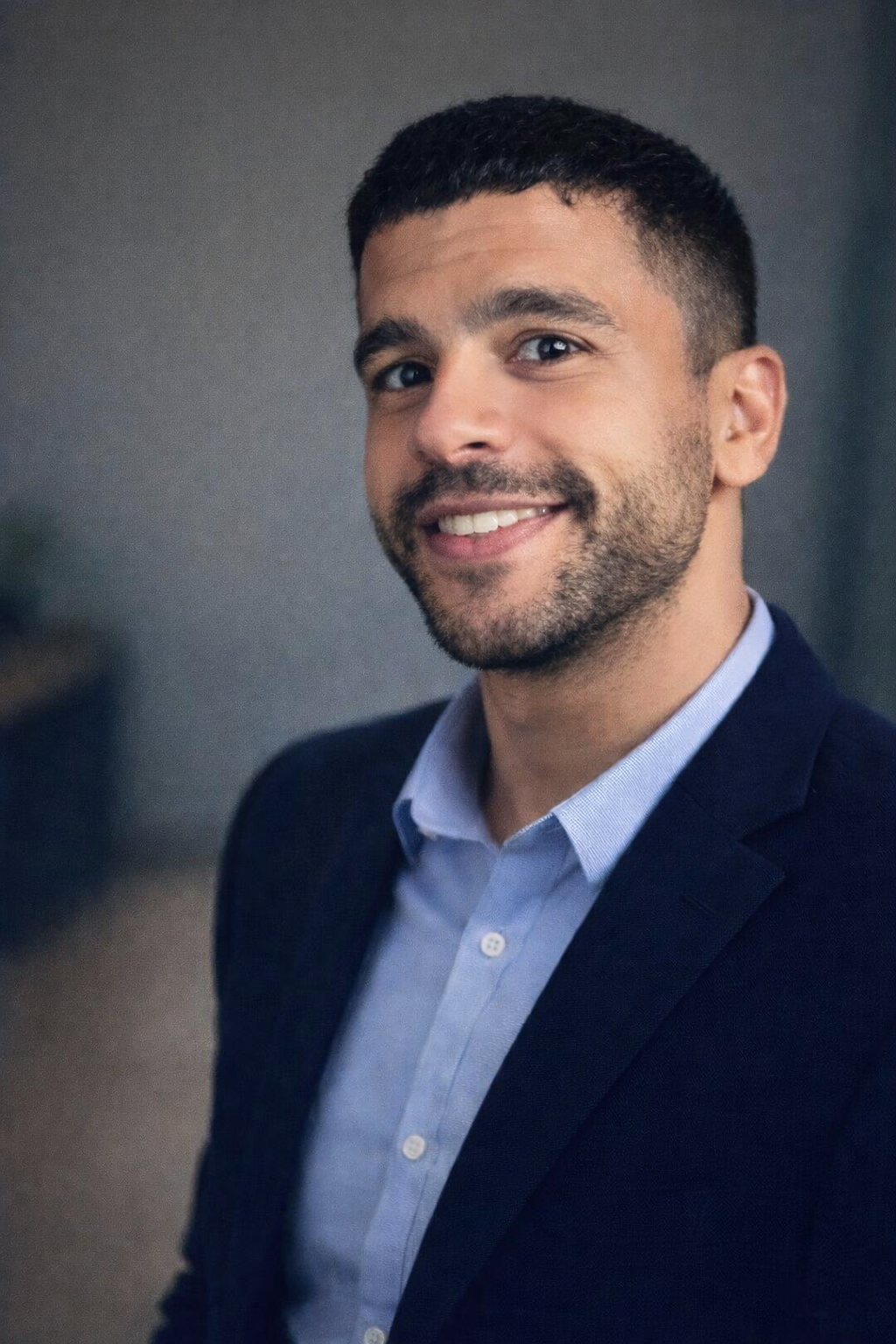
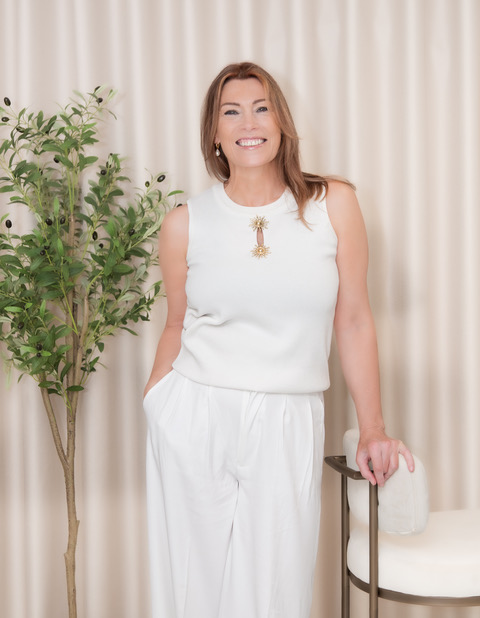
Kate Whelan has spent more than twenty-five years working with voice and sound.
Millions of people have heard her without ever knowing her name. Her voice has carried messages for organisations including Google, Emirates and the United Nations, and over the years she has developed an instinctive understanding of something that is difficult to quantify: how a voice can make another human being feel something.
The words themselves are only part of it. Tone, rhythm, silence and resonance can change how a message lands. A voice can reassure, move, excite or create trust before we have consciously considered why.
For most of Kate’s career, she was the invisible person behind that voice, and for a long time that suited her rather well. Beneath a successful career in voiceover, presenting and broadcasting was somebody who had spent much of her life performing in another sense too.
Today, that story has taken Kate somewhere she could never have predicted. Through Animal Frequency, her work now brings together the human voice, our relationship with the animal kingdom and a question that feels increasingly important as our lives become more artificial: what happens to us when we become so busy performing our lives that we are no longer fully present for them?
A Life of Performance
Performance had been part of Kate’s world long before she stepped into a voiceover booth. She trained as an actor and moved into broadcasting before building the voiceover career that would eventually take her voice around the world. She learned to read a room, find what was required and deliver it. Perfectionism could look remarkably like professionalism, and in many ways it served her well.
There was another side to it, though. When you spend years looking outside yourself for cues about how well you are doing, part of your attention is always turned back on you. How am I coming across? Is this right? Could I do it better? Am I enough?
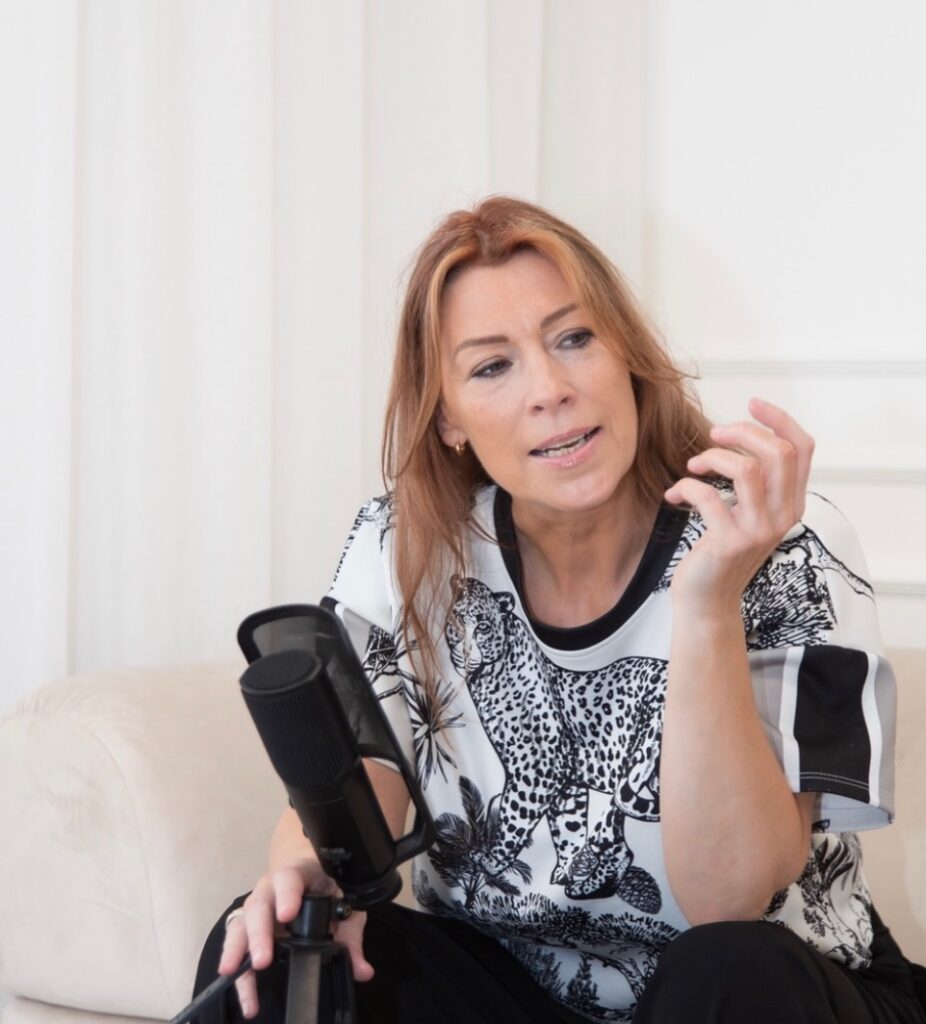
Kate became very good at adapting, polishing and getting things right, while underneath it all her own sense of worth was much less certain. Voiceover offered an almost perfect hiding place. She could be heard by millions of people while remaining physically unseen, stepping into a booth and putting all of that sensitivity to tone, feeling and nuance into somebody else’s message.
What she did not yet understand was how much energy could be consumed by constantly monitoring and correcting yourself, or how much of life could pass unnoticed when part of your attention was always occupied with your own performance. If you are not fully present for what is happening around you, there is a great deal you may never properly notice, absorb or experience.
When the World Became Bigger
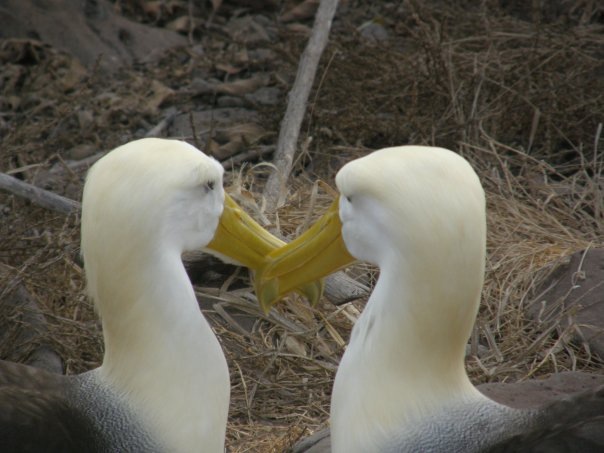
Kate had always felt an affinity with animals. They were not a new interest or something she discovered when she began speaking. But a journey to the Galápagos came at a particular point in her life, and something about being immersed in that world opened up far more than she expected.
She found herself completely absorbed in what was around her, watching, listening and taking in the sheer strangeness and beauty of other lives carrying on around her. Instead of analysing herself or wondering how she was coming across, her attention had shifted outwards.
There was awe and wonder in it, but also an extraordinary sense of aliveness. For once, Kate wasn’t trying to make an impression or improve the moment. She was actually in it.
It was only afterwards, reflecting on why the experience had affected her so deeply, that she began to recognise something else. Some of the moments in which she had felt most completely herself were the ones in which she had been thinking about herself the least. Without the usual performance, there was nothing constantly reflecting back that she needed to be different, and what remained was a surprisingly uncomplicated acceptance of who she was.
The animals had not done anything for her. They were simply living their own lives, but being in their presence had changed the way Kate experienced hers. What had always been an affinity began to feel like something deeper, a fascination and connection she felt increasingly called to follow.
That made her curious. Why did these encounters affect her so profoundly? What was happening in those moments of connection, and might paying closer attention to the animal world reveal something about the way we ourselves were living, relating and experiencing the world around us?
What We Notice When We Stop Watching Ourselves
Kate travelled further into the animal world, spending time around wildlife and rescued animals. Simply seeing an animal was no longer enough; she wanted to understand what was actually happening in front of her, and what might be passing between animals that human beings simply weren’t noticing.
The more she looked, the more she noticed how much of our attention in the human world is turned back towards ourselves. We curate, explain, anticipate and react, increasingly aware of how we might appear to other people. Even experiences can become things to capture and present before we have fully experienced them ourselves.
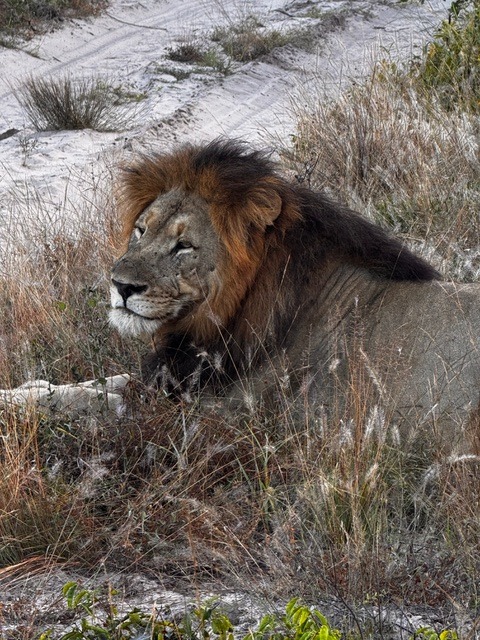
Around animals, Kate found her attention moving in the opposite direction, towards another life and what was actually happening in front of her. That distinction mattered, because presence wasn’t simply about becoming calmer. It determined how much of the world she was available to receive. When we are present, we notice and absorb more. There is room for curiosity, learning, awe and wonder, and ultimately for connection.
Returning to Sound
Perhaps the most unexpected part of Kate’s journey is that it has eventually brought her back to sound, the place where her professional life began. After more than twenty-five years working with the human voice, her growing interest in animal acoustics has taken her fascination with tone, resonance, frequency and silence into an entirely different world.
For years, she has understood instinctively that a vocal message is more than a collection of words. Something is carried in a voice, and we respond to rhythm, tone and resonance, often before we have consciously processed what has been said.
The animal world has opened that fascination much wider. Animals inhabit sensory worlds that overlap with ours but are not identical to them, communicating through sound, vibration, movement, scent and frequencies that may lie beyond the limits of human perception. There are conversations and signals taking place around us that we may not even know are happening.
Kate is now undertaking postgraduate study in animal acoustics, following that curiosity into the science of how other species use sound and how much of their communication exists beyond ordinary human perception. What began as a powerful feeling of connection has become a fascination with the rich and complex ways animals communicate, relate to one another and experience worlds that overlap with ours, but are not the same as ours.
There is something almost circular about it. Kate’s career began with listening for the resonance in a human voice and understanding how a message reaches another person. Now she is listening much more widely.
What Does It Mean to Be Alive in an Artificial Age?
That enquiry is unfolding at a remarkable moment. Artificial intelligence can already generate words, voices, images and increasingly convincing versions of human expression. It can help us present ourselves more fluently, efficiently and perfectly than ever before.
Kate is not interested in positioning the animal kingdom as an antidote to technology, nor does she believe the answer is to retreat nostalgically from an artificial world. What interests her is what all of this asks of us. If the surface of human expression can increasingly be reproduced, perhaps the more interesting question is what happens underneath it: our capacity to feel, to be curious, to tolerate uncertainty and to experience awe and wonder without immediately needing to capture, explain or turn those experiences into something useful.
For organisations, this is not an abstract question. A workforce that has learned to perform engagement rather than feel it, a leadership team fluent in the language of culture but running on decision fatigue, a room full of people present in body and elsewhere in attention: these are the everyday costs of a world that rewards the appearance of presence over the thing itself. Kate’s work asks what changes, in a person and in a room, when that performance is allowed to drop.
For Kate, these questions reach far beyond the workplace, because they concern the way we are living. We can become extraordinarily accomplished at producing a version of life while becoming less available for the experience of actually being alive. This is why the animal kingdom has become so central to her work. It is not because animals hold the answers to human problems, but because being in relationship with another living being asks something very different of our attention. When we pay attention, we notice more, and more of the world becomes available to us.
The Maiden Flight
These ideas run through Kate’s keynote, The Maiden Flight, which grew from her own experience of performance, perfectionism and the years she spent waiting to feel sufficiently ready.
There is a particular kind of safety in preparation. We can convince ourselves that one more qualification, another rehearsal or a little more certainty will finally make us ready to step forward. Kate knows how seductive that can be, and her own transition from being the invisible voice behind other people’s messages to standing on a stage with something of her own to say has required her to confront it.
The Maiden Flight explores what can happen when we step off before we feel entirely ready and loosen our grip on the need to control how we will be received. That does not mean abandoning standards or preparation; Kate’s professional life has been built on both. It means recognising when perfectionism has stopped helping us prepare and started preventing us from participating fully in our own lives.
For Kate, this is where presence becomes much more than a fashionable idea about slowing down. Being present makes us more available to notice, learn and respond to what is actually happening around us, and it creates the possibility of genuine connection. Sometimes it also allows us to discover that the version of ourselves we were so busy trying to perfect was never the prerequisite for beginning.
Bringing the Animal Kingdom Into the Room
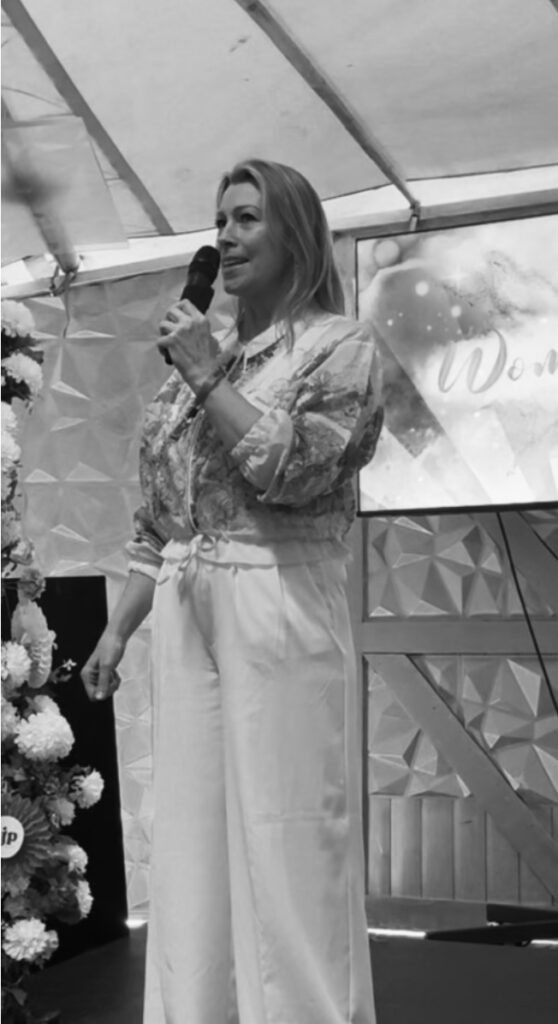
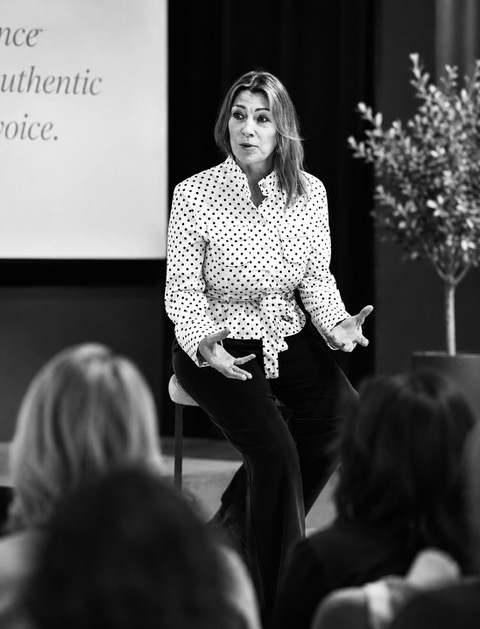
As a keynote speaker, Kate now takes stories from her encounters with animals into conferences, organisations, summits and other spaces where the animal kingdom is not necessarily expected to appear. Her talks explore presence, aliveness and connection through a perspective audiences are unlikely to have encountered in quite this way before.
She is careful not to turn a lion into a lesson about courage or an elephant into a model for leadership, because the animal remains an animal.
What interests Kate is what happens when people are invited to become genuinely curious about another living being. After decades behind a microphone and now on stage, she knows there is a difference between a room being entertained and a room being reached, and she knows the sound of both.
Stories can take people briefly beyond the relentless circulation of their own thoughts and into another world. They can create wonder, surprise and the kind of silence that comes when people are genuinely absorbed. They can also make something that once felt distant suddenly feel much closer, and that matters for reasons that extend far beyond our own wellbeing.
Connection Before Protection
Ultimately, there is another reason Kate wants Animal Frequency to grow, and that is the animals themselves.
Conservation is often communicated through information about population decline, habitat loss, extinction risk, biodiversity and the consequences of human behaviour. Science is indispensable in understanding those realities, and Kate is deeply respectful of the researchers, conservationists and communities doing that work.
Knowledge and care, however, are not quite the same thing. We can know that a species is threatened without feeling any relationship with the individual lives behind the statistic, just as we can understand intellectually that biodiversity matters while experiencing the natural world as something distant from our everyday lives.
Kate believes stories can help close that distance because we protect what we care about, and care grows through relationship.
That relationship does not have to begin on the other side of the world. The animal kingdom is not somewhere we travel to; it is around us. It might begin with the bird outside a window, an animal with whom we share our home, the creatures living in our towns and cities, or an animal we have previously encountered only as a product, nuisance or category rather than as a living being.
Kate is interested in what happens before somebody is asked to protect something. What happens when they notice an animal they had previously overlooked, become curious about its life or begin to feel some relationship with it? For her, this is where connection can gradually become care, and care can become stewardship.
Listening Where Lives Meet
Stewardship does not mean romanticising the relationship between humans and animals. In many parts of the world, living alongside wildlife can carry enormous costs. Human-wildlife conflict sits at the intersection of conservation, livelihoods, land, food security, fear and survival, and Kate wants to spend more time understanding and documenting those complexities.
She is particularly interested in communities living alongside wildlife in parts of Africa, India and Sri Lanka, and in the knowledge held by people whose daily relationship with animals is very different from that of a visitor. Some of the conservation voices we most need to hear may already exist within those communities, particularly among younger people growing up alongside the animals whose futures are being debated elsewhere.
Kate’s intention is to listen rather than arrive with answers. Her experience as a broadcaster, voice artist and speaker gives her the means to carry stories beyond the places in which they originate and, she hopes, help bring voices and perspectives that are too often distant from the rooms where decisions are made into wider attention.
Animal Frequency
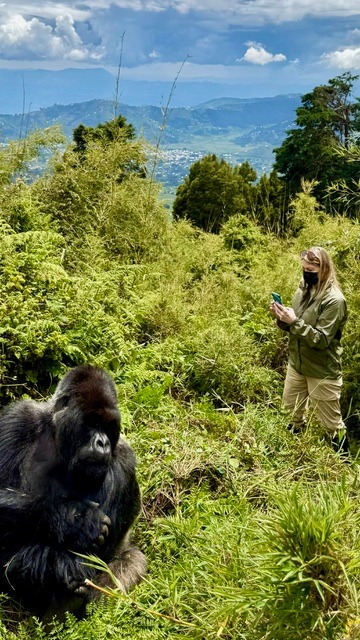
Animal Frequency is still evolving, which Kate sees as part of its integrity. It brings together strands of her life that once seemed entirely unrelated: a career built around voice and sound, a lifetime of performing, the experience of discovering what it felt like to be fully present, a deepening relationship with animals, and a fascination with sound, frequency and resonance that has somehow led her back to the beginning, only now she is listening much more widely.
Kate wants to spend more time in the field alongside the conservationists and communities already doing the work, documenting animals and exploring the ways humans and other species experience and respond to one another. She also wants to bring those stories into rooms where they might otherwise never be heard.
Underlying it all is a question that feels increasingly urgent as our ability to manufacture experience grows ever more sophisticated: what are we in danger of losing when we are no longer present enough to feel fully alive?
For Kate, the answer is not to turn away from the modern world but to pay closer attention to the living one, because attention creates the possibility of awe and wonder and allows us to become absorbed in something beyond ourselves. From there, another living being can cease to be an abstraction and become someone whose life matters to us.
Perhaps that is where guardianship really begins: not only in knowing what needs protecting, but in feeling enough of a relationship with the living world that caring for it becomes something we instinctively want to do.
For More Features
Be Featured in The Real Edit!
Every story has the power to shape how we see innovation, leadership, and purpose. If you’re a founder, creator, executive, or changemaker with a journey worth telling , we’d be honored to help you share it.
To inquire about being featured:
Email us at: info@realedit.site
Follow The Real Edit