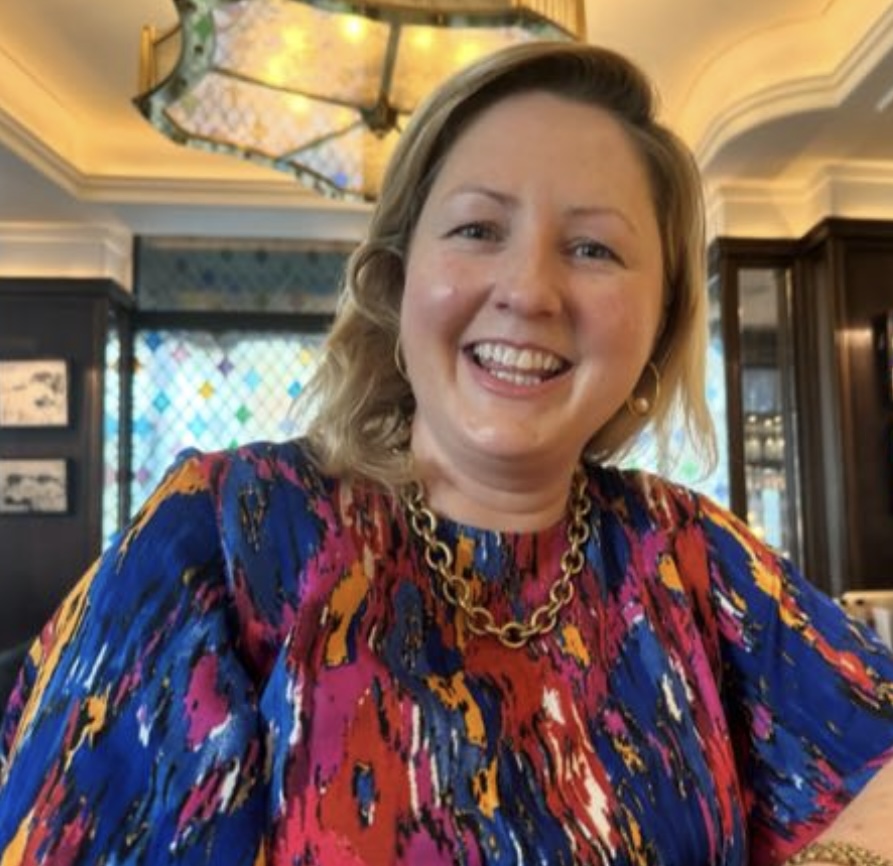
Meet Amina
Amina Mohamed is the Founder and Executive Director of Cameras For Girls, a nonprofit organization that equips young African women with photography, ethical storytelling, mentorship, and business skills to build careers in media and communications. Based in Ontario, Canada, she draws on her experience in film production, photography, and social impact to create opportunities that help women tell their own stories with dignity while building sustainable livelihoods.
Seeing Possibility Through a Different Lens
Stories have the power to shape how people see themselves and how they understand the world around them. For Amina Mohamed, storytelling has never simply been about creating beautiful images or compelling narratives. It has always been about opening doors, restoring dignity, and ensuring that the people living a story have the opportunity to tell it themselves.
Throughout her life, she has witnessed how access often determines opportunity. Talent exists everywhere, but opportunity does not. This understanding has guided every stage of her professional journey, from film and television production to photography and eventually nonprofit leadership. Today, her work is rooted in a simple but profound belief that storytelling should empower rather than exploit, creating pathways for young women whose voices have too often been overlooked.
A Journey Shaped by Experience and Identity
Amina’s professional career began in film and television production, where she spent more than fifteen years working as a producer and production manager. Those years taught her how stories come to life, how creative teams collaborate, and how visual media can influence public understanding. Yet they also revealed something more difficult to ignore.
She noticed that many voices never reached the spaces where important stories were being developed. Women, particularly those from underrepresented communities, frequently faced barriers that extended far beyond talent or education. Access to equipment, networks, mentorship, and professional opportunities often determined who succeeded.
Her personal history gave her an even deeper understanding of these realities.
Born in the United Kingdom, Amina spent part of her childhood in Uganda before arriving in Canada as a refugee during the expulsion of Asians under Idi Amin. Living across different countries gave her a unique perspective on belonging, resilience, and identity. Years later, when she returned to Uganda in 2007, the experience became deeply personal.
Holding a camera while reconnecting with the country transformed how she understood photography. It became more than an artistic tool. It became a way to reconnect with history, preserve dignity, and create authentic narratives from within communities instead of observing them from a distance.
When One Question Changed Everything
During her time in Uganda, Amina met many young women studying journalism and communications. They were educated, motivated, and eager to build meaningful careers. Yet despite their qualifications, many remained excluded from professional media work.
The barriers were surprisingly practical.
Without access to cameras, portfolios, experienced mentors, or professional networks, many graduates struggled to secure paid opportunities. Education alone was not enough.
That realization stayed with her.
Instead of accepting the gap as inevitable, she began asking a different question. What would happen if these young women were given not only technical skills but also the resources and support needed to enter the profession with confidence?
That question eventually became Cameras For Girls.
Founded in 2018, the organization began as a photography training initiative in Uganda. Over time, it evolved into a comprehensive year long program combining photography, ethical storytelling, business education, leadership development, mentorship, and professional camera access.
As Amina explains,
“Photography became the entry point, but the deeper purpose has always been about access, dignity, and opportunity.”
Those words continue to define both the organization and its wider mission.
The camera itself is only one part of the story. More importantly, it becomes a tool that allows young women to build portfolios, establish careers, generate income, and tell stories that reflect their own communities with honesty and respect.
Rather than teaching participants how to document hardship for outside audiences, the program encourages ethical storytelling built on consent, accountability, and cultural understanding. It shifts the focus from extraction to partnership, ensuring that the people within each story retain both their humanity and their agency.
Building Trust Before Building Programs
Launching a nonprofit across multiple countries came with challenges that extended far beyond fundraising or logistics.
Working between Canada, Uganda, and later Tanzania required Amina to think carefully about leadership. She understood that meaningful solutions could not simply be imported from outside communities. Real impact would only happen by listening first and allowing local knowledge to shape the direction of the work.
This meant investing time in partnerships, developing local trainers, and creating programs that reflected the realities of the communities themselves.
Rather than positioning herself as the sole expert, she focused on creating shared leadership. Former students gradually became mentors and trainers, helping future participants navigate the same path they had once walked themselves.
That transition has become one of the clearest indicators of the organization’s success.
For Amina, leadership is measured not by personal recognition but by the ability to create opportunities that continue growing through others.
From Students to Leaders
One of the most rewarding moments in Amina Mohamed’s journey has been watching participants return to Cameras For Girls not as students, but as mentors. The transformation represents far more than career progression. It reflects confidence, independence, and the ability to create opportunities for others.
For many young women entering the program, photography is completely new. Some have studied journalism or communications but have never owned professional equipment or built a portfolio that could help them secure paid work. Others have never imagined themselves working in industries where men continue to dominate many professional spaces.
Through practical training, mentorship, business education, and access to cameras, they begin to see new possibilities for themselves.
The impact is measurable, but for Amina, the numbers tell only part of the story. Graduates earning their first income through photography, documenting their communities with confidence, and mentoring future participants demonstrate something much deeper. They show that sustainable change happens when people are trusted with both responsibility and opportunity.
Approximately eighty percent of participants in the organization’s year long program move into paid work within six months of completing their training. Yet Amina believes the greatest achievement is not employment alone. It is watching women discover that they belong in spaces where decisions are made, stories are shaped, and communities are represented.
This approach also challenges long standing assumptions about storytelling across Africa.
Too often, stories about African communities have been told by outsiders, leaving local voices with little control over how their experiences are portrayed. Cameras For Girls works to change that reality by supporting women who understand their own communities, cultures, and histories to tell those stories with care and integrity.
As Amina explains,
“I believe young women should have the opportunity to document their own communities, tell stories with dignity and consent, and build careers from those skills.”
That philosophy reaches beyond photography. It is about representation, ownership, and ensuring that the people closest to a story have the opportunity to shape how it is shared.
Leadership Rooted in Values
Throughout her career, Amina has remained guided by a consistent set of principles that influence every decision she makes.
Dignity comes first. She believes no person’s story should ever be reduced to hardship or used to serve someone else’s agenda. Every image and every narrative deserves context, consent, and respect.
Access is equally important. She has seen firsthand how talent is often overlooked because of unequal access to equipment, mentorship, networks, and practical experience. Removing those barriers creates opportunities that education alone cannot provide.
Accountability also shapes her work. Operating across Canada, Uganda, and Tanzania requires continuous listening and collaboration. Rather than assuming outside perspectives hold all the answers, she believes local communities must actively shape the programs designed to support them.
Finally, shared leadership remains central to her vision. Success, in her eyes, is not measured by how indispensable she becomes but by how many others are equipped to lead alongside her.
These values have enabled Cameras For Girls to grow while remaining rooted in trust, collaboration, and long term impact.
Looking Toward a Bigger Future
Although Cameras For Girls has already transformed many lives, Amina sees its current achievements as only the beginning.
Her vision extends well beyond the organization’s existing work in Uganda and Tanzania. By 2030, she hopes to expand into seven African countries while reaching more than 30,000 young women through in person training, online education, mentorship, and a growing train the trainer model.
Kenya represents the next step in that journey, but the larger goal is creating a network of locally led programs that no longer depend on her physical presence.
She wants graduates to become paid trainers, mentors, and community leaders capable of building opportunities within their own regions. This model strengthens local ownership while ensuring the organization’s values remain deeply connected to the communities it serves.
At the same time, Amina remains committed to advancing ethical storytelling as a professional standard. She hopes future generations of photographers and communicators will continue challenging harmful narratives while producing work grounded in dignity, consent, and accountability.
Her ambition is not simply organizational growth. It is building a movement where storytelling becomes both a profession and a pathway toward greater equality.
A Legacy That Belongs to Others
When Amina reflects on success, she rarely speaks about awards, recognition, or personal milestones. Instead, she measures success by whether the opportunities she has helped create continue long after she steps aside.
She believes meaningful leadership creates space for others rather than remaining at the center of every achievement. Each graduate who secures paid work, mentors another young woman, or leads a future cohort represents the lasting impact she hopes to leave behind.
Her own experiences as a refugee, filmmaker, photographer, and nonprofit leader have all shaped the work she does today. Yet none of those chapters stand alone. Together, they have become the foundation for an organization that transforms education into opportunity and talent into sustainable careers.
Through Cameras For Girls, Amina Mohamed is doing more than teaching photography. She is helping young women claim ownership of their voices, their futures, and the stories that define their communities.
Her journey reminds us that real change often begins with a simple decision to notice what is missing and then work patiently, consistently, and compassionately to build what did not exist before. In doing so, she is proving that when people are trusted with the tools to tell their own stories, they can change not only their own lives but also the narratives that shape generations to come.
For More Features
Be Featured in The Real Edit!
Every story has the power to shape how we see innovation, leadership, and purpose. If you’re a founder, creator, executive, or changemaker with a journey worth telling , we’d be honored to help you share it.
To inquire about being featured:
Email us at: info@realedit.site
Follow The Real Edit