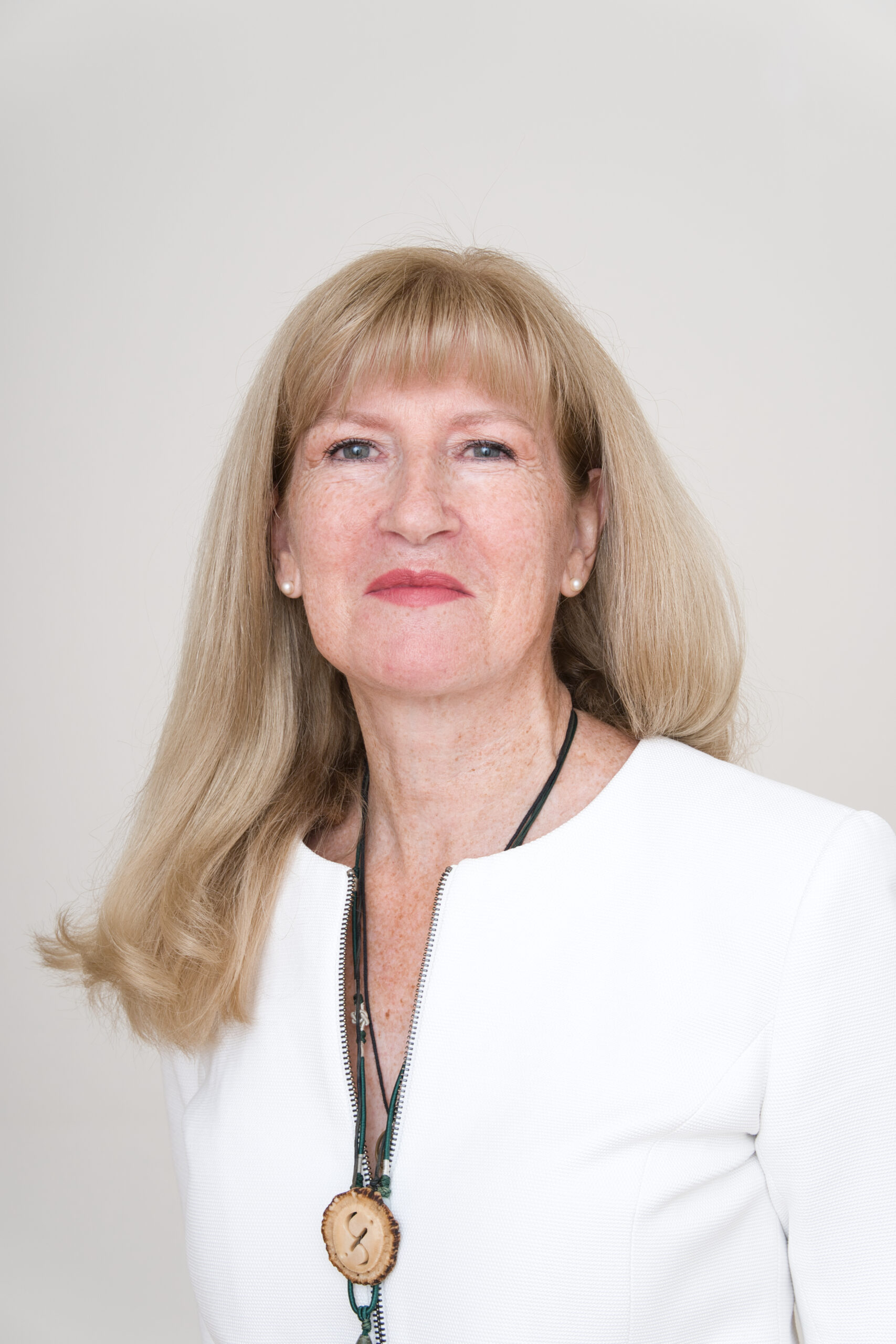
Meet Brian
Brian Kakundi Nyamai is a telecommunications engineer and the founder of ScaleLogic Systems. Based in Nairobi, he works at the intersection of AI automation, workflow orchestration, and digital transformation, helping businesses create systems that reduce operational friction and improve efficiency.
The Quiet Satisfaction of Solving Problems
There are people who are drawn to technology because of its speed and spectacle. Then there are people like Brian Kakundi Nyamai, who are drawn to the quiet elegance of systems that simply work. His relationship with engineering was never about chasing trends or building something flashy. It was about understanding how things connect, how information moves, and how invisible structures shape everyday life.
That mindset began forming long before he became a founder. As a student at Dedan Kimathi University of Technology, where he studied Telecommunication and Information Engineering, he became fascinated by the logic behind communication systems. He wanted to understand what allowed networks to function reliably and what caused them to fail. The deeper he went into the discipline, the more he saw engineering not just as technical work, but as a way of thinking.
Today, that same philosophy shapes his company, ScaleLogic Systems, where he builds what he calls “Operational Brains” for businesses. These systems automate repetitive workflows, organize data, and create structures that allow founders and teams to focus on creativity and growth instead of administrative overload. Beneath the technology is a very human motivation: helping people regain time, clarity, and mental space.
For Brian, efficiency is not about removing people from the equation. It is about freeing them from the exhausting repetition that often prevents meaningful work from happening in the first place.
Learning to See the Gaps Others Ignored
Brian’s early professional experiences played a defining role in shaping how he sees the world. During his internship at the Communications Authority of Kenya, he worked within the Telecom Compliance Division, an environment built around structure, regulation, and accountability.
It was there that he began noticing a widening disconnect between traditional systems and the rapid evolution of artificial intelligence. Businesses and institutions were trying to manage modern technological realities using frameworks that were not designed for the pace of contemporary innovation. The experience sharpened his awareness of inefficiencies, but it also revealed opportunities.
Rather than seeing compliance work as rigid or limiting, Brian treated it as a lesson in systems thinking. He learned the importance of integrity, precision, and reliability. He understood that even the most advanced technologies become fragile when the underlying systems are poorly designed.
That perspective stayed with him.
“I have always been fascinated by the concept of efficiency by design,” he explains. “In the telecommunications world, we talk about optimization and signal integrity. I realized those same principles apply to business operations.”
The insight became foundational to his future work. He started recognizing that many businesses were struggling not because they lacked ambition or talent, but because they were trapped inside inefficient operational structures. Founders were spending valuable energy managing repetitive tasks, disconnected platforms, and fragmented workflows.
Brian became interested in solving those problems not through theory, but through architecture. He wanted to build systems that allowed businesses to function more intelligently from the inside out.
Becoming a Founder Through Experimentation
The transition from engineer to founder did not happen overnight. It emerged gradually through experimentation, observation, and persistence.
Like many builders working in emerging markets, Brian faced limitations that forced him to become resourceful very early in his journey. Access to high level infrastructure was not always available. Financial constraints, hardware limitations, and API restrictions created constant friction during development.
Instead of waiting for ideal conditions, he adapted.
He began building lean systems using tools like n8n and Supabase, creating automation infrastructures capable of enterprise level performance without requiring enterprise level budgets. That approach eventually became part of the core philosophy behind ScaleLogic Systems: advanced automation should not be reserved only for companies with massive financial resources.
The process demanded patience and resilience. There were long nights spent troubleshooting workflows, refining integrations, and finding ways to optimize systems with limited resources. Yet those constraints also sharpened his thinking. They taught him how to build carefully and intentionally.
One moment in particular confirmed that he was moving in the right direction. After successfully deploying his first agentic workflow ecosystem, ScaleLogic Master Control, he witnessed something transformative. A business process that once required days of manual effort was completed within seconds, without errors or delays.
That experience changed how he saw his future.
“Seeing a complex business process that used to take days happen in seconds confirmed that AI automation was not just a trend, but the future of professional services,” he says.
The project represented more than technical success. It represented proof that intelligent systems could fundamentally reshape how businesses operate, especially smaller organizations that often lack the resources to scale efficiently.
For Brian, that realization marked the true beginning of his entrepreneurial identity.
Building Technology With Accessibility in Mind
In many conversations about artificial intelligence, the focus tends to remain centered on scale, disruption, or profitability. Brian approaches the subject differently. His interest lies in accessibility.
He believes there is a significant knowledge and infrastructure gap separating large corporations from smaller businesses and emerging entrepreneurs. The most powerful tools are often concentrated in environments with abundant funding and technical expertise, while many capable founders are left trying to compete with limited operational support.
Brian wants to narrow that gap.
Through ScaleLogic Systems, he helps businesses automate lead management, operations, communication flows, and internal processes in ways that are practical and sustainable. His goal is not to overwhelm clients with technical jargon, but to simplify complexity so organizations can function with greater clarity.
The work is deeply connected to his broader philosophy around human potential. He believes automation should create more room for meaningful thinking rather than replace it.
When repetitive operational burdens are removed, leaders can spend more time solving creative problems, developing ideas, and strengthening relationships. In that sense, the systems he builds are not only technical tools. They are environments that allow people to focus on what matters most.
This philosophy also shapes the way he defines success.
For Brian, success is not measured solely by growth metrics or visibility. He describes it as “functional freedom,” the ability to create systems so effective and resilient that they no longer require constant intervention. Professionally, that means building businesses capable of scaling sustainably. Personally, it means continuing to learn, adapt, and solve increasingly meaningful problems.
There is something deeply reflective in that definition. It reveals a founder who values longevity and impact over attention.
Staying Grounded Inside Complex Work
Building intelligent systems requires a level of concentration that can easily become consuming. Brian understands the importance of maintaining balance, especially in a field where technology evolves at extraordinary speed.
One of the ways he stays grounded is by focusing on small victories within larger projects. Instead of becoming overwhelmed by the scale of a system, he concentrates on solving one issue at a time. A single optimized workflow node or a successfully debugged line of code becomes a meaningful step forward.
That mindset reflects a larger discipline in how he approaches both work and life.
He also places strong importance on what he calls “mental audits,” intentional moments of reflection where he steps back to evaluate his own internal processes. Just as systems require optimization and maintenance, he believes individuals do too. Without reflection, burnout and inefficiency quietly accumulate beneath the surface.
Outside of his immediate field, Brian enjoys exploring unrelated technical disciplines simply to challenge his thinking and gain new perspectives. Curiosity remains one of the core principles guiding his work, alongside integrity and scalability.
Those values are deeply interconnected. Integrity ensures that the systems he builds are secure and ethical. Scalability keeps him focused on long term sustainability rather than temporary fixes. Curiosity prevents stagnation and pushes him to continue evolving.
Together, they form the foundation of his leadership style.
Technology as a Tool for Inclusion
Although Brian’s work is rooted in engineering, its implications extend far beyond technology itself. At the heart of his mission is a belief that digital transformation should create broader participation, not deeper exclusion.
In Kenya and across many emerging markets, access to advanced technology can still feel uneven. Smaller businesses often struggle to compete with organizations that have greater infrastructure and technical support. Brian sees automation as a way to help close that divide.
His commitment to technological self sufficiency appears not only in his company’s work, but also in his broader engagement with communities and startups. Whether supporting local automation efforts or contributing to discussions around digital infrastructure, he consistently returns to the idea that innovation should remain accessible.
He is especially inspired by builders across the African tech ecosystem who continue solving local challenges using globally competitive technology. Their work reinforces his belief that innovation is not limited by geography.
That perspective also informs his long term ambitions. Beyond expanding ScaleLogic Systems internationally, Brian hopes to continue collaborating with regulatory institutions and policymakers to help shape ethical approaches to AI adoption within Kenya’s telecommunications and technology sectors.
It is a thoughtful goal that reflects both sides of his professional identity: the engineer who understands systems deeply and the founder who understands their social consequences.
Designing the Future With Intention
As ScaleLogic Systems continues to evolve, Brian remains focused on building infrastructure that helps businesses operate with greater intelligence and independence. His current work on ScaleLogic Master Control reflects that ambition, creating unified operational systems that can support organizations from lead generation through delivery.
The vision is expansive, but his approach remains grounded.
He is not interested in technology for its own sake. He is interested in systems that genuinely improve how people work and live. That practical mindset has become one of the defining qualities of his journey.
There is also humility in the way he speaks about growth. Rather than presenting himself as someone who has already arrived, Brian talks like a builder still actively learning. He encourages others to start with whatever tools and resources they currently have instead of waiting for ideal conditions.
His advice reflects the mindset that carried him through his own early challenges: observe carefully, identify inefficiencies, and build solutions with intention.
For him, the future belongs not simply to users of technology, but to architects of systems.
A Founder Focused on What Lasts
What makes Brian Kakundi Nyamai’s story compelling is not simply his technical expertise or entrepreneurial ambition. It is the clarity of purpose underneath both. He approaches technology with the mindset of someone who understands that systems quietly shape human experience every day.
The workflows businesses rely on, the infrastructure communities depend upon, the invisible processes operating beneath modern life all influence whether people feel supported or overwhelmed.
Brian has chosen to spend his career improving those systems.
In a world increasingly defined by noise and acceleration, his work carries a quieter intention: creating structures that allow people to think more clearly, work more meaningfully, and build more sustainable futures.
For More Features
Be Featured in The Real Edit!
Every story has the power to shape how we see innovation, leadership, and purpose. If you’re a founder, creator, executive, or changemaker with a journey worth telling , we’d be honored to help you share it.
To inquire about being featured:
Email us at: info@realedit.site
Follow The Real Edit