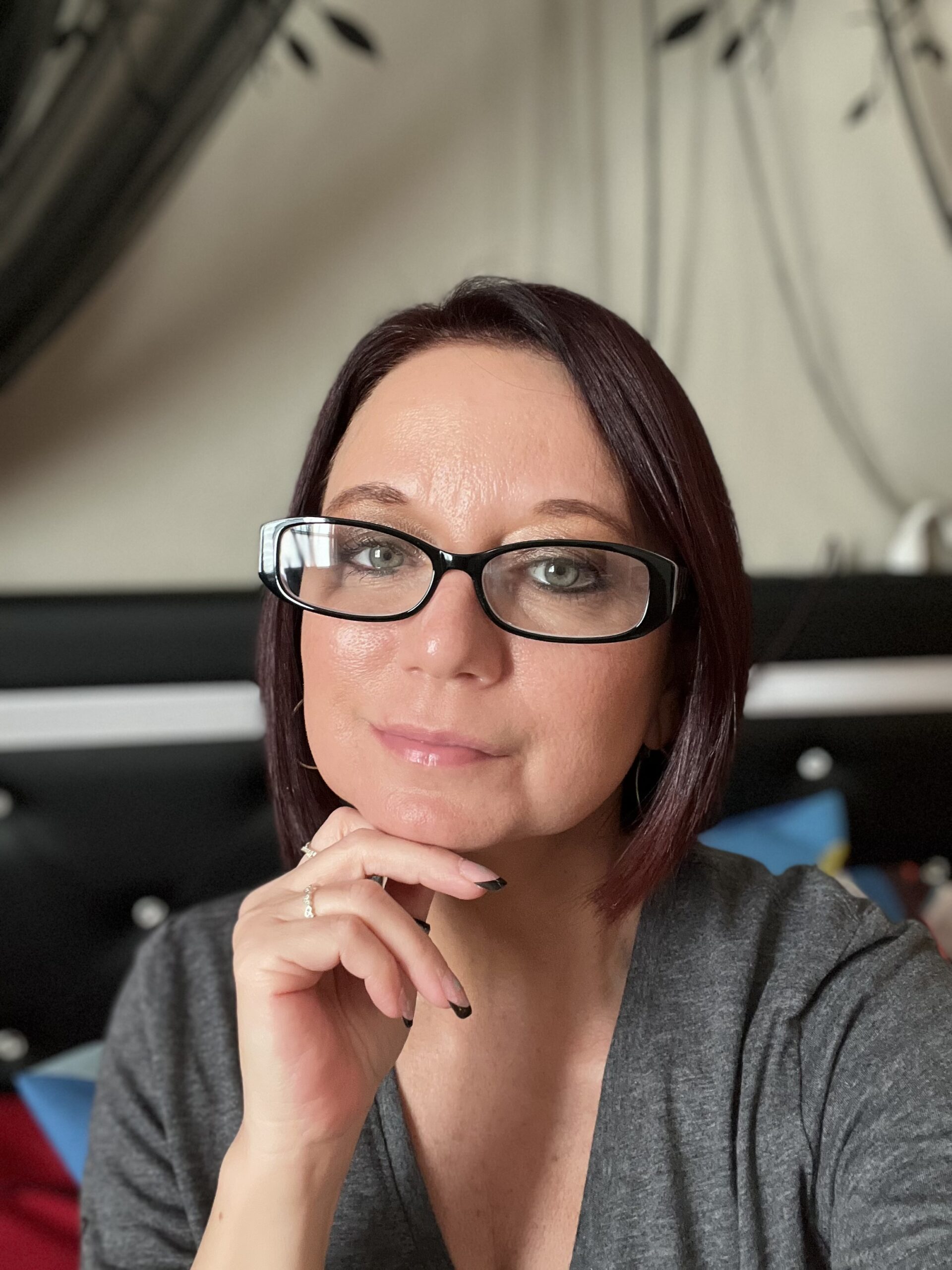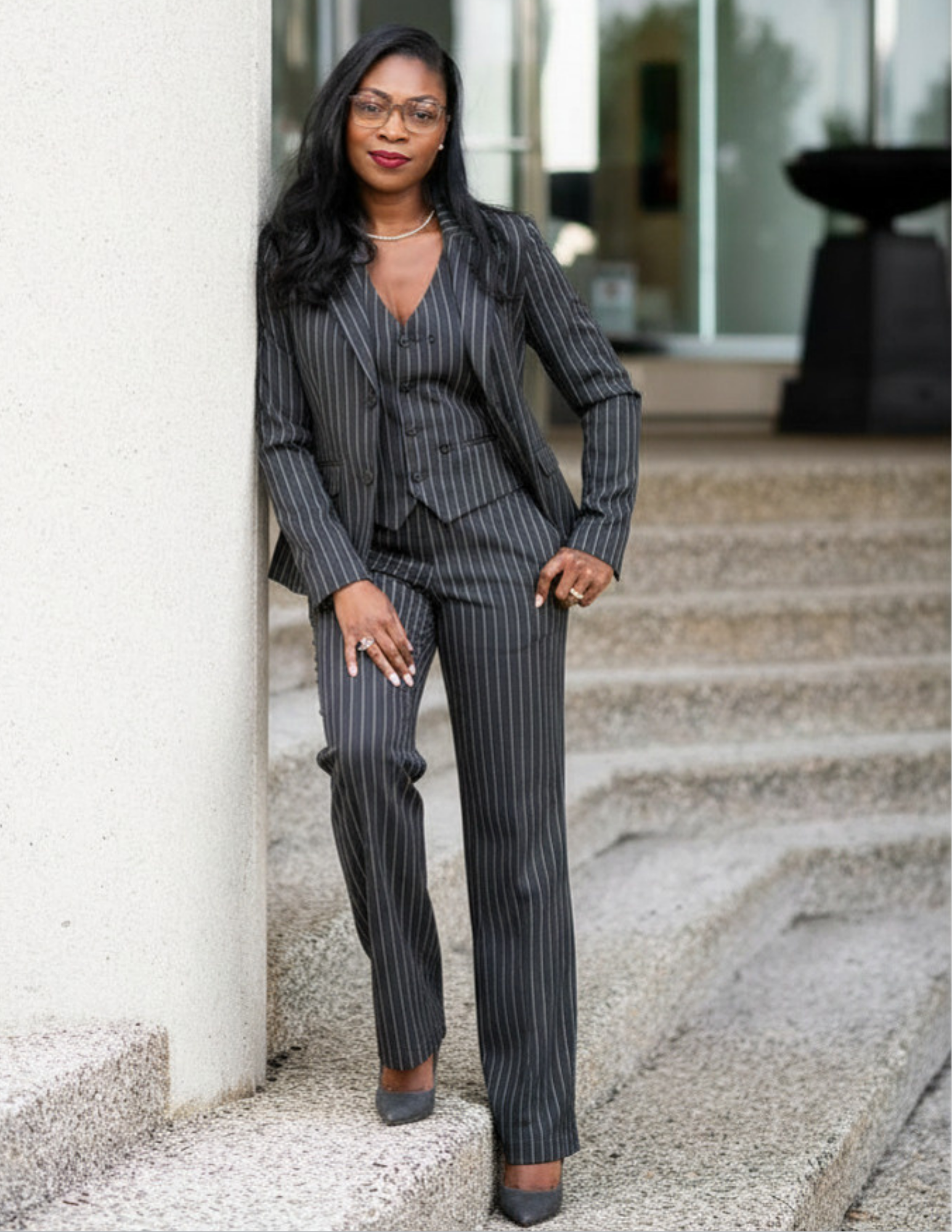
Meet Nicole
Nicole Michael is the founder and CEO of Frender CIC, a platform designed to support friendships and meaningful connection for disabled children and their families. Based in Dalkeith, she built Frender from lived experience after spending years caring for her son through complex medical and neurological challenges. Her work focuses on reducing loneliness, creating inclusive community spaces, and helping families feel seen, supported, and understood.
The Quiet Strength Behind the Mission
Some people build businesses because they identify a gap in the market. Others create something because life leaves them no other choice. For Nicole Michael, Frender was born from years spent carrying responsibilities that many people never see and few fully understand.
Behind her calm determination is a woman who spent a decade navigating hospitals, uncertainty, isolation, and advocacy while caring for her son after his neurological health began to decline at just one year old. What emerged from that experience was not bitterness, but clarity. She began to understand how deeply loneliness affects families living with disability and how invisible many of those struggles remain to the outside world.
Today, that understanding shapes every part of Frender. The platform is not simply a piece of technology or a social initiative. It is an extension of lived experience, built by someone who knows firsthand what it feels like to search for support and find silence instead.
Nicole speaks about her journey with honesty rather than drama. There is no attempt to romanticise hardship. Instead, there is a grounded awareness that difficult experiences can sharpen a person’s sense of purpose. In many ways, Frender is the result of one mother refusing to accept that disabled children and their families should continue to navigate life without connection or community.
Before Life Changed Direction
Long before Frender existed, Nicole’s life followed a very different path. She came from a background in administration and Information Technology and had always carried an entrepreneurial mindset. When her second child was born, she launched an online children’s fashion boutique so she could continue working while raising her family from home.
At that stage, her life looked relatively ordinary from the outside. She balanced motherhood with business ownership and focused on creating stability for her children. Yet everything shifted when her son’s health began to deteriorate.
What followed was a period that altered the course of her life entirely. Her son was eventually diagnosed with twelve disabilities, forcing Nicole to step away from her business to focus fully on his care. The career she had built suddenly became secondary to the immediate reality facing her family.
For years, her world narrowed into appointments, research, advocacy, and survival. She immersed herself in understanding her son’s conditions because there was no alternative. The systems around her often felt fragmented and overwhelming, and many of the answers she needed were difficult to find.
The emotional weight of that period was compounded by isolation. Families navigating disability frequently experience a loss of social connection as daily life becomes increasingly difficult to manage. Friendships change. Routines disappear. Support networks often shrink. Nicole experienced that reality firsthand.
She spent nearly ten years navigating unfamiliar territory largely alone, trying to create safety and stability for her son while carrying the emotional demands of caregiving. Those years shaped her deeply, both as a mother and as a leader.
The Moment Everything Became Clear
In August 2023, her son underwent surgery. It was a pivotal moment, not only medically but emotionally.
As Nicole looked around during one of the most difficult periods of their lives, she became acutely aware of how unsupported they had been for years. There were no close networks rallying around them, no strong sense of community, and very few people who truly understood the reality they were living through.
That realisation became the beginning of something new.
“Walking a dark and lonely path made one thing clear: no parent or child should have to do this alone.”
The idea for Frender emerged from that moment of truth. Nicole recognised that while disability services often focus on care, treatment, or education, loneliness itself remains largely overlooked despite its profound emotional impact. Through her research and lived experience, she saw how common chronic loneliness was among disabled young people and their families.
What stayed with her most was the understanding that loneliness is not inevitable. Human connection matters deeply, especially for people who are too often excluded from everyday social spaces.
Frender became her response to that problem.
The platform was designed to create meaningful opportunities for disabled children, parents, and carers to connect with others who understand their experiences. At its heart is the belief that everyone deserves friendship, belonging, and the chance to feel valued within a community.
Nicole approached the work not as an outsider trying to solve a problem academically, but as someone who had lived every layer of it emotionally and practically. That perspective gave her unusual clarity about what families truly needed.
She also carried another powerful motivation. Over time, she began thinking about her son’s future and what would happen when she could no longer advocate for him personally. Rather than allowing that fear to consume her, she transformed it into action.
“The more I saw the injustice faced by disabled children, the more my sense of purpose grew. One day, I realised I might not always be here to fight for my son and that thought lights a fire in me every single day.”
That sense of urgency continues to drive her work today.
Building Frender With Humanity at Its Centre
There is something deeply personal about the way Nicole speaks about Frender. She does not describe it as a disruptive platform or position it through corporate language. Instead, she speaks about people. Families. Children. Human connection.
That perspective shapes how the organisation operates.
Frender was created with accessibility and emotional safety in mind. Nicole wanted to remove many of the barriers that often make socialising difficult for disabled individuals and their families. Rather than asking people to adapt themselves to systems that overlook their needs, she envisioned a space designed specifically for them.
The platform focuses on helping people feel seen, heard, supported, and included without judgment.
This approach reflects Nicole’s leadership style as well. Years spent advocating for her son strengthened her confidence and taught her how to use her voice more intentionally. She learned how to navigate systems, challenge assumptions, and continue moving forward even when faced with rejection or resistance.
One of the personal mottos she lives by is refusing to accept “no” as the final answer. That mindset helped her reimagine what was still possible, even after believing for years that her career had effectively ended.
At the same time, her leadership remains rooted in compassion rather than ambition alone. She often speaks about kindness and honesty as core values, viewing honesty as a form of respect both toward others and toward oneself.
Those values influence the culture she hopes to create through Frender. The organisation is not only about solving practical problems. It is about restoring dignity and connection to families who are frequently overlooked.
Her efforts have already begun receiving wider recognition. Frender recently received the SME News IT Award for Leading Children with Disabilities Social Media App 2026, an achievement that marked an important milestone for the growing organisation.
For Nicole, however, success is measured less by awards and more by human impact. She does not speak in terms of finish lines or personal status. Instead, she focuses on whether people’s lives are genuinely improving because of the work being done.
That outlook reflects the deeply personal foundation upon which Frender was built.
Learning Strength From Her Son
Throughout Nicole’s story, one relationship remains central: the bond she shares with her son.
She describes him not only as the inspiration behind Frender but also as a source of strength and perspective. Watching him endure significant health challenges while still holding onto joy reshaped her understanding of resilience.
She speaks about him with deep admiration, particularly his ability to face hardship with a sense of contentment that many adults spend years searching for. In many ways, their relationship became a partnership built on trust, endurance, and mutual strength.
That experience transformed Nicole personally. Caring for her son pushed her to develop emotional resilience she never imagined she possessed. It also changed the way she viewed leadership. Advocacy became part of her daily life, not through titles or public speaking, but through consistent acts of protection, research, persistence, and care.
Over time, she realised that the skills developed through adversity had given her a unique ability to solve problems with empathy and strategic thinking. Those qualities now shape the way she leads Frender and engages with the wider disability community.
Her journey also deepened her spiritual life. Nicole speaks openly about the importance of faith and prayer in helping her navigate difficult periods. During years filled with uncertainty, faith became a grounding force that helped her continue moving forward.
At the same time, she understands the importance of balance and self care. After spending years focused entirely on caregiving, she has learned that reconnecting with herself matters too. She believes many people burn out because they forget to care for their own emotional wellbeing while caring for others.
Outside of work, she finds inspiration in reading, particularly literature and biographies that explore the complexity of human experience. That curiosity about people and resilience seems to mirror the work she is building through Frender itself.
A Vision That Extends Beyond Borders
Although Frender is still growing, Nicole’s vision for the future is expansive.
She hopes to see the platform operating globally, helping disabled children and families across different countries build meaningful connections and support systems. Beyond the platform itself, there are plans to expand into broader befriending services and additional forms of support that respond directly to community needs.
Yet even as the organisation grows, Nicole remains focused on maintaining its human centre. Her goal is not scale for the sake of recognition. It is impact that feels tangible and personal to the people using the service.
That distinction matters because Frender was never created from abstract theory. It emerged from lived experience, emotional isolation, and a determination to create something better for others walking similar paths.
Nicole’s work carries the perspective of someone who understands how transformative it can be when even one person feels less alone.
Counting Yourself In
There is a quiet determination woven throughout Nicole Michael’s story. She does not position herself as extraordinary, yet her journey reflects an uncommon level of endurance, empathy, and purpose.
For years, much of her energy was devoted to protecting and advocating for her son within systems that often felt exhausting and isolating. Rather than allowing those experiences to diminish her, she used them to create something rooted in compassion and connection.
Her message to others is simple but deeply personal: even when the world counts you out, you can still count yourself in.
That belief sits at the heart of Frender. It is an invitation for families who have felt unseen to recognise that they still belong, that their experiences matter, and that connection is possible even after years of isolation.
Nicole’s story is ultimately not about building a platform. It is about building a world where fewer people have to walk difficult paths alone.
For More Features
Be Featured in The Real Edit!
Every story has the power to shape how we see innovation, leadership, and purpose. If you’re a founder, creator, executive, or changemaker with a journey worth telling , we’d be honored to help you share it.
To inquire about being featured:
Email us at: info@realedit.site
Follow The Real Edit