Susan DiClementeFinding the Courage to Choose
Owner and Master Certified Coach at SD Coaching & Consulting LLC, helping women in science build confidence, challenge limiting beliefs, and make meaningful changes in their professional and personal lives.

Meet Susan
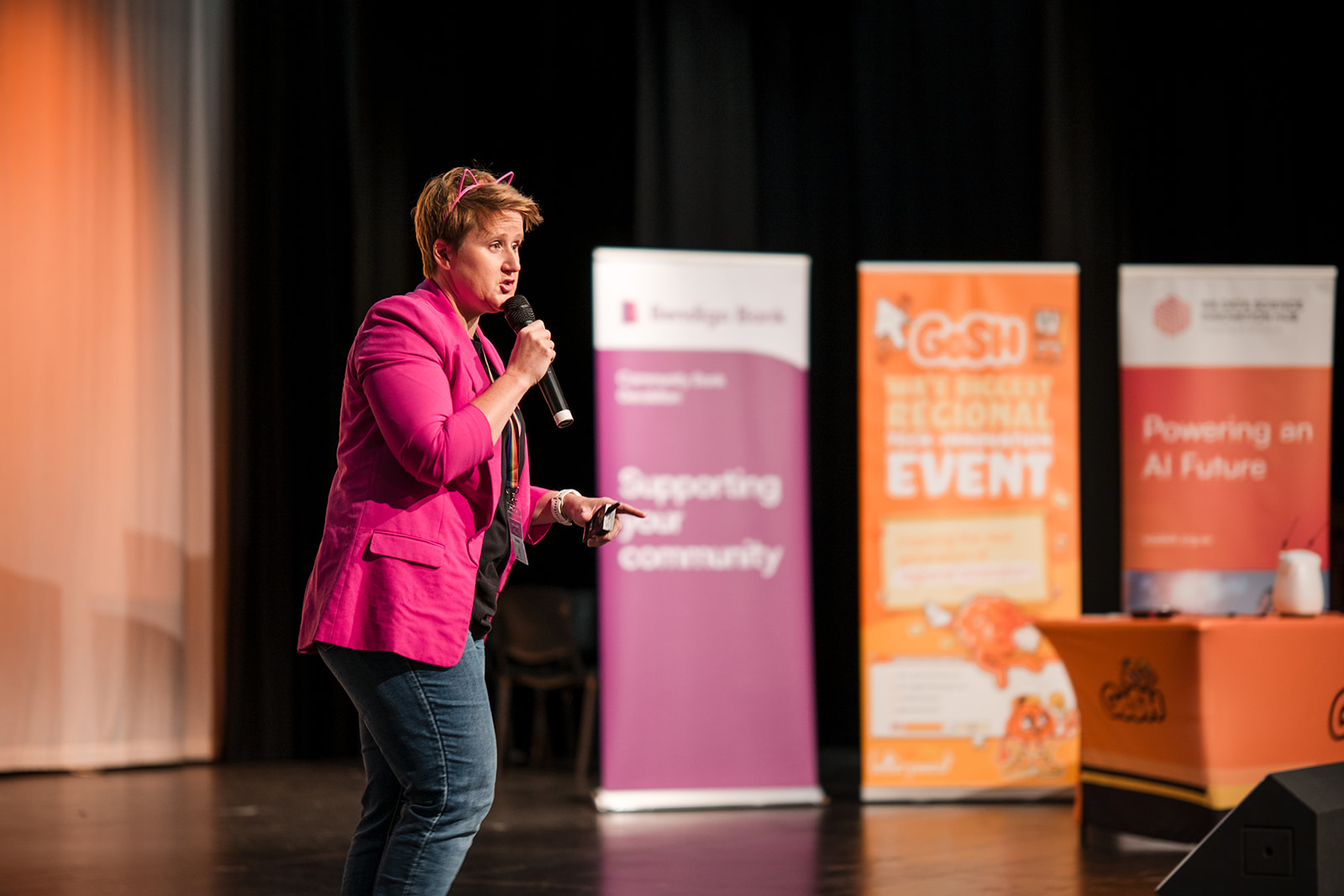
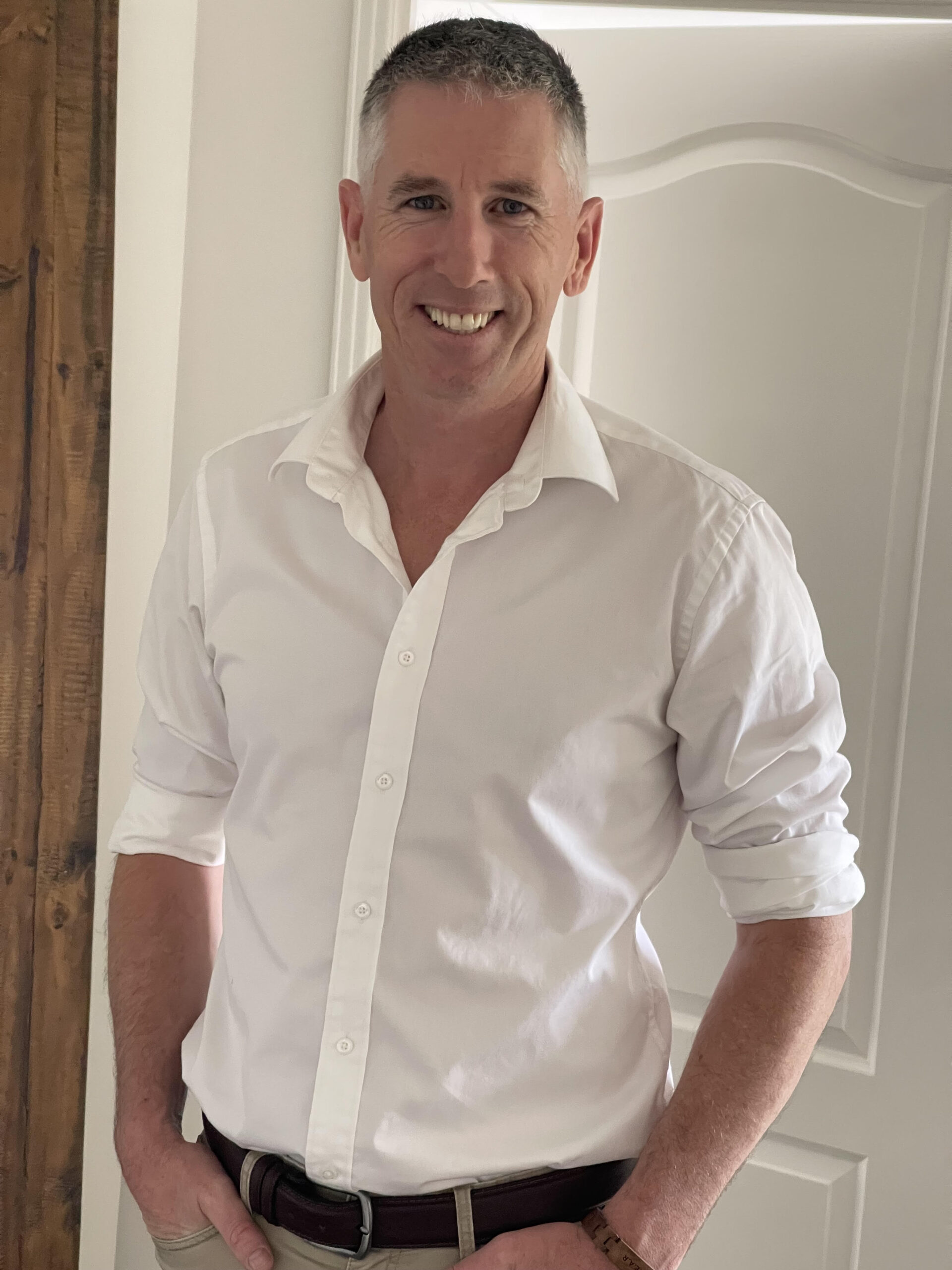
Susan DiClemente is the owner and Master Certified Coach at SD Coaching & Consulting LLC in Westborough, Massachusetts. After three decades in corporate communications, including nearly 20 years in a leadership role at Novartis, she established her own coaching practice to help women in science build confidence, challenge limiting beliefs, and make meaningful changes in their professional and personal lives.
The Moment She Began Listening to Herself
For much of her professional life, Susan DiClemente was the person others could depend on. She was a trusted colleague, a strategic partner, a leader who could bring people together, and someone who knew how to turn complicated ideas into clear stories. In the pharmaceutical industry, where scientific knowledge must often be translated into language that others can understand and act upon, her communications expertise helped leaders and teams move toward shared goals.
Yet beneath that established career was another source of energy, one that had little to do with titles or organizational responsibilities. Susan was drawn to helping people recognize their abilities, develop their confidence, and consider possibilities they had not previously allowed themselves to imagine. Whether she was building a mentoring program, supporting women in the workplace, or contributing to diversity, equity, and inclusion initiatives, she found her greatest satisfaction in work that strengthened people and relationships.
That distinction would eventually become central to her next chapter. The career she had built was meaningful, and she had invested years in developing her expertise and reputation. But professional success and personal fulfilment had begun to move in different directions. Susan reached a point where continuing to do what she knew well was no longer enough. She needed to understand what she wanted her life to look like, not simply what she could continue accomplishing.
Her decision to leave corporate life was not a rejection of everything she had learned there. Instead, it was an opportunity to bring those years of experience into a different kind of work, one shaped more directly by the relationships and personal transformations that had always mattered to her.
Thirty Years of Experience, and a Different Definition of Success
Susan spent approximately 30 years working in corporate communications, developing a deep understanding of leadership, organizational culture, and the relationships that allow people to work effectively together. Her responsibilities extended beyond communicating information.
Partnered with executives
Advised project teams
Helped scientific leaders tell their stories
Supported the development of other leaders
Director of Internal Communications and Associate Engagement
Research Division, Novartis · her final corporate position, where she worked for almost two decades
During those years, she became known as
Those qualities were built over time. They reflected her ability to listen, understand different perspectives, and recognize the human considerations behind organizational challenges. She understood that people could have exceptional expertise and still struggle to communicate their value, find their confidence, or make their voices heard.
Alongside her formal responsibilities, Susan consistently gravitated toward initiatives that helped others grow. Mentoring, relationship building, and supporting women were not occasional interests that appeared late in her career. They were recurring parts of her professional life, offering a glimpse of the work she would eventually choose to pursue independently.
The pharmaceutical industry also gave her a close understanding of the environments in which women in science develop their careers. Scientific expertise is essential, but professional advancement can involve additional challenges, from navigating organizational expectations to communicating ideas with confidence and finding opportunities to be recognized.
Susan’s experience placed her in a position to understand both sides of that reality. She knew the importance of clear communication to an organization, and she understood how much an individual’s confidence and relationships could influence her ability to contribute.
When Staying Became More Difficult Than Leaving
The decision to change careers did not emerge from a single dramatic event. It developed gradually, as Susan began to recognize that the environment in which she had spent so much of her working life was affecting her in ways she could no longer ignore.
After many years in her last corporate organization, she noticed changes in herself. The unhappiness she felt was becoming harder to explain away, and the demands of her professional life were beginning to affect her sense of well-being beyond the workplace. People close to her noticed the difference, too. Their concern helped her confront something she had been trying to postpone.
It would have been easy to keep waiting.
These explanations gave her reasons to continue without making a fundamental decision about what was happening.
Eventually, however, Susan recognized that the issue was not simply exhaustion that could be resolved with time away. Her professional circumstances were no longer serving her as a:
She had to consider whether the security of her established career was worth the personal cost of remaining in it.
Leaving was especially significant because Susan was the sole financial provider for herself and her wife, who lives with lupus and rheumatoid arthritis. Her corporate position offered a six-figure salary and a familiar structure. Walking away without another job meant stepping into uncertainty while carrying real financial responsibilities.
There was no guarantee that an alternative career would work. She was making a decision that challenged the qualities others had long associated with her:
Those qualities had helped her build a successful career, but she began to see that they could also make it difficult to question a situation that no longer felt right.
Ultimately, she decided that protecting her health and reclaiming ownership of her future mattered more than remaining in a role simply because it was secure. As she reflects on that choice, she describes it simply:
This was the scariest, and best, decision I’ve ever made!
Susan DiClemente
The period that followed was not effortless. The final year of her corporate career and the year after leaving brought struggles and difficult questions. Yet stepping away created something she had not fully had before: room to explore what she wanted without immediately fitting the answer into another established position.
That space became an important part of her transformation. Susan was not only changing jobs. She was learning to make decisions according to her own priorities, even when those decisions challenged the expectations she and others had carried for years.
A Natural Progression Into Coaching
When Susan left corporate life, she began exploring how she could continue doing the work that had always mattered most to her: helping people. She considered two possibilities.
Massage therapy
- An interest she had carried since she was 13, because she wanted to help others
- She spoke with people in the field and visited massage therapy schools
- Others raised practical concerns about the physical demands, as she considered beginning a new career in her fifties
Professional coaching
- A way to build on the skills and experience she had developed throughout her corporate career
- The training appealed to her
- She was drawn to helping people examine their thinking, understand their values, and identify steps toward change
She listened to others’ perspectives while continuing to investigate what felt right for her. Coaching gradually became the clearer choice. In many ways, this was a continuation of what she had already been doing throughout her career: supporting others, strengthening relationships, and helping people communicate and develop with greater confidence.
From exploring to launching
Training in coaching
She continued her education and earned her Master Certified Coach credentials.
An agency, not a business
Initially, she imagined working with an established coaching agency rather than building a business herself. Entrepreneurship was not part of her original plan.
A dinner conversation
During dinner with a friend who owned an acupuncture business, the possibility of opening her own practice entered the conversation. The suggestion encouraged her to consider how she could bring her experience and coaching skills directly to the people she wanted to support.
October: SD Coaching & Consulting LLC
By October of that year, she had launched SD Coaching & Consulting LLC.
The business grew from a combination of professional preparation, personal reflection, and a willingness to explore a new way of applying familiar strengths. Susan had spent years helping organizations and leaders develop plans. Now she was applying that same thoughtful approach to a future she was creating for herself.
Her experience also gave her a different relationship with uncertainty. She could not control every outcome, but she could decide which direction to explore and take responsibility for the next step. The result was a business built around the work that had consistently given her the greatest sense of purpose.
Helping Women in Science Find Their Own Voices
Today, Susan works with women in science who want to move beyond feeling overlooked or undervalued and take a more active role in shaping their careers and lives. Her clients may be:
Considering a leadership position
Questioning whether their current environment is right for them
Exploring entrepreneurship
Trying to understand what they want from their next chapter
Her approach draws on her communications background and her knowledge of the pharmaceutical industry. She understands the professional environments her clients are navigating, but she also recognizes that a practical career challenge can be connected to deeper questions about confidence, identity, and personal expectations.
Coaching with Susan can involve
She acts as a thought partner and sounding board, while also helping clients remain accountable to the decisions they make.
For her, the goal is not to tell someone which career path to take. It is to help that person understand what matters to her, recognize the choices available, and move forward with greater clarity. A woman may discover that she wants to pursue a new role within her organization. Another may decide to leave a long-established position and begin consulting. Someone else may realize that her interests are better served in the nonprofit sector.
Transitions Susan has supported
Each journey is different, but the underlying process involves reconsidering what is possible and acting on that understanding.
Her own experience informs this work in a particularly personal way. During her coaching education, an instructor shared an observation that stayed with her:
The people a coach may be best positioned to help are those who resemble the person the coach once was.
Susan recognized herself in that idea. She understands what it means to be capable and dependable while questioning whether the life built around those qualities still fits.
That understanding allows her to meet clients with both empathy and practical insight. She knows that making a change is rarely just a matter of identifying a goal. People also need to work through fear, expectations, financial considerations, and the beliefs that have shaped their decisions. Progress begins when they can examine those influences without allowing them to dictate every next step.
Four Principles for a Life That Feels Like Your Own
Susan’s coaching philosophy rests on four connected principles: core values, expectations, boundaries, and choices.
Core values
Core values help people understand what matters most to them. Knowing those values is only the beginning, however. The deeper work involves putting them into practice through everyday decisions, professional commitments, and personal relationships. When actions become more consistent with values, people can begin to experience a stronger sense of alignment.
Expectations
People often carry assumptions about what they should achieve, how others should respond, and what a successful life is supposed to look like. Some expectations are useful, while others become burdensome when they remain unquestioned. Learning to identify and communicate realistic expectations can help people approach their relationships and ambitions with greater understanding.
Boundaries
Boundaries provide another form of clarity. They help individuals determine what they can reasonably give, what they need to protect, and how they want to engage with others. Setting a boundary is one part of the process; maintaining it when circumstances become uncomfortable is often the more difficult part.
Choice
Choice brings these principles together. Susan believes people have the capacity to make decisions even when none of the available options feels easy. Recognizing that capacity can restore a sense of agency to people who have spent years responding to expectations or believing that their circumstances leave them with no meaningful alternatives.
These principles also reflect how Susan approaches her own life.
What keeps her grounded
Reading memoirs gives her the opportunity to learn from other people’s lived experiences. These routines help her remain grounded and replenish the energy she brings to her work.
For someone whose profession involves supporting others through uncertainty, looking after her own well-being is an important part of sustaining that commitment.
Building a Future Around Women’s Growth
Immediate focus
To continue developing her leadership and communications coaching practice while reaching more women in science. She hopes to become a trusted resource for women who recognize that they need support navigating their professional lives, finding their voices, or deciding what comes next.
Workshops for organizations
She is also collaborating on a series of workshops for organizations that want to invest more deliberately in employee development.
Her perspective is that professional growth should not be reserved for a small group of high performers or limited to employees facing visible difficulties. People at different stages of their careers can benefit from opportunities to strengthen their skills, examine their assumptions, and develop their potential.
Her corporate background helps her understand the organizational side of this work. Companies need capable people, clear communication, and strong relationships to operate effectively. Employees, in turn, need environments in which their contributions can be recognized and their development supported. Bringing these needs together is a natural extension of the work Susan has done throughout her career.
She also carries forward lessons from the women who influenced her own leadership. Mentors and colleagues showed her the importance of relationship building, thoughtful team development, and being present when circumstances are difficult as well as when they are rewarding. Their example helped shape her understanding of leadership as something demonstrated through everyday interactions, not simply through formal authority.
The future she envisions is therefore not defined only by the size of her business. It is measured by:
The Freedom to Make Another Choice
Susan DiClemente’s journey illustrates that a meaningful career change does not always begin with a perfectly developed plan. Sometimes it begins with the recognition that a familiar life has become too difficult to continue unchanged. The next step may be uncertain, and the responsibilities surrounding it may be substantial, but uncertainty does not automatically mean that change is the wrong decision.
Her transition from corporate communications to coaching brought her closer to the part of her work she had always valued most: helping people recognize their abilities and act on their own ambitions. The expertise she developed over 30 years did not disappear when she left the corporate world. It became the foundation for a different way of serving others.
Through SD Coaching & Consulting LLC, she helps women in science consider possibilities beyond the limits they may have accepted, build practical plans, and take responsibility for the direction of their lives. Her work is rooted in the understanding that confidence is not always something people need to acquire from scratch. Sometimes they need the space, support, and perspective to recognize what they already possess.
The message she offers is as relevant to someone considering a professional transition as it is to a person who simply feels disconnected from the life she has built:
“It’s never too late to make a new choice and regain control of your life.”
For Susan, that idea is not an abstract principle. It is something she put into practice when she left a secure career, reconsidered her assumptions, and began again in her fifties. Now, through her work with women in science, she helps others explore what might become possible when they give themselves permission to do the same.
For More Features
Be Featured in The Real Edit!
Every story has the power to shape how we see innovation, leadership, and purpose. If you're a founder, creator, executive, or changemaker with a journey worth telling , we’d be honored to help you share it.
To inquire about being featured:
Email us at: info@realedit.site
Follow The Real Edit