Oleh KlymenkoA Software Engineer Building Onward
From Mariupol to Warsaw, the backend engineer and founder of teckdeck.io on a decade of building software, starting again, and following a path that is his own.
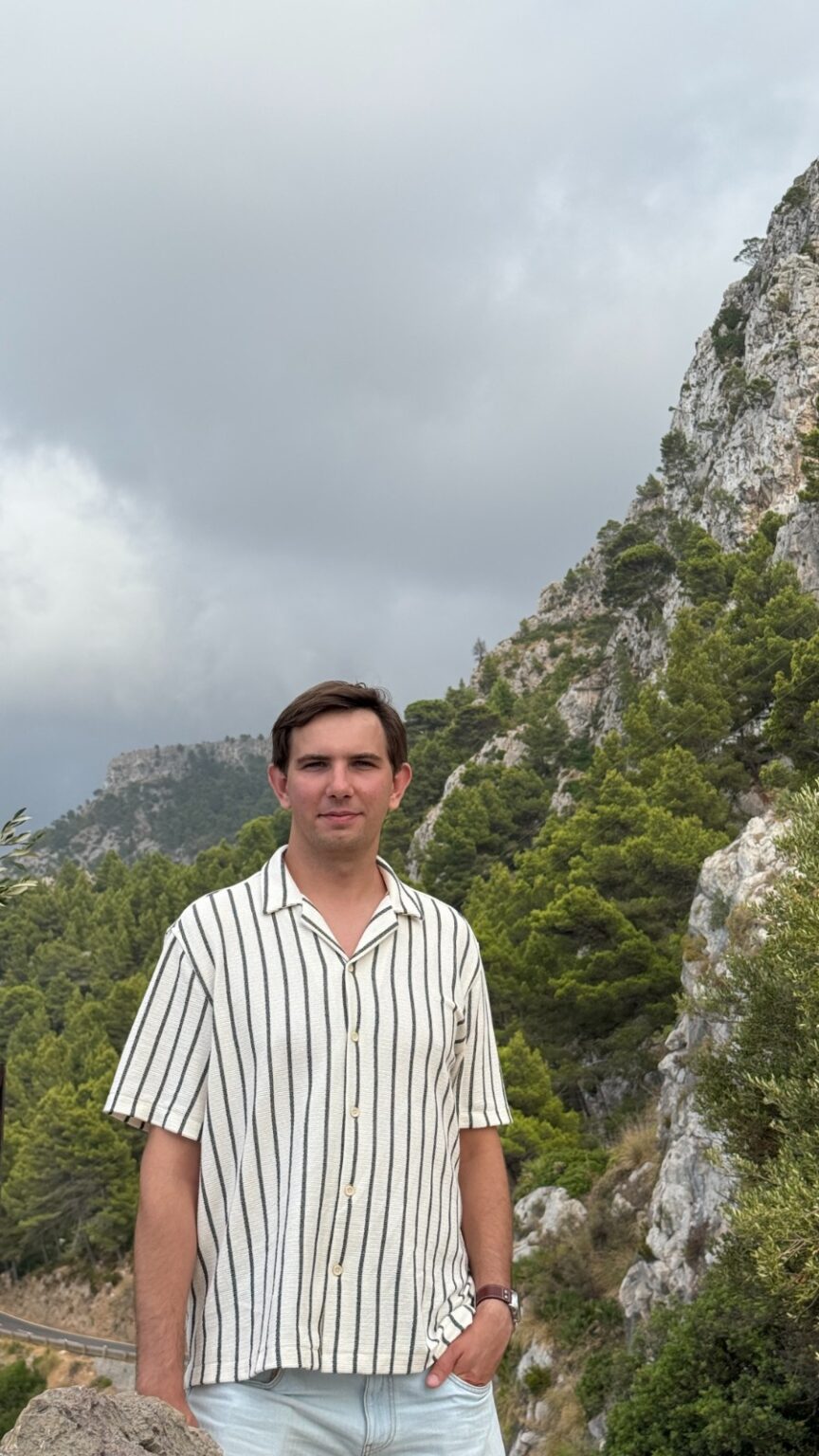
Oleh Klymenko is a software engineer, founder of teckdeck.io, and technology professional with more than a decade of production development experience, primarily in backend engineering with Python. Originally from Mariupol, Ukraine, he now lives in Warsaw, Poland, where he continues to build, learn, and think about what meaningful work can look like.
A Practical Mind Finding Its Place
Oleh’s story begins in Mariupol, an industrial city in Ukraine where he grew up with an early interest in mathematics. Algebra and geometry appealed to him because they offered a way of thinking that felt structured and challenging. When software engineering began growing rapidly in Ukraine, his parents encouraged him to consider it as a possible path.
He decided to try.
What began as a practical choice gradually became something much more personal. At Mariupol College of Mechanics and Metallurgy, where he studied Software Engineering, Oleh discovered that programming gave him the kind of problems he genuinely enjoyed solving. Algorithms and data structures were not simply academic subjects to him. They were puzzles that required patience, logic, and curiosity.
During his college years, he began to understand that software engineering could become more than a field of study. It could become a craft.
He later continued his education at university in Kharkiv, Ukraine’s second largest city. By his second year, he had already started working because he wanted to see how what he was learning could function outside the classroom. The decision reflected something fundamental about his personality. Oleh describes himself as a practical person, someone who learns best when knowledge has a real purpose.
Balancing university with work was demanding, but it gave him something valuable. By the time he graduated, he already had experience working on production software. Instead of waiting until the end of his studies to enter the professional world, he had spent those years gradually becoming part of it.
That early combination of study and practice helped establish the direction he would continue following for years.
When Software Became More Than a Subject
There was no single dramatic moment when Oleh decided that software engineering was his future. The realization came through experience.
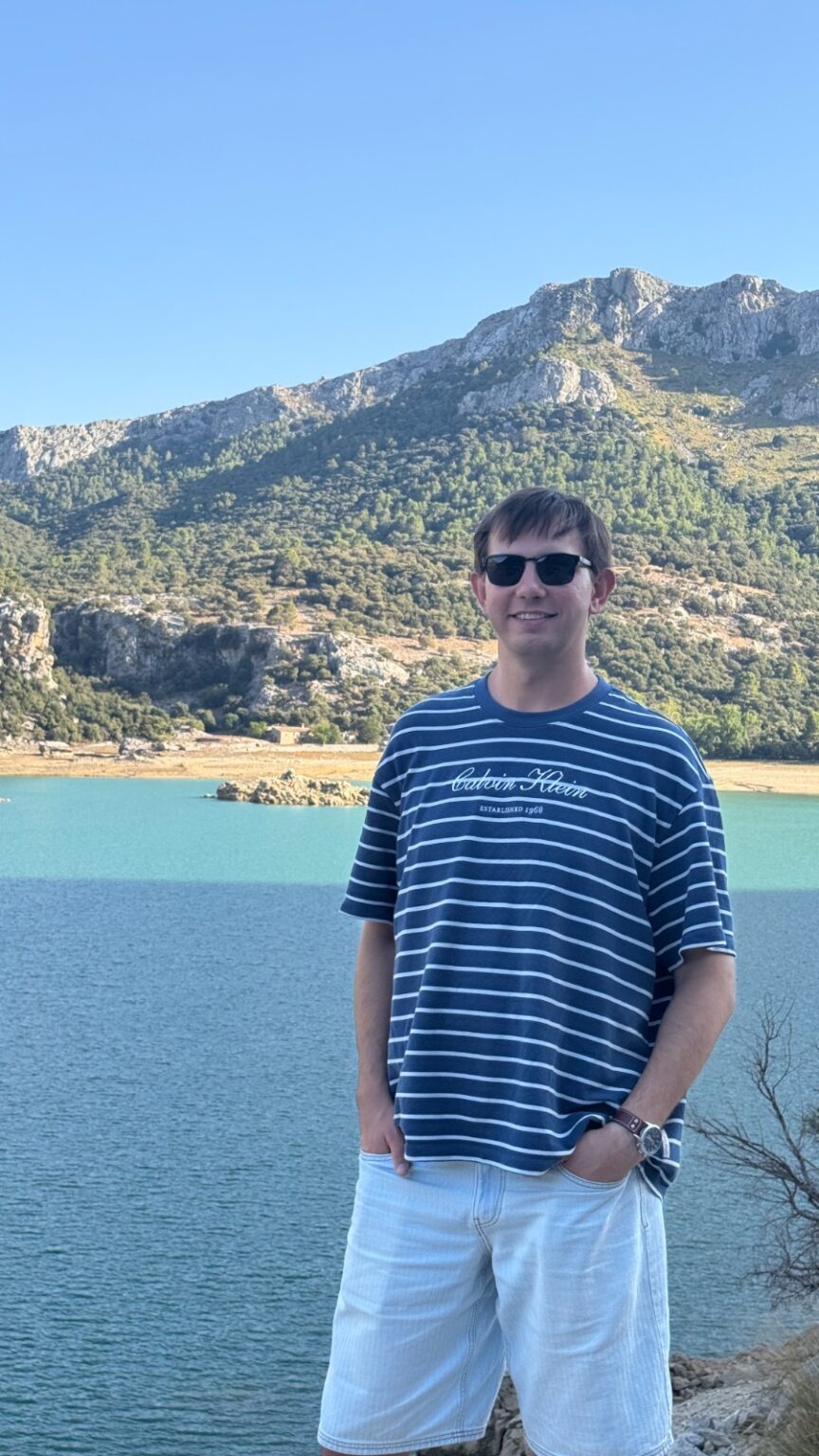
Somewhere during his first or second year of college, practical software engineering problems began to feel different from the exercises he had encountered before. They were real problems with real consequences. They required more than knowing an answer. They demanded experimentation, persistence, and the ability to keep working when the first solution did not work.
That was when his interest deepened into something closer to love for the discipline.
He began developing his professional identity through doing. Rather than seeing software engineering as an abstract technical field, he found satisfaction in the process of taking an idea, breaking it into smaller problems, understanding how the pieces connect, and eventually making something function.
Over more than ten years in production development, he has remained particularly focused on backend engineering, with Python becoming an important part of his professional toolkit. His experience has given him a perspective shaped less by theory alone and more by the realities of building software that needs to work.
There is a quiet consistency in that path. Oleh did not appear to be chasing a particular title or trying to create a carefully designed career narrative. He was following the parts of the work that interested him and learning through experience.
His career has grown through a simple principle: understand what matters, keep learning, and continue moving forward.
Leaving Mariupol and Learning How to Begin Again
The most difficult chapter of Oleh’s story did not come from software engineering.
It came from war.
The Russian siege of Mariupol forced him to leave Ukraine and confront questions far removed from programming or career development. Where should he go? What would happen next? How could he rebuild a life when so many people he cared about remained in an environment of extreme uncertainty?
For Oleh, leaving was not simply a geographical move. It meant separating from a familiar world while carrying concern for relatives and friends who were still in Mariupol.
At the same time, he had to think about his own future and the future of his immediate family. The experience changed the scale of the questions he was asking himself.
Professional growth measured through
- Projects
- Experience
- Technical skills
- Career decisions
Still important, but within a larger understanding of
- A stable life
- A meaningful life
- Caring for family
He had his wife and family to care for. That responsibility became a source of strength.
Rather than allowing uncertainty to completely define his future, Oleh chose to keep building a life that could contain happiness, curiosity, work, and relationships. He did not describe this as an easy process. It was a matter of continuing despite circumstances that could not be controlled.
His experience also gave greater meaning to something that appears repeatedly in his values: connection.
Friendship, honesty, and relationships are not separate from his professional life. Technology may be his craft, but the people around him are central to why he continues to build.
Creating Something of His Own
The idea behind teckdeck.io grew from a desire to create something useful with a team.
For Oleh, founding a project was not simply about attaching his name to something new. It was about the possibility that he and other people could take an idea and turn it into something that might be valuable to others.
Deciding what to build, and why
His hope is that teckdeck.io can have a positive influence on individuals and communities, even if the full extent of that impact is still developing.
Explore teckdeck.ioAs a software engineer, he has spent years helping create and maintain products within professional environments. As a founder, he has had the opportunity to take greater ownership of an idea from its earliest stages. Teckdeck.io is particularly meaningful to him because he created the project from scratch.
He does not present the project as something that has already transformed an industry. In fact, he is careful not to make claims about his impact that he does not believe are justified. That restraint says something about how he approaches his work.
For Oleh, impact can begin with creating something that genuinely helps people.
He remains open to the possibility that another project may follow in the future, carrying with it lessons from everything he has experienced so far. That openness is important to his identity as both an engineer and a founder. He is not treating his current project as the final destination. It is part of an ongoing process.
A Definition of Success That Includes Life
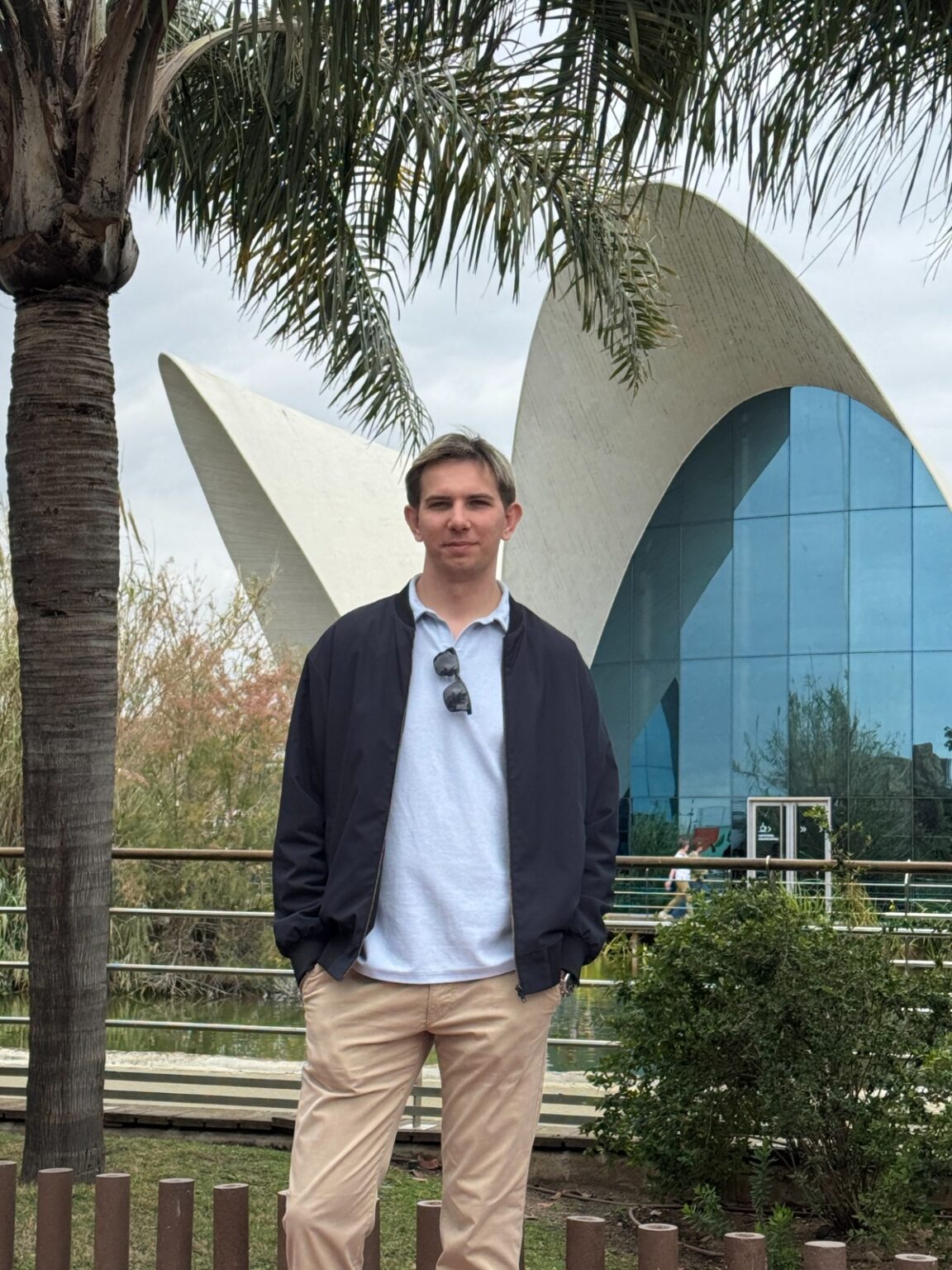
Oleh’s idea of success extends beyond professional achievement. That broader definition is significant because it reflects what happened when his circumstances changed so dramatically.
His priorities suggest that he does not want professional ambition to consume everything else. He wants to build a life where work has a meaningful place without becoming the only measure of whether life is going well.
- A career can be rebuilt.
- A project can be restarted.
- A technical skill can be learned.
- Relationships
- Time
That perspective also influences the way he thinks about personal growth. He continues to consider his life goals, his family, and the ways he can become a better person. He does not point to one particular role model or single individual who shaped his philosophy. Instead, he observes different people and takes from their lives the values he believes are worth carrying forward.
There is something humble in that approach. Rather than searching for one person to imitate, he gathers lessons from many people and decides what belongs in his own life. It is another expression of the independence that has shaped his career.
Building a Community Around the Work
Looking ahead, Oleh wants to create a project with a large community around it. The ambition is not simply to produce software and move on. He wants to build something that brings people together and creates a sense of shared participation.
Communities give ideas a longer life
- People contribute
- People learn
- People communicate
- People find value in the same place
Technology can be useful because it solves problems, but communities give ideas a longer life. For someone who has experienced the loss of familiarity and the challenge of starting again, community carries particular significance.
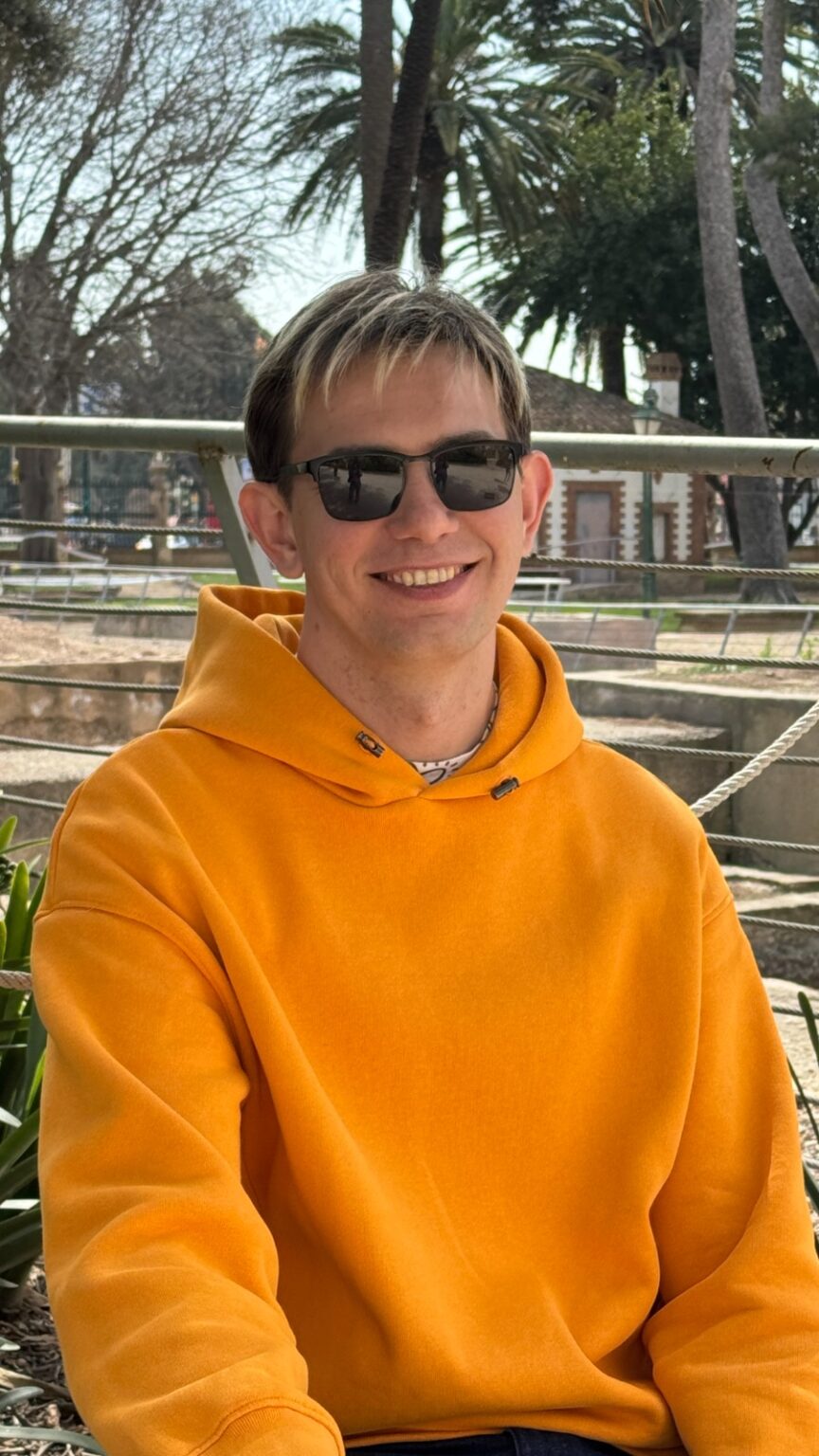
He has seen how much people depend on one another during difficult periods. He has also built a new life in a different country while continuing his professional journey. That experience may help explain why connection remains one of the values he considers essential.
His future is therefore not defined by one specific position or achievement. It is more open than that. There may be another product, another company, another idea, or another chapter that he cannot yet name.
What seems clearer is the kind of work and life he wants to move toward: something useful, something shared, and something that leaves people better connected than before.
Following a Path That Is His Own
Oleh’s philosophy can be summed up in a simple idea:
“Follow your own path. Everyone in this world is on their own journey, going through their own problems, experiences, and difficulties.”// Oleh Klymenko
It is advice that reflects his own life without needing to turn his story into a lesson for everyone else. His path has included education, professional growth, entrepreneurship, displacement, uncertainty, family responsibility, and starting again in a new country. None of those experiences followed a perfectly predictable sequence.
Yet there is a consistent thread running through them. He keeps moving.
study()when he wants to understand somethingwork()when he wants to apply what he knowsbuild()when he sees an idea worth exploringadapt()when circumstances demand itimprove()when the future is uncertain, rather than comparing his life with someone else’sThat philosophy also protects him from a particular kind of pressure. He does not need to measure his progress against another person’s career, business, or public success. Instead, he can ask a more personal question: Is he becoming the person he wants to be?
What Comes Next
There is still plenty that Oleh does not know about his future. He does not have every next project mapped out, and he is comfortable admitting that. For now, his attention remains on:
The future he imagines is not only professional. It includes time with people he loves, friendships that remain genuine, opportunities to keep learning, and the freedom to enjoy the life he has worked to rebuild.
His story demonstrates that starting again does not necessarily mean leaving the past behind. The experiences that shaped him in Mariupol, the years spent studying and working, the challenges of leaving Ukraine, and the lessons of building a new life in Poland all remain part of the person he is becoming.
For Oleh, perhaps the most important part of growth is not arriving at one final destination. It is continuing to make choices that feel honest to who he is.
Sometimes a meaningful life is built through smaller decisions made consistently: learning something difficult, helping someone through uncertainty, caring for family, creating something useful, staying open to people, and continuing forward when the path changes.
Oleh Klymenko is still building that life. And perhaps that is the most honest description of where his journey stands today.
“You just need to improve yourself, your skills, your feelings, and follow your heart.”
// Oleh KlymenkoThere is no grand promise in that idea. There does not need to be.
For More Features
Be Featured in The Real Edit!
Every story has the power to shape how we see innovation, leadership, and purpose. If you’re a founder, creator, executive, or changemaker with a journey worth telling , we’d be honored to help you share it.
To inquire about being featured:
Email us at: info@realedit.site
Follow The Real Edit