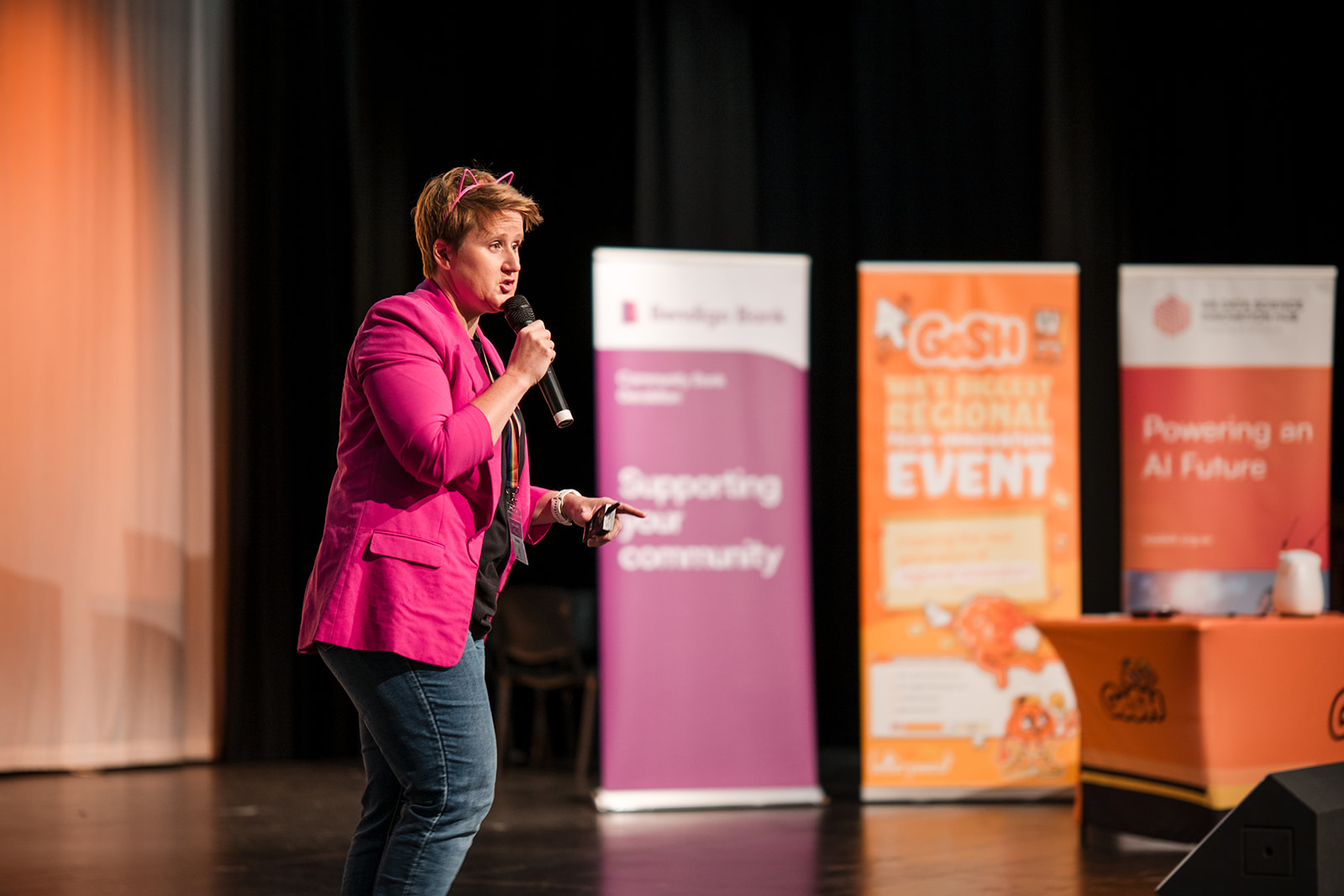
Jenny RuddIs Building a Fairer Path to Justice
The founder of Dispute Buddy on turning the tool she once needed in family court into technology that helps people find coercive control in years of text messages.
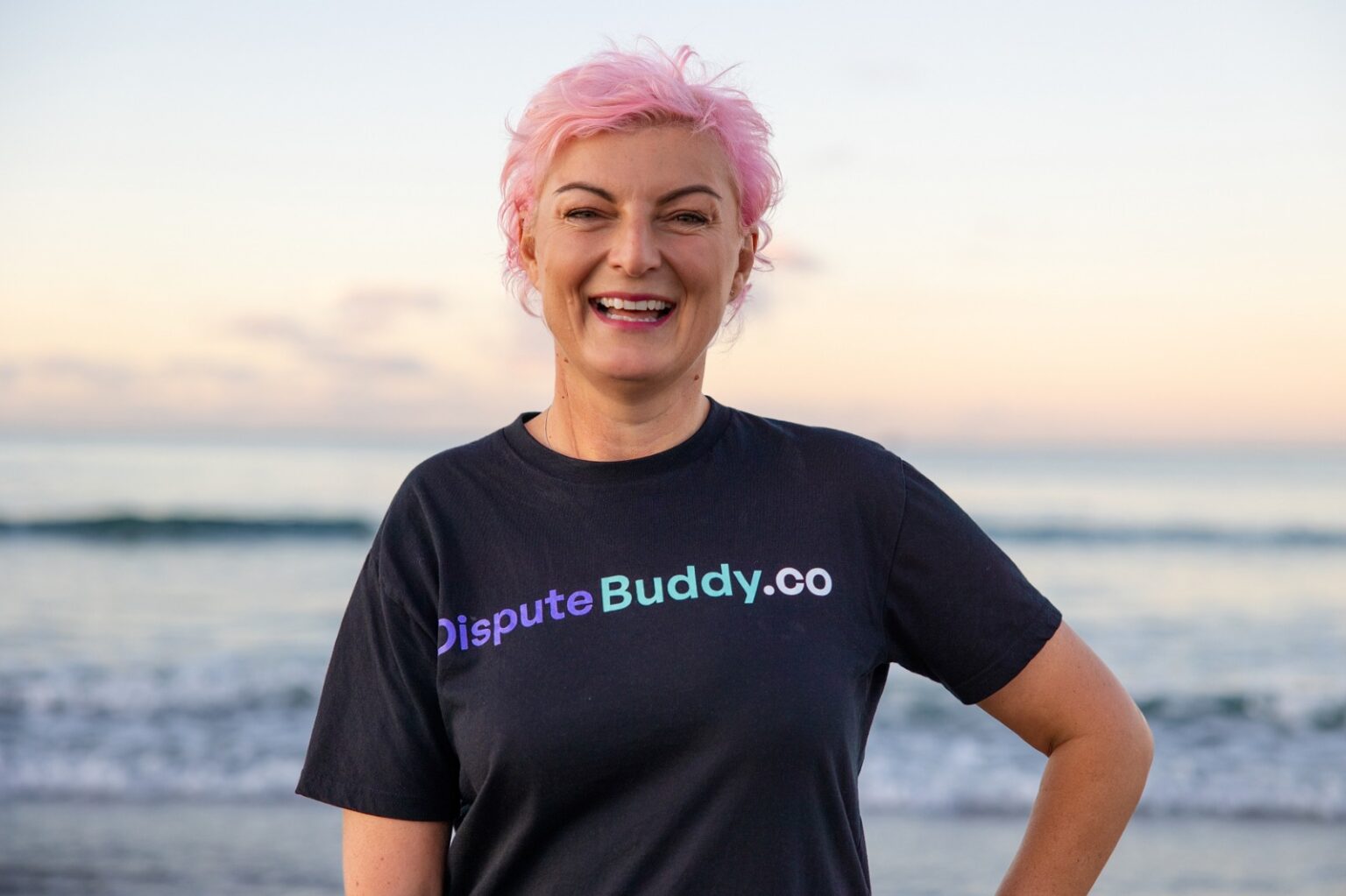
Jenny Rudd is the founder of Dispute Buddy, a technology platform designed to help people identify patterns of coercive control and psychological abuse within years of text messages and organise that information into a report that can assist a lawyer. Based in Mount Maunganui, New Zealand, she brings experience across finance, publishing, parenting, writing, and entrepreneurship to a business shaped by both professional conviction and deeply personal experience.
The Problem She Could Not Leave Unsolved
For Jenny Rudd, the work she does today did not begin with a business plan. It began with a problem she desperately needed someone to solve.
She had reached family court and needed to make her children safe. Her lawyer asked her to provide years of text messages so they could be examined and used as evidence. Jenny assumed there would be a straightforward piece of technology that could take an enormous archive of messages and make sense of it.
There was not.
That absence stayed with her. What she encountered was not simply a gap in software. It was a gap between what people were experiencing and what the systems around them were equipped to understand. Years of messages can contain patterns that are difficult to see when someone is emotionally exhausted, frightened, or trying simply to get through each day. For someone living through psychological abuse, going back through those messages can itself be deeply distressing.
Jenny eventually saw an opportunity to build the tool she had once needed herself.
“Dispute Buddy creates access to justice”— Jenny Rudd
Her conviction comes from the belief that the ability to navigate a legal problem should not depend entirely on someone’s financial resources or their ability to organise years of painful evidence.
That idea sits at the centre of her work. Dispute Buddy is not simply about finding information in messages. It is about helping people make sense of experiences that may have been confusing, minimised, or difficult to explain.
A Career That Never Followed a Straight Line
Jenny’s path to technology was anything but conventional.
After university, her first job took her into the world of sports spread betting in London in 1999. She became the first woman in London to work as a sports spread betting trader, entering a field where she was breaking new ground from the beginning.
Later, life took her in a different direction. She became a mother and spent a significant period raising her children while continuing to work as a freelance writer. The slower rhythm of those years was different from the intensity of her early professional life, but it also gave her a wider understanding of what work, family, and responsibility could look like.
Then came publishing.
Jenny and her husband, Mat Tomlinson, bought a magazine publishing company when it was struggling and turned it around before eventually selling it successfully. During that chapter, they launched She EO, a magazine centred on women in leadership and entrepreneurship. The publication attracted significant names, including Hollywood actress Selma Blair on its cover, while Canadian Prime Minister Justin Trudeau attended its launch.
For Jenny, those achievements mattered. But they also taught her something about the kind of business she wanted to build next.
After selling the magazine company, she knew she wanted her next venture to be technology enabled, focused on a specific niche, sold directly to consumers, and particularly useful to women.
- Technology enabled
- Focused on a specific niche
- Sold directly to consumers
- Particularly useful to women
Then her own experience gave that ambition a much sharper purpose.
When Personal Experience Became a Product
Building Dispute Buddy required Jenny to turn a painful personal experience into something useful for other people.
That is not an easy transition. Personal experience can provide insight, but it can also bring emotional weight. Jenny is still dealing with the circumstances that originally led her to create the company, while simultaneously helping thousands of other people navigate their own difficult situations.
That proximity to the problem has influenced how she thinks about product design.
One example is the way Dispute Buddy handles the messages themselves. Users do not have to sit and read every painful exchange as they work through their history.
Jenny understands that repeatedly exposing someone to distressing material can make an already difficult process harder.
Her experience has therefore become part of the company’s empathy, but it has not become its entire identity. She is building for people whose circumstances may be very different from hers, while remaining attentive to the emotional reality behind the data.
There is a particular kind of understanding that comes from having needed a solution before you knew how to build one. Jenny knows what it feels like to be on the other side of the problem. She knows what it means to have thousands of messages but no obvious way to turn them into something a lawyer can use. That perspective continues to shape the questions she asks about the product.
For her, technology has value when it reduces friction in moments when people have very little capacity left.
The Moment the Market Pulled Her In
Dispute Buddy’s early growth brought an unexpected test.
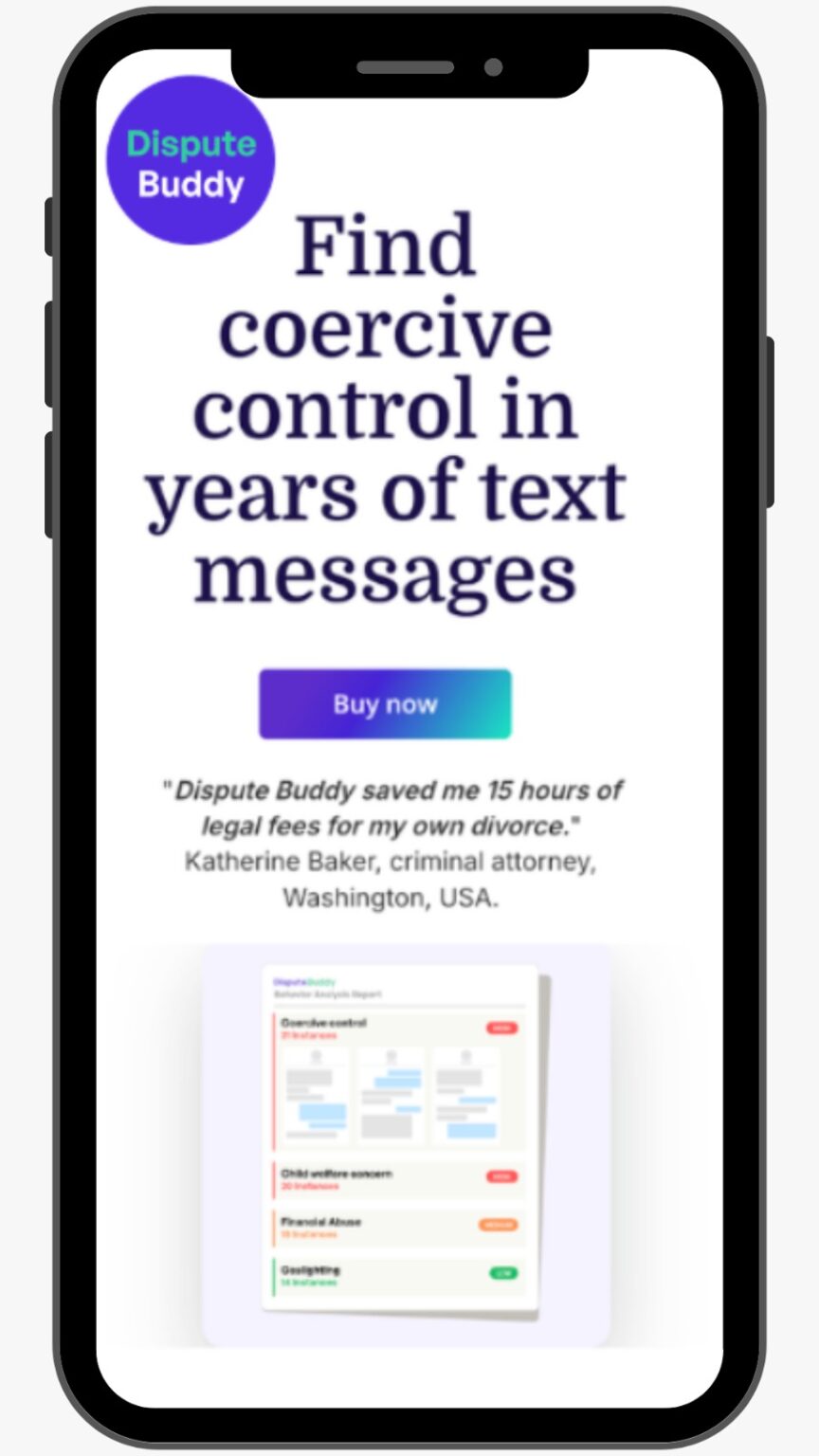
In September 2025, a LinkedIn post about the product went viral. At the time, the company was still in an early testing stage, and there were plenty of imperfections left to address. The team was not yet convinced that it was ready to move aggressively into the United States.
The response changed that.
People who had lived through similar experiences immediately recognised the problem Dispute Buddy was trying to solve. Demand came from the United States with a force that the company could not ignore. Despite advice from investors to avoid entering the American market too early, the users themselves created the momentum.
For Jenny, that moment was significant because it demonstrated something that cannot always be discovered through planning alone. Sometimes a market tells you what matters by reaching for a product before it is completely polished.
The experience also reinforced something central to Jenny’s way of working. She does not believe every decision needs to be perfect before action begins. She prefers to start, build, learn, and improve along the way. That approach is reflected in the values she has established within the company.
Make decisions that are good for everyone affected.
Keep things simple and clear.
Get things done, with the understanding that a decision can be revisited when new information emerges.
There is practicality in that philosophy, but there is also a deeper principle. Jenny does not want complexity to become an excuse for inaction.
Building Something That Gives People a Voice
The people who use Dispute Buddy are often arriving at the platform during some of the most difficult periods of their lives. They may be trying to understand what has happened to them, protect their children, or prepare for a legal process they never expected to enter.
That makes the emotional response to the product particularly meaningful.
Jenny says the messages her team receives from users are among the things that keep everyone moving forward. Some people describe the experience of finally recognising that what happened to them was not their fault and that there was a pattern behind years of seemingly disconnected incidents.
For someone who has spent years questioning their own understanding of events, having language for what happened can be a significant shift.
This is where Jenny’s frustration with inequality becomes closely connected to her business mission.
She sees inequality as inefficient because the people most affected by major social problems are often the least likely to have the resources needed to solve them. Her criticism is not limited to the legal system. It reflects a broader belief about who gets to build solutions and whose experiences are considered valuable enough to shape them.
Dispute Buddy is one answer to that question.
It does not claim to replace lawyers or the legal system. Instead, it helps people organise information so that their experiences can be presented more clearly. In doing so, it addresses a practical barrier between a person having evidence and being able to make meaningful use of it.
Jenny’s goal is not to make the legal process louder. It is to make the evidence clearer.
Success Looks Closer to Home
For someone building a company with an international reach, Jenny’s definition of success is surprisingly intimate.
She talks about swimming in the ocean every day, living near her parents, watching her five children grow into their own lives, and sharing life with her husband. Alongside those personal anchors is the privilege she feels in being able to work on a problem she genuinely cares about.
- 🌊Swimming in the ocean every day
- 🏡Living near her parents
- 👧Watching her five children grow
- 💛Sharing life with her husband
- ✨Work she genuinely cares about
That combination matters because Jenny does not separate professional success from personal life.
Her ambition is not simply to build a large company. She wants the work to leave something behind that matters to women and girls. When she imagines the end of her life, the measure she returns to is whether her work made a material difference to their lives in New Zealand and beyond.
It is a long view of entrepreneurship.
There is no suggestion that every day is easy or that purpose removes difficulty. Instead, there is a sense that meaningful work becomes more sustainable when it is connected to the things that matter outside work too.
Leading Without Waiting for Permission
Jenny’s approach to leadership reflects the way she has moved through the rest of her career.
She has entered unfamiliar industries, raised children, returned to professional life, rebuilt a struggling publishing company, created a magazine, and eventually built technology around a problem she had personally encountered.
At each stage, she has had to act before certainty was available.
That may explain the advice she would most readily give to someone else.
“Never, ever wait for permission to do something. If you really want to solve a problem, then you’re probably the best person suited to do it.”— Jenny Rudd
There is a difference between acting without thought and refusing to wait for someone else to validate an idea. Jenny’s career suggests the latter. She pays attention to evidence, listens to users, makes decisions with the information available, and adjusts when circumstances change.
The viral response to Dispute Buddy is an example of that mindset at work. So is the decision to build a product around a problem that had once seemed too personal and too complicated to solve.
She is not waiting for the perfect conditions.
A Future Measured by Difference, Not Scale
The next chapter for Jenny is likely to bring further growth for Dispute Buddy, particularly as awareness of coercive control and psychological abuse continues to develop across different communities and legal systems.
But the deeper ambition remains remarkably consistent.
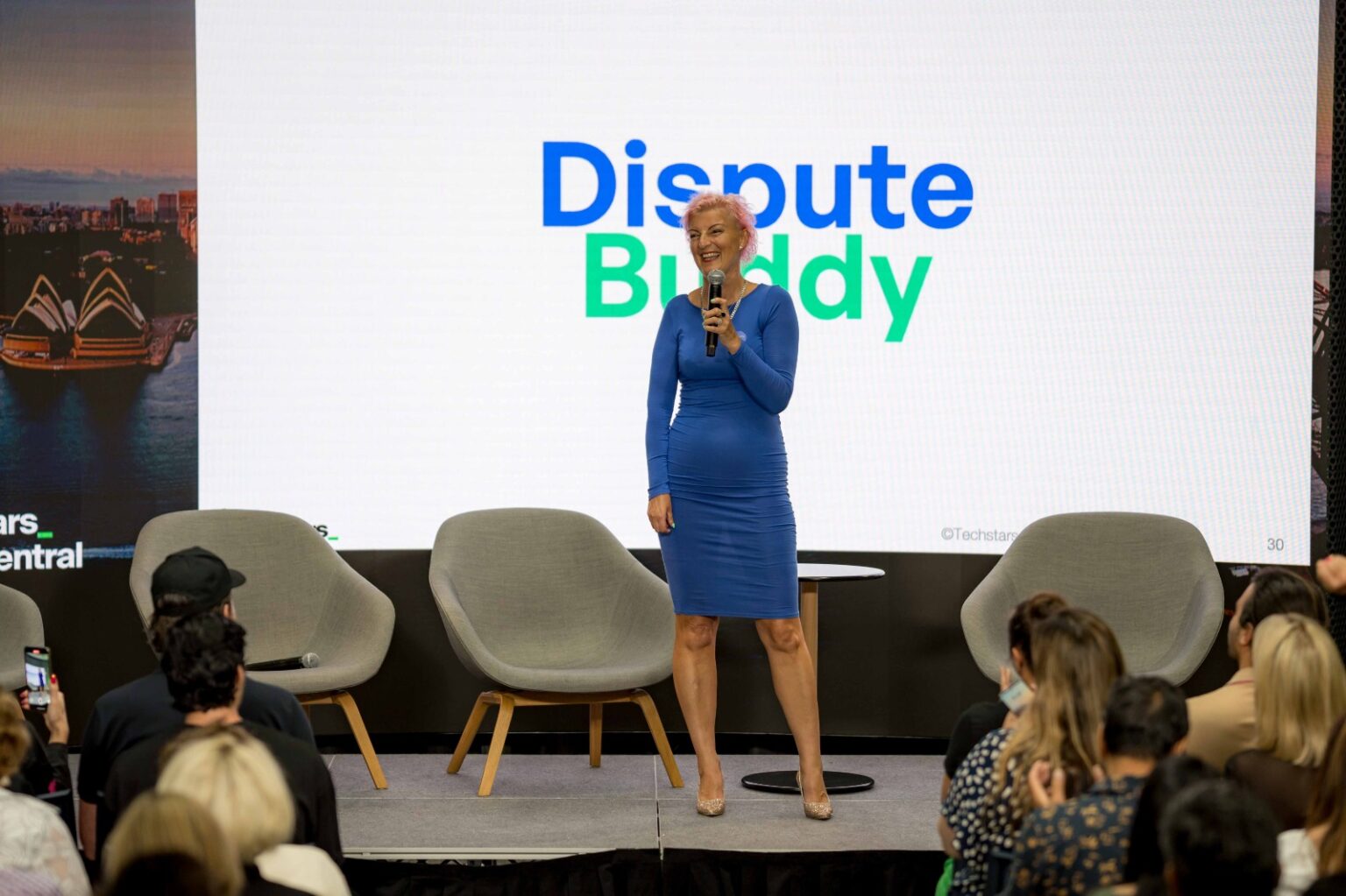
She wants more people to have access to tools that can help them understand their experiences and communicate them clearly. She wants technology to reduce some of the practical and emotional barriers that prevent people from accessing justice.
And she wants the work to matter beyond the company itself.
For Jenny, the future is not defined only by how many people use Dispute Buddy or how far the platform travels geographically. Its meaning lies in whether the people who need it are better able to move forward because it exists.
That is a more personal way of thinking about technology. It places the human problem before the product.
The Work That Comes Back to Purpose
Jenny’s story has moved through several worlds, from financial trading in London to publishing, motherhood, writing, and now technology. On paper, those chapters may seem disconnected. In practice, they reveal a consistent willingness to step into problems, learn quickly, and find a practical way forward.
Dispute Buddy is the clearest expression of that instinct because it grew from a need she once had herself.
Her work is rooted in an uncomfortable truth: people can live through years of psychological abuse and still struggle to explain what happened, particularly when the evidence is scattered across thousands of ordinary messages. By creating a way to identify patterns within that material, Jenny is trying to make something invisible easier to see.
Her story also suggests that purpose does not always arrive as a grand calling. Sometimes it appears as a missing tool, a frustrating gap, or a question that refuses to go away.
Jenny found hers in a collection of messages she once needed help understanding.
Now she is building the help she wished had existed then, with the hope that someone else will not have to face the same problem without it.
For More Features
Be Featured in The Real Edit!
Every story has the power to shape how we see innovation, leadership, and purpose. If you’re a founder, creator, executive, or changemaker with a journey worth telling , we’d be honored to help you share it.
To inquire about being featured:
Email us at: info@realedit.site
Follow The Real Edit