- 1974First stepped into a karate dojo
- 5+ decadesOf martial arts experience
- 2009Left corporate life to teach full time
- July 2019Founded Jin Sei Ryū Karate-Dō International
- SydneyAustralia
Meet Ino
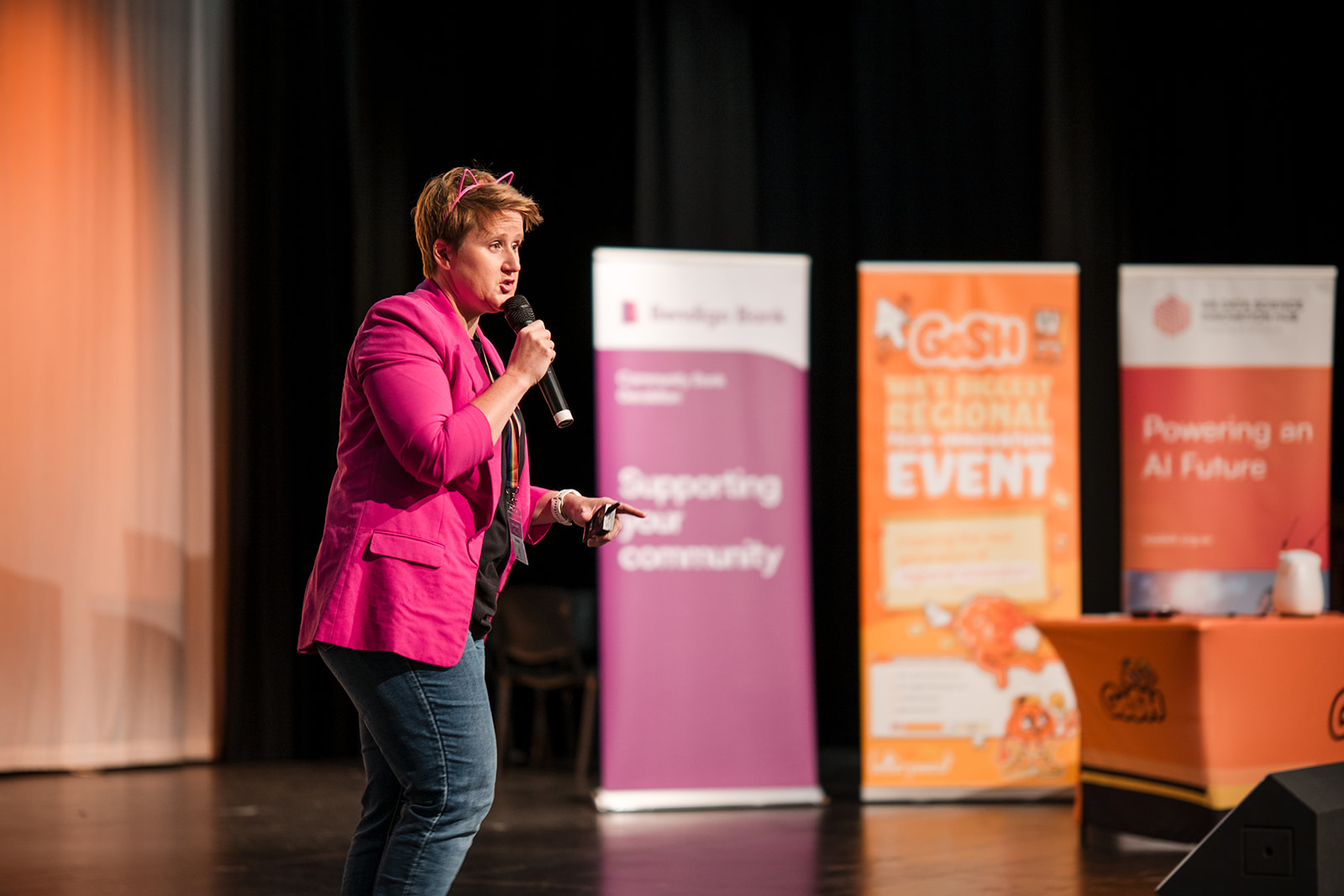
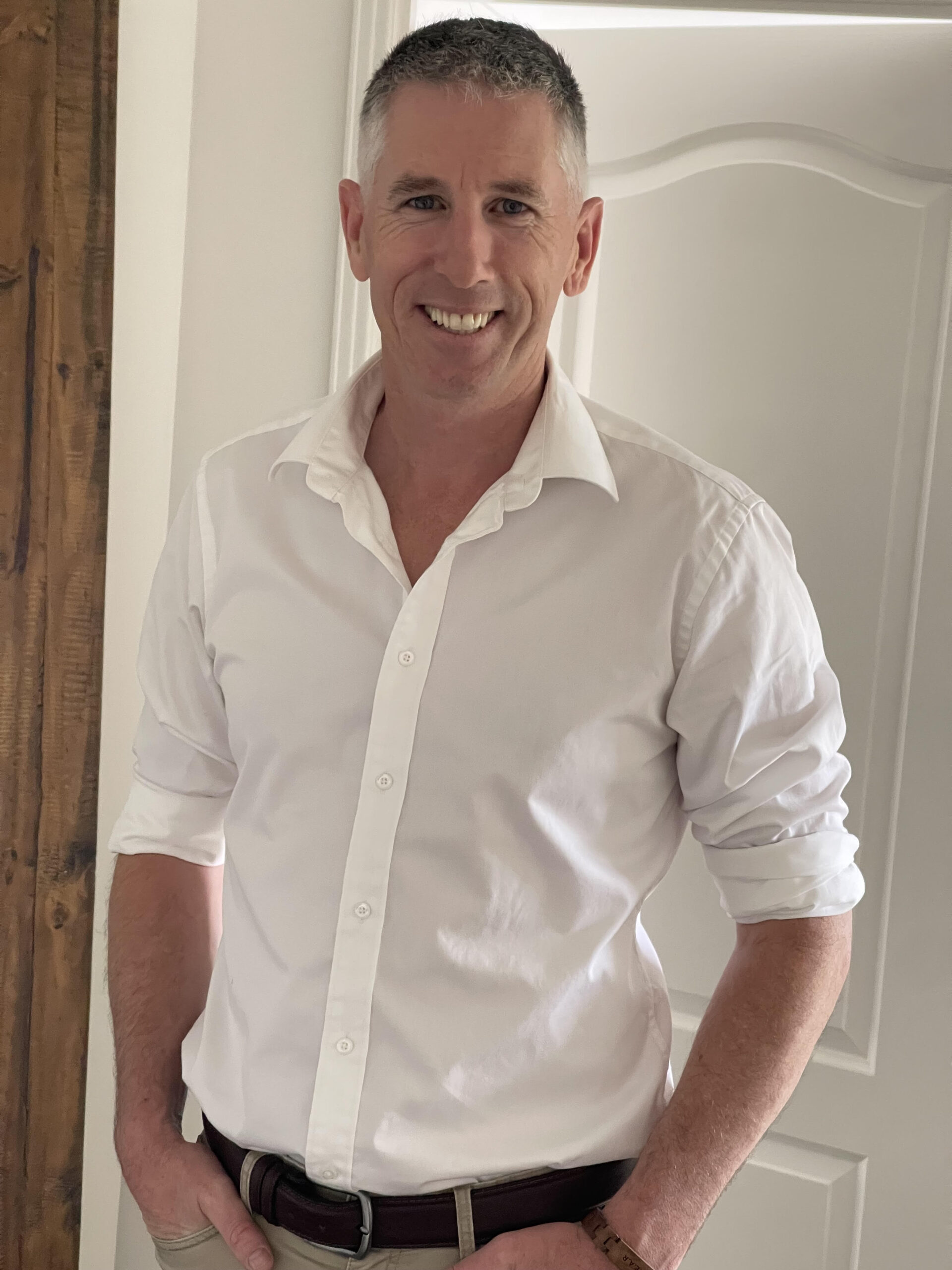
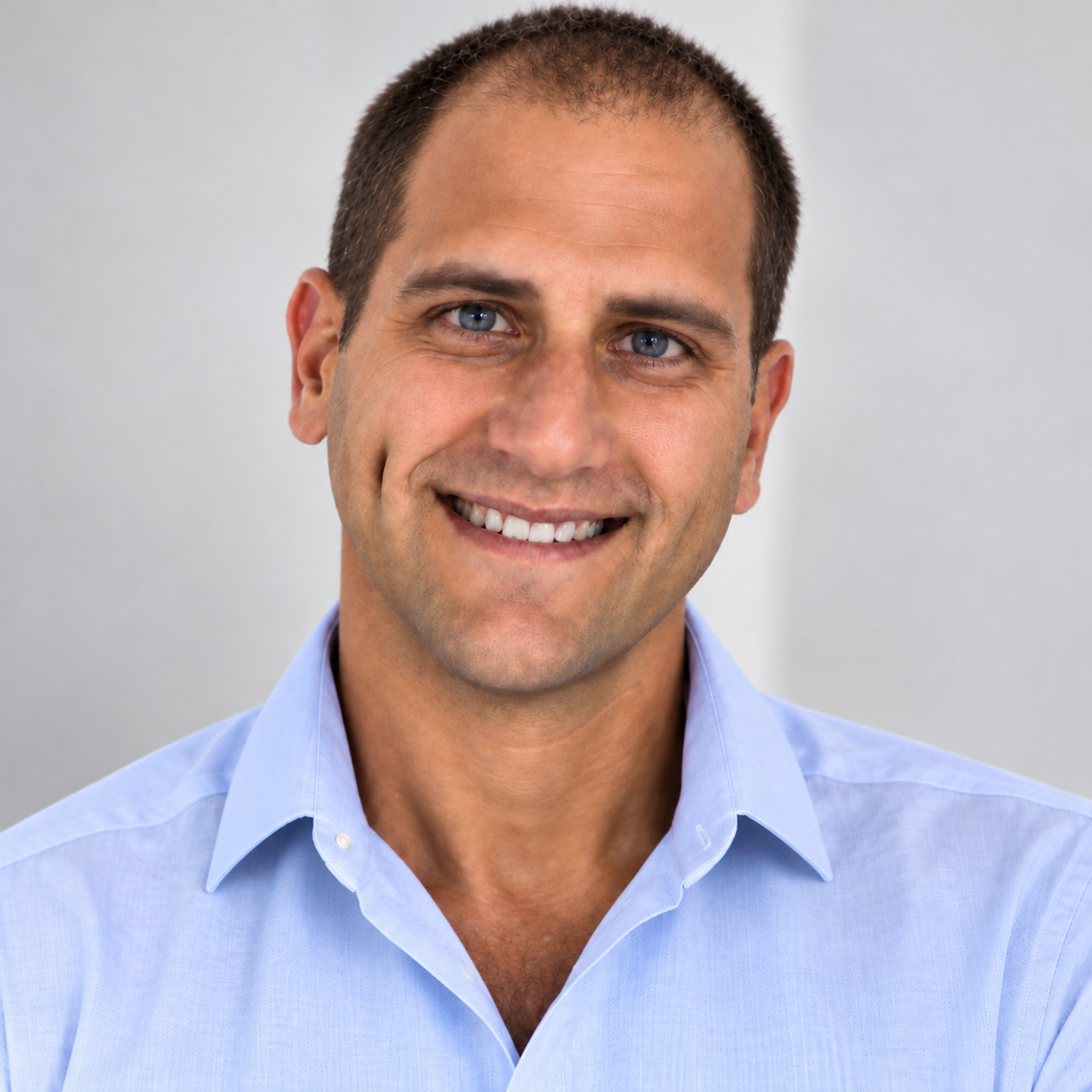
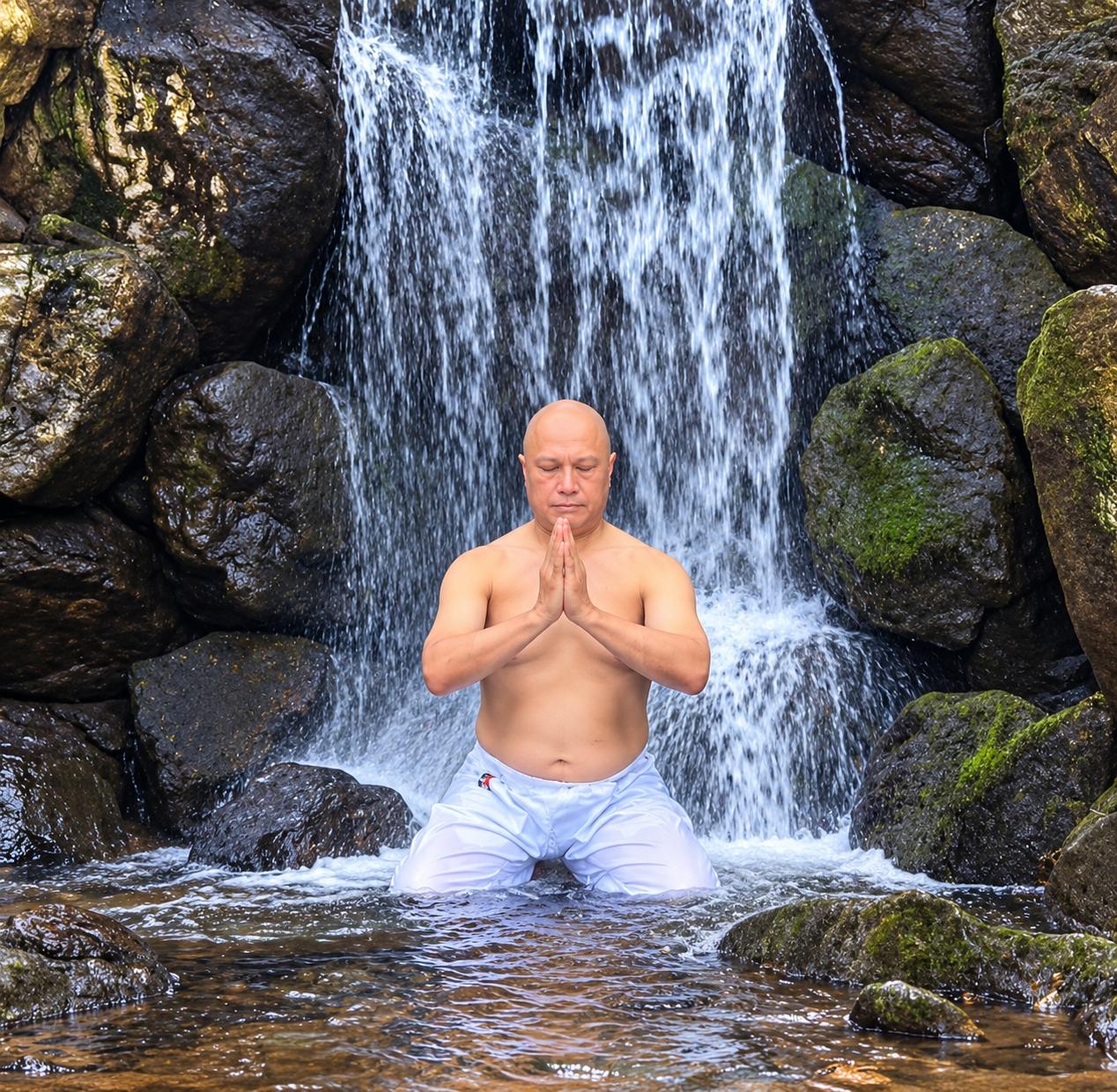
Ino Maquirang is the Founder and Managing Director of Jin Sei Ryū Karate-Dō International, a traditional martial arts organisation established in 2019. Based in Sydney, Australia, he brings together more than five decades of martial arts experience and a background in senior corporate leadership. Through teaching, writing, and community initiatives, he works to preserve the values of Budō while helping students develop discipline, confidence, humility, and a stronger sense of responsibility toward others.
A Journey That Began in a Karate Dojo
In January 1974, when Ino Maquirang was eight years old, he stepped into a karate dojo for the first time. At that age, he could not have known how profoundly the experience would shape his life. What began as a childhood interest gradually became a lifelong commitment, influencing not only his physical training but also his understanding of character, leadership, and personal growth.
Karate offered Ino more than a discipline to practise. As the years passed, he began to recognise the deeper principles behind the movements, routines, and expectations of martial arts. These became qualities to develop through consistent practice:
Patience
Perseverance
Humility
Self reflection
The dojo became a place where progress required honesty, where limitations had to be acknowledged, and where improvement depended on a willingness to keep learning.
His journey did not follow a single professional direction. Alongside his martial arts training, Ino built a corporate career that took him into senior leadership roles with:
PricewaterhouseCoopers
IBM Global Business Services
Macquarie Group
These organisations exposed him to complex business environments, strategic decisions, organisational development, and the responsibilities involved in leading teams.
Although corporate leadership and karate might appear to belong to different worlds, Ino found meaningful connections between them.
Both also demanded an understanding that individual performance could only take an organisation so far. Sustainable progress depended on the development of others.
His corporate experience strengthened his approach to mentoring and leadership, while martial arts continued to influence how he understood responsibility. Over time, the two paths became less like separate parts of his life and more like complementary sources of knowledge.
How organisations function
Business taught him how organisations functioned.
The person within them
Karate encouraged him to consider the kind of person he wanted to be within them.
That combination would eventually shape the next chapter of his professional life.
When Professional Success Was No Longer the Whole Story
Ino’s corporate career provided opportunities, professional recognition, and the security associated with senior executive positions. Yet his understanding of fulfilment gradually changed. Although he valued the experience he had gained in business, he found particular satisfaction in teaching and watching people grow.
The distinction was important.
Measured through
- Responsibilities
- Organisational results
- Career progression
A different kind of reward
It allowed him to see the gradual development of confidence, discipline, and understanding in another person. Progress was not always immediate or easy to quantify, but it could influence how someone approached challenges far beyond the training floor.
His decision to leave corporate life in 2009 and dedicate himself full time to teaching karate was therefore more than a career change. It represented a reconsideration of how he wanted to spend his time and experience. He was moving away from a familiar professional environment toward work that connected more directly with his personal values.
Ino explains the principle behind this shift clearly:
“I increasingly found that my greatest personal satisfaction came from teaching and witnessing the growth of my students.”— Ino Maquirang
The decision required him to reconsider conventional ideas of success. Senior corporate roles offered established structures and financial security, while a full time commitment to martial arts meant building his future around teaching, relationships, and the gradual development of a community. It was a choice that demanded conviction, patience, and a willingness to accept uncertainty.
His experiences had already prepared him for the difficulty of beginning again. Earlier in his career, Ino relocated from New York City to Sydney while working toward his professional future.
New York City
He had been pursuing a successful career on Wall Street, with established relationships and a promising path ahead.
Sydney
Moving to Australia meant leaving much of that familiarity behind and rebuilding his career as a management consultant with PricewaterhouseCoopers.
Starting again required more than transferring existing skills to a new country. He had to establish credibility in a different business environment, understand new professional expectations, and build relationships from the beginning. Previous accomplishments could provide experience, but they could not eliminate the need to adapt.
That transition reinforced an important lesson:
Experience is valuable, but it does not remove the need to remain open to learning.
A person may carry considerable knowledge into a new environment and still need the humility to begin as a learner.
Years later, the same willingness to reconsider his direction helped Ino leave corporate leadership for martial arts education. In both transitions, he had to accept that a meaningful future might require stepping away from what was already familiar.
These experiences also shaped his understanding of strength. Rather than seeing it only as the ability to endure difficulty, he came to recognise the value of reflection, patience, and knowing when to change direction. His martial arts practice gave him a framework for navigating uncertainty, while his professional life tested those principles in practical ways.
The result was a growing conviction that personal development is not simply about becoming more capable. It is also about deciding how those capabilities can be used in service of others.
Founding Jin Sei Ryū and Defining His Own Principles
In July 2019, Ino founded Jin Sei Ryū Karate-Dō International, bringing decades of training, teaching, and reflection into an organisation shaped by his understanding of traditional Japanese martial arts. The decision was a significant personal milestone.
Founding the organisation involved more than establishing schools or creating a structure for instruction. Ino needed to examine what he had learned, distinguish enduring principles from established conventions, and consider how traditional karate could remain relevant to people living in a changing world.
For him, preserving tradition does not mean refusing to adapt. It means understanding the values at the heart of a practice and ensuring they continue to inform how it is taught. Technical knowledge matters, but so does the character of the person who learns it. A student may become more proficient through training, yet the deeper purpose lies in how that learning influences everyday behaviour.
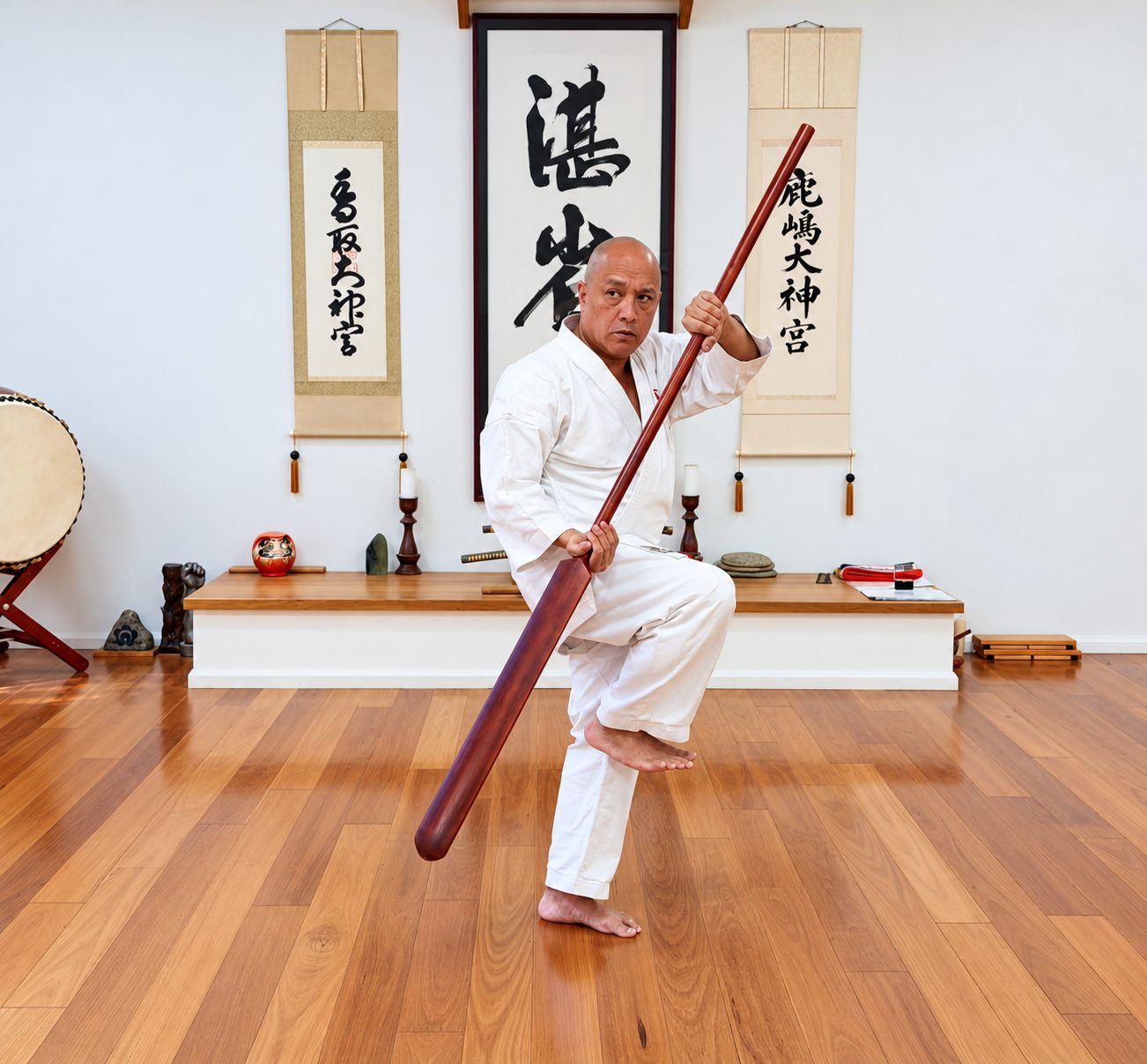
This distinction has become central to Ino’s approach. He wants students to develop their abilities while also becoming more thoughtful, responsible, and compassionate individuals. The organisation’s development is therefore connected to a wider educational purpose. Its value is not determined solely by the number of students it reaches, but by what those students carry into their lives outside the dojo.
Jin Sei Ryū Karate-Dō International today
Ino takes pride in this growth, but he places particular importance on the people who have developed through the organisation.
Watching students become capable instructors, and seeing those instructors guide others, gives the work a sense of continuity that extends beyond any individual career.
The development of future leaders is especially important to him. He wants instructors to understand the organisation’s principles without becoming dependent on his personal direction. They must be able to develop their own teaching approaches, respond to the needs of their students, and take responsibility for the communities they serve.
That approach reflects the leadership lessons he gained throughout his corporate career. Strong organisations need more than a capable founder. They need people who understand their purpose, make considered decisions, and can carry their responsibilities forward independently.
The Lessons That Continue Beyond the Dojo
For Ino, karate is not confined to physical training, technical ability, or progression through different ranks. Its lessons become meaningful when they influence how people respond to everyday situations.
Learning patience
May become more measured when facing difficulties at school or work.
Developing confidence
May become more comfortable expressing ideas or taking on responsibility.
Accepting correction
Can encourage greater openness to feedback in professional and personal relationships.
These changes do not necessarily happen through dramatic moments. They often emerge through repetition, small decisions, and the willingness to continue when progress feels slow. Ino understands that each student arrives with different circumstances, strengths, and ambitions. The role of a teacher is not to expect everyone to follow an identical path, but to help each person make meaningful progress from where they begin.
He also believes that technical achievement has limited value when separated from character. Rank and recognition may reflect years of dedication, but they cannot independently demonstrate kindness, integrity, or sound judgement. The qualities that matter most become visible in how people treat others, respond to setbacks, and use their abilities.
This philosophy informs the way he approaches teaching and organisational leadership. Students should be challenged, but they should also feel supported. Instructors should maintain standards while recognising that people develop at different rates. Progress should be encouraged without turning personal development into a competition over who can achieve the most visible results.
It is a perspective that gives his work a distinctly human focus. Rather than treating martial arts as an end in itself, he sees it as a setting in which people can learn about their own behaviour, understand their limitations, and develop the qualities needed to contribute positively to the lives of others.
This understanding also influences his approach to success. He does not believe it is his place to decide what achievement should mean for every student.
What progress might look like
Developing the confidence to speak in front of a group.
Overcoming a personal difficulty.
Becoming a reliable instructor.
Learning to approach disagreement with greater patience.
The measure is not whether everyone reaches the same destination.
It is whether individuals are becoming more capable of living according to their own values while treating others with respect.
Writing as a Way of Passing Knowledge Forward
Ino’s work has gradually expanded beyond teaching and organisational leadership into writing and publishing. His books provide another way to examine the experiences, principles, and questions that have shaped his understanding of martial arts.
Meditative Themes
Rather than treating personal development as a simple process of acquiring skills, the book considers the internal work involved in understanding oneself and living with greater intention.
The Essence of Jin Sei Ryū Karate-Dō
Develops these ideas through the philosophy and experiences behind the organisation he founded, documenting the values that inform its identity and the understanding of Budō that has emerged through his years as a practitioner and teacher.
Kyokasho
Contributing to a body of written work that preserves knowledge and offers future practitioners another way to engage with the tradition.
His writing reflects the habit of reflection developed through decades of practice. Training provides experiences, but those experiences do not automatically become wisdom. They require examination. A difficult period may reveal impatience or uncertainty, while a successful outcome may raise questions about responsibility and the influence a person has on others.
Writing gives Ino an opportunity to revisit those experiences and consider what they have taught him. It also allows him to share ideas with readers who may not have access to his classes or who are exploring personal development from different perspectives.
For Ino, documentation is important because knowledge should not depend entirely on one person’s memory or presence. Written materials and instructional videos can help maintain consistency, support instructors, and make it easier for students across different countries to access the same foundations.
His publishing work is therefore connected to a practical concern as well as a philosophical one. If an organisation is to continue developing across generations, its knowledge must be shared in ways that others can understand, question, and build upon.
Community, Service, and the Responsibility to Give Back
The values Ino brings to martial arts also extend into community life. Through charitable tournaments, fundraising activities, and outreach initiatives, Jin Sei Ryū encourages its members to see participation in martial arts as carrying responsibilities beyond personal development.
Raised for charitable and community causes through martial arts tournaments and outreach initiatives. While the amount reflects a tangible contribution, the wider intention is to help students understand that their abilities and opportunities can be used to support others.
Community service gives practical expression to principles such as compassion, respect, and responsibility. These values can be difficult to understand if they remain abstract ideas discussed only during training. Taking part in charitable activities creates opportunities for students to work together, recognise needs beyond their immediate circumstances, and contribute to something larger than individual achievement.
Ino’s approach to leadership is closely connected to this sense of responsibility. He believes that the influence of a teacher or leader should be visible in the people they help develop and in the communities those people go on to support.
His own journey has depended on the guidance of many others.
His parents
Encouraged him to pursue his ambitions and persevere through challenges.
His wife
Continues to inspire him through her kindness, authenticity, and support.
His adult son
Reminds him of the importance of passing values from one generation to the next.
Teachers & mentors
Their knowledge continues to inform his teaching.
His martial arts teachers and mentors have also played a lasting role. Even as their knowledge informs his teaching, his own students provide new perspectives and remind him of lessons he learned earlier in life.
This exchange between generations is an important part of Budō. Teaching does not end the process of learning. Instead, it creates new opportunities to reconsider familiar ideas, understand different experiences, and recognise that wisdom develops through relationships as much as through individual effort.
Building a Future That Can Grow Beyond Him
Looking ahead, Ino intends to continue developing Jin Sei Ryū Karate-Dō internationally while protecting the principles that give the organisation its identity. Growth matters, but he wants it to be supported by careful teaching, consistent standards, and a clear understanding of the organisation’s purpose.
Refining the technical syllabus and documenting it through written resources and instructional videos, to help preserve the organisation’s knowledge while supporting instructors and students in different locations.
Continuing to write about traditional karate, personal development, leadership, and the relevance of Budō to contemporary life.
Exploring improvements in teaching methods, techniques, and practical products that support martial artists in their training.
Continuing service through the Jin Sei Ryū Community Outreach Fund and its charitable initiatives.
His experience provides a broad foundation for this work, but his continued commitment to learning remains equally important. He sees himself not only as a teacher and leader, but also as a lifelong student.
With innovation, the challenge is to consider new approaches without losing sight of the values that make the practice meaningful. And the outreach work reflects his belief that the long term value of an organisation depends partly on what it contributes beyond its own membership.
Ultimately, he wants Jin Sei Ryū to become a lasting foundation that future generations can continue to develop. Its future should not depend entirely on his personal involvement. Instead, its instructors and members should understand its principles well enough to preserve them, apply them thoughtfully, and help them evolve.
This is a different kind of ambition from building a career around individual recognition. It asks a founder to think beyond immediate results and consider what will remain when his direct responsibilities have ended.
A Life Measured by the People Who Grow Alongside Him
Looking back, Ino’s journey connects several identities:
The child
who first entered a karate dojo
The corporate leader
who worked across demanding professional environments
The teacher
who chose to devote himself to martial arts
The founder
who established an international organisation
The author
who continues to record what he has learned
Each chapter has contributed something different
Strengthened his understanding of teams and organisational responsibility.
Taught him the humility of beginning again.
Decades of practice deepened his appreciation of discipline and reflection.
Showed him how personal growth can become a shared experience.
Gave him a means of passing knowledge forward.
What connects these experiences is his belief that development should extend beyond the individual.
Knowledge
becomes more valuable when it is shared.
Leadership
becomes more meaningful when it helps others become independent.
Achievement
gains depth when it is accompanied by compassion and responsibility.
Ino’s work continues to evolve, but its central question remains consistent: how can the lessons learned through experience help other people live with greater awareness, confidence, and purpose?
For him, the answer lies in the daily practice of learning, teaching, reflecting, and contributing. The legacy he hopes to leave is not simply an organisation with international reach or a collection of published books. It is a community of people who carry its values into their own lives and relationships, developing their abilities while helping others do the same.
After more than five decades in martial arts, his understanding of progress has become less concerned with reaching a final destination and more concerned with the quality of the journey. There is always something to improve, something to reconsider, and another opportunity to learn from the people around him.
“I would much rather see a student become a genuinely good and compassionate human being than an accomplished martial artist who has lost sight of these qualities.”— Ino Maquirang
That continuing pursuit is what gives his work its direction. Through Jin Sei Ryū Karate-Dō International, his writing, and his commitment to community, Ino Maquirang is working to ensure that the deeper lessons of Budō remain alive not only in the dojo, but in the choices people make long after they leave it.
A feature by The Real Edits
For More Features
Be Featured in The Real Edit!
Every story has the power to shape how we see innovation, leadership, and purpose. If you're a founder, creator, executive, or changemaker with a journey worth telling, we’d be honored to help you share it.
To inquire about being featured:
Email us at: info@therealedit.site
Follow The Real Edit