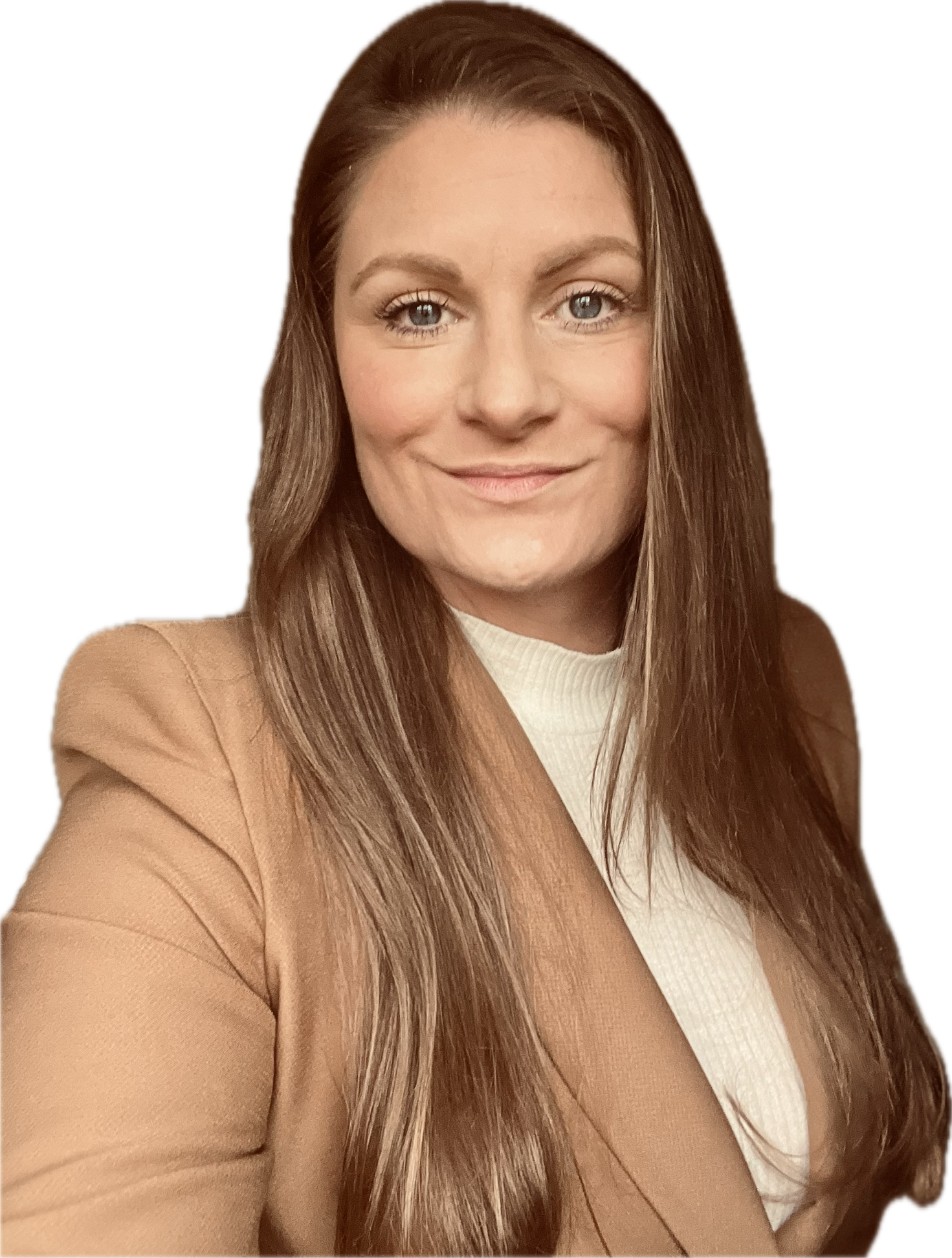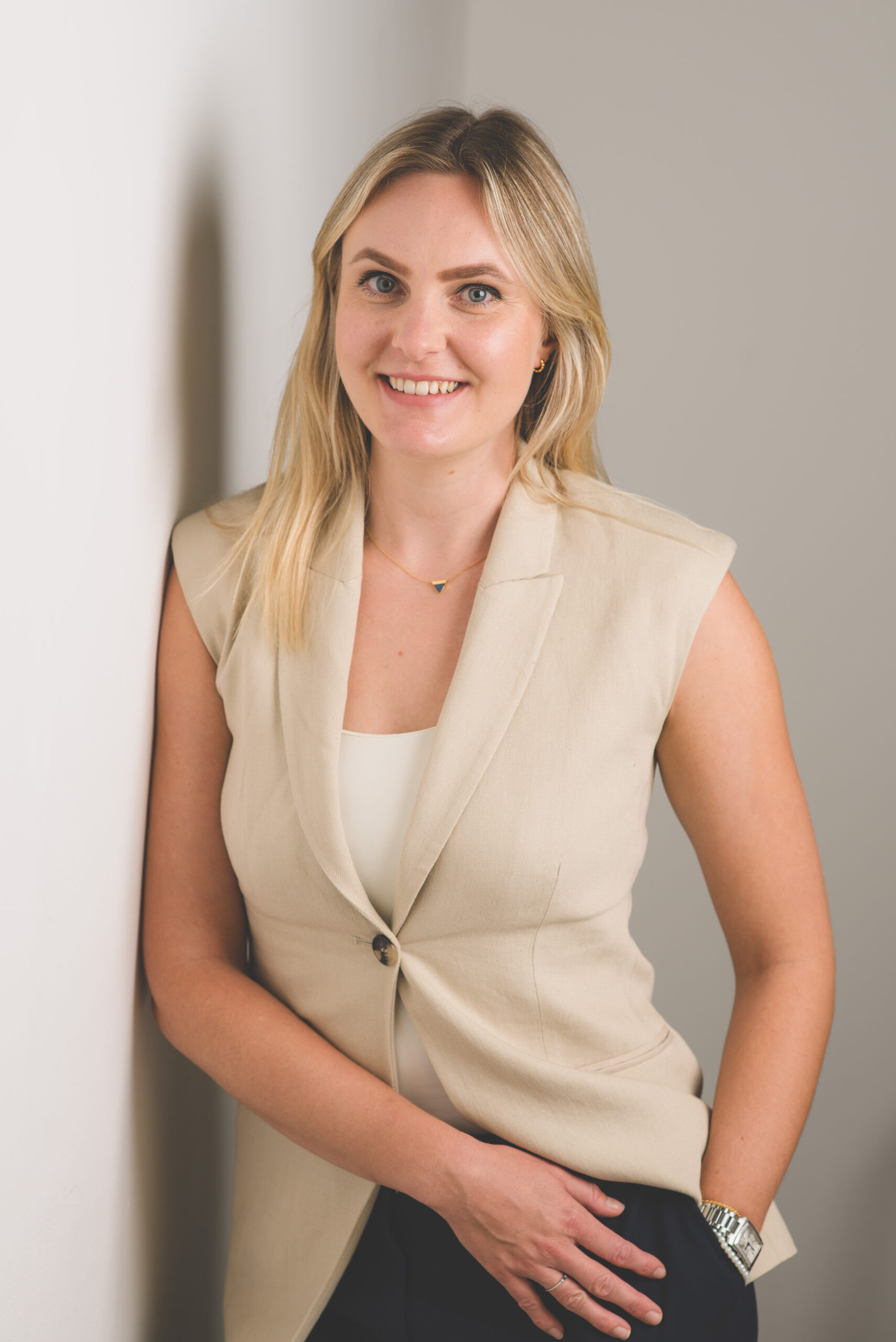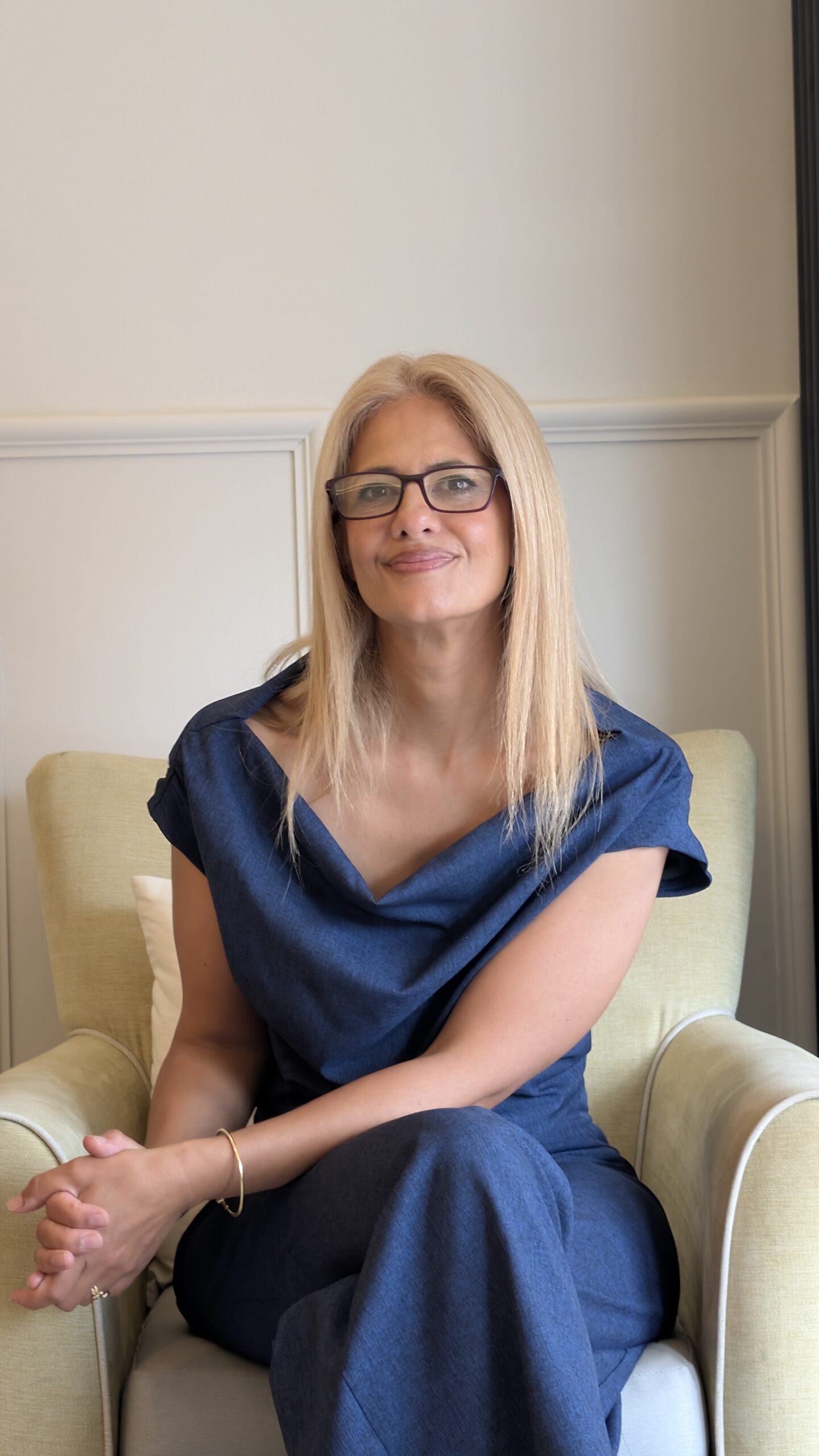
Meet Georgia
Georgia Lee Arts is the founder of the Occupational Wellness Institute™, an author, researcher, and creator of The Art of Structural Inquiry™. Based in Menomonie, Wisconsin, she draws on 24 years across the U.S. Air Force, Air National Guard, and Federal Civil Service, as well as later work in healthcare, organizational settings, writing, and research. Her work examines the relationship between identity, occupational systems, institutional structures, authority, economic outcomes, governance, and the conditions that shape human participation, contribution, and wellbeing.
When the Questions Became Bigger Than the Individual
Georgia Lee Arts has spent much of her life inside institutions where responsibility, identity, authority, and performance were not abstract ideas. They were part of everyday life.
Her professional journey began in military service and unfolded across surveillance operations, training and education, space operations, and federal civil service. Those experiences placed her within complex environments where people were expected to understand their roles, carry responsibility, perform under pressure, and contribute to something larger than themselves.
Over time, however, Georgia became increasingly interested in what happened around the individual as much as what happened within the individual.
She had seen how strongly institutions could shape the way people understood themselves. Roles could provide belonging and purpose while also creating identities that became difficult to translate when circumstances changed. Expectations could influence behavior. Language could determine what was recognized. Organizational structures could affect whether a person felt capable, useful, visible, or understood.
Eventually, one question began to stay with her: what if some of the problems continually treated as individual problems could not be fully understood by looking at the individual alone?
That question would become much more than an intellectual exercise. It would become the foundation of a body of work that continues to expand.
Leaving One Identity Behind
One of the most significant transitions in Georgia’s life came after decades of military and occupational service.
Leaving a long professional identity can create a strange kind of uncertainty. Responsibilities may change, an environment may disappear, and familiar markers of contribution and recognition may no longer function in the same way. A person can remain the same while the structures that once made their identity legible have changed.
For Georgia, that experience deepened an interest in identity, transition, story, and meaning.
She began examining what happens when someone moves from one role into another, particularly when the previous environment provided a clear sense of purpose and belonging. She became interested in the space between a person and the systems around them, and in what can happen when those systems no longer know how to interpret someone’s experience.
Rather than accepting the idea that individuals simply need to adapt, become more resilient, or find a way to cope, she began asking a different set of questions.
What is the role asking of the person? What does an institution recognize, and what does it overlook? What assumptions are built into the way a problem is defined? What changes when the unit of inquiry changes?
For Georgia, these questions were not an attempt to remove individual responsibility. Instead, they opened the possibility of examining individual agency and structural conditions together.
That distinction became central to her thinking.
From Identity to the Structures Around Us
Georgia’s early published work explored identity and transition through writing.
In 2024, she published Dream Journey, Breaking the Dream Barriers™, an early published expression of an inquiry into identity, transition, inherited narratives, workplace harm, liminal spaces, and the tensions between peace and power. The work also developed questions about identity gaps that would later expand into her organizational and structural research.
The following year brought a much broader inquiry with The $2 Trillion Revenue Gap™. What initially appeared to be an economic question became an interdisciplinary examination of identity, perception, neurobiological dysregulation, attachment, leadership, collaboration, organizational culture, and structural conditions—and the ways these interacting forces can influence participation, wellbeing, performance, and economic outcomes.
The work connected the human experience of work with the systems surrounding it, moving the inquiry beyond what individuals contribute toward the conditions that influence whether people are able to participate, collaborate, and contribute in the first place.
Georgia also developed the concept of The Global Identity Gap™, extending the inquiry beyond a single national context and considering how identity-related patterns and structural conditions can appear across different cultures and societies.
The progression was gradual but significant. Questions about identity led toward questions about work. Questions about work led toward questions about institutions. Questions about institutions led toward authority, governance, stewardship, and the broader conditions through which people experience their working lives.
In December 2025, she established the Occupational Wellness Institute™, a nonclinical institute focused on research and definition of structural conditions within occupational systems.
In 2026, Arts formally defined Occupational Psychosis and began publishing the Occupational Psychosis Canon, extending the inquiry into occupational systems, institutional failure modes, authority, ethics, governance, and stewardship.
At the heart of this evolution was a willingness to reconsider where a problem begins.
As Georgia puts it: “What if it isn’t the person?”
The question is deliberately open. It does not declare that institutions are always responsible or that individuals have no agency. Instead, it asks whether the surrounding conditions deserve the same seriousness of examination as the person experiencing the outcome.
Making Structure a Legitimate Question
The Art of Structural Inquiry™ grew from this way of thinking.
For Georgia, structural inquiry means looking carefully at the roles, relationships, expectations, language, incentives, authority arrangements, decision structures, and institutional conditions surrounding an outcome.
It also means resisting simple explanations.
If burnout, conflict, disengagement, distress, or another difficulty becomes visible in an individual, that visibility does not automatically establish that the individual is where the problem originated.
This is an important distinction in Georgia’s work. She is not interested in replacing one oversimplified explanation with another. Instead, she wants more possibilities to remain available.
Occupational wellness has often been approached through individual wellbeing, resilience, mindset, coping, self-care, and performance. These areas have value, but Georgia believes there can be something missing when inquiry stops at the individual.
Her work asks what becomes visible when the surrounding environment is brought into focus.
That can include the expectations attached to a role, the way authority operates, how decisions are made, which behaviors are rewarded, how language defines acceptable conduct, and whether organizational arrangements support or undermine meaningful participation.
The result is a broader understanding of occupational experience. A person and a system are not necessarily competing explanations. They can be parts of the same inquiry.
The Human Question Beneath the Structural One
Although Georgia’s work increasingly examines institutions and systems, the human being remains at its center.
Her larger question has become one of human flourishing.
She did not begin her career by setting out to study flourishing. She arrived at the idea by following a series of questions about identity, participation, collaboration, difference, occupational wellness, authority, and the structures people inherit.
The connection became clearer over time.
People need conditions in which they can participate, opportunities to contribute, ways of belonging without being forced into sameness, and structures capable of accommodating difference without turning every difference into conflict.
For Georgia, this makes structural inquiry relevant far beyond the workplace.
The same questions can extend into communities, institutions, cultures, and the larger worlds people collectively create.
She is particularly interested in the tension between individual agency and structural conditions. Both can matter, and one does not have to erase the other.
This willingness to hold apparently opposing ideas together also shapes her inquiry. Rather than forcing tension into a premature resolution, she is interested in what becomes visible when competing realities are examined together.
Rather than rushing to eliminate tension, she allows it to become part of the inquiry.
Curiosity as a Way Through Uncertainty
Georgia’s approach has been shaped by curiosity.
When she encounters something she cannot immediately explain, her instinct is not necessarily to force it into an existing framework. She reads, writes, researches, changes perspective, and allows uncertainty to remain for a while.
That willingness has helped her follow questions beyond their original boundaries. It has also changed how she understands success.
Earlier in her career, success could be measured through recognizable structures: service, responsibility, achievement, rank, performance, and fulfilling a mission.
Today, she places greater value on having the freedom and courage to pursue a meaningful question without knowing exactly where it will lead.
Her goal is not simply to produce more material. She wants to build work that can remain useful beyond the moment in which it was created.
That idea of longevity connects closely with her growing interest in stewardship and what intellectual work leaves for those who come next.
Georgia sees the institutions people build, the language they normalize, and the ideas they leave behind as part of something that future generations will inherit. For her, intellectual work therefore carries a responsibility beyond the individual author.
The question becomes not only what can be achieved now, but what kind of foundation is being left for those who come later.
A Future Built Around Better Questions
Georgia’s future work is focused on the conditions that make human participation, contribution, coexistence, and flourishing more—or less—possible.
The Occupational Wellness Institute™ will continue developing research around occupational identity, structural conditions, institutional arrangements, authority, governance, and stewardship. Her Occupational Psychosis Canon is part of this developing body of work, including forthcoming exploration of stewardship and its implications.
At the same time, her work extends into a more imaginative space through The World of Elysian Dream®, known as The Place Between Worlds—an evolving, authored literary and intellectual world through which she explores identity, language, perception, story, human systems, and the worlds people inherit, imagine, and intentionally build.
These different strands of work share a common concern.
What happens when people stop looking only at the world they inherited and begin asking what they are intentionally creating?
For Georgia, worldbuilding is not simply about imagination. It is also about responsibility.
She is interested in whether human beings can create structures where difference does not automatically become exclusion, domination, polarization, or destruction. She is interested in coexistence without pretending that conflict and power can simply disappear.
As the inquiry widened, so did the scale of the questions.
Arts began asking, “What if the world itself needs a heroic journey?” and, later, “What if peace is not only something people choose, but something structures can make more—or less—possible?”
These questions extend her work beyond occupational systems toward the larger conditions through which people, institutions, and societies coexist, adapt, and build.
She does not expect one final model to answer these questions.
Human beings live across different cultures, histories, identities, environments, and experiences. Any meaningful inquiry must leave room for that complexity.
Instead, she hopes to leave a body of questions and ideas that future thinkers can challenge, extend, reinterpret, and take somewhere new.
What We Leave for Those Who Come Next
Georgia’s story is ultimately less about arriving at a final answer than about learning to trust the question.
Her military career, professional transitions, books, research, and institutions may appear at first to be separate chapters. Viewed more closely, they form a continuous movement from identity toward structure, from structure toward stewardship, and from stewardship toward human flourishing.
The questions have become larger because her field of vision has become larger.
She has learned that an explanation can be useful while still being incomplete. She has learned that uncertainty can be a threshold rather than a weakness. Most importantly, she has learned to look beyond what is immediately visible.
Her advice reflects that philosophy:
“Do not become so certain of an answer that you lose the ability to see what the answer leaves unexplained.”
It is a fitting principle for a researcher whose work began with questions about identity and gradually opened into a much wider examination of the structures surrounding human life.
Georgia Lee Arts is still asking where those questions will lead.
But perhaps that is precisely the point.
Her work is not built around the promise of a final explanation. It is built around the belief that better questions can reveal what has been overlooked, that perception can change what becomes possible, and that the structures people create today will eventually become part of someone else’s inheritance.
In that sense, her work asks something demanding of all of us.
Not simply what kind of lives we want to live, but what kind of world our choices are helping to make possible.
For More Features
Be Featured in The Real Edit!
Every story has the power to shape how we see innovation, leadership, and purpose. If you’re a founder, creator, executive, or changemaker with a journey worth telling , we’d be honored to help you share it.
To inquire about being featured:
Email us at: info@realedit.site
Follow The Real Edit