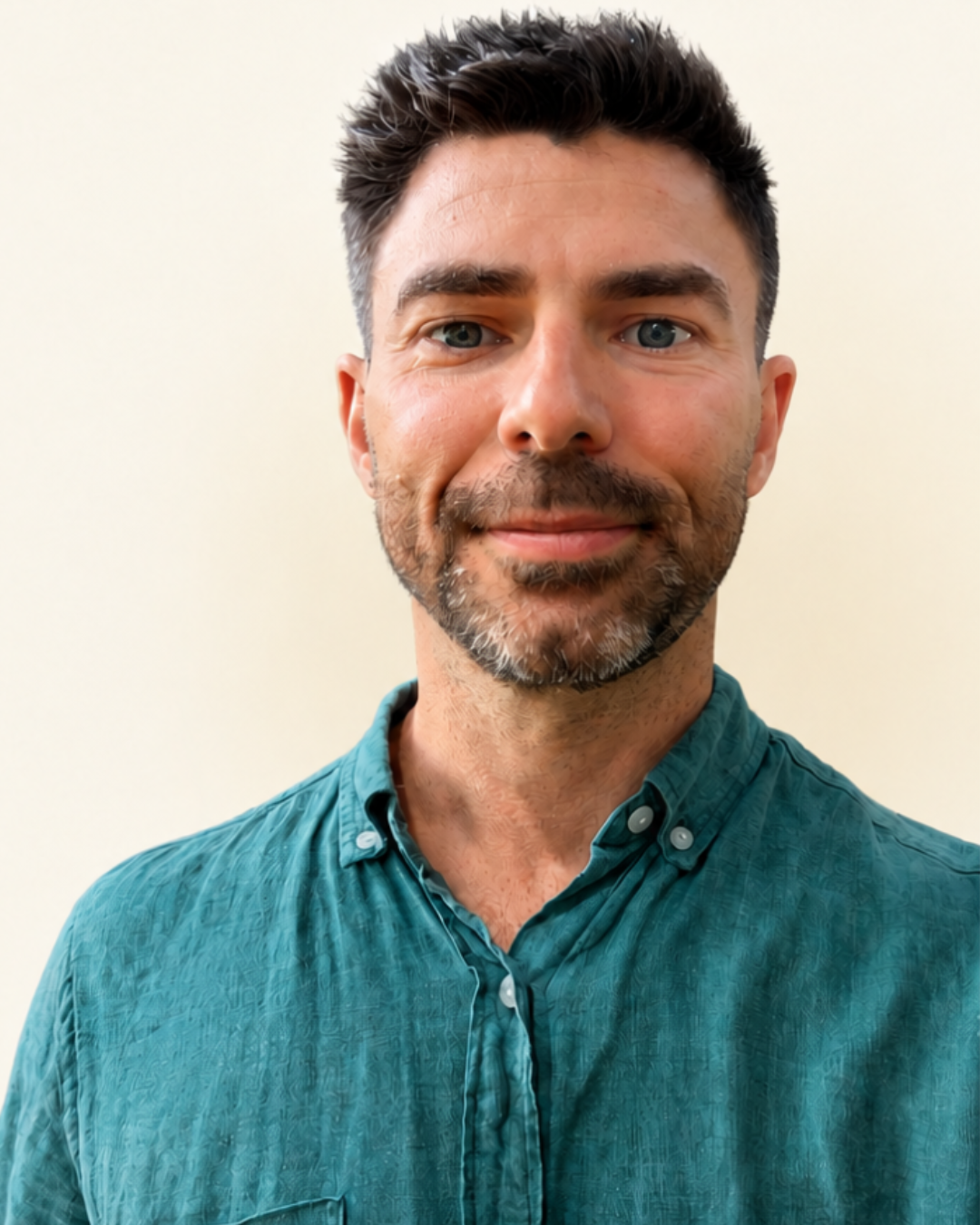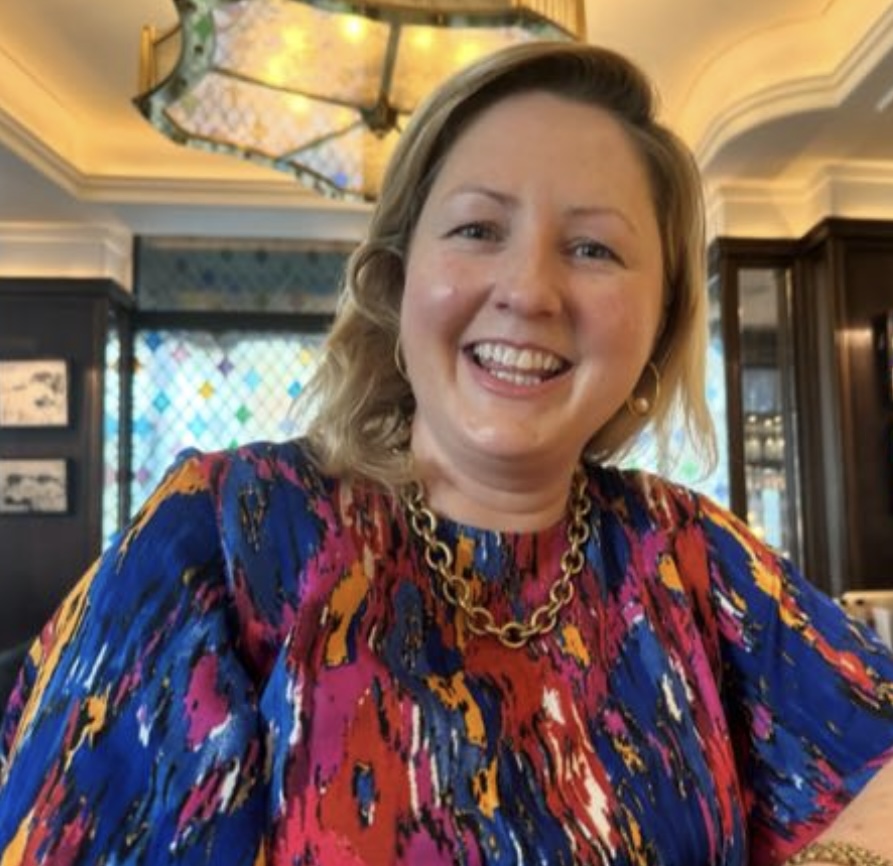
Meet Rachel
Dr. Rachel Edoho-Eket is an elementary school principal in Howard County, Maryland, whose work is rooted in education, leadership, and human connection. With more than two decades of experience, she has grown from a kindergarten teacher into a school leader, author, adjunct professor, speaker, and advocate for educators. Across each role, she has remained focused on one central belief: people do their best work when they feel seen, valued, supported, and capable of growth.
The Work Has Always Been About People
Long before titles, leadership positions, speaking engagements, or recognition became part of her professional life, Dr. Rachel Edoho-Eket understood something simple about education. The work begins with people.
Her journey started more than twenty years ago in a kindergarten classroom. It was there that she discovered teaching was not limited to lesson plans, academic standards, or classroom routines. The deeper work was found in relationships. It was in helping a child feel safe enough to participate, confident enough to try, and supported enough to believe that they could learn.
That understanding became the foundation of everything that followed.
Over time, Rachel moved into roles that expanded her responsibilities and her perspective. She became a mentor teacher, instructional team leader, assistant principal, and eventually a principal. She also served as the 2025 President of the Maryland Association of Elementary School Principals and has continued to contribute to education as an author, adjunct professor, keynote speaker, and advocate.
Yet the growth of her career has not changed the reason she entered the profession.
At the center of her work remains a belief that education is fundamentally human. Achievement matters, but people must feel that they belong before they can fully engage. Expectations matter, but they are most meaningful when paired with trust. Leadership matters, but its value is ultimately reflected in how it affects the people being led.
For Rachel, the work has never been simply about managing a school or building a professional résumé. It has been about creating environments where people can recognize their own potential.
A Grandmother’s Example and a Lasting Sense of Purpose
Rachel’s path into education began long before she became a teacher. One of the strongest influences in her life was her grandmother, an elementary school educator whose example gave Rachel an early understanding of what meaningful work could look like.
As a child, she saw the pride and purpose her grandmother brought to education. Teaching was not simply employment. It was a form of service. It was an opportunity to influence lives and to create possibilities for others.
That example stayed with Rachel.
When she eventually entered the classroom herself, she began to understand her grandmother’s influence from a different perspective. She experienced the relationships that develop between teachers, students, and families. She saw the importance of encouraging children who were still discovering who they were and what they could do.
The work felt personal because education is personal.
A classroom is filled with individuals carrying different experiences, strengths, fears, and hopes. Some children arrive confident. Others need someone to help them recognize abilities they cannot yet see in themselves. For Rachel, being part of that process became one of the most meaningful aspects of teaching.
Her early years also revealed that education could offer many ways to serve. As she moved into new positions, her responsibilities changed, but her sense of purpose remained steady.
Leadership gave her a broader view of what was possible.
She was no longer focused only on the students in her own classroom. She began to understand how the culture of an entire school could influence students, teachers, families, and the wider community.
That shift would become one of the most important turning points in her professional life.
Learning That Leadership Does Not Mean Having Every Answer
Moving from teaching into school leadership required Rachel to grow in ways she had not anticipated.
The transition from classroom educator to administrator changed the scale of her responsibility. As a teacher, she could directly shape the experience of the students in her classroom. As a leader, her decisions and relationships could influence an entire school community.
With that opportunity came pressure.
Like many people entering leadership, Rachel initially felt the weight of believing she needed to have answers. There was a desire to solve problems, respond to every challenge, and be available to everyone who needed support.
Over time, she learned that this was not sustainable.
One of the most significant lessons of her leadership journey was understanding that strength does not mean carrying everything alone. Effective leadership requires trust. It requires knowing what matters most and building relationships with people who can contribute their own knowledge, experience, and perspective.
She came to see leadership less as an individual performance and more as a shared responsibility.
That realization also changed the way she thought about authority. A leader does not need to stand above everyone else with a solution for every situation. Sometimes leadership means listening carefully. Sometimes it means bringing people together. Sometimes it means acknowledging uncertainty and creating space for others to contribute.
As Rachel puts it,
“Leadership is not about having all the answers; it is about building trust, listening well, bringing people together, and creating the conditions for others to succeed.”
This understanding was shaped not only by successful moments but also by difficult ones.
Leadership often involves conversations that cannot be avoided and decisions that will not satisfy everyone. Rachel learned how challenging it can be to balance accountability with empathy. There are times when expectations must be clear, but clarity does not require a lack of compassion.
Behind every challenge is a person.
That awareness has become central to the way she leads. She believes it is possible to hold high expectations while treating people with dignity. Empathy does not mean lowering standards. It means recognizing the humanity of the person standing in front of you.
These lessons were not learned all at once. They came through difficult seasons, mistakes, self reflection, and moments of uncertainty.
Rachel does not view those experiences as evidence of failure. She sees them as part of becoming.
She has learned that leadership is not about reaching a point of perfection. It is a continuing process of learning, adjusting, and growing.
When Connection Became the Center of Leadership
Throughout her career, one principle has become increasingly clear to Rachel: relationships are not separate from the work. They are what make the work possible.
A school can have strong programs, ambitious goals, and carefully designed plans. But those things cannot reach their full potential without trust.
Students need to know they belong. Teachers need to feel respected and supported. Families need to feel that they are genuine partners in their children’s education.
Rachel believes that when people feel seen and valued, they become more willing to take risks and engage in the work of growth.
This is why connection sits at the center of her leadership philosophy.
She wants the people she serves to experience her as a real person rather than someone simply performing the role of a leader. Authenticity matters to her. She believes people can recognize when leadership is genuine and when it is not.
Being authentic does not mean having no authority or avoiding difficult decisions. It means showing up honestly. It means listening, learning, acknowledging mistakes, celebrating others, and remaining humble even while leading with confidence.
Rachel also understands that trust takes time.
It is built through consistency. It grows when people feel heard. It becomes stronger when actions match words.
A simple message guides much of the way she approaches relationships: you matter, and your voice matters.
That belief extends to students, educators, families, and fellow leaders.
For Rachel, meaningful leadership begins when people understand that they are not invisible within the system around them.
Growing Beyond the Walls of One School
As Rachel’s career developed, her understanding of impact began to expand.
Her work as a principal remained deeply important, but new opportunities allowed her to reach beyond the school building. She began writing, speaking, teaching, and supporting other educators and leaders.
These experiences broadened her sense of what service could look like.
Education can sometimes feel isolating, particularly during difficult seasons. Teachers and school leaders are often expected to navigate complex responsibilities while continuing to care for the people around them.
Rachel believes they should not have to do that alone.
Through professional learning, writing, speaking, and leadership development, she shares both lessons and experiences from her own journey. Her goal is not to present herself as someone who has mastered every challenge. Instead, she hopes that what she has learned can offer encouragement or perspective to someone else.
Perhaps a school leader approaches a difficult conversation with greater empathy. Perhaps an educator feels less alone during a challenging period. Perhaps someone finds the confidence to continue growing.
Those moments matter to her.
Her work has earned recognition, including being named an ISTE+ASCD 20 to Watch honoree in 2026. She has also been recognized for her contributions as an education leader, author, speaker, and advocate.
But Rachel measures success differently from a list of professional accomplishments.
She is most proud of the people and communities connected to her work.
Within her school community, progress in student achievement, attendance, and engagement represents more than numbers. Those outcomes reflect the collective effort of students, educators, and families.
Beyond her school, the opportunity to support educators across the country has allowed her to continue a legacy that began with her grandmother.
Every opportunity to encourage a teacher, support a leader, or help a student believe in themselves carries that legacy forward.
Measuring Success by What People Carry With Them
Rachel’s definition of success is deeply connected to the effect a person has on others.
She believes success is knowing that the people she has been privileged to serve are better because she was part of their journey.
That belief shapes how she thinks about leadership.
Success is not only a successful initiative or a professional milestone. It can be a student who begins to believe in themselves. It can be an educator who feels valued after a difficult season. It can be a family that knows their voice is welcome within the school community.
It can also mean creating an environment where high achievement and humanity exist together.
Rachel does not believe schools should have to choose between strong outcomes and strong relationships. In her view, the two are deeply connected.
People are more likely to grow when they feel supported. They are more willing to take risks when they trust the people around them. They can face challenges with greater confidence when they know they do not have to face them alone.
This perspective also influences how she thinks about her own life.
Professional growth matters, but so do relationships, joy, and purpose. She has become intentional about protecting time and energy rather than allowing work to consume every part of her life.
Leadership can always demand more.
There will always be another responsibility, another meeting, another problem waiting to be solved. Rachel has learned that constantly giving without restoring herself is not a sustainable way to serve others.
She has become more comfortable with boundaries and more thoughtful about what deserves her energy.
Time with loved ones helps her maintain perspective. Staying connected to people who know her beyond her professional roles reminds her that she is more than her title.
She also reminds herself that difficult seasons eventually change.
They are part of a journey, not the entire story.
A Future That Keeps the Human Connection Intact
Looking ahead, Rachel wants to continue expanding her impact while remaining connected to the work that first inspired her.
She plans to continue growing as a school leader while creating more opportunities to support educators through writing, speaking, teaching, and professional learning.
One area that particularly interests her is the idea of sustainable leadership.
Education has become increasingly complex, and those working within it are often asked to manage enormous responsibilities. Rachel wants to explore how leaders can maintain high expectations without losing sight of relationships, well being, and joy.
For her, sustainable leadership is not about doing less simply for the sake of comfort. It is about learning to focus on what matters and leading in ways that people can continue over time.
She is also interested in the growing role of technology and artificial intelligence in education.
Rachel sees potential in these tools, but she remains grounded in the belief that technology should strengthen human work rather than replace human connection.
Schools are built around people.
No matter how education evolves, relationships will remain essential to learning and leadership.
She hopes to continue developing practical resources that educators can take into their schools and use in meaningful ways. She also wants to remain connected to other educators, believing that some of the strongest ideas emerge when people share their experiences honestly and learn from one another.
Her vision for the future is not centered on collecting accomplishments.
It is centered on growth, service, and widening the circle of people she can support.
As Rachel says,
“I want to use every opportunity I have to help educators lead with greater confidence, connection, purpose, and joy.”
The Quiet Work of Helping Others Believe
There is a thread running through every stage of Dr. Rachel Edoho-Eket’s journey.
It begins with her grandmother and the example of an educator who understood the importance of service. It continues through a kindergarten classroom, where Rachel discovered the power of relationships. It grows through the difficult lessons of leadership and expands into her work with educators beyond her own school community.
The thread is belief.
Belief in students who are still discovering their potential.
Belief in educators who need encouragement during difficult seasons.
Belief in leaders who are learning that they do not need to be perfect to make a difference.
Rachel’s journey is a reminder that influence does not always come from having the loudest voice or the biggest platform. Sometimes it happens quietly, through a conversation, a moment of encouragement, or the decision to make another person feel seen.
After more than twenty years in education, her roles may have changed, but the heart of her work remains familiar.
She continues to lead with the understanding that people remember more than achievements. They remember how they were treated. They remember whether someone believed in them when they were uncertain about themselves.
For Rachel, that may be one of the most meaningful forms of success.
To lead with authenticity. To continue learning. To remain connected to people. And, wherever possible, to leave someone with a stronger sense of what might be possible.
That is the work she has chosen to carry forward.
For More Features
Be Featured in The Real Edit!
Every story has the power to shape how we see innovation, leadership, and purpose. If you’re a founder, creator, executive, or changemaker with a journey worth telling , we’d be honored to help you share it.
To inquire about being featured:
Email us at: info@realedit.site
Follow The Real Edit