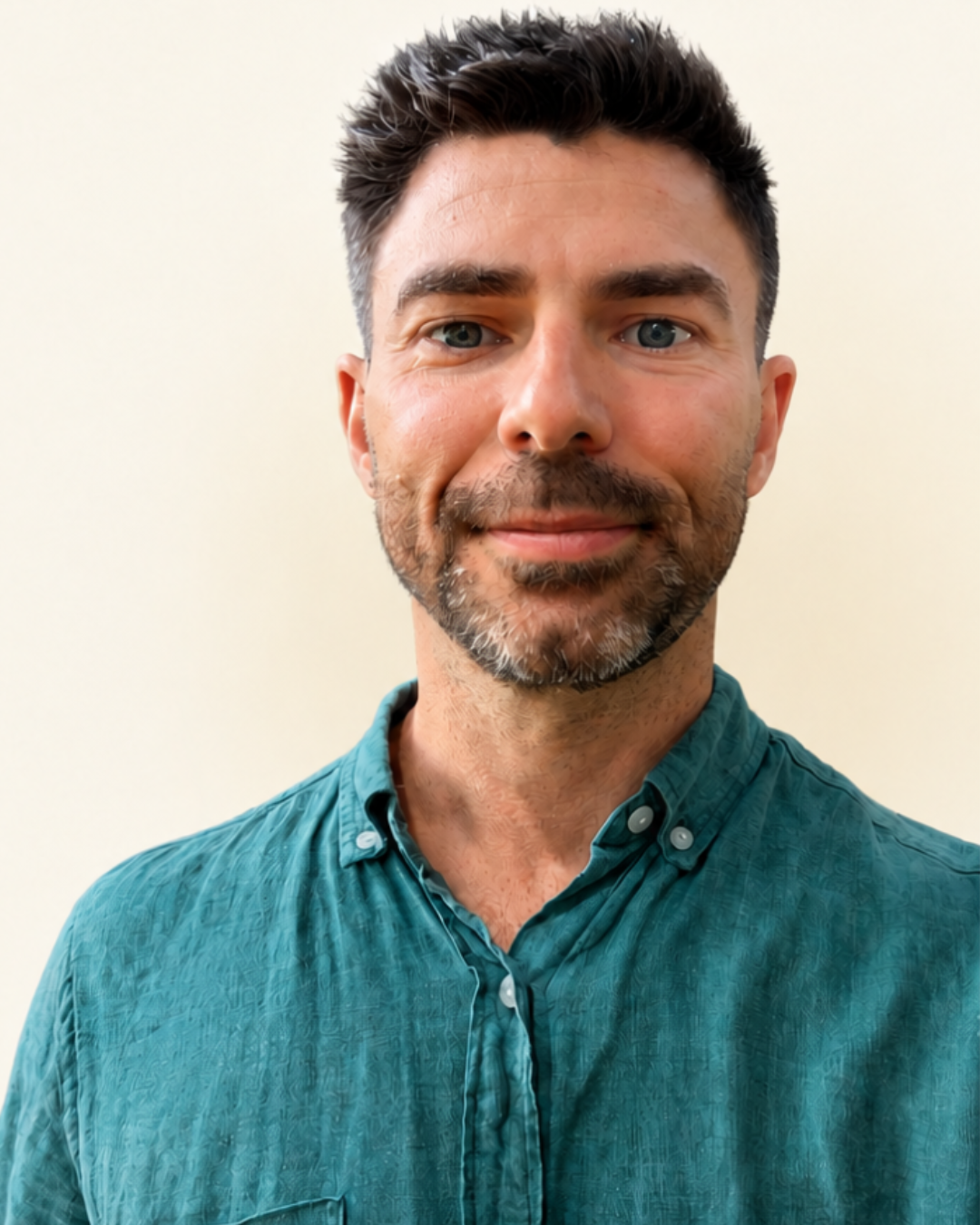

Meet Carrie
Carrie Rule is a founder, facilitator, trainer, and coach based in Oshkosh, Wisconsin, whose work centers on emotional intelligence, personal growth, and executive performance. After nearly two decades in business development, marketing, economic development, and higher education, she built her own practice to help people better understand themselves, work through limiting patterns, and develop the emotional awareness needed to live and lead with greater clarity.
A Life That Did Not Follow the Expected Path
Carrie Rule did not arrive at entrepreneurship through a carefully planned career strategy. Her path was shaped by circumstances that demanded resilience long before she ever thought of herself as a founder.
She married young and became a single parent to two children by the age of 26. With little expectation of support from her former husband, she knew she needed to create a different future for herself and her children. College became part of that decision. It was not simply about earning a qualification. It was a step toward creating stability and possibility at a time when both felt uncertain.
Her first professional role came when she was 30. From there, she spent much of her career in business development, marketing, and economic development. Her work took her through a nonprofit organization, a small private business, and eventually higher education. Across those environments, one quality remained constant. Carrie was drawn to people.
Early in her professional life, she had a boss who became an important mentor. That relationship taught her the value of building genuine connections and maintaining a strong network. Carrie took that lesson seriously. Throughout her career, she became deeply involved in committees, boards, professional relationships, and community activities.
Networking, for her, was never simply about collecting contacts. She enjoyed learning about people, discovering what motivated them, and finding ways for different people and ideas to connect. Over time, she became someone who naturally created bridges between people.
That instinct would eventually become one of the foundations of her own business.
When Losing a Job Opened a Different Door
Nearly 20 years into her professional life, Carrie was working in higher education, where she managed relationships while continuing her work in business and economic development. It was a period that gave her considerable experience, but the environment was becoming increasingly unstable.

Higher education institutions across the country were struggling to adapt to changing circumstances. Layoffs became a regular reality, and eventually Carrie’s department was eliminated during a major round of cuts.
On paper, it was a professional setback. After building a long career and reaching a point of experience and responsibility, she suddenly found herself without the role she had expected to continue.
Looking back, however, Carrie sees that moment differently.
Instead of immediately beginning another conventional job search, she listened to the advice of a close friend, Vicki Updike, who encouraged her to spend some time thinking about what she actually wanted the final third of her career to look like. It was advice that gave Carrie permission to pause rather than react.
She created a new daily routine. She began waking an hour earlier to meditate, read, and journal. She also began meeting people from her network for coffee, often speaking with at least two different people each day.
Those conversations became a kind of informal exploration. She was not approaching them with a fixed agenda or trying to find a specific job. Instead, she allowed herself to remain open to possibilities she might never have considered before.
One of those conversations was with Dan Shea. During their coffee meeting, he suggested that Carrie take the abilities she had developed over the previous two decades and use them independently through consulting and coaching.
The idea surprised her.
Entrepreneurship had never been part of her plan. She had spent her career working within organizations, building relationships, developing businesses, and contributing to institutions. The thought of creating something entirely her own initially felt unfamiliar.
But she continued to think about it. She journaled. She considered what she wanted from the next stage of her life. Gradually, the idea stopped feeling like a strange alternative and started feeling like an honest fit.
She describes the shift simply:
“I had NEVER considered going out on my own. But as I thought about it, journaled about it I realized it felt really right and then that was my focus and I’ve never looked back once.”
The decision changed more than her career. It gave her the opportunity to bring together many parts of herself that had developed separately over the years.
Her experience in business development gave her an understanding of organizations and relationships. Her years of networking taught her how deeply people matter to professional and personal growth. Her own inner work gave her a growing understanding of emotional intelligence. Entrepreneurship gave her the freedom to bring those experiences together.
Learning to Work With the Parts We Usually Avoid
Carrie is candid about the fact that becoming an entrepreneur did not suddenly make life easier.
Building a business from scratch has brought uncertainty, difficult decisions, financial risk, and moments when confidence has been tested. She describes entrepreneurship as both the hardest and most rewarding thing she has ever done.
One of the most persistent challenges has been imposter syndrome.
For Carrie, that struggle became more than an obstacle. In some ways, it became a teacher. It forced her to examine the beliefs and patterns that could influence how she showed up in her work. She spent significant time researching, learning, journaling, and understanding herself more deeply.
That self examination became especially important because of the nature of her work.
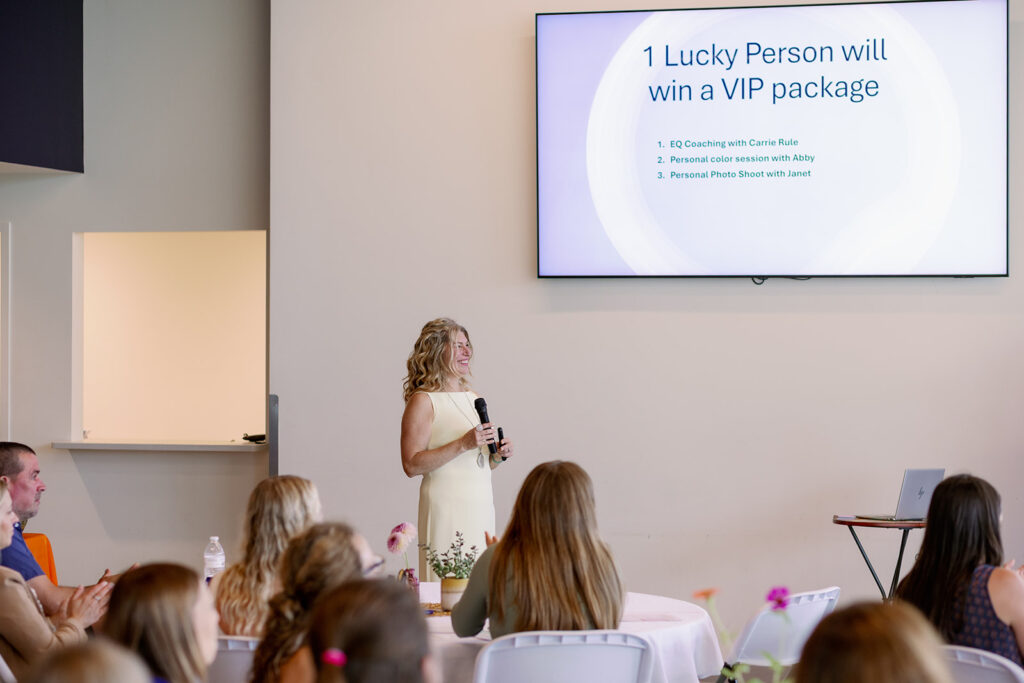
Carrie helps people navigate challenges involving emotional intelligence, limiting beliefs, stress, overwhelm, and patterns that can make life feel unnecessarily difficult. She knows that kind of struggle personally. Her understanding of these issues did not come only from books or professional training. It also came from having lived through periods when she did not feel emotionally or mentally equipped to navigate life in a healthy way.
She believes that anyone doing this kind of work must be willing to examine their own blind spots and triggers before attempting to guide someone else through theirs.
That principle has influenced how she approaches coaching. She does not position herself as someone who has arrived at some final state of perfection. Instead, she sees herself as continuing to learn.
Her own development over the past several years has changed how she understands success. She spent the first two thirds of her life feeling as though she had to keep pushing, struggling, and proving herself. Over time, she began to recognize how much emotional intelligence shapes the way people experience their lives.
That realization became central to her purpose.
“I spent the first two thirds of my life grinding and struggling. Never feeling enough and operating in unhealthy ways mentally and emotionally. Now that I’ve learned what I’ve learned and realize that it’s all about emotional intelligence I can’t not help others achieve this freedom, satisfaction and peace.”
For Carrie, emotional intelligence is not an abstract concept reserved for leadership seminars or professional development programs. It is something that affects ordinary moments. It influences how people respond to pressure, communicate with others, understand their own reactions, manage conflict, and make decisions.
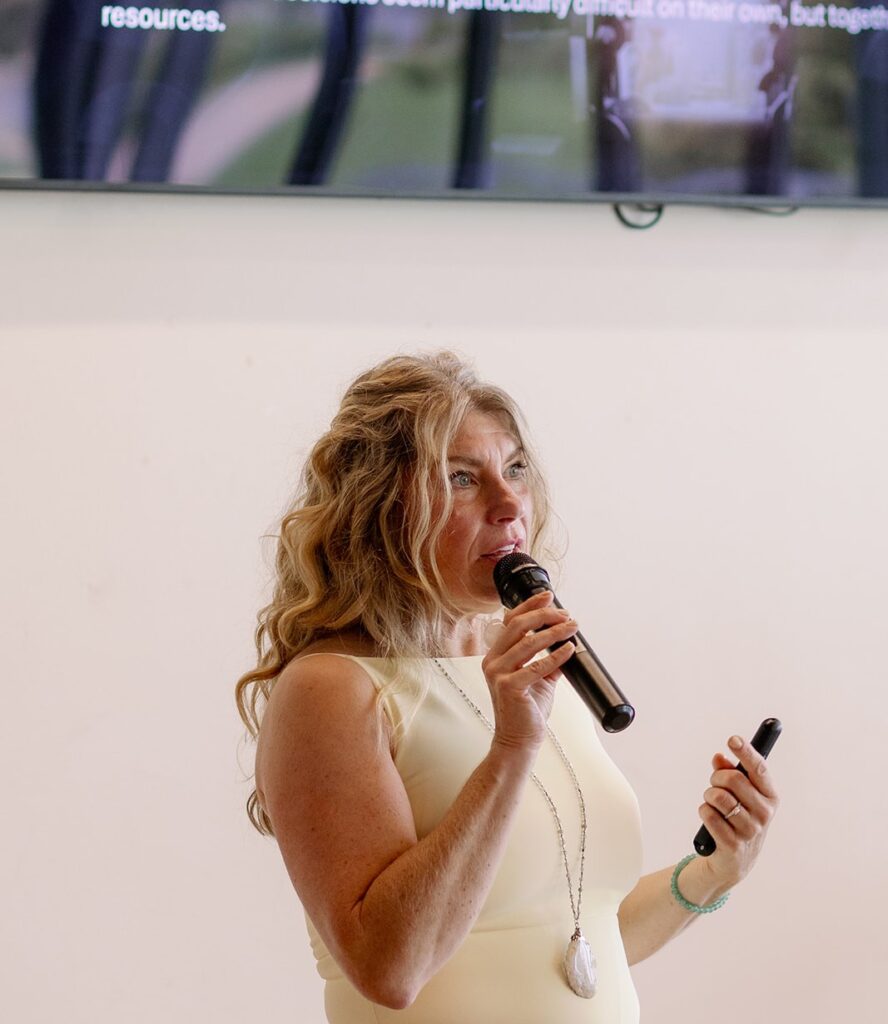
It also influences the way people experience themselves.
Turning Inner Awareness Into Practical Change
Today, Carrie works as a facilitator, trainer, and coach, focusing on emotional intelligence and executive performance. Her approach combines personal development with practical application, including an interest in applied neuroscience and the ways emotional awareness can influence performance.
At the heart of her work is a simple observation. Many people move through their lives feeling stressed, overwhelmed, or inadequate without fully understanding why.
Carrie wants to help people recognize the patterns behind those feelings and develop the tools to respond differently.
Her work is not about removing every difficult experience from someone’s life. She does not believe that personal growth means hardship disappears. Instead, she sees emotional intelligence as a way of becoming better equipped to move through difficult experiences.
That distinction matters.
A person can still face uncertainty, disappointment, conflict, or pressure while developing the ability to respond with greater awareness. They can recognize a trigger before reacting to it. They can understand where a limiting belief comes from. They can become more comfortable with vulnerability without losing strength.
Carrie believes that this kind of growth can extend beyond the individual.
When someone develops stronger emotional intelligence, the effects often reach family members, colleagues, friends, and other people in their community. A person who learns to communicate differently may influence the way an entire relationship works. A leader who becomes more self aware may create a healthier environment for an entire team.
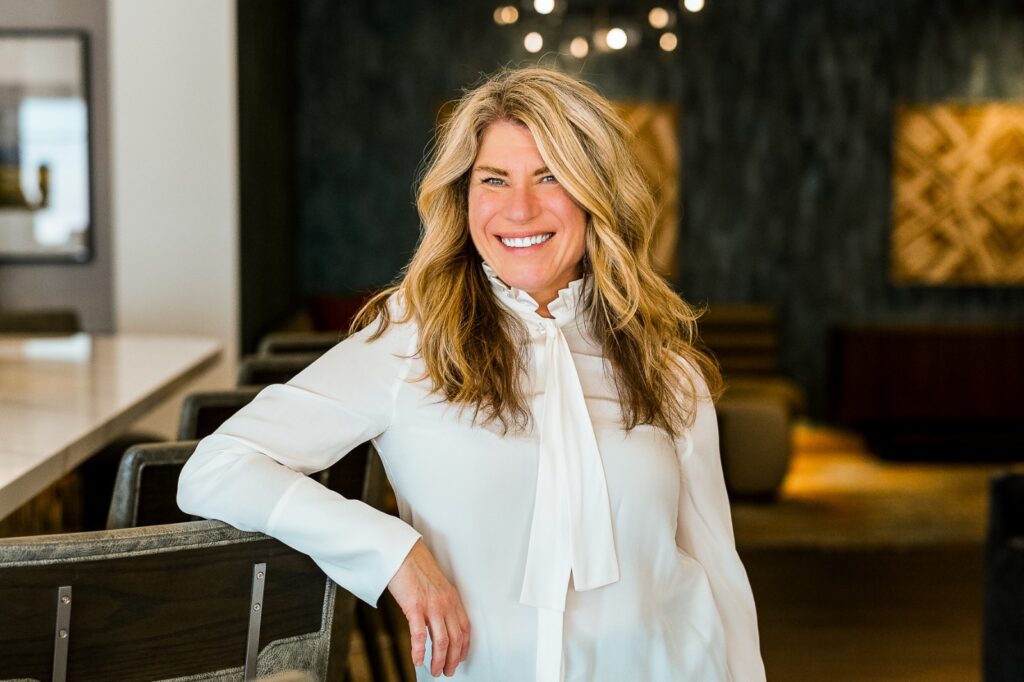
That is the larger impact Carrie hopes to create.
Her ambition is to eventually reach people on a much broader scale, helping emotional intelligence become something that is understood as practical, disciplined, and deeply relevant to everyday life.
She is particularly interested in challenging the idea that emotional intelligence is somehow soft or disconnected from serious performance. In her view, understanding emotions requires discipline. It requires consistency, self awareness, and the courage to be honest about what is happening internally.
The Daily Practices Behind the Work
Carrie’s philosophy is not separate from the way she lives.
She has developed everyday practices that help her maintain the emotional awareness she encourages in others. Breathing exercises, physical activity, hydration, journaling, and regular exposure to nature and art are part of her routine.
These practices reflect something important about her understanding of growth. Emotional intelligence is not developed through one major breakthrough and then permanently achieved. It requires continued attention.
That perspective is also reflected in the values she has spent time defining.
Carrie dedicated an entire year to examining her core values and understanding what mattered most to her. Authenticity emerged as one of them because she believes people are able to contribute more fully when they can show up as themselves.
Connection followed naturally. She has always found joy in meeting people, learning from them, and helping people connect with one another.
Growth and learning are also central. Her curiosity has not diminished with experience. If anything, her professional and personal journey has made her more interested in understanding human behavior and sharing what she learns.
Empowerment carries a more personal meaning. Having spent much of her life feeling stuck or helpless, Carrie knows how limiting that experience can become. Helping another person move beyond those beliefs therefore feels deeply meaningful to her.
Then there is beauty.
For Carrie, beauty is found in nature and art, especially in their imperfect forms. She sees time spent experiencing nature and creative work as something that can nourish people in a deeper way. It is part of her belief that human beings flourish when they have regular opportunities to create and experience beauty.
Building Something Worth Staying For
Reaching the three year mark in her business has given Carrie a moment to look back at what the decision to leave traditional employment really meant.
She gave up a measure of financial security to pursue work that felt connected to her purpose. That choice has not always been comfortable. There have been frightening moments and difficult days.
Yet she has not regretted making it.
What gives her the greatest satisfaction is not simply having a business that has survived its early years. It is seeing the change in the people she works with.
When a program ends and participants can see how far they have come, Carrie experiences a sense of fulfillment that is difficult to measure in conventional professional terms. Her role is not to do the work for them. They must make their own changes and face their own challenges. She sees herself as someone who helps guide that process.
That distinction appears to be important to her approach to leadership as well. She does not view growth as something that can be handed to another person. It has to be experienced and practiced.
Her own business journey has reinforced that belief.
A Larger Vision Built One Person at a Time
Carrie hopes to become a leading voice in the field of emotional intelligence, but her vision is less about recognition than reach.
She wants more people to understand what emotional intelligence actually looks like in practice and how powerful it can become when developed intentionally.
Her goal is ultimately larger than individual coaching relationships. She wants the understanding to spread.
There is a natural ripple effect to that idea. When one person becomes more self aware, they may communicate differently with their partner. They may become more patient with their children. They may manage a team with greater understanding. They may respond to conflict differently. Those changes can influence other people, who may then begin examining their own patterns.
Carrie sees that ripple as one of the most hopeful aspects of her work.
She wants people to discover that purpose and passion do not necessarily mean creating a life without difficulty. Instead, they can provide a deeper reason for continuing through difficulty.
Her vision is rooted in the belief that every person has a purpose and that discovering it can create greater meaning and fulfillment.
Choosing Peace Without Giving Up Ambition
Perhaps the most striking part of Carrie’s story is that her ambition has not disappeared as she has become more reflective. It has changed shape.
Earlier in life, ambition was closely tied to working hard, pushing forward, and creating security. Today, she still cares deeply about achievement, but she places more importance on peace, patience, joy, connection, and emotional awareness.
She wants to help others experience those qualities without suggesting that they must first become someone completely different.
Her leadership philosophy is grounded in practice. She continues to work on herself while helping others do the same. She continues learning from books, podcasts, mentors, leadership practitioners, her mastermind community, and the people she encounters through her work.
Perhaps that is why her story feels less like a traditional entrepreneurial success story and more like a story about becoming.
Carrie did not set out to build a coaching practice when she was a young single mother trying to create a better future for her children. She did not leave higher education with a five year business plan. The path emerged slowly, through relationships, reflection, uncertainty, and a willingness to consider an option she had never previously imagined.
Three years into that decision, she is still choosing it.
Her greatest measure of success is not simply that she built something of her own. It is that she is now able to use what she has learned to help other people feel less trapped by the patterns that once held them back.
There is still work ahead. There are still difficult days. There is still room for Carrie to grow.
But perhaps that is part of the point.
A meaningful life does not have to be perfectly resolved before it can be purposeful. Sometimes purpose is discovered by looking honestly at where we have been, becoming more aware of who we are, and then deciding to use what we have learned in service of someone else.
For Carrie Rule, that decision has turned an unexpected professional ending into the beginning of work that feels deeply her own.
For More Features
Be Featured in The Real Edit!
Every story has the power to shape how we see innovation, leadership, and purpose. If you’re a founder, creator, executive, or changemaker with a journey worth telling , we’d be honored to help you share it.
To inquire about being featured:
Email us at: info@realedit.site
Follow The Real Edit