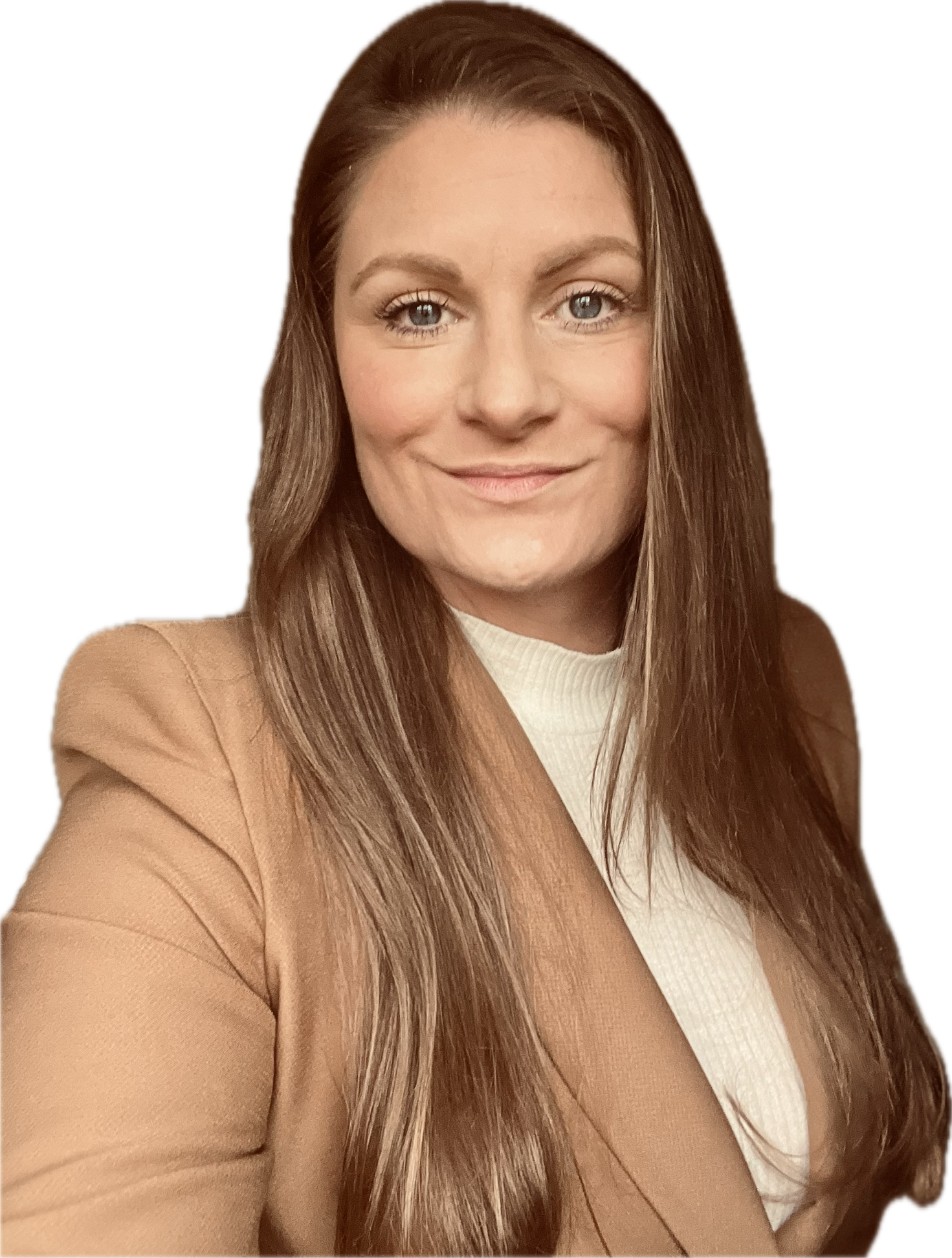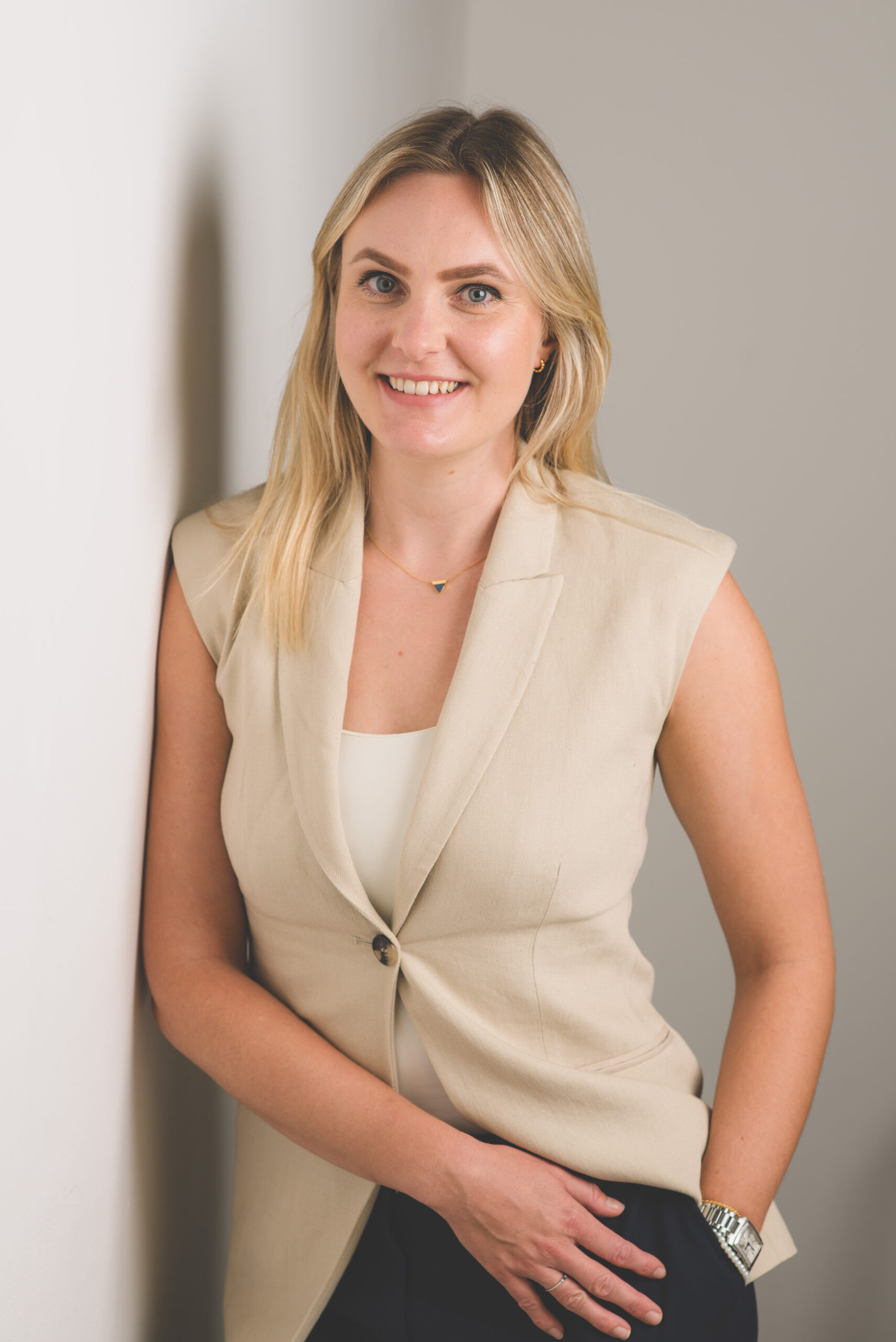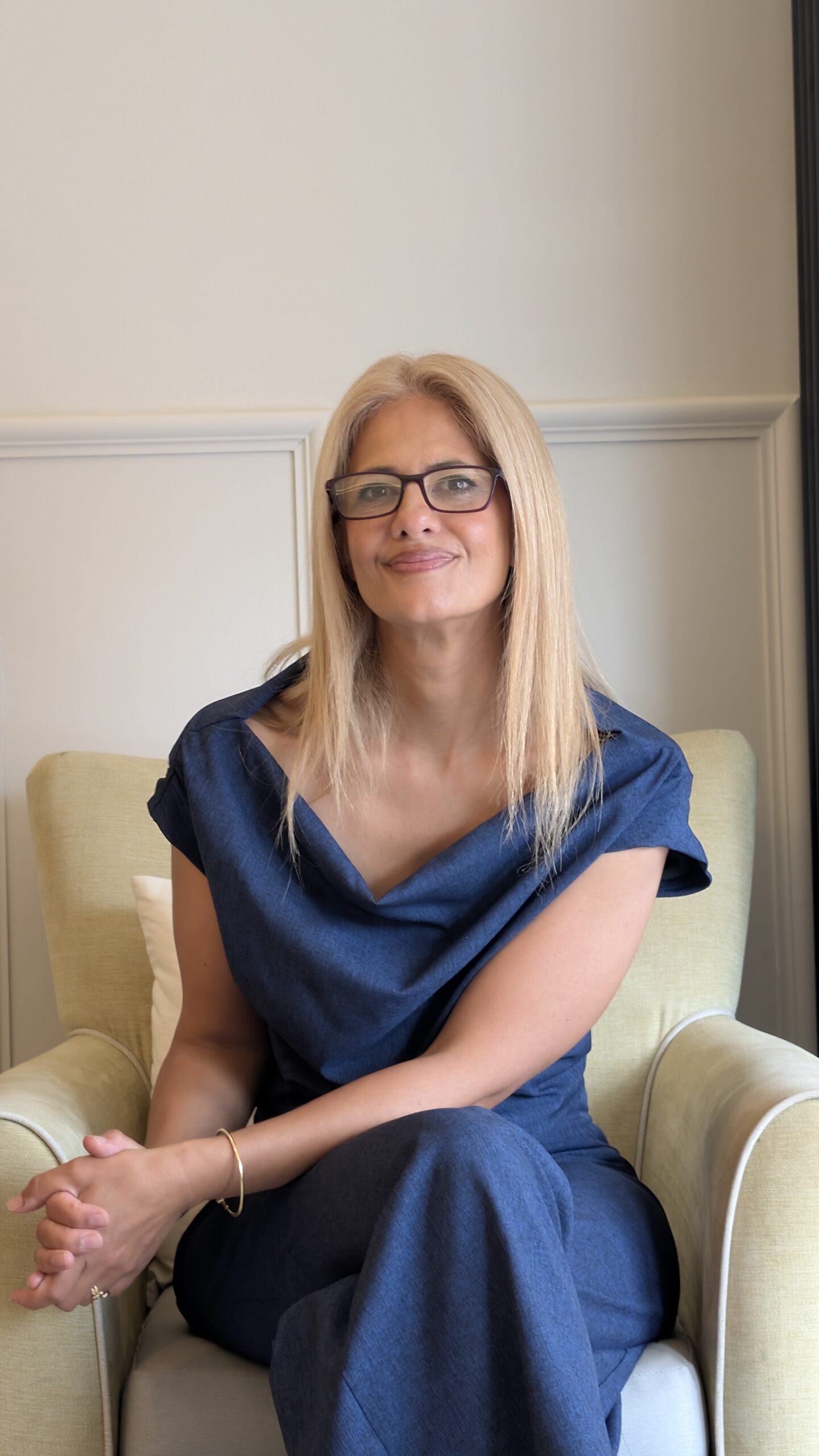
Meet Alicia
Alicia Fuentes is the Founder and Owner of Alicia Fuentes Coaching and Consultancy, where she helps quiet women lead their teams and build authority without becoming louder. Her work is shaped by almost three decades of corporate experience across Health, Safety and Environment, including international leadership roles in the Oil and Gas industry. Today, she brings those experiences into coaching, speaking, writing and leadership development through her philosophy of Quiet Leadership and her work around Calm Authority.
When a Career No Longer Defines You
There are moments in a professional life when the path ahead is no longer as clear as it once was. For Alicia Fuentes, that moment came after nearly three decades of corporate life, when a career that had shaped much of her adult identity suddenly came to an end.
She had spent years building a career through science, leadership and increasingly senior responsibilities. She had worked in demanding environments, managed teams and taken on international assignments. Her professional world had given her a clear sense of where she belonged and how achievement was measured.
Then, after 18.5 years with her last organisation, she was made redundant shortly before her 50th birthday.
The loss was more than the end of a job. It created a much deeper question about identity. Without the organisation, title and career structure that had been familiar for so long, Alicia had to reconsider what success meant and what kind of work she wanted to build next.
That period of uncertainty eventually became the beginning of another chapter. She moved into coaching, speaking and writing, initially drawing on her own experience of rebuilding confidence and identity after a major career transition. Over time, those experiences became the foundation for a philosophy that now sits at the centre of her work.
She calls it Quiet Leadership.
For Alicia, Quiet Leadership is not about being less visible, less ambitious or less authoritative. It is about recognising that effective leadership does not require someone to become louder, more dominant or less like themselves.
It is a philosophy shaped by years of experience and by seeing what happens when women are expected to lead according to a narrow definition of what confidence and authority should look like.
From Chemistry to the World of Leadership
Alicia’s professional story began far from coaching.
She studied science, earning a BSc Honors in Chemistry before completing an MPhil in Analytical Chemistry. Her academic background eventually led her into Health, Safety and Environment, where she built a 28-year corporate career, much of it within the Oil and Gas industry.
Her work took her from Trinidad into international environments, including Italy and Egypt. These were complex workplaces where leadership often had to coexist with technical responsibility, operational pressure and people working across different cultures.
Her progression from technical roles into management gave her an opportunity to understand leadership from the inside. She learned how to make decisions, support teams and navigate environments where expectations were high and mistakes could carry serious consequences.
But there was another lesson developing beneath the professional achievements.
Alicia was naturally collaborative and empathetic. She listened to people, developed them and tried to create environments where they could do good work. Yet she also became aware that some forms of leadership were more readily recognised than others.
In environments where toughness, decisiveness and outward confidence were highly valued, she sometimes adapted herself to fit what she believed leadership was supposed to look like.
She could do it. She became capable of appearing more forceful and confident when circumstances demanded it.
But eventually she began to recognise the difference between performing confidence and actually feeling anchored in herself.
That distinction would become important much later.
The Lesson That Followed Her Through Her Career
One of Alicia’s earliest leadership lessons came from a manager who challenged the way she approached problems.
Early in her career, she was a shy and introverted young woman working in an industrial port environment. Her role required her to engage with people who were often considerably more forceful in their communication and to persuade them to follow safety requirements.
It was not necessarily an environment that rewarded quietness.
One of her early bosses gave her advice that stayed with her for decades: “I didn’t hire you to tell me what’s wrong. I know what’s wrong. I hired you to bring me solutions.”
The lesson went far beyond the immediate workplace.
It taught Alicia to look beyond identifying problems and toward taking responsibility for what could happen next. It encouraged perseverance, follow-through and practical thinking. Those qualities became part of the way she approached leadership throughout her career.
Years later, another experience would test those qualities in a very different setting.
Finding Her Leadership Voice in Egypt
Alicia’s international assignment in Egypt became one of the most significant chapters of her professional life.
She had already worked as a Project HSE Manager in Trinidad, but her responsibilities there existed within relatively familiar boundaries. Egypt brought a different level of autonomy.
She was given full authority to manage HSE for the projects, recruit employees and build a project HSE team within the joint venture.
The responsibility was significant, but earning trust was not automatic.
Women were not commonly seen in that environment, and some men were initially reluctant to accept her authority. Alicia understood that having a title or formal responsibility would not be enough. Trust would have to be built through presence, consistency and relationships.
She asked questions. She listened. She followed through on what she promised. She respected the knowledge and experience of the people around her.
Language created another layer of complexity, so she relied heavily on her Egyptian HSE advisers. Rather than seeing their knowledge as a challenge to her authority, she recognised that their expertise strengthened the team.
That experience changed her understanding of leadership.
She may have been the manager, but she did not need to be the person with every answer.
The people around her had knowledge she needed. Her role was not to diminish that expertise, but to create the conditions where it could be used well.
The results became visible in the people she supported.
Several of her colleagues pursued professional qualifications and moved into better opportunities. Women within the wider project team began taking part more actively in safety meetings and office safety walkthroughs.
Those moments were meaningful because they represented more than individual participation. Alicia could see people becoming more willing to occupy space and contribute.
Her own leadership was developing at the same time.
Egypt showed her what could happen when she was trusted with genuine responsibility and allowed to lead without constantly having to prove that she belonged.
Leaving the country was difficult because it marked the end of one of the most personally significant periods of her career.
But the lessons remained.
What Happens When Confidence Becomes a Performance
Returning to Trinidad brought another kind of challenge.
After experiencing considerable autonomy in Egypt, Alicia sometimes found herself working in environments where she had less freedom. She also became more conscious of how easily people can begin adapting themselves to meet external expectations.
For much of her career, she had learned how to carry responsibility. She worked hard, supported her teams and took other people’s needs seriously.
There were advantages to that approach, but there was also a cost.
At times, she placed the needs of work and the people around her ahead of her own. She became skilled at carrying a great deal without necessarily stopping to ask whether everything she was carrying belonged to her.
That realisation became particularly important after redundancy.
When the professional structure disappeared, Alicia had to separate her identity from her role. Her experience had not disappeared because a particular position had ended. Her abilities had not vanished because an organisation no longer needed them.
But knowing that intellectually and feeling it personally were different things.
Rebuilding required her to develop a stronger relationship with her own values, boundaries and judgement.
It also introduced her to entrepreneurship, where certainty is rarely guaranteed.
After decades of professional experience, she became a beginner again in several areas. Some investments did not produce the results she expected. She changed direction. She questioned herself. At times, she looked outside herself for someone else to provide the answer.
There was an irony in that experience.
She was building a business around self-trust and Quiet Leadership while simultaneously learning to practise those principles herself.
That has become one of the honest parts of her work.
Alicia does not present growth as something that happens once and stays finished. She sees it as an ongoing process of recognising fear, disappointment, criticism and external expectations without allowing them to become the final authority over how she sees herself.
Helping Quiet Women Lead Without Becoming Louder
Today, Alicia helps quiet women lead their teams and build authority without becoming louder.
Her work is grounded in an understanding that being quiet does not mean lacking ambition, conviction or leadership ability. Many women have spent years receiving messages that they need to speak more forcefully, project more confidence or change their natural communication style in order to be taken seriously.
Alicia challenges that assumption.
Her approach is not about turning women into louder versions of themselves. It is about helping them develop the confidence, self-trust and communication skills to lead effectively while remaining true to who they are.
That can show up in practical moments.
A woman may learn to speak earlier in a meeting instead of waiting until her thoughts feel perfect. She may become more comfortable setting a boundary. She may advocate for herself more clearly or approach a difficult conversation she previously avoided.
These changes can appear small from the outside.
For the woman experiencing them, they can represent a significant shift in self-trust and authority.
That is where Alicia sees the deeper purpose of her work. Leadership is not simply about what happens when someone has formal authority. It is also about whether a person trusts their own judgement enough to use that authority with clarity and confidence.
Her work around Calm Authority develops this idea further.
For Alicia, being grounded does not mean being passive. It means knowing what you think, communicating with intention and being able to hold your position when pressure arrives.
Authority does not have to be loud to be clear.
And confidence does not have to look like dominance.
Leadership That Leaves Something Behind
Alicia’s proudest professional memories are not primarily connected to titles or achievements.
They are connected to people.
She remembers the colleagues in Egypt whom she mentored and encouraged as they pursued professional qualifications. She remembers women becoming more visible in safety meetings. She remembers employees whose potential was not always immediately recognised and the opportunity she had to give them room to grow.
Those experiences shaped her belief that leadership has a ripple effect.
A manager does more than assign work. The way a manager listens, responds, challenges and supports can influence how another person sees themselves.
That influence can remain long after a particular project or role has ended.
This is one reason Alicia has become increasingly interested in developing leaders who can develop other people. She sees leadership development as something that extends beyond the individual.
When a woman becomes more secure in her own leadership, she may create more space for others. When a manager learns to trust people with responsibility, those people may begin discovering abilities they did not know they had.
The effect can move through teams and organisations in ways that are not always immediately visible.
A Different Definition of Success
Alicia’s understanding of success has changed with experience.
Earlier in her career, success was easier to measure. It involved career progression, greater responsibility, recognition and financial achievement. Those things still matter to her, but they no longer represent the whole picture.
Today, she wants meaningful work and financial sustainability alongside autonomy.
She wants the freedom to decide how she spends her time, who she works with and how her professional life fits alongside marriage, family, health and ordinary life.
That shift is important because it reflects one of the deeper lessons of her career.
Achievement can become all-consuming when there is always another milestone ahead.
Alicia now wants to build a life where ambition does not require her to postpone everything else indefinitely.
Her definition of success has therefore become less about reaching a final destination and more about creating a life that feels aligned while she is moving forward.
Building a Wider Conversation Around Quiet Leadership
The next stage of Alicia’s work is bringing several parts of her professional life together.
She is developing Quiet Leadership into a broader body of work, extending beyond individual coaching into leadership development, speaking and education.
Her interest in working with managers remains strong. After years of managing, mentoring and developing people, she wants to help other leaders understand how their approach affects the people around them.
Speaking will also form an important part of that future.
Through conferences, organisations and professional communities, Alicia aims to explore Quiet Leadership, Calm Authority and the development of women who want to lead effectively without feeling pressured to fit a louder leadership mould.
She is also considering a first book based on the experiences and lessons gathered across nearly three decades of corporate life, leadership, reinvention and coaching.
Digital resources and leadership education are another part of the picture.
She does not have every detail mapped out, and she is comfortable with that uncertainty. What is clear is the contribution she wants to make.
She wants to expand the idea of what credible and effective leadership can look like for women who do not naturally lead from the loudest position in the room.
Becoming More Fully Yourself as a Leader
Alicia’s story ultimately comes back to a question that has followed her from her early career into entrepreneurship:
How do you grow as a leader without abandoning yourself?
She spent years learning how to operate in demanding environments, lead teams, solve problems and take responsibility. Those experiences gave her skills and resilience, but they also taught her how easy it can be to confuse professional growth with changing who you are in order to meet other people’s expectations.
Her work today offers another possibility.
You can become more confident without becoming louder.
You can become more authoritative without becoming dominant.
You can communicate with greater clarity without changing your personality.
You can listen without disappearing from the conversation.
And you can accept useful feedback without handing other people complete control over your sense of worth or your judgement.
For Alicia, this is where Quiet Leadership becomes practical.
It is not about making yourself smaller. It is about becoming more secure in your own voice, clearer in your decisions and more intentional in how you lead.
Her own career has taken her from chemistry laboratories to industrial environments, from Trinidad to international assignments, from corporate leadership to redundancy, and eventually into a business built around helping quiet women lead their teams and build authority without becoming louder.
The path has not been perfectly predictable.
Perhaps that is precisely what makes it meaningful.
She has learned that a professional identity can change, a title can disappear and a familiar definition of success can stop making sense. What remains is the knowledge gained, the people influenced, the values carried forward and the ability to choose what comes next.
Her message is not that women should stop striving or change who they are to succeed.
It is that leadership does not require self-abandonment.
In a professional world that can still reward the loudest voice in the room, Alicia Fuentes champions a different way to lead, one rooted in self-trust, clarity, empathy and the confidence to remain true to who you are.
Her work challenges the idea that authority has to be loud, showing that women can lead effectively and be taken seriously without becoming someone they are not.
That is Quiet Leadership.
And for Alicia, it is not simply an idea to explore. It is work she teaches, practises and continues to put into action.
For More Features
Be Featured in The Real Edit!
Every story has the power to shape how we see innovation, leadership, and purpose. If you’re a founder, creator, executive, or changemaker with a journey worth telling , we’d be honored to help you share it.
To inquire about being featured:
Email us at: info@realedit.site
Follow The Real Edit