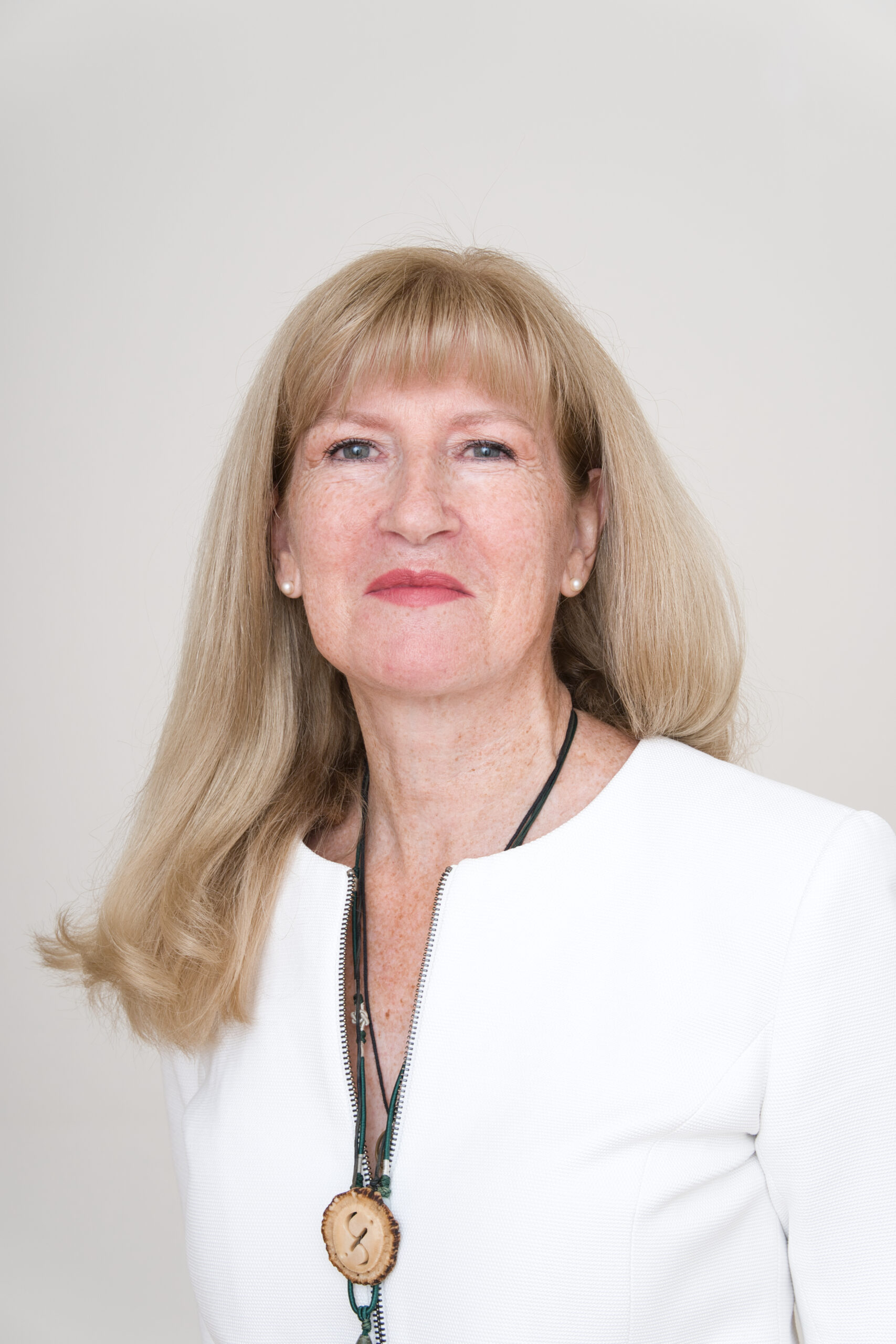
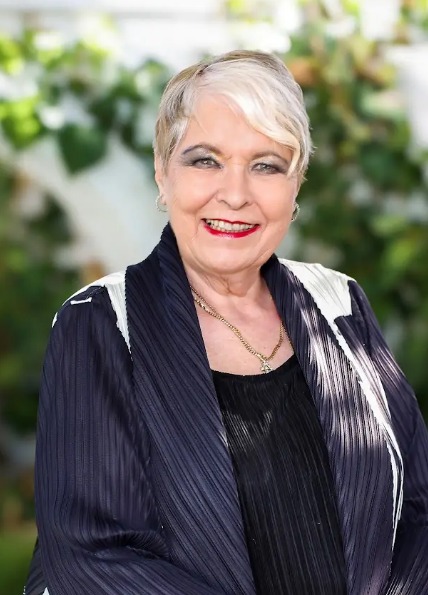
Meet Carol
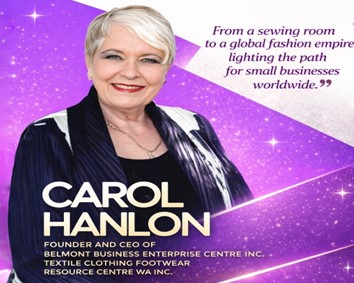
Carol Hanlon is the Founder and CEO of Belmont Business Enterprise Centre Inc. and Textile Clothing Footwear Resource Centre WA Inc. Based in Western Australia, she has spent more than five decades in small business; twenty years as designer with her own fashion business and community organisations, and over thirty years supporting entrepreneurs, creatives, and small business owners through mentoring, advocacy, education, and community driven initiatives focused especially on women and underserved communities.
Building a Life Around Helping Others Rise
At seventy three, Carol Hanlon still speaks about her work with the energy of someone who is only just beginning. There is no sense of slowing down in her voice, only the steady rhythm of someone who has spent a lifetime creating opportunities for other people. Across decades of community work, small business advocacy, and global outreach, she has remained deeply connected to the people behind the statistics. The women trying to rebuild after displacement. The creative entrepreneur struggling to make a first sale. The mother starting over with very little but determination.
For Carol, business has never simply been about profit or recognition. It has always been about dignity, independence, and survival. Her work grew from lived experience long before it became her professional mission. The hardships she encountered early in life shaped the way she sees entrepreneurship today, not as an abstract economic idea, but as a pathway toward stability and self worth.
Her favourite saying reflects the philosophy that has guided her life for decades:
“Do Not Follow Where the Path May Lead… Go Instead Where there is No Path and Leave a Trail.”
It is not a slogan she repeats casually. It is the story she has lived.
A Childhood That Demanded Resilience
Carol’s relationship with work began early. At thirteen, she started taking sewing orders to earn money. By fifteen, she had left school and moved out of home. There was no carefully mapped plan for success waiting ahead of her. Instead, there was responsibility, uncertainty, and the need to survive.
Those early years taught her resourcefulness before she ever had language for it. Sewing became both an income and a form of independence. Over time, her skills evolved into a fashion design business that grew across Australia during the early 1970s, a period when very few women were running businesses of their own. The Carol Hanlon fashion label would eventually be stocked in hundreds of boutiques around the country.
But behind the success was a woman teaching herself every aspect of business through experience rather than formal pathways. She learned through mistakes, long hours, and persistence. She also learned firsthand how difficult it could be for women to access support, funding, networks, and credibility within business environments that often overlooked them.
Those lessons never left her.
Years later, when entrepreneurs began approaching her for advice and mentorship, she immediately understood what many of them were facing because she had once stood in the same place herself. The uncertainty. The isolation. The feeling of trying to build something meaningful without knowing where to turn.
Rather than distancing herself from those experiences, Carol built her life’s work around them.
Starting Again From Almost Nothing
One of the most defining chapters of Carol’s life arrived in the early 1990s. After relocating to Western Australia from Victoria and finalising her divorce, she found herself needing to rebuild nearly every part of her life from the ground up.
She has spoken openly about that period, describing how she was left with very little and had to start again while continuing to support her children. It was not simply a financial rebuilding. It was emotional and personal as well. The experience deepened her understanding of vulnerability and reinforced her belief that people need accessible support systems during periods of transition.
Instead of retreating from difficulty, she moved toward service.
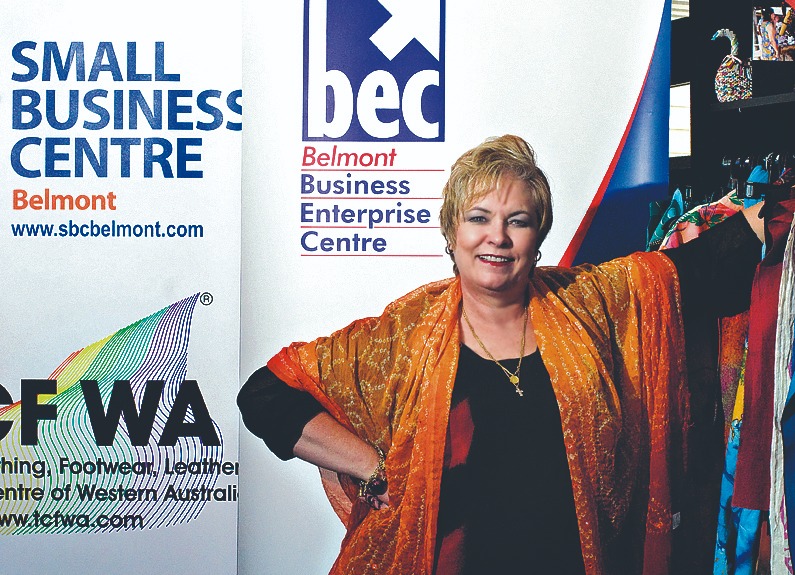
In 1994, Carol founded Belmont Business Enterprise Centre Inc. in metropolitan Perth. What began as a response to a visible need soon became an important community hub for small businesses, startups, and home based entrepreneurs seeking guidance and practical support.
She often describes the role as feeling like “a duck to water.” People were already seeking her advice because of her long standing presence in business and media circles. But what she recognised was that many aspiring entrepreneurs were missing access to affordable and inclusive mentoring systems that understood their realities.
Belmont BEC was built to change that.
The organisation focused on practical support, education, mentoring, and low cost services for entrepreneurs who often fell through the cracks of traditional business systems. Women, migrants, creatives, and small operators found a place where their ambitions were taken seriously.
Four years later, Carol expanded that vision by founding the Textile Clothing Footwear Resource Centre Western Australia Inc., which later evolved into TCF Australia and TCF Global. The organisation was designed to support emerging designers, fashion, TCF businesses, and creative entrepreneurs navigating an increasingly difficult industry landscape.
For Carol, these organisations were never simply institutions. They were extensions of her belief that business support should be accessible to everyone, regardless of their location, income, or background.
Creating Spaces Where Women Feel Seen
Throughout her career, Carol has remained especially committed to supporting women entrepreneurs. Her advocacy does not come from theory alone. It comes from decades of witnessing how easily talented women can be overlooked when they lack networks, resources, or confidence.
“One of the core principles driving my passion in assisting women entrepreneurs, this is in the belief that every woman deserves the opportunity to succeed, regardless of her location, resources or background,”
That belief shaped the creation of the BPW Business Incubator in 2012, an initiative focused on providing targeted support for women in business. It also influenced her embrace of online mentoring and after hours programs long before remote learning became commonplace. Carol understood that many women were balancing caregiving responsibilities, employment, and financial pressures while trying to build businesses. Flexibility was not a luxury. It was essential.


Technology became a tool for inclusion rather than convenience. Through digital education and mentoring, she found ways to reach women in rural communities and underserved areas who otherwise may never have accessed business support.
But her commitment extended far beyond Australia.
Over the years, Carol has coordinated sewing and livelihood projects supporting twenty nine Barangay sewing centres for women in rural Philippines with five containers of donated sewing goods, and a shipment to BPW Lebanon supporting women rebuilding after the Beirut explosion, and to Afghan refugee communities in Perth with sewing projects, these initiatives reflected a practical and deeply human understanding of empowerment.
Rather than offering temporary charity, she focused on helping women build sustainable skills and income opportunities. Sewing, for Carol, represented more than craftsmanship. It represented independence.
Even now, another two containers of sewing machines and textiles are waiting freight donors to support an Indigenous women’s sewing project in regional Western Australia and a BPW women’s sewing project in Port Moresby, PNG.
The scale of her work is significant, but what stands out most is the consistency of purpose behind it.
Leadership Rooted in Action
Carol’s leadership style has been shaped less by hierarchy and more by participation. She does not speak about leadership as authority. She speaks about it as responsibility.
“A key aspect of my leadership style is leading by example, it isn’t sitting behind a desk, it’s getting involved in day to day activities, understanding the challenges the team faces, with a hands on approach and demonstrating the same level of commitment I expect from others,”
That philosophy has guided her through decades of nonprofit leadership in environments that are often financially uncertain and emotionally demanding. Keeping community organisations running is rarely easy, especially during periods of rising costs and limited funding. Yet Carol has continued finding ways to sustain programs and create opportunities because she remains personally invested in the mission itself.

Her colleagues frequently describe her as tireless, innovative, and deeply generous with her knowledge. But beneath the awards and public recognition is someone who continues to approach leadership with humility and empathy.
She has reduced her own salary during difficult periods to keep projects alive. She has volunteered extra hours when resources were stretched. She has remained directly involved in the practical realities of the organisations she leads.
That consistency between values and actions is part of why so many people continue to trust her leadership after more than three decades.
A Global Conversation About Women and Opportunity
Carol’s impact has gradually expanded far beyond local business support. Since 2012, she has staged annual NGO forums during the United Nations Commission on the Status of Women in New York, creating platforms for women entrepreneurs and community leaders from around the world.
The forums focus on economic empowerment, gender equality, and sustainable development, bringing together voices from countries including Sudan, Iran, Lebanon, Turkey, Uganda, Australia, the United States, and the United Kingdom.
For Carol, these conversations are not symbolic gestures. They are opportunities to connect women facing very different realities but often similar barriers.
She has also spoken internationally across Asia, Africa, Europe, and North America, sharing insights on entrepreneurship, women’s empowerment, and creative industries. Yet despite the international recognition, her focus has remained grounded in people rather than prestige.
The long list of awards she has received over the years reflects the breadth of her contribution, from induction into the WA Women’s Hall of Fame to global recognition through the Women Changing the World Awards and the Women Economic Forum. Still, there is little sense that Carol defines success through accolades alone.
Instead, she measures impact through the individuals and communities who found support when they needed it most.
Continuing the Work While There Is Strength to Give
There is an honesty in the way Carol speaks about ageing and purpose. She acknowledges the challenges of sustaining nonprofit work in difficult economic conditions, but she also speaks with clarity about why she continues.
“Now as 73yo, I thought many years ago about when I would stop creating small business projects to ‘make a difference’ to others and I decided I would keep going as long as I was fit and able to do so.”
That decision says something important about the way she views service. For Carol, this work is not separate from who she is. It is woven into her identity, shaped by decades of lived experience, hardship, resilience, and care for others.
She continues to believe that entrepreneurship can transform lives when people are given genuine support and opportunity. She continues to advocate for women who might otherwise be excluded from economic systems. And she continues creating pathways where none previously existed.
There is a quiet persistence to the way she moves through the world. Not loud ambition, but sustained commitment.
Leaving a Trail for Others to Follow
What makes Carol Hanlon’s story resonate is not only the scale of what she has built, but the spirit in which she built it. Her journey began with survival and evolved into service. Every challenge she endured became part of the empathy she now extends to others.
Over time, she transformed personal resilience into community infrastructure, creating organisations and initiatives that continue helping entrepreneurs long after the first conversation or workshop ends.
Her message to others remains deeply simple and deeply personal. If people discover they have unique skills or talents, she believes they carry a responsibility to use them in ways that benefit others.
It is a philosophy she has spent a lifetime proving through action.
For More Features
Be Featured in The Real Edit!
Every story has the power to shape how we see innovation, leadership, and purpose. If you’re a founder, creator, executive, or changemaker with a journey worth telling , we’d be honored to help you share it.
To inquire about being featured:
Email us at: info@realedit.site
Follow The Real Edit