Meet Nicola
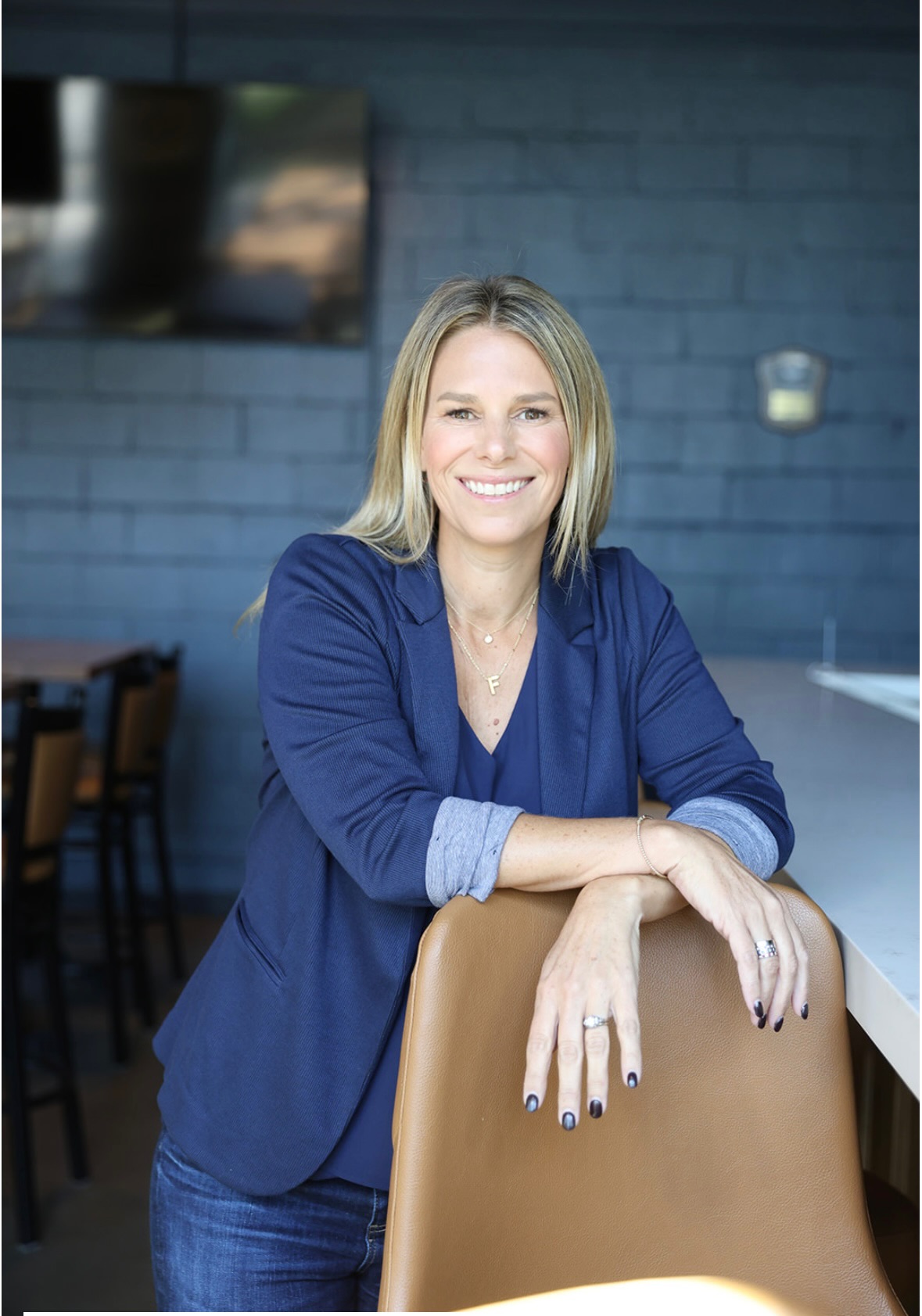
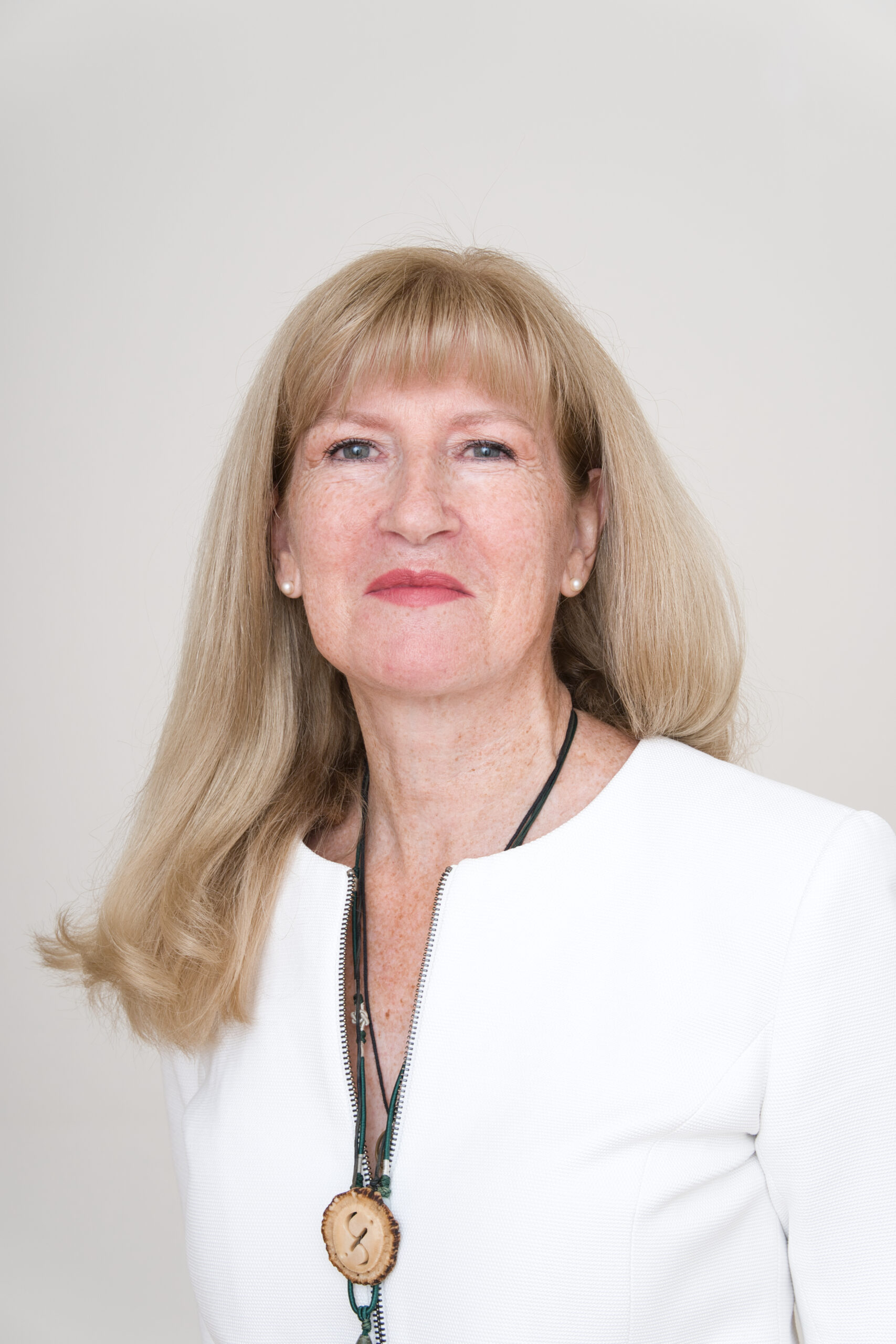
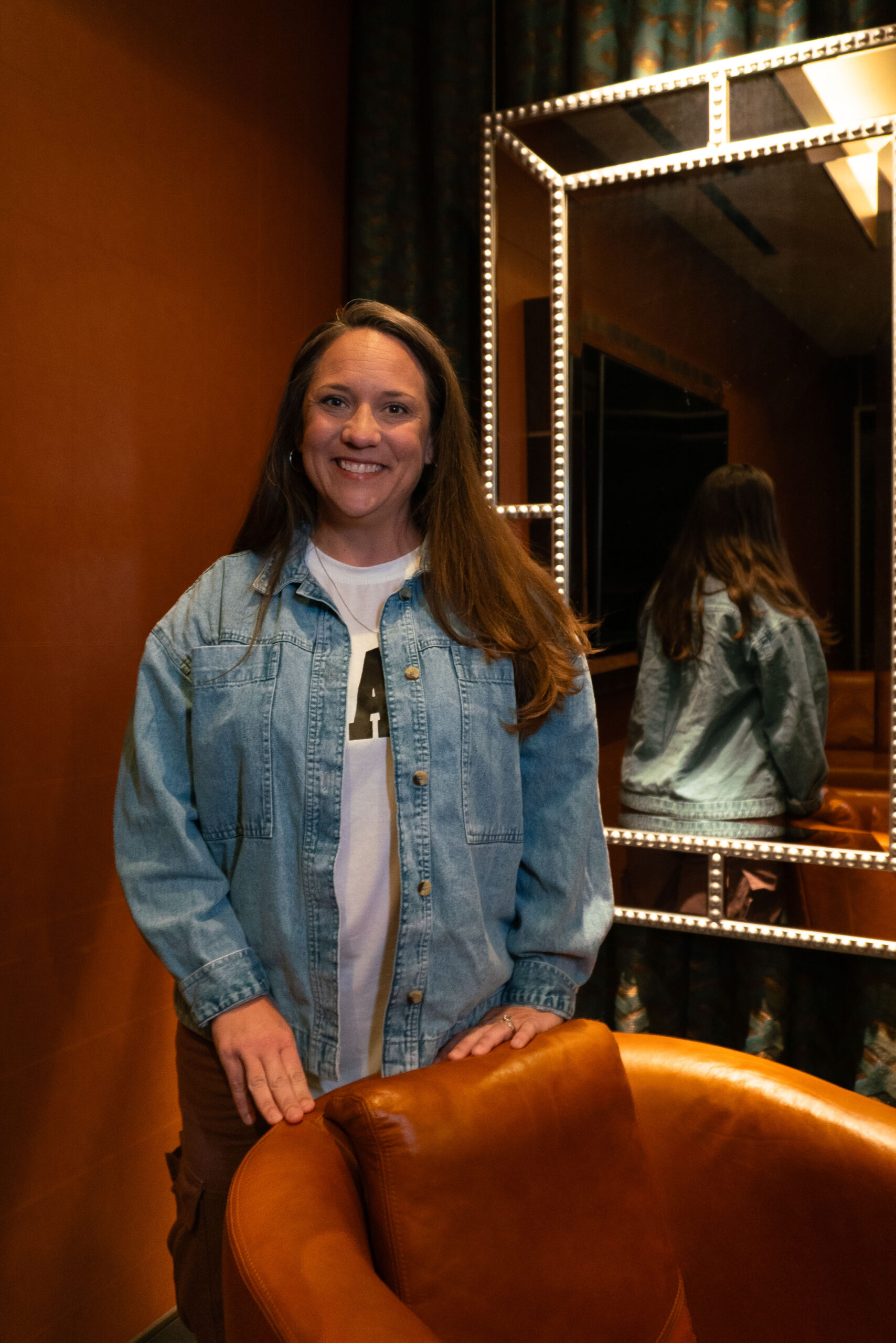
Nicola Towse is the founder and CEO of Risqly, a Sheffield based SaaS company helping businesses better understand customer retention and renewal risks through clearer, more actionable data insights. Before launching her own company, she spent years working across tourism, healthcare, and consumer goods, including more than nine years at Procter & Gamble in the UK and Ireland. Alongside her work in technology, she is also training as an end of life doula, driven by a deep interest in care, communication, and human connection.
The Space Between Logic and Care
Some people build companies because they want scale, influence, or recognition. Others build because they have spent enough time inside a problem to understand its emotional weight. Nicola Towse belongs firmly in the second category.
When she talks about customer retention, data visibility, and predictive insights, she does not speak in the detached language often associated with technology founders. Instead, she speaks about stress. She speaks about uncertainty. She speaks about the quiet anxiety teams carry when they know something is wrong but cannot yet see where the problem lives.
That emotional awareness sits at the centre of Risqly, the company she founded after years spent observing how businesses struggled to make sense of fragmented information. For Nicola, the issue was never simply about numbers. It was about people trying to make important decisions without clarity.
Her approach to leadership reflects that same philosophy. Calm rather than loud. Curious rather than performative. Grounded in relationships rather than image.
Outside work, she finds balance in movement and stillness. Walking through the Peak District, practicing yoga or Tai Chi, and spending time exercising are not productivity tools for her. They are ways to reset her nervous system and return to herself. That understanding of balance seems to shape everything she builds, both personally and professionally.
Learning Through Movement
Long before Risqly existed, Nicola’s understanding of people was already taking shape through travel, adaptation, and curiosity about the world around her.
Her early career began in Australia, managing a family run tourism business. It was an environment that taught her the realities of entrepreneurship in a direct and practical way. Working closely with customers and handling the unpredictable rhythm of business operations gave her a strong foundation in communication, responsibility, and resilience.
Later, she moved into the corporate world, spending more than nine years at Procter & Gamble across the UK and Ireland. There, she developed expertise in sales, stakeholder leadership, and commercial strategy while working across healthcare and consumer sectors.
The move from tourism into global corporate environments might seem like a dramatic shift, but there is a thread connecting each chapter of her career. Nicola has always been interested in how people behave, how decisions are made, and how systems either support or fail the humans inside them.
That curiosity was shaped early in life by one person in particular, her grandmother.
“My nan is my biggest role model,” Nicola says. “She retrained later in life to become a nurse, showing me what true compassion and care for others really looks like.”
Her grandmother’s influence extended beyond compassion. A love of history inspired Nicola to study the subject academically, while an enthusiasm for travel sparked her own desire to explore the world. Over time, that curiosity led Nicola to 52 countries and counting, each experience adding another layer to how she understands people, culture, and communication.
The result is a founder who does not approach business from a purely transactional perspective. She approaches it from a human one.
When Redundancy Became Redirection
Many careers change direction through carefully planned decisions. Nicola’s changed through redundancy.
While losing a role can often feel destabilising, she experienced it differently. The moment created space, both financially and mentally, to reconsider what she truly wanted to build.
“I was fortunate to be made redundant,” she explains. “It gave me the chance to build on my strengths, learn new skills, and collaborate with driven, intelligent individuals to create something meaningful.”
That period became less about loss and more about reinvention.
Yet stepping into the technology sector without a technical background came with its own challenges. Nicola suddenly found herself navigating an entirely new industry while simultaneously building a company and learning how to establish herself within unfamiliar spaces.
Instead of pretending to already know everything, she leaned fully into learning.
She attended workshops through Tech SY and Business Sheffield. She joined networking groups across tech, business, and women led communities. She sought mentorship openly and intentionally. Most importantly, she became comfortable placing herself in environments where she was not always the most knowledgeable person in the room.
That willingness to ask questions became one of her greatest strengths.
There is often pressure within entrepreneurship to appear endlessly confident and certain. Nicola rejects that posture entirely. Her growth seems rooted in openness rather than ego.
Being accepted into the Cooper Project Tech Incubator at Sheffield Tech Park marked a major turning point. The programme is highly competitive, and for Nicola, the acceptance carried emotional significance beyond professional validation. It represented permission to take her ideas seriously.
The incubator also introduced her to a wider ecosystem of founders, mentors, and collaborators who challenged her thinking and expanded her confidence. From there, opportunities began to grow naturally.
She pitched at the South Yorkshire Tech Showcase and Startup Social, experiences that sharpened her ability to communicate her ideas clearly. She later became a Cooper ambassador and joined the committee for the Black Tech Awards, positions that reflected the trust and respect she had already built within the community.
What stands out most is how quickly Nicola moved from newcomer to contributor. Even while still relatively new to the tech industry, she became someone actively helping shape the ecosystem around her.
That matters deeply to her because representation and inclusivity are not abstract concepts in her life. They are practical responsibilities.
Building Risqly From Human Frustration
The inspiration behind Risqly did not emerge from theory. It emerged from frustration.
Throughout her corporate career, Nicola repeatedly saw businesses drowning in disconnected systems and fragmented customer information. Teams often recognised problems too late because the signals were hidden across multiple platforms, departments, and workflows.
By the time companies realised customers were at risk of leaving, the damage was already done.
Risqly was built to change that.
The platform provides businesses with a unified view of customer data across CRM systems, billing platforms, support channels, and product usage. Its predictive models identify churn risks and renewal opportunities early, while explainable insights help teams understand the reasons behind customer behaviour rather than simply reacting to outcomes.
What makes Nicola’s approach distinct is that she talks less about software and more about emotional relief.
She has witnessed firsthand the stress that uncertainty creates inside organisations. Teams often feel paralysed when they cannot identify where to focus attention or how to intervene effectively.
For Nicola, solving that paralysis became deeply motivating because she understood the emotional cost attached to poor visibility and delayed decisions.
Risqly therefore sits at an interesting intersection between technology and empathy. It is data driven, but it is also fundamentally human.
The company’s mission reflects Nicola’s broader values around inclusivity and collaboration. Success, for her, is not simply about rapid growth or financial outcomes. It is about building an environment where people feel valued, supported, and able to contribute meaningfully.
That philosophy extends into the way she approaches mentorship as well. Nicola places enormous importance on both receiving guidance and offering it to others. She believes strongly in sharing lessons openly, including failures, if it helps someone else avoid unnecessary hardship.
There is generosity in that mindset, but also realism. She understands that entrepreneurship can be isolating and difficult, particularly for people entering industries where they may not immediately see themselves represented.
Rather than protecting her experiences behind polished narratives, she shares them honestly.
Holding Space for Difficult Conversations
One of the most fascinating aspects of Nicola’s story is that while building a SaaS company, she is also completing a diploma as an end of life doula.
At first glance, the two worlds seem entirely unrelated. One revolves around retention metrics and predictive modelling. The other centres around grief, mortality, and emotional support.
But for Nicola, the connection feels obvious.
Both spaces require difficult conversations to happen earlier rather than later.
In business, avoiding uncomfortable truths can lead to customer churn, confusion, and lost trust. In life, avoiding conversations around death and care can create fear, isolation, and unresolved pain.
The common thread is communication.
This dual path says something important about Nicola’s worldview. She is not interested in separating logic from humanity. She believes both belong together.
That belief also explains why inclusivity matters so deeply to her leadership style. Life experiences are not uniform, and neither are the people building companies, using products, or navigating personal challenges.
Her willingness to exist across multiple worlds at once makes her leadership feel unusually grounded. She can discuss business strategy while also understanding emotional complexity. She can think commercially without losing sight of compassion.
In many ways, that balance feels increasingly rare.
Building a Different Kind of Future
Nicola envisions significant growth for Risqly over the next two years, but her ambitions extend beyond company expansion alone.
She wants to build a talented team in Sheffield and continue contributing to the local technology ecosystem that helped shape her own journey. Community matters to her because she understands firsthand how transformative support can be when entering unfamiliar industries.
There is also a quiet determination in the way she talks about growth. She is ambitious, certainly, but not in a way that feels detached from people. Her focus remains rooted in creating meaningful impact while helping others rise alongside her.
“Personal growth is rarely linear,” she says. “A squiggly career and the willingness to explore different professions can make you a stronger, more adaptable, and more resilient leader.”
That idea captures Nicola’s story perfectly. Nothing about her path has followed a perfectly straight line. Tourism, corporate strategy, SaaS, mentorship, end of life care, community leadership. Each chapter appears different on paper, yet together they form a coherent philosophy about paying attention to people and responding with care.
She also believes strongly in collective success rather than individual achievement.
“Support one another, because we rise by lifting others.”
It is a simple statement, but it reflects the deeper spirit behind everything she is building.
A Founder Defined by Curiosity
Perhaps the clearest way to understand Nicola Towse is through the quality she values most in herself and others: curiosity.
Curiosity led her across countries and industries. It pushed her into rooms where she felt inexperienced. It encouraged her to ask for help instead of protecting her pride. It allowed her to move between technology and care work without seeing contradiction between the two.
Most importantly, curiosity taught her to pay attention.
To people. To systems. To warning signs. To possibilities.
In a business world often obsessed with certainty and speed, Nicola represents something quieter and perhaps more enduring. A leader willing to keep learning publicly. A founder interested not only in solving operational problems but also in reducing emotional strain. Someone building technology without losing sight of humanity.
That combination may ultimately become Risqly’s greatest strength because behind every dashboard, every predictive model, and every customer insight, there are still people trying to understand one another a little better.
For More Features
Be Featured in The Real Edit!
Every story has the power to shape how we see innovation, leadership, and purpose. If you’re a founder, creator, executive, or changemaker with a journey worth telling , we’d be honored to help you share it.
To inquire about being featured:
Email us at: info@realedit.site
Follow The Real Edit