Goran FustinBuilding the Future of Audit
The Director of Governance, Digital and AI at Hitachi Rail on a career that moved from accounting to artificial intelligence, and across four countries along the way.
Digital and AI · Hitachi Rail
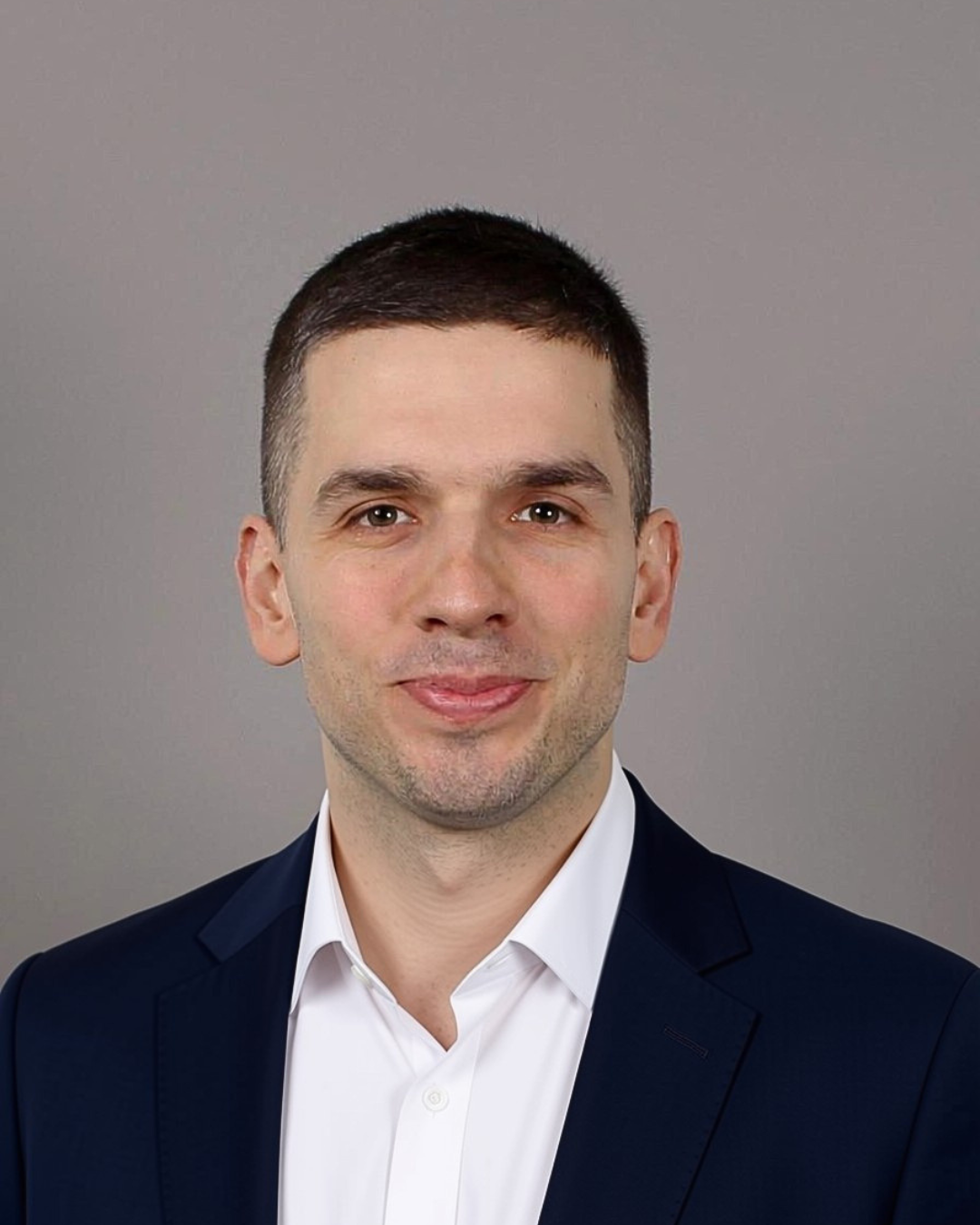
Goran Fustin is the Director of Governance, Digital and AI at Hitachi Rail in London. With a career that has taken him from Croatia to Poland, Sweden and the United Kingdom, he has moved from accounting and finance into internal audit, governance, automation, digital transformation and artificial intelligence. His work is shaped by a practical interest in how organisations operate and how technology can help them work with greater clarity, efficiency and accountability.
Following Curiosity Beyond Familiar Ground
Some careers are carefully mapped out years in advance. Others take shape through a series of decisions that only reveal their meaning in hindsight. Goran Fustin’s journey belongs to the second kind.
When he began his career after university in Croatia, he had a clear academic foundation in accounting and finance. His first major professional role was with EY, where he worked as an auditor. It was a beginning that gave him more than technical knowledge. It introduced him to the inner workings of organisations and showed him how financial processes, controls and decision making fit together.
At the time, there was little reason to imagine that his path would eventually lead to artificial intelligence and digital risk. Yet one of the qualities that would shape his career was already present. Goran was curious about how things worked and rarely satisfied with simply accepting that a process existed because it had always been done that way.
He was never particularly drawn to repetitive work. Instead, he found himself interested in asking whether something could be done differently and more effectively. If a process required unnecessary time, he wanted to understand why. If a problem appeared complicated, he was interested in finding a practical way through it.
Over time, that mindset became a thread connecting every stage of his career.
For Goran, professional growth has not come from abandoning what he learned at the beginning. Instead, each new stage has built upon the last. His experience with controls helped him understand accountability. His work in transformation taught him how difficult it can be to create change inside complex organisations.
Those experiences now inform the way he approaches technology.
From Croatia to London
- HRCroatiaUniversity, then auditor at EY
- PLPolandSeven and a half years across finance, controls and audit
- SESwedenPolestar, premium electric vehicles
- UKUnited KingdomHitachi Rail, London
The Decision to Leave Home
One of the most significant moments in Goran’s journey began with an opportunity that required him to leave familiar surroundings.
Moving from Croatia to Poland was initially an interesting career decision. It was not necessarily a carefully designed long term plan. But the move would become one of the most important choices he made, both professionally and personally.
Goran spent seven and a half years in Poland, working across different organisations and roles. His experience expanded from accounting and finance operations into overseeing internal controls and supporting internal audit engagements. More importantly, he found himself working across new environments, cultures and professional challenges.
Living and working abroad required him to become comfortable with unfamiliarity.
The experience also opened doors that might not have been visible from the beginning. His career later took him to Sweden, where he joined Polestar, a growing premium electric vehicle company. Eventually, he moved to the United Kingdom and returned to Hitachi, beginning a new chapter that would bring together much of what he had learned over the years.
Looking back, Goran sees the willingness to say yes to unfamiliar opportunities as one of the defining themes of his career.
“Our brains naturally tell us that familiarity is where safety is, but I think growth usually starts when you do the opposite.”— Goran Fustin
That belief is more than professional advice. It reflects the way he has lived his own career.
Moving between countries meant adapting to new cultures, organisations and ways of working. It also brought him into contact with people who would become an important part of his life. Some professional relationships developed into lasting friendships, reminding him that a career is shaped not only by roles and responsibilities but also by the people encountered along the way.
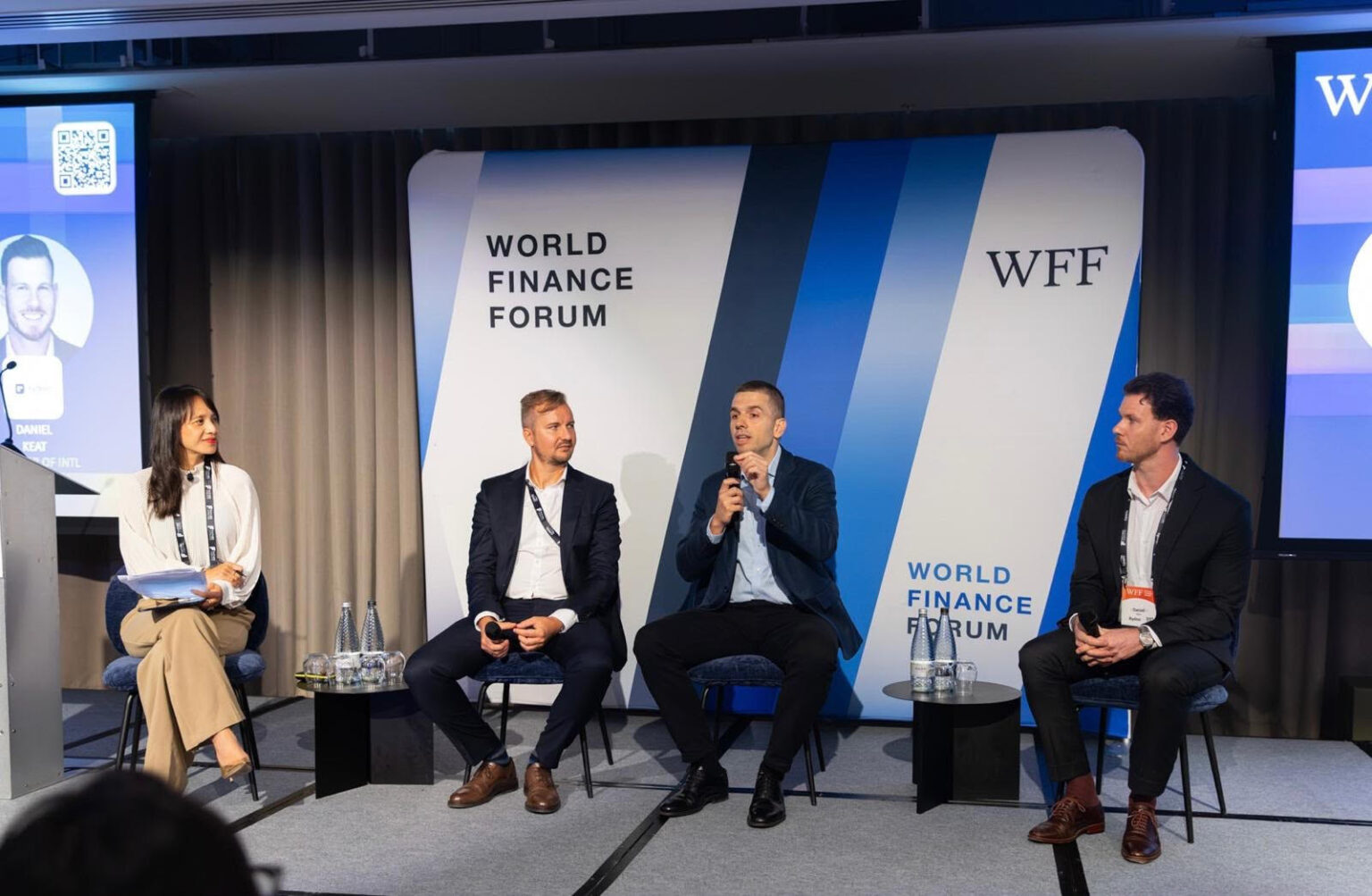
The path was not perfectly planned, and that became part of its value.
Goran learned that growth does not always follow a straight line. Sometimes an opportunity makes sense only after several years have passed. A move that initially appears to be about a new role can lead to a completely different way of thinking. A professional relationship can become a friendship. A position in a new country can become the starting point for an entirely new chapter.
For him, the important thing has been remaining open enough to recognise those possibilities.
Learning to Build While Everything Changes
Throughout his career, Goran has found himself working in environments where change was not theoretical. It was already happening.
Some of the most formative experiences came through major global transformation programmes involving significant complexity and uncertainty. He worked on carve outs, system migrations and the development of internal control frameworks from the ground up.
Carve outs
System migrations
Designing internal control frameworks from the ground up
These were situations where the organisation itself could be changing while new structures were still being designed.
There were often tight timelines and limited resources. Processes could shift before they had fully settled. Teams needed to move forward while still trying to understand what the final picture would look like.
In these environments, there was little value in waiting for perfect conditions.
Goran learned to focus on what could realistically work.
Sometimes that meant helping management design controls from scratch. Sometimes it involved improving reporting or supporting the introduction of new systems. In other situations, the work focused on automating processes that had previously required hundreds of hours of manual effort.
The challenge was not simply to create a solution that looked good on paper. It had to work in the reality of the business.
That practical approach has become central to the way Goran thinks about transformation. Complex ideas need to become useful. A new process should make work clearer rather than adding unnecessary layers. Technology should solve a real problem rather than exist simply because it is new.
“I like to make work simpler, smarter and more effective.”— Goran Fustin
The satisfaction, for him, comes from seeing an idea become part of everyday work. An automated solution can save a team valuable time. A stronger control framework can bring greater clarity. A new methodology can continue helping people long after its original creator has moved on.
That idea of building something that lasts has become one of the measures by which Goran understands meaningful work.
A methodology, instruction, framework or tool has value when people continue using it. When former colleagues reach out years later because a professional relationship has endured, that matters too.
It suggests that the work had an impact beyond a particular moment.
From Internal Audit to the AI Conversation
Goran’s move into his current role was not a sudden departure from his earlier career. It was a natural continuation of the questions he had been asking for years.
After moving to the United Kingdom and returning to Hitachi, he began as Head of Internal Audit and J-SOX. Later, his role evolved into Director of Governance, Digital and AI.
Today, his work sits at the intersection of internal audit, internal controls, governance, automation, digital transformation and artificial intelligence.
The technology may be changing quickly, but the underlying questions are familiar.
- How should organisations manage risk?
- Who is responsible for important decisions?
- What controls need to exist?
- How can an organisation understand what is happening within its systems?
- Where does accountability sit?
These questions become especially important as AI becomes part of everyday business.
Goran sees the current moment as an opportunity rather than something to observe from a distance. Artificial intelligence is likely to reshape a wide range of professions, including internal audit. For him, the important task is to understand the technology well enough to use it thoughtfully, question it when necessary and build practical applications around it.
He is particularly interested in what he describes as architecting the future of internal audit rather than simply adapting to changes after they arrive.
This is where his earlier experience becomes especially relevant.
Internal auditors understand risk, controls, governance and the way organisations actually operate. That perspective can provide a strong foundation for helping businesses approach AI responsibly.
In his current work, Goran considers questions surrounding AI governance and controls, as well as emerging risks. Issues such as ownership, access, traceability, accountability and human oversight are becoming increasingly important.
- ownership
- access
- traceability
- accountability
- human oversight
Technology can create new possibilities, but it can also introduce new forms of uncertainty.
For Goran, responsible adoption means holding both realities at the same time. Organisations should explore what technology can make possible while remaining clear about how it is governed.
His interest in AI is therefore not separate from his earlier work in audit and controls. It is connected to it.
The tools may be different, but the need for thoughtful questions remains.
A Network of People Who Challenge Each Other
Alongside his interest in technology, Goran has become increasingly passionate about people.
He is interested in building a strong network of professionals across finance, internal audit, AI transformation and digital risk. These are areas where expertise is developing quickly and where collaboration can make a meaningful difference.
For Goran, a strong network is not simply a collection of professional contacts. It is an opportunity to bring together people who have different experiences and perspectives.
As organisations navigate new technology, no individual can understand every aspect of the changing landscape. People need to learn from one another.
This is one reason Goran enjoys sharing what he learns and connecting others with expertise that may help them move forward.
Throughout his career, he has learned from leaders and colleagues who combined high standards with a practical and human approach. Their influence has helped shape his own view of leadership.
Goran values asking difficult questions and speaking honestly when he has something meaningful to contribute. He also believes that ideas should eventually meet reality.
A concept can sound convincing in conversation, but its true value becomes clearer when it is tested in practice.
That perspective is particularly important in conversations about AI, where there is often no shortage of predictions.
Goran is more interested in understanding what can actually be applied.
Leaving Something Useful Behind
When Goran reflects on success, he does not define it primarily through promotions or awards.
For him, success is being able to look back and feel proud of what he has built and the impact it has had on people and organisations.
One of the strongest signs of that impact is longevity.
When a former colleague continues using a methodology or tool he created, it means the work has remained useful. When someone reaches out years later because they want to stay connected, it suggests that the relationship mattered beyond the immediate professional context.
These are quiet measures of success, but they carry weight.
They also reflect Goran’s belief that good work should continue creating value.
His career has repeatedly involved building frameworks, improving processes and introducing new ways of working. The most meaningful part is not simply completing the project. It is seeing the work become embedded in the organisation.
This focus also explains his approach to leadership and change.
He wants to create something practical enough to survive after the initial excitement has passed.
The future may bring new technologies, new risks and new ways of working, but organisations will still need people who can connect ideas with reality.
Goran’s experience has taught him that sustainable change requires more than enthusiasm. It requires ownership, structure and the willingness to take responsibility for the outcome.
Keeping One Eye on What Comes Next
Looking ahead, Goran wants to continue learning.
His focus remains on AI, digital risk and the changing future of internal audit. He wants to keep educating others and helping his team move closer to what the profession may become.
The pace of technological change means that no one can assume they have finished learning.
For Goran, that is part of what makes the work interesting.
There is always another question to explore. Another process to improve. Another skill to develop.
He also wants to continue connecting organisations with exceptional talent across internal audit, finance, AI transformation and digital risk.
As these fields evolve, the ability to bring the right people together may become just as important as understanding the technology itself.
The future of work will not be shaped by technology alone. It will also depend on the people making decisions about how technology is used.
That is why governance and human judgement remain central to Goran’s thinking.
AI can change the way work is done, but organisations still need accountability. Automation can reduce repetitive tasks, but people still need to understand the systems they rely on. New technology can create efficiency, but the questions around risk and responsibility do not disappear.
They simply evolve.
Goran wants to remain close to that evolution, not as someone watching from the sidelines but as someone willing to learn, question and contribute.
The Courage to Stay Unfamiliar
There is a clear thread running through Goran Fustin’s journey.
It begins with curiosity and continues through each decision to step into something unfamiliar.
From Croatia to Poland, Sweden and the United Kingdom, his career has grown through opportunities that required him to leave comfortable territory. From finance and accounting to governance, digital transformation and AI, his professional path has been shaped by a willingness to keep learning.
The future of internal audit is still being written. Artificial intelligence will continue to raise new questions and create new possibilities. Organisations will need to adapt, but they will also need people who understand the importance of accountability, practical thinking and human judgement.
Goran’s contribution to that future is rooted in a simple instinct: understand how things work, ask whether they can work better and build something useful.
His advice reflects the journey he has lived himself. Growth often begins outside what feels familiar. Learning a new skill, meeting new people or taking on an unfamiliar challenge can open doors that are impossible to see from the starting point.
For Goran, the journey has never been about following a perfect plan. It has been about remaining curious enough to move when the next meaningful opportunity appears.
And as the world of work changes once again, that curiosity remains his compass.
For More Features
Be Featured in The Real Edit!
Every story has the power to shape how we see innovation, leadership, and purpose. If you’re a founder, creator, executive, or changemaker with a journey worth telling , we’d be honored to help you share it.
To inquire about being featured:
Email us at: info@realedit.site
Follow The Real Edit