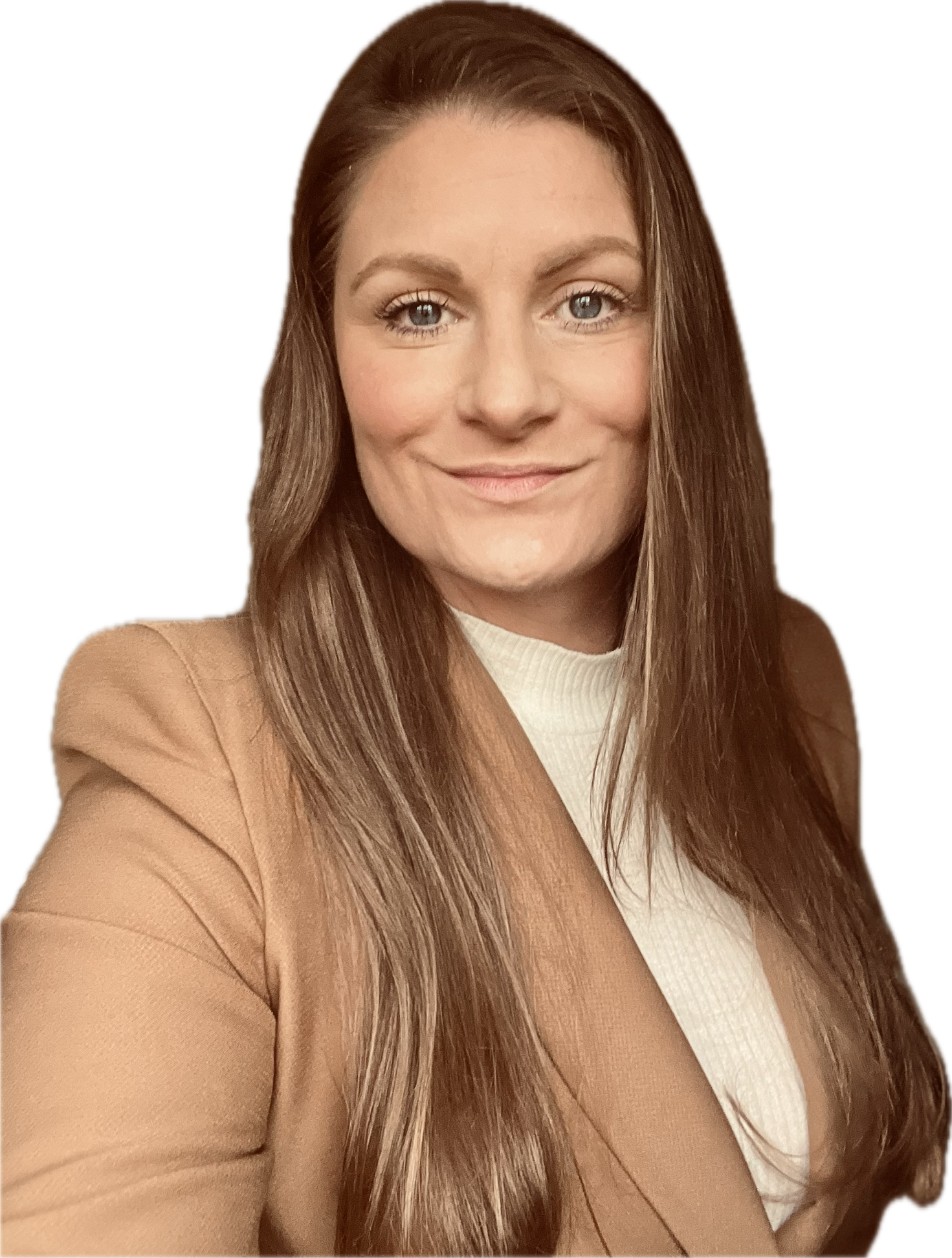
Crystal SchindelA Voice for Sustainable Leadership
Leadership Sustainability Coach and K-12 Principal in Saskatchewan, on finding a voice, being heard, and building leadership that people can actually sustain.
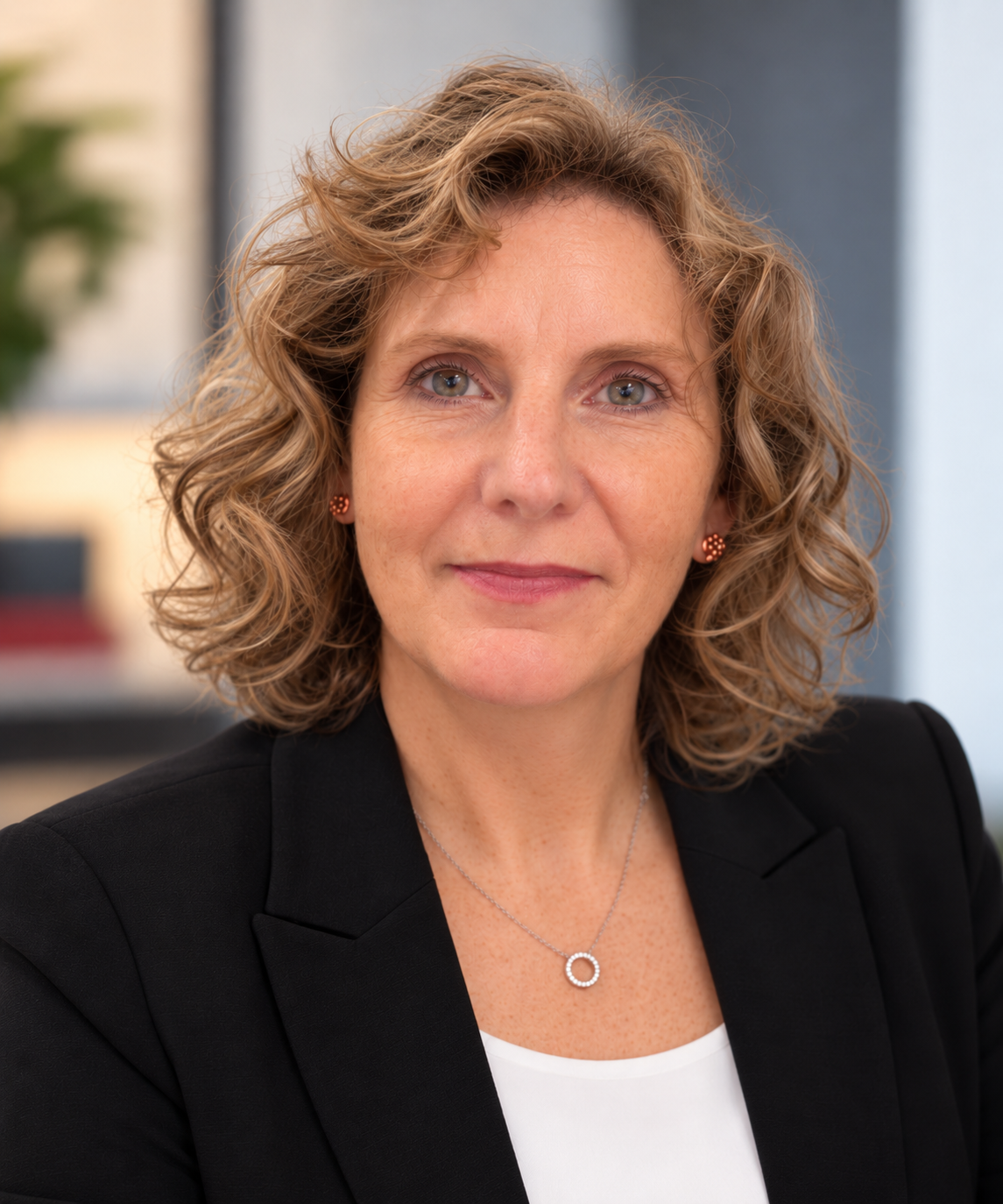
Crystal Schindel is a Leadership Sustainability Coach with Crystal Clear Consulting and a K-12 Principal with Horizon School Division in Saskatchewan, Canada. Her work brings together decades of experience across education, school leadership, union work, and doctoral study, with a focus on helping leaders find their voice, strengthen their confidence, and build more sustainable ways of leading.
The instinct to help others grow
Long before Crystal Schindel held a leadership position, she was already practicing a version of what would become the centre of her professional life. As a child, she would teach her stuffed animals and her younger sister. Her mother noticed that instinct early and often told her she would become either a teacher or a librarian.
In retrospect, Crystal sees something meaningful in that prediction. Her path was never simply about having the right answers. It was about helping other people develop the confidence and skills to find their own answers.
She entered education later in life, eventually moving from teaching into school leadership. With every step, the same belief followed her: people are more capable when they are supported rather than simply directed. Leadership gave her an opportunity to work with that belief on a wider scale, but it also exposed her to the complexities that can make leadership difficult to sustain.
Over the course of her career, Crystal has occupied almost every role within a school environment. She has worked as a caretaker, secretary, librarian, educational assistant, teacher, special education teacher, vice principal, and principal. Each position offered a different view of how a school functions and how decisions made at one level can affect people somewhere else in the system.
Her union leadership experience widened that perspective even further. Instead of seeing leadership only through the lens of one school, she began to understand the broader systems and conditions that shape the experiences of educators and administrators.
Later, her doctoral studies gave her the opportunity to examine those experiences with greater depth. Her Doctor of Education (Candidate) work, focused on rural and remote school leadership, helped her put language and structure around observations she had been carrying throughout her career.
But the most important lessons were not found only in academic research. They were also found in the lived experiences of the people around her.
When leadership began to feel too heavy
One of the most difficult moments in Crystal’s career came when she found herself sitting in a doctor’s office and being told she needed to take sick leave.
For someone who had spent much of her life committed to education and leadership, the moment was more than a pause in her career. It forced her to acknowledge the personal cost of carrying too much for too long.
She had reached a point where coming to work felt more like a burden than a privilege. That realization was particularly difficult because her work had once been a source of genuine passion.
The experience also changed the way she thought about leadership itself.
Crystal had been carrying what she describes as someone else’s burden, and eventually her own wellbeing made it impossible to ignore the consequences. What she began to understand was that the problem was not necessarily an individual leader’s inability to cope. There were deeper questions about the systems surrounding leaders and whether those systems were actually designed to support leadership.
For Crystal, there is an important difference between administration and leadership.
Administrators manage responsibilities, processes, and requirements.
Principals, in her view, are leaders within their schools, and leadership demands a different kind of capacity, presence, and relationship with people.
That distinction became central to her doctoral work.
Initially, she wanted to understand how urban centred policies could affect leaders working in rural and remote schools. But as she began speaking with leaders across Canada, her perspective expanded. The pressure she had experienced was not limited to one geographic setting.
Leaders in different environments were describing versions of the same problem: too much responsibility, too little space to influence the conditions surrounding that responsibility, and an increasing sense of exhaustion.
The question therefore became larger than rural education.
Instead of asking how leaders could become better at carrying heavy workloads, Crystal began asking whether leaders should have to carry them in the first place.
That shift became a defining point in her professional journey.
Finding a voice without becoming the loudest person
Crystal’s own experience also taught her something about advocacy.
She knew that if she wanted change, simply remaining silent was not an option. At the same time, speaking honestly about difficult conditions within a system requires care. She had to learn how to communicate her experiences in a way that could open a conversation rather than close one.
She needed senior leadership to understand what rural school leaders were actually experiencing while also protecting her professional relationships and creating space for constructive change.
The lesson was not that leaders need to become louder.
Instead, Crystal learned that having a voice means being willing to tell the truth about one’s experience and allowing that truth to become part of a larger conversation.
“Leadership voice matters only when it has somewhere to go. When leaders know their experiences will be heard, considered, and allowed to influence the decisions that affect their work, listening becomes more than conversation, it becomes a condition for sustainable leadership.”— Crystal Schindel
That belief now sits at the heart of her consulting work.
Crystal does not want leaders to become experts at tolerating unhealthy or unsustainable systems. She wants them to understand that their experiences contain valuable information and that they have a role in shaping what happens next.
For her, listening is not something that should happen after a problem becomes impossible to ignore. It should be part of how organizations make decisions in the first place.
Leadership that leaves room for a life
Through Crystal Clear Consulting, she works with leaders who are trying to navigate the realities of leadership without sacrificing their wellbeing, identity, or sense of purpose.
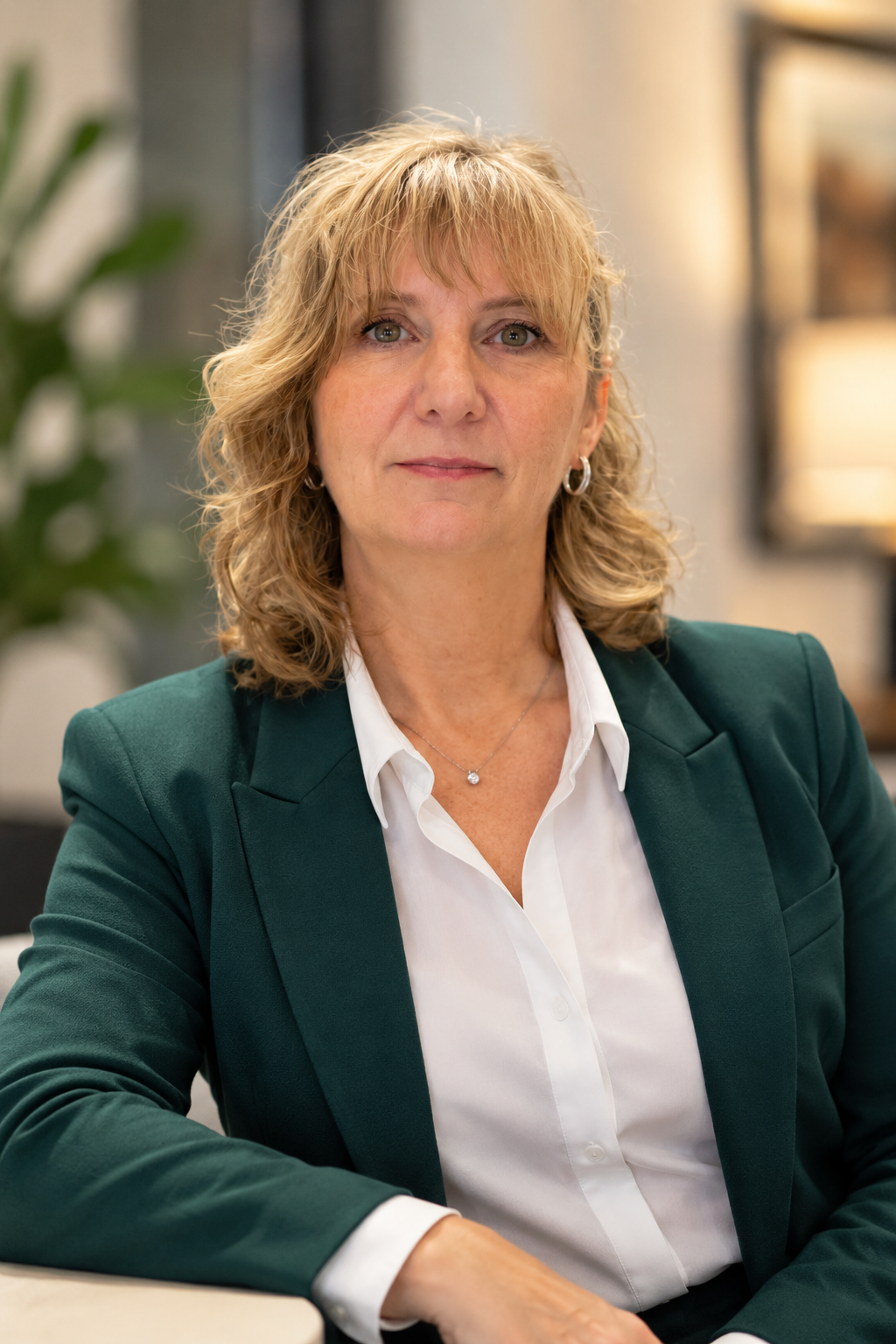
Her approach is rooted in empowerment. Rather than telling leaders exactly what they should do, she helps them recognize the knowledge, skills, confidence, and agency they already possess.
That approach reflects the way she has worked throughout her career. Whether she was teaching a student, supporting a colleague, leading a school, participating in union work, or studying leadership at the doctoral level, Crystal has remained interested in what happens when people are given the opportunity to understand their own experiences and contribute to the solutions affecting them.
Her work is particularly connected to educational leadership and the challenges faced by rural and remote communities, but the principles extend beyond one type of organization.
She believes leaders need opportunities to speak openly about what is working, what is not, and how policies or processes affect their ability to do their jobs well. Those conversations can help organizations identify where adaptation is needed and where people closest to the work can contribute meaningful ideas.
The goal is not to remove every challenge from leadership. Leadership will always involve complexity, uncertainty, and difficult decisions.
The goal is to create conditions in which leaders can meet those challenges without being consumed by them.
For Crystal, sustainable leadership means creating space for leaders to remain connected to the work they care about while also maintaining healthy and balanced lives.
Turning a difficult chapter into a different kind of purpose
Looking back, Crystal does not describe her time away from work simply as an interruption.
It became an opportunity to step back and listen.
She listened to herself, and she listened through her doctoral research to the experiences of other leaders. Those stories helped her see patterns that were larger than her own circumstances.
One of the things she is most proud of is not a particular position, award, or professional achievement. It is learning how to step back so she could eventually step forward with greater confidence and clarity.
That change is significant because it would have been easy to return to work and simply resume the same patterns.
Instead, Crystal allowed the experience to alter the questions she was asking.
These questions continue to guide her.
Her work is therefore not based solely on teaching individual leadership skills. It is also about examining the environments in which those skills are expected to operate.
A future shaped by stories and shared responsibility
Crystal’s vision extends beyond helping individual leaders feel more capable.
She wants to contribute to changes in education policy and leadership practices so that leadership becomes something people can sustain rather than something they eventually feel compelled to escape.
She hopes organizations will begin routinely asking leaders about their lived realities.
For Crystal, these are not simply questions for difficult moments. They should become part of an ongoing relationship between organizations and the people responsible for leading within them.
A book on sustainable leadership
Leadership · Research · Voices from across Canada
She also plans to publish a book that brings together the lessons from her leadership experiences, doctoral work, and conversations with leaders across Canada. Through writing, consulting, speaking, policy influence, mentoring, and coaching, she hopes to broaden the conversation around what sustainable leadership can look like.
Her vision is ultimately one of participation.
Leaders should not simply receive decisions and then be expected to implement them. They should have meaningful opportunities to help shape the decisions, policies, and programs that influence their work.
That philosophy reflects one of the values she returns to repeatedly: everyone has a story, and everyone deserves the opportunity to have that story heard.
Thinking about the leaders who come next
Family gives Crystal another reason to keep looking ahead.
Her parents have remained important influences throughout her life, shaping many of the values she carries into her work. Her children have also encouraged her to continue becoming a more compassionate and thoughtful person.
Now, her new granddaughter has given that sense of purpose another dimension.
Watching her granddaughter begin her life has made Crystal think about the education system that will eventually welcome her. She wants future generations to inherit schools led by people who have the capacity and confidence to advocate for children’s education and development.
That perspective changes the scale of the work.
The challenges facing today’s leaders may feel immediate, but the conditions created within schools can influence generations of students and communities.
For Crystal, improving leadership is therefore not only about helping today’s principals feel better at work. It is about helping create an education system that is worth passing forward.
Success measured in someone else’s growth
Crystal does not define success through titles or recognition.
For her, the most meaningful measure is what happens to another person as a result of their work together.
If someone overcomes an obstacle because they developed greater confidence, gained a new insight, or recognized an ability they had previously overlooked, she considers that meaningful success.
That philosophy is consistent with where her story began.
The child who taught stuffed animals and her younger sister was already drawn toward helping others become more capable. Decades later, the setting has changed, but the instinct remains.
Her leadership work is not ultimately about how many people she can direct.
It is about helping people become more capable of leading themselves and others.
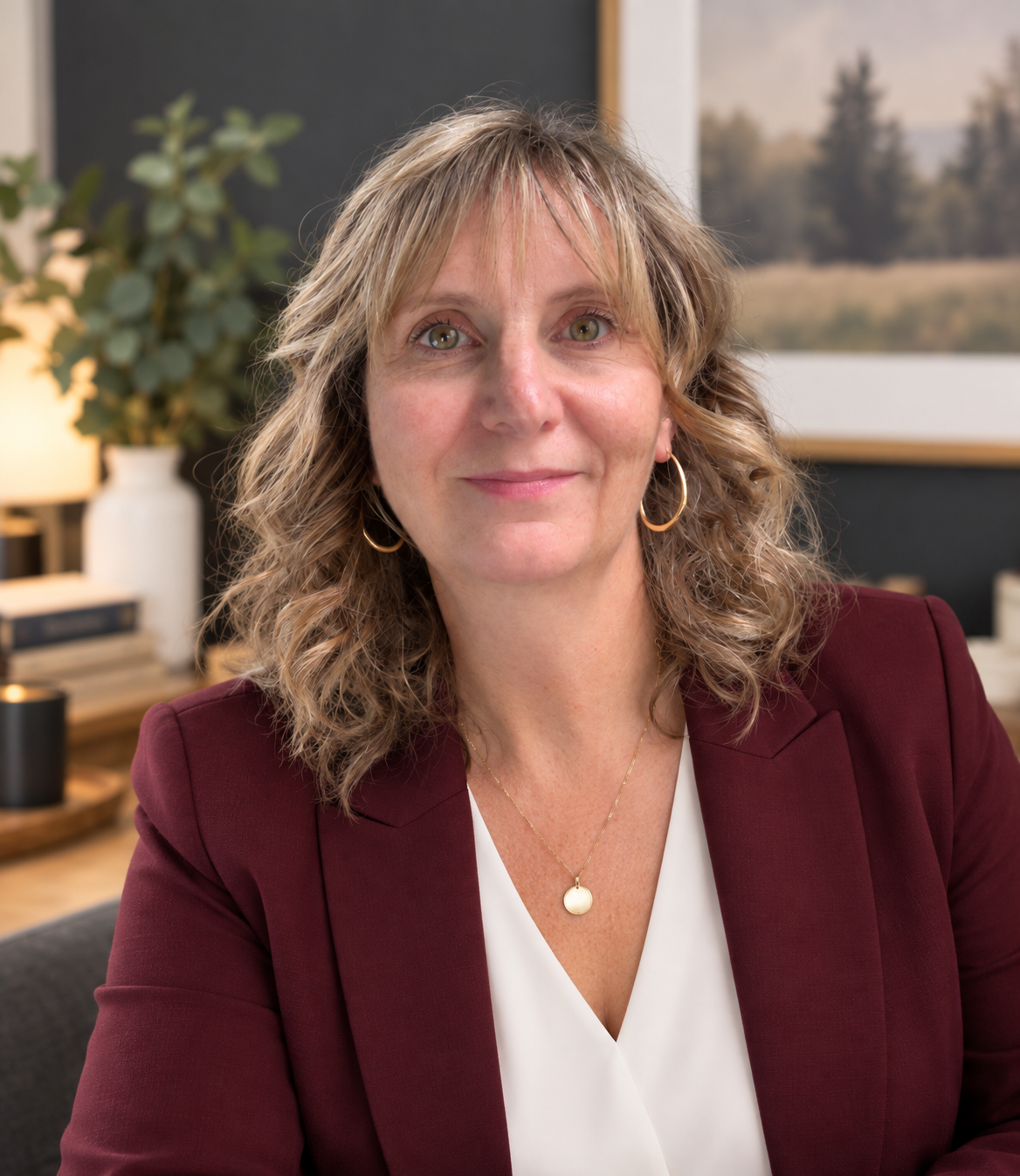
“Success is not about how many people I lead. It is about how many people become more capable of leading themselves and others because of the work we did together.”— Crystal Schindel
There is a quiet clarity in that definition.
Crystal’s journey has shown her that leadership cannot be separated from the conditions in which it happens. People need support, but they also need voice. They need accountability, but they also need agency. They need opportunities to lead, but they should not have to lose themselves in the process.
Her work continues to bring those ideas together.
At its heart is a simple belief: when people are genuinely heard, they can become active participants in shaping what comes next.
For Crystal Schindel, that is where sustainable leadership begins.
For More Features
Be Featured in The Real Edit!
Every story has the power to shape how we see innovation, leadership, and purpose. If you’re a founder, creator, executive, or changemaker with a journey worth telling , we’d be honored to help you share it.
To inquire about being featured:
Email us at: info@realedit.site
Follow The Real Edit