Meet Anne
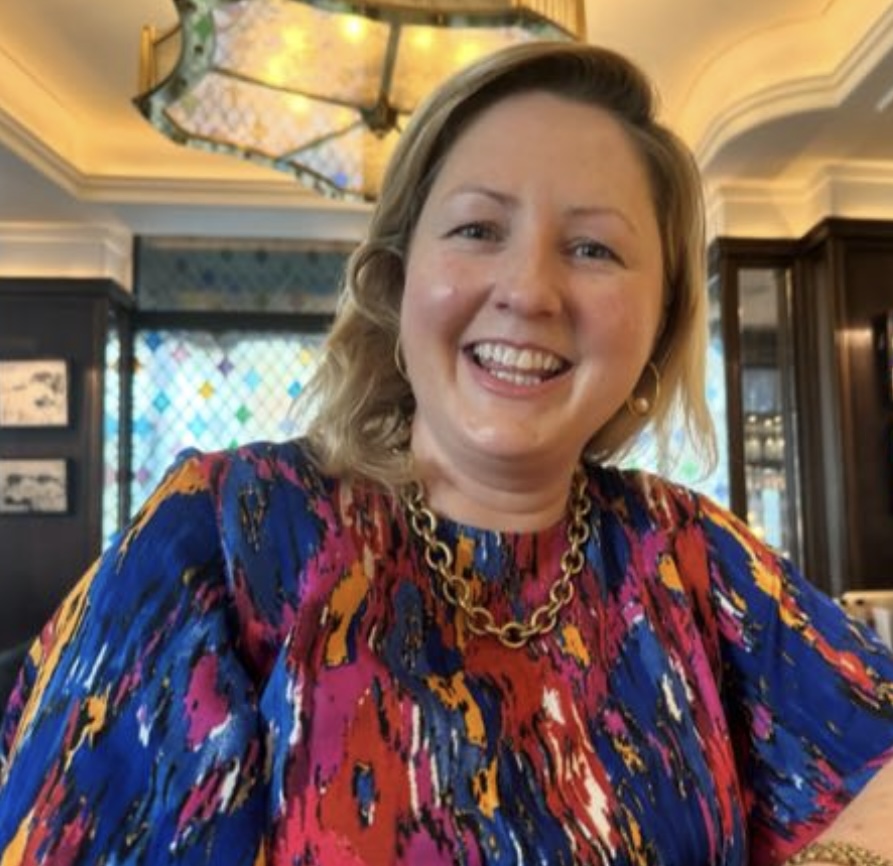
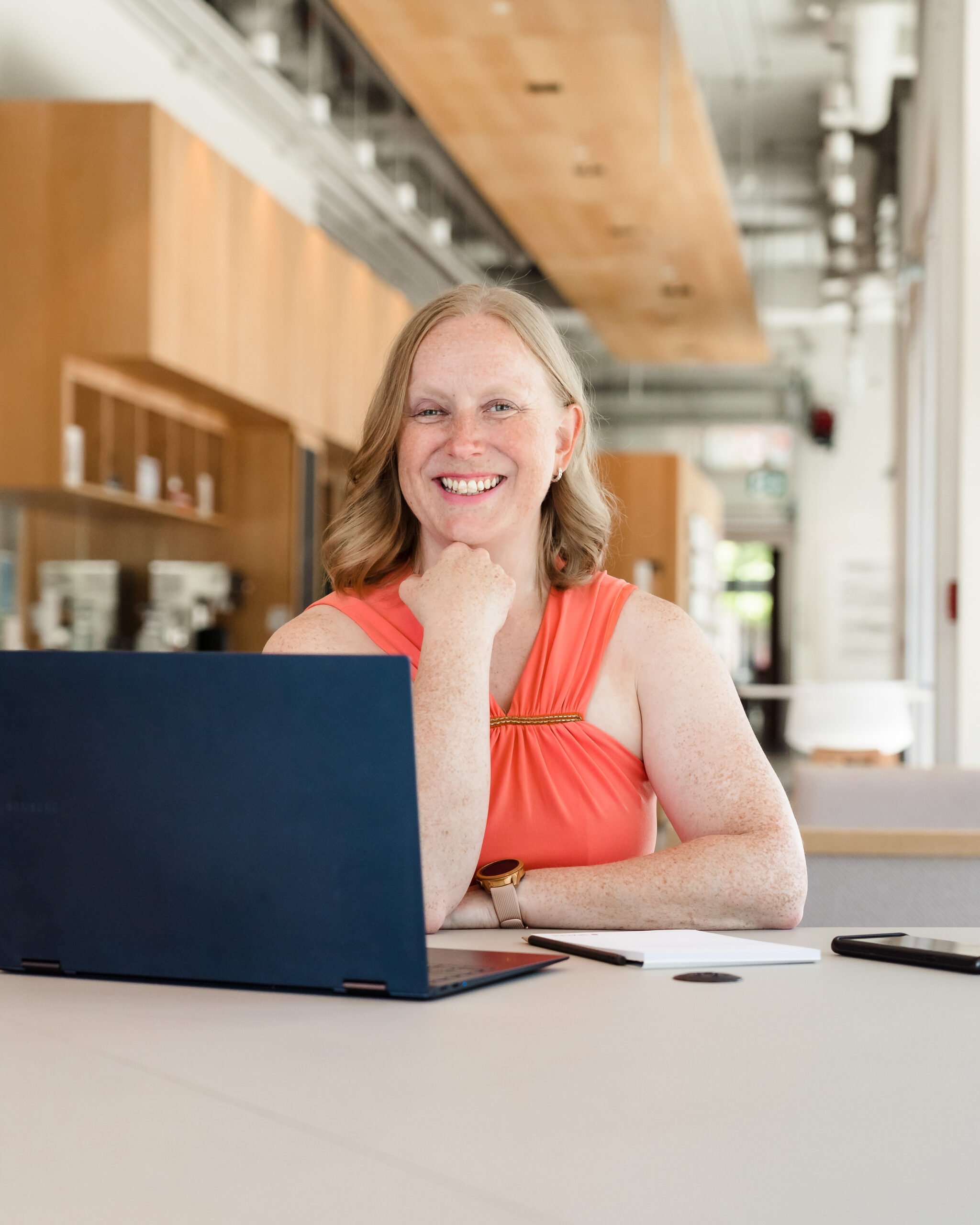
Anne Rayner is the CEO of Productivity Bargain and a speaker known as The Time Engineer. Based in Sydney, Australia, she draws on more than two decades of leadership experience across market research, international business, inclusion and diversity, and executive roles across Asia Pacific. Today, she helps leaders and teams rethink productivity by examining the systems that shape how people spend their time and energy.
When Change Came Looking for Her
Anne Rayner did not begin her career with a grand plan to become an executive, entrepreneur, or speaker. Like many early career decisions, hers started with a practical choice. She wanted to work in marketing, but when she left university, the only opportunity available to her was in market research. She accepted it, not knowing that the decision would shape the next 22 years of her professional life.
The company she joined became NFO, then TNS, and eventually Kantar. What could have been a conventional corporate career became something much more varied. Anne moved between Sydney, Hong Kong, and Singapore and worked across local, regional, and global roles. She experienced mergers and acquisitions, moved between account management, expertise, and leadership positions, and gradually built a career defined by change.
She stayed with one organisation for a remarkably long time, but she never experienced it as standing still. Her responsibilities, locations, colleagues, and challenges kept evolving. She often describes it as changing jobs, brands, or countries every few years without having to leave the company to find something new.
That willingness to embrace change became one of the themes running through her career. Instead of treating uncertainty as something to resist, Anne learned to approach it with curiosity. It was a mindset that would influence the way she led people, approached opportunities, and eventually built her own business.
One of her earliest lessons in leadership came only a year into her career, when the company was acquired. While others around her were understandably uncertain about what the change might bring, Anne saw an opportunity to meet new people, learn new things, and grow. Her response surprised her boss, who later thanked her for her leadership.
Anne was surprised too. She did not see herself as a leader at the time. She was the most junior person in the business.
The experience changed her understanding of what leadership could mean. She began to recognise that leadership was not reserved for people with senior titles. It was reflected in how someone responded to uncertainty, how they supported others, and how they chose to show up.
That lesson stayed with her throughout the years that followed.
The Moments That Asked Her to Step Forward
Anne’s career continued to develop through moments when she was willing to make her ambitions visible. While living and working in Hong Kong, she identified what she considered her dream role: a regional position leading communications research across Asia Pacific.
Instead of quietly hoping the opportunity would eventually come her way, she told the person already holding the role that it was the job she wanted. More importantly, she asked for advice about what she would need to do to become ready for it.
When that woman was later promoted and the position became available, she approached Anne directly and offered it to her. Before turning 30, Anne was doing the work she had once described as her dream job.
The experience reinforced an important principle that still shapes her advice today. Ambition does not always need to be announced loudly, but it does need to be communicated. People cannot support an aspiration they do not know exists.
Another defining opportunity arrived years later, after Anne had returned to Australia and spent several years in a global role. The work she had originally been brought in to complete was coming to an end, and she expected redundancy to follow.
At a regional conference, she found herself in a breakout group where she was not part of the team or even from the region being represented. Still, she chose to contribute. She facilitated the conversation, helped the group work through its challenges, and guided them toward a strong result.
Unknown to Anne at the time, the APAC Head of HR was watching.
That moment led to an opportunity in Singapore as Chief Solutions Officer for APAC and CEO for Cambodia and Myanmar, her first C-suite positions. The role would eventually become one of the most difficult and formative periods of her career, after a challenging start.
Moving her family to Singapore and suddenly leading people who had previously been her peers brought a new level of responsibility. She was working with highly experienced specialists and senior individual contributors, and she realised quickly that expertise alone would not make her an effective leader.
Anne reflects that the first six months were difficult. It forced her to make a deliberate investment in her own personal growth, asking for executive coaching, participating in leadership development programs that took her outside her comfort zone, and reading widely. She had to confront how she saw herself, where her confidence came from, and what her team actually needed from her.
The experience was uncomfortable, but it became transformative.
As Anne puts it,
“growth comes in uncomfortable places!”
That lesson became part of the way she understands professional development. Difficult periods can reveal the areas where growth is necessary. For Anne, that meant becoming more confident in her ability to lead, influence, and create results through other people.
Learning That the System Was the Problem
Anne’s years in Hong Kong had already taught her another important lesson. Working across cultures initially seemed easier than she expected. It was only after spending more time there that she began to recognise how much she did not yet understand.
That realisation made her more observant and curious. It taught her to question assumptions and recognise that effective communication is rarely universal. Different people can interpret the same situation in very different ways depending on their experiences, culture, expectations, and context.
Her leadership experience across Asia Pacific continued to deepen that understanding.
By the end of her time at Kantar, Anne was wearing several leadership hats. She served as Chief Solutions Officer for APAC, held managing director responsibilities across Cambodia, Myanmar, and Malaysia at different times, and led Inclusion and Diversity for APAC.
She is particularly proud of turning around three businesses that had been experiencing double-digit declines and helping them reach double-digit growth. She is also proud of establishing 14 local Inclusion and Diversity committees across APAC and securing business support and funding so that people leading this work would have meaningful recognition rather than simply carrying it as an additional volunteer responsibility.
Yet the achievement that ultimately changed the direction of her career came from a problem that could not be solved simply by working harder.
Anne had begun to see people around her burning out. The teams responsible for delivering strong work were moving faster and faster, but the pace was not necessarily producing better outcomes. There was growing busyness, inefficiency, and exhaustion.
At the same time, the organisation faced challenges attracting and retaining the quality talent needed to meet client expectations and continue growing.
Anne had read the research around the four-day work week and believed it could offer a different way forward. She proposed a pilot to the APAC CEO.
The response was not what she had hoped for. Her proposal was rejected — in her words, it was “shot down in flames” — and she was told that raising the idea showed she was not commercial. The label stayed with her for two years, even as she helped turn three struggling markets around.
Eventually, the experience became a catalyst.
In July 2024, Anne left Kantar and market research and founded Productivity Bargain.
She did not leave because she had stopped believing in business or leadership. She left because she believed there had to be a better way to produce strong results without continually consuming the people responsible for creating them.
Reclaiming Time Instead of Managing It
Today, Anne works as The Time Engineer, using systems thinking to help leaders and teams reclaim five to eight hours of time per person each week.
Her approach begins with a simple observation. Modern workplaces often ask individuals to manage an overwhelming amount of work, then offer them productivity hacks and time management techniques as the solution.
Anne believes that misses the larger issue.
One person cannot independently fix a system that creates unnecessary meetings, inefficient processes, unclear priorities, constant interruptions, and competing demands. If the environment remains unchanged, individual time management can only go so far.
Her work therefore focuses on the system rather than treating the individual as the problem.
She helps teams examine where time and energy are leaking, question assumptions about how work needs to happen, and identify ways to deliver meaningful outcomes more efficiently. The time that is reclaimed can then be used in ways that matter to the people and the organisation, whether that means additional time away from work, strategic focus, team development, or simply creating more breathing room.
This is the thinking behind the name Productivity Bargain. The idea is that when a team discovers how to achieve its outcomes in less time, the people doing the work should have the opportunity to keep some of that reclaimed time for something valuable.
Anne has seen the difference this can make. She has worked with organisations where burnout dropped dramatically within months. She has seen founders move away from 12- or 14-hour working days and finish their days without guilt. She has also worked with small business owners who discovered that working fewer hours could coexist with achieving more when they became more deliberate about where their time went.
For Anne, productivity is therefore not about squeezing more work into every available minute. It is about making better decisions about what deserves those minutes in the first place.
Her philosophy is closely connected to the values she names as central to her life: inclusion, kindness, and positivity. These are not abstract ideas separated from her professional work. They shape how she thinks about leadership, teams, and the relationship between performance and people.
A Bigger Stage for a Bigger Purpose
Anne’s ambition now reaches beyond individual consulting engagements.
Her goal is to change one million lives by helping people reclaim time. The number is ambitious, but she thinks about it through small, personal outcomes rather than statistics alone.
It might be someone discovering that they now have more time with their partner. It might be a team reaching an important target early because it removed work that was not actually productive. Or it might be an audience member hearing an idea that suddenly changes how they think about their own working life.
That last possibility is especially important to Anne as she builds the next chapter of her career.
Her current focus is on expanding her speaking career. She has spoken on large and small stages across 12 different APAC markets throughout her career, and she genuinely enjoys speaking. Now, she is excited about the opportunity to bring her ideas about time, leadership, productivity, and sustainable performance to even larger audiences.
Speaking gives Anne another way to bring these ideas into conversations that can travel far beyond a single organisation.
She is not simply interested in telling people to work less. Her deeper message is about helping them understand what their time is actually being spent on, why certain patterns continue, and what becomes possible when teams take responsibility for changing the system together.
For someone whose career has repeatedly been shaped by stepping forward before she was certain of the outcome, this next move makes sense. It gives Anne another platform from which to challenge assumptions about how we work and to help more people rethink what is possible.
To Better Work, by Design
Anne’s own life reflects the philosophy she teaches.
She recognises the importance of creating time for herself and doing things she enjoys. She values coaching because mentors and executive coaches have helped her navigate some of the hardest periods of her professional life. And she places great importance on the people around her, both at work and at home, who believe in her and support her without conditions.
Those relationships provide a reminder that time is not merely a business resource.
It is also how people experience their lives.
Productivity is often discussed through targets, output, efficiency, and performance. Anne’s perspective brings the conversation back to the human consequence of how time is organised.
If someone can finish work earlier, perhaps they can spend an evening with their family. If a team can eliminate unnecessary work, perhaps people can think more deeply instead of constantly reacting. If a business can create healthier ways of working, perhaps talented people will have more reason to stay.
The practical and the personal are connected.
Anne’s career has taught her that meaningful change often begins with recognising something that no longer makes sense and having the courage to question it.
Her advice to others is simple:
“If you know what you want, tell people.”
It is advice rooted in her own story. She told someone about her dream role and eventually received the opportunity. She stepped forward in rooms where nobody had formally asked her to lead. She proposed a different approach to working life even when the idea was rejected. And eventually, she built a company around the question that had been troubling her for years.
The Time We Choose to Keep
Anne Rayner’s story is not really about leaving a corporate career or building a productivity company. It is about learning to pay attention to what work asks of people and questioning whether the usual answer should always be to work harder.
Across Sydney, Hong Kong, Singapore, and the many roles that shaped her career, she has repeatedly found herself in situations where the path forward was not obvious. Each time, she learned something about leadership, confidence, culture, ambition, or resilience.
Now she is applying those lessons to one of the most universal challenges of modern working life: having enough time for what actually matters.
Her vision is large, but the change she seeks is often very small and very human. More time with someone you love. A workday that ends without guilt. A team that has space to think. A leader who no longer measures commitment by exhaustion.
Perhaps that is the most meaningful part of Anne’s work. She is not simply asking people to become more productive. She is asking them to consider what they would do with the time if they had more of it, and then helping them build systems that make that possibility real.
For More Features
Be Featured in The Real Edit!
Every story has the power to shape how we see innovation, leadership, and purpose. If you’re a founder, creator, executive, or changemaker with a journey worth telling , we’d be honored to help you share it.
To inquire about being featured:
Email us at: info@realedit.site
Follow The Real Edit