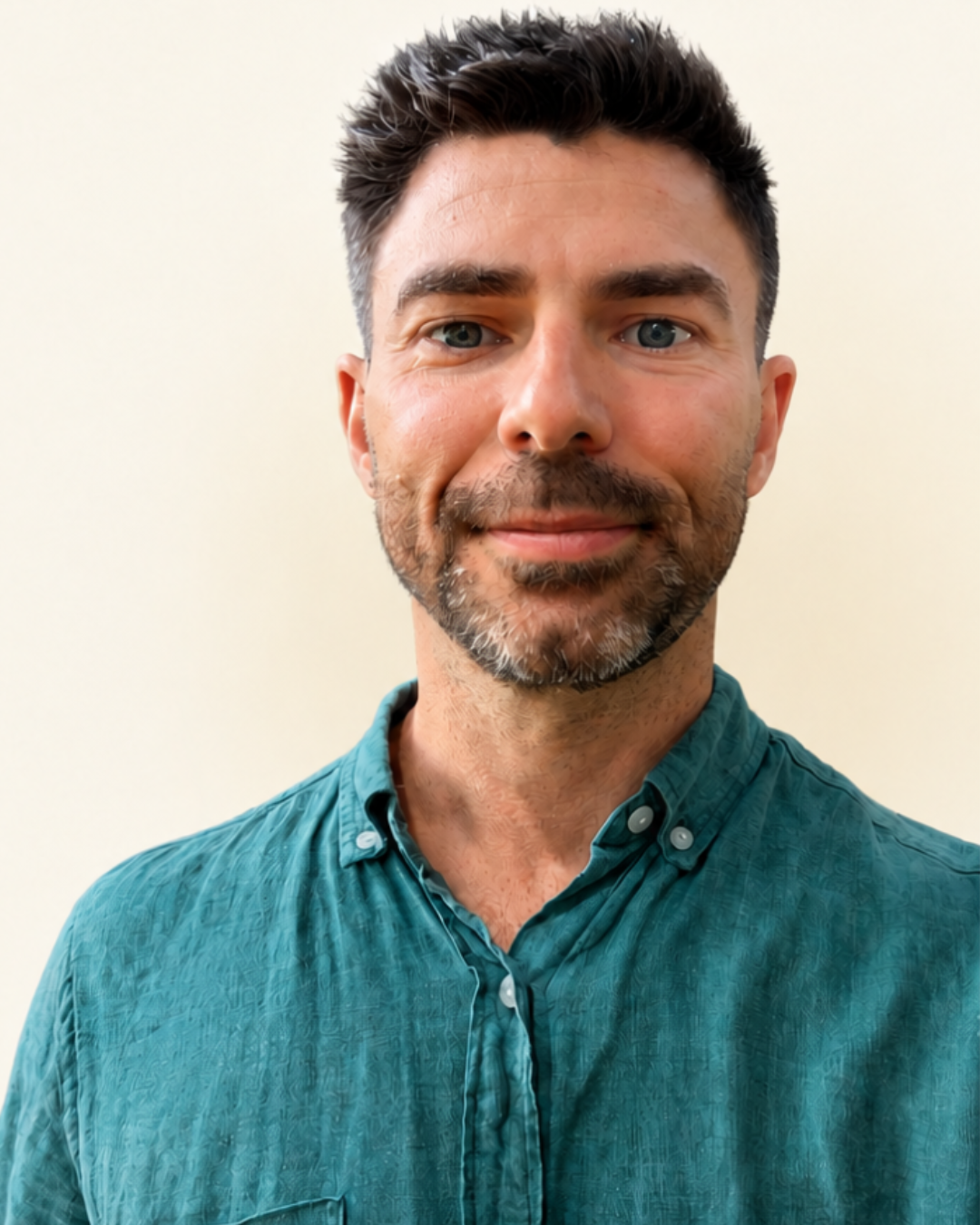
Christian Brownand the New Creator Economy
The new-era entrepreneur, Forbes 30 Under 30 marketer and Co-Founder of Glewee on building the infrastructure that connects brands with creators.

Christian Brown is the Co-Founder and Chief Marketing Officer of Glewee Inc, an influencer marketing platform connecting brands with thousands of influencers to create, harness, and scale their partnerships. Based in New York City, he began his entrepreneurial journey at 17 and has spent more than a decade working at the intersection of digital marketing, technology, commerce, and the creator economy.
Christian is named a Forbes 30 Under 30 Marketer for Co-Founding Glewee, bringing it to market, and paying out millions of dollars to influencers and creators nationwide since inception.
Christian Has Been Looking At the Internet As A Business Opportunity Since 2015

Long before the creator economy became a widely recognized part of modern business, Christian Brown was watching it take shape in real time. He came of age during a period when social media was changing not only how people communicated, but also how they could build audiences, sell products, and create entirely new careers.
At 17, while still in high school, he launched his first ecommerce lifestyle brand, OHKAY. It was an early lesson in what it meant to build something without an established roadmap. He had to think about branding, marketing, customers, social media, and the practical realities of turning an idea into a business.
That first experience became the beginning of a much longer relationship with entrepreneurship. Rather than treating social media as simply a communication channel, Christian became fascinated by its ability to connect people with products and ideas at a scale that had previously been difficult for an individual entrepreneur to reach.
He later studied Advertising and Marketing at DePaul University in Chicago while continuing to pursue his own ventures. During those years, he launched additional ecommerce businesses and began working with influencers from different parts of the world. Those relationships gave him an unusually direct view of how creators could shape consumer behavior.

He saw that an individual with a loyal audience could influence discovery, attention, trust, and ultimately purchasing decisions. At the same time, he began to notice something less visible beneath the excitement. The industry itself was fragmented.
Brands wanted to work with creators. Creators wanted meaningful brand partnerships. Yet the processes connecting them were often difficult to manage. Outreach, negotiations, contracts, content approvals, payments, reporting, and relationship management could quickly become complicated.
For Christian, this was more than an inconvenience. It was a sign of an emerging business problem.
When Experience Working with Influencers Became a Hundred Million Dollar Business Idea
While studying advertising at DePaul University in Chicago, Christian was building multiple e-commerce companies. While in Los Angeles working with influencers on a campaign for his lifestyle brand OHKAY, Christian met his co-founder Dylan Duke. While working together on both the brand-building side and influencer management sides of the equation, it was clear that there was a massive market opportunity here.
The decision to build Glewee grew naturally from the experiences Christian and the other young creator economy savants around him had already accumulated. Christian had been both an entrepreneur trying to market products and someone working directly with influencers. Together, they understood the opportunity from the inside because of the friction they experienced trying to scale influencer marketing programs organically.

It was clear that the creator economy was fragmented. Influencers wanted more brand deals and brands wanted to partner with influencers. But there was no central hub to do this. There were many components to the process, from search and discovery to contracting and compliance all the way to payouts and data tracking.
This was being done over email, across spreadsheets, and without any tech at all. There was a strong belief that influencer marketing needed better technology and infrastructure, particularly as the creator economy continued to expand.
Glewee began with an idea about making that relationship between brands and creators easier to navigate. But bringing that idea into the world required far more than recognizing a market opportunity. It meant building a company from nothing, finding users willing to trust a new platform, developing technology, and creating a team capable of supporting the vision.
The early milestones mattered because they provided evidence that the idea was becoming something tangible. Reaching the first thousand users showed that people were willing to engage with the platform. Having brands choose Glewee to manage their influencer marketing programs offered another form of validation.
For Christian, one of the most meaningful milestones was seeing creators actually receive money through the platform. The significance was not simply financial. It represented the practical purpose behind what he and his partner were building.
“We’ve paid out millions of dollars to creators and influencers through Glewee since we launched our platform. That opportunity, to me, is the most incredible part of what we’ve brought to this market.”— Christian Brown
Christian remembers being as pleased by Glewee facilitating its first dollar in creator payments as he was by reaching its millionth dollar in payments. Christian told us about the moment they processed the first brand deal through Glewee and made their first bit of revenue. And he told us that story with as much excitement as he told us how they processed over $100,000 in brand deal payouts this month. That perspective says something about how he measures progress. Growth matters, but the underlying transaction matters more because it demonstrates that the platform is creating a useful connection between two sides of an evolving economy.
The company eventually grew beyond the original idea into a platform, business, and team serving brands, agencies, and creators around the world. Yet the fundamental question remained straightforward. Was Glewee solving a problem that creators, influencers, marketers, advertisers, and agencies face within the creator economy?
That question continues to shape how Christian thinks about entrepreneurship and how he will shape the future of Glewee, his career, and the impact he has on the ever-growing creator economy.
Learning to Lead Without a Playbook
Building a company in an emerging industry comes with a particular kind of uncertainty. There are few established rules, and the environment can change faster than a traditional business model can adapt.
Christian has experienced that uncertainty throughout Glewee’s development. The creator economy continues to shift alongside social platforms, consumer behavior, technology, and broader economic conditions. What works in one period can require adjustment in the next.
The challenge becomes even more complex when a company serves two distinct groups. Brands need efficient ways to find and manage creators, while creators need opportunities that respect their work and help them build sustainable careers. Glewee has to understand both sides while continuing to develop its own business.
Christian learned that leadership in such an environment is not about pretending to have every answer. Instead, it requires the ability to gather information quickly, recognize what has changed, make decisions, and adapt without losing sight of the larger direction.
That lesson also changed him personally.

In his earlier businesses, Christian was accustomed to operating independently. He was often responsible for almost every part of the operation, from strategy to execution. Building Glewee required him to move beyond that mindset.
He had to learn how to hire people, delegate responsibility, build a marketing function, create systems, and trust other people with important parts of the business. His role gradually shifted from being the person doing everything to becoming someone responsible for helping other people do their best work.
That transition is one of the quieter realities of entrepreneurship. Building a company requires personal effort, but eventually the founder has to create something that can function beyond his individual capacity.
For Christian, this meant developing a broader understanding of technology, marketing, sales, finance, operations, culture, and people. The experience made him a more multifaceted leader and reinforced the importance of ownership.
He continues to believe that founders should remain close to the problems they are trying to solve. His approach is not about refusing to delegate. It is about understanding the work deeply enough to take responsibility for the outcome and setting a standard that others can follow.
Building a Bridge Between Brands and Creators
Today, Christian’s work remains closely tied to the transformation he witnessed when he first entered entrepreneurship.
The creator economy has developed into a significant part of modern marketing. Creators are no longer simply people publishing content online. Many have become entrepreneurs, media businesses, storytellers, community builders, and independent brands in their own right.
Their audiences have economic value because those communities are built around trust, interest, expertise, entertainment, or shared identity. Brands increasingly recognize that working with creators can provide access to communities in ways that conventional advertising cannot always replicate.
Yet the relationship still needs infrastructure.
Glewee exists within that space, helping brands and agencies identify creators and manage the many steps involved in partnerships. For creators, the platform provides another avenue for discovering opportunities, managing collaborations, creating content, and receiving payment.
The importance of that connection is something Christian understands personally because his career began on the other side of the equation. He once needed influencers to help promote the products he was building. Now he is helping develop the systems through which those relationships can operate at scale.
The economic impact is therefore not limited to the technology itself. Each completed partnership represents a working relationship between a brand and a creator. Each payment represents income for someone building a career through their audience and creative work.
Christian sees this as part of a larger historical shift. A decade ago, many of these career paths barely existed. Today, an individual can build an audience from a bedroom, develop a personal brand, work with companies around the world, and potentially build a sustainable business without following a traditional corporate path.
He wants Glewee to contribute to the infrastructure that makes that possible.
Success Means Building Something That Lasts
Christian’s understanding of success has remained grounded in the usefulness of what he builds.
For him, the most satisfying moments are not necessarily the biggest public milestones. They can be conversations with a brand marketer or agency team who recognizes that Glewee has solved a problem they have struggled with internally for years.
That kind of response gives entrepreneurship a practical meaning. A company can have impressive numbers, talented people, investment, recognition, and ambitious goals, but those things do not replace the fundamental responsibility to create something people genuinely need.
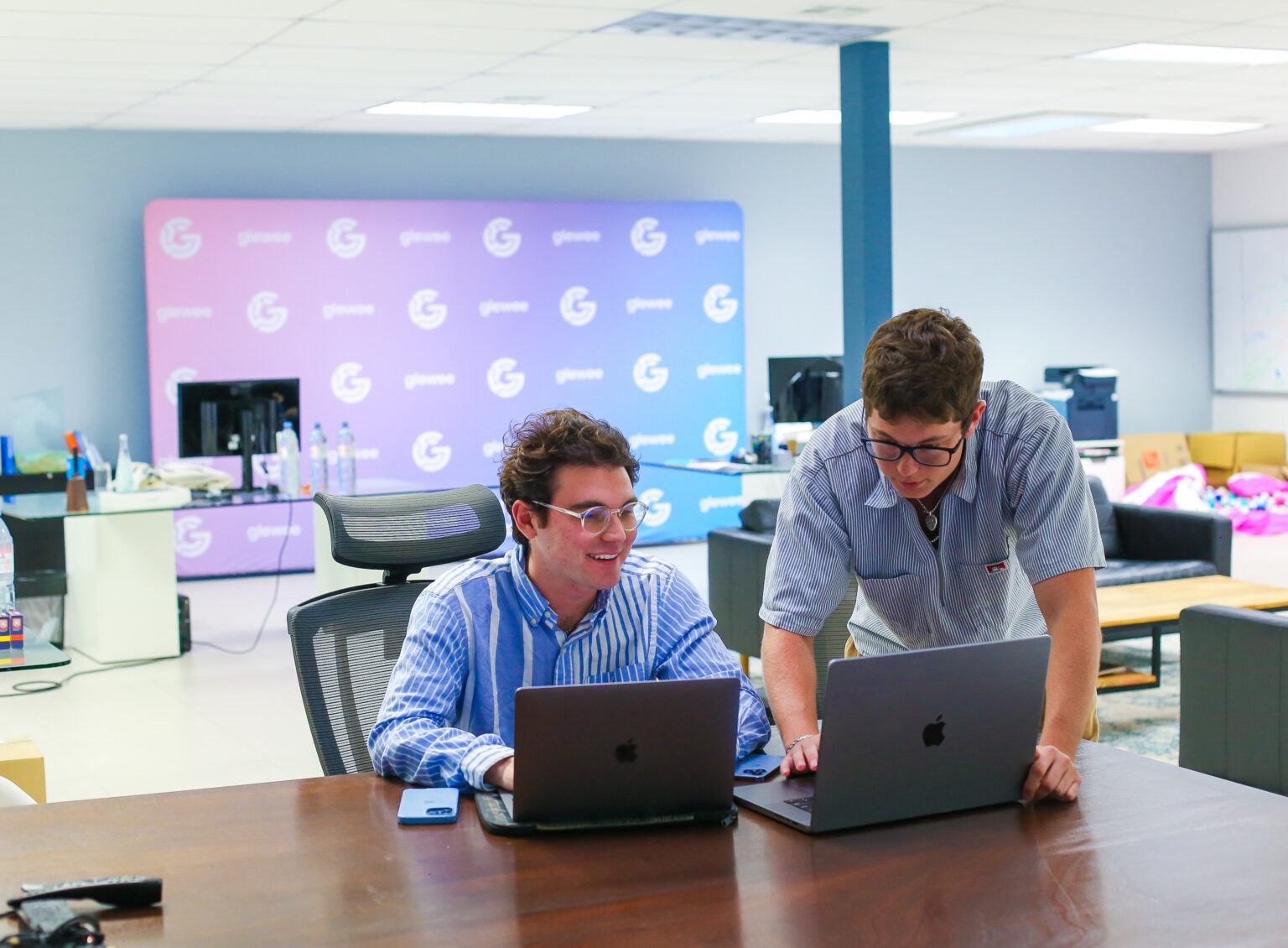
This belief also explains why Christian speaks so highly of the team behind Glewee. The company was built by a relatively small group of talented people, including Gen Z innovators who share a belief in what the business can become.
For Christian, a strong team is inseparable from a strong company. Creating a company is the first feat on the journey from 0 to 1, but putting together the right team with shared determination will show you how far that idea can travel.
There is also an element of enjoyment in Christian’s definition of success. Entrepreneurship can easily become an endless pursuit of the next target. He wants the process itself to remain meaningful. Working with people he respects, taking on difficult challenges, creating things he believes in, and enjoying the experience along the way are all part of his idea of a successful life in business.
That perspective adds a human dimension to an otherwise fast-moving industry. The goal is not simply to grow. It is to build something worth continuing to build.
Keeping Focus When Everything Is Moving
Operating in a rapidly changing industry can create constant noise. There are new platforms, technologies, opinions, trends, market movements, and competing priorities. For Christian, staying focused means learning to separate what matters from what merely demands attention.
His approach is to return to a few basic questions.
- What is the goal?
- What can actually be controlled?
- What actions are most important right now?
That process helps turn complicated problems into manageable ones. Instead of allowing uncertainty to become overwhelming, he tries to convert it into a series of decisions and actions.
This mindset has become particularly important as Glewee has grown. The company has to respond to changes in the market while remaining committed to a longer term vision. Adaptability matters, but so does the discipline to avoid being pulled in every direction.
Christian’s motivation comes from that combination of purpose and progress. Knowing where the company is heading gives meaning to the smaller decisions that happen every day.
His perspective has been influenced by people who challenged conventional thinking and connected different disciplines.
Virgil Abloh
Fashion · Design · Music · Art · Culture
Sam Altman
Building around technological change
Brian Chesky
Building around cultural change
Peter Thiel, Zero to One
Creating something meaningfully different
Virgil Abloh stands out because of the way he moved between fashion, design, music, art, and culture without treating those fields as separate worlds.
Christian also draws inspiration from entrepreneurs such as Sam Altman and Brian Chesky, particularly their willingness to recognize major technological or cultural changes and build around them. Peter Thiel’s Zero to One has influenced his thinking about creating businesses that introduce something meaningfully different rather than simply competing within established categories.
These influences reflect a broader philosophy that creativity and entrepreneurship do not need to stay inside traditional boundaries.
Making the Lessons More Accessible
The next chapter of Christian’s work may extend beyond Glewee.
After more than a decade of entrepreneurship, he wants to turn his experiences into something useful for people who are only beginning their own journeys. He remembers starting his first company at 17 and learning largely through experimentation, mistakes, and persistence.

The digital environment has changed considerably since then. Today, aspiring entrepreneurs have access to more tools than ever. They can create brands, distribute content, reach customers, and test ideas with relatively few resources.
But access to tools does not automatically provide understanding.
Christian wants to create an educational resource that explains the process of entrepreneurship from the ground up. He wants to help people think through idea validation, branding, go to market strategy, social media, creator partnerships, customer acquisition, and the transition from an initial concept into a sustainable business.
There is a natural connection between this ambition and the beginning of his own story. He started by figuring things out for himself. Now he wants to make that learning process easier for others.
His broader hope is to become a useful resource for young people entering the digital economy, particularly those who have an idea but lack the confidence or practical knowledge to begin.
Taking the First Step
Christian’s advice to aspiring entrepreneurs is uncomplicated: start.
He believes there will rarely be a moment when every condition is perfect. There will always be another reason to wait, another piece of information to gather, or another uncertainty to resolve.
His own story began before he knew where it would lead. The business he started at 17 eventually connected to years of work in marketing, ecommerce, influencer relationships, technology, and the creator economy. The path was not visible at the beginning.
That is perhaps one of the most important lessons in his journey. A career does not always reveal its larger pattern while it is happening. Sometimes the connections only become obvious in retrospect.
The decision to begin creates the possibility of everything that follows. The businesses, relationships, failures, lessons, partnerships, and opportunities that shaped Christian’s career all became possible because he was willing to act before he had complete certainty.
“Just get out there and do it. Take the shot.”— Christian Brown
There is a practical philosophy behind that advice. Belief in an idea is only the starting point. It has to be followed by work, experimentation, learning, and a willingness to adjust when reality provides new information.
Christian does not romanticize entrepreneurship as a straight path. His experience has involved uncertainty, responsibility, mistakes, growth, and the gradual realization that leadership means creating space for other people to contribute.

What began as a teenager’s interest in ecommerce eventually became a career spent helping shape an industry that barely existed when he entered business. Today, his work at Glewee sits within a much larger transformation in the way people create, market, and earn.
His ambition is still moving forward, but the underlying idea remains remarkably consistent. Build something useful, stay close to the problem, keep learning, and give an idea a genuine chance to become real.
Take the shot.
For Christian, that may be the enduring appeal of entrepreneurship. It allows an idea to move from imagination into the world, where its value can finally be tested by the people it was created to serve.
For More Features
Be Featured in The Real Edit!
Every story has the power to shape how we see innovation, leadership, and purpose. If you’re a founder, creator, executive, or changemaker with a journey worth telling , we’d be honored to help you share it.
To inquire about being featured:
Email us at: info@realedit.site
Follow The Real Edit