

This is for preview purpose only. It is unlisted and unindexed on the Internet
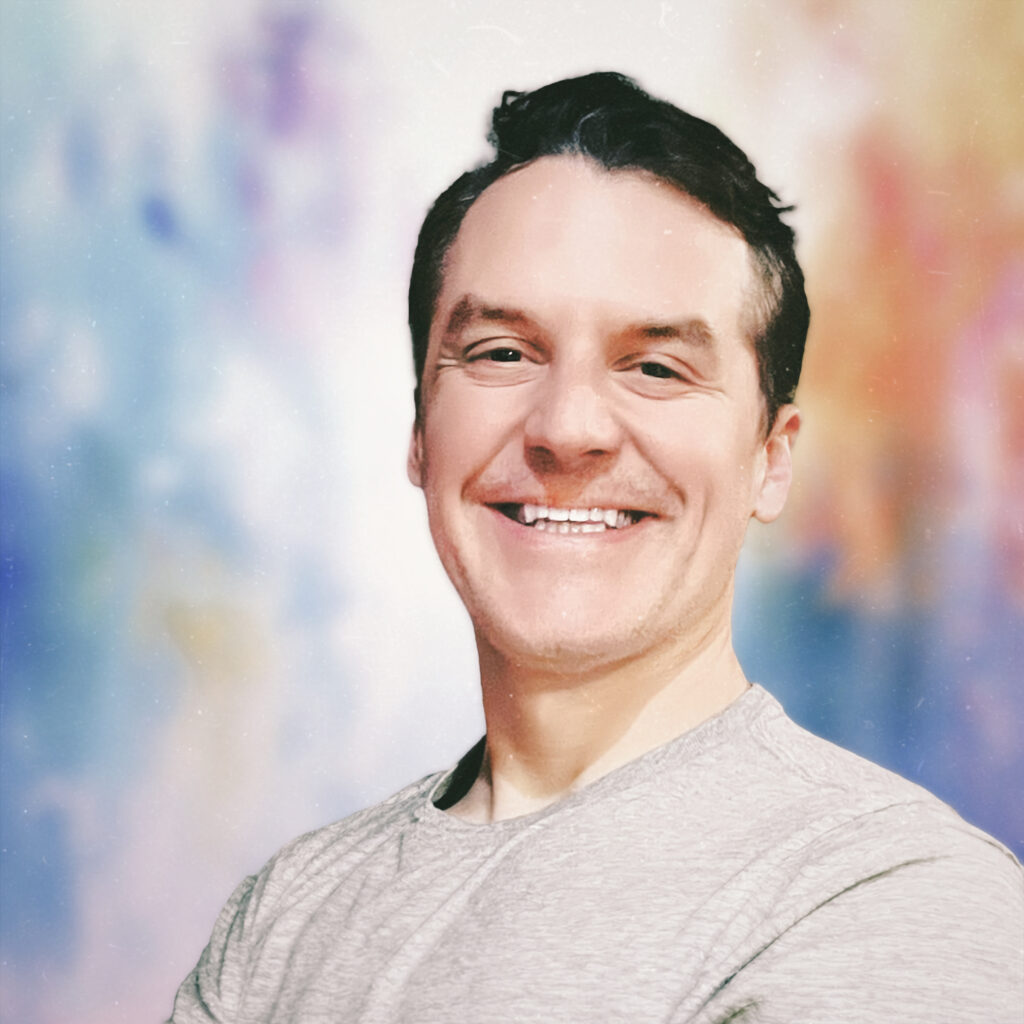
Meet TJ Pitre
TJ Pitre is the Founder and CEO of Southleft, a New Orleans based design and development studio focused on building scalable design systems and front end foundations for modern digital teams.
Where Making Things First Took Hold
Long before systems, frameworks, or strategy entered his vocabulary, TJ was simply someone who liked to make things. As a child, that impulse showed up through drawing and illustration. He imagined a future as a comic book artist, spending hours absorbed in visual worlds that felt alive under his hands. What mattered most was not recognition or outcome but the act itself the quiet satisfaction of building something from nothing.
As he grew older, reality added texture to that early dream. The path of illustration, while creatively fulfilling, began to feel narrow and uncertain. Graphic design offered a different kind of possibility. It still honored creativity but introduced structure, intention, and usefulness. Design was not only about expression. It was about communication and problem solving. It was about helping something work.
That realization marked the first subtle shift in his relationship with creativity. Making things was no longer only personal. It could be functional. It could serve others.
Learning by Saying Yes Before Knowing How
Like many early turning points, one arrived quietly. A freelance client asked if he could build a website. He had never done it before. He said yes anyway.
That single decision changed the trajectory of his career. Teaching himself through early Macromedia tools, TJ discovered something unexpected. Code did not restrict creativity. It expanded it. Flash became a gateway into logic and interaction. Design was no longer static. It responded. It adapted. It lived.
What drew him in was not the novelty of technology but its potential. This was a way to build experiences people could use, rely on, and return to. Over time, front end development became the place where his creative instincts and analytical thinking met naturally.
By the time he entered college to study multimedia design, his direction felt clearer. He explored widely but kept returning to the space where design and engineering overlapped. Freelance work filled his early years, followed by agency experience that sharpened his understanding of craft, collaboration, and scale.
Disruption, Displacement, and an Unexpected Education
Hurricane Katrina disrupted life in New Orleans in ways that were both immediate and lasting. For TJ, it marked the end of one chapter and the beginning of another. He stepped into a role leading web work for Emeril Lagasse’s organization, a position that demanded responsibility and rigor. When Martha Stewart Living Omnimedia acquired that division, he relocated to New York.
Those six years became a formative education. Rising from front end developer to Director of Front End Development, he oversaw architecture across major digital properties. The work was complex and fast paced, but what stayed with him most was the culture. Craft mattered. Collaboration mattered. Thoughtful execution was expected.
It was also where he began to see systems more clearly. Not just technical systems, but organizational ones. How teams worked together. How decisions scaled. How consistency could empower rather than limit creativity.
When he returned to New Orleans in 2013, it was with clarity and intention. He was ready to build something of his own.
Building Southleft One Decision at a Time
Southleft began as a solo practice. There was no grand vision statement, no rush to scale. Just a commitment to doing the work well. Slowly, demand grew. So did responsibility.
Hiring the first employee changed everything. It transformed the business from a personal endeavor into a shared one. Leadership was no longer theoretical. It was human. It required care, alignment, and trust.
As Southleft grew, the work began to center around design systems before the term became widespread. Modular thinking came naturally. Building foundations that could adapt and scale felt like a continuation of everything Terrance had been learning for years.
The studio earned trust through consistency. Clients returned. Larger engagements followed. Speaking invitations arrived. Recognition grew, but never replaced the internal measure of success. What mattered most was whether the work held up and whether the team felt supported doing it.
The Weight of Uncertainty and the Cost of Silence
Growth brings visibility, but it also brings vulnerability. One of the most persistent challenges TJ faced was uncertainty. Forecasts could be thoughtful. Plans could be strong. Outcomes still remained unpredictable.
On a more personal level, fear of criticism quietly shaped his leadership. A hesitation to share internal processes limited both his own growth and the company’s voice within the broader community. That reluctance went largely unnoticed until it was named.
Working with an executive coach reframed feedback not as judgment, but as information. That shift unlocked something fundamental. Openness was not a risk to be managed. It was a responsibility to be honored.
“I started sharing what was working for us, not as prescriptions, but as contributions,” he reflects. “I wouldn’t be where I am without people who were willing to share openly, and I felt a responsibility to do the same.”
The response confirmed what he had sensed all along. Generosity creates connection. Transparency builds trust. Criticism exists, but it no longer defines the work.
Leading Without Needing Certainty
As Southleft matured, so did Terrance’s understanding of leadership. Letting go of day to day execution was not easy. It required trust in the team and patience with ambiguity. But it created space for strategy, perspective, and exploration.
Today, his focus is less about control and more about conditions. Creating an environment where thoughtful work can happen. Supporting people as they grow. Staying curious about where technology is headed, particularly as artificial intelligence reshapes how systems are built and used.
What grounds him is not certainty but progress. The willingness to learn in public. To adjust course. To stay aligned with values even when outcomes remain unclear.
Why the Work Matters Even When It Is Invisible
Design systems work often lives upstream. Its impact is not always visible in a single product or moment. The systems Southleft builds may touch dozens of experiences indirectly. Their success is measured less by aesthetics and more by enablement.
Strong foundations reduce friction. They help teams move with confidence. They allow people to focus on meaningful problems rather than reinventing tools.
Equally important is how the work is shared. Southleft does not gatekeep knowledge. Processes, tools, and lessons are shared openly because that is how Terrance learned his craft.
“Giving back in that way feels like a responsibility,” he says. “The community shaped my career, and contributing openly is how we try to return that value.”
The impact may be quiet, but it is lasting.
Redefining Success at This Stage of Life
Success, for TJ, is no longer measured by scale or recognition. It begins at home. Being present for his family. Living modestly. Providing stability and care.
Professionally, success means building something that outlasts him. A company remembered for integrity, generosity, and quality. Work that leaves behind ideas others still reference.
Alignment matters more than ambition. Between family, work, and impact. Between effort and intention.
Looking Ahead With Curiosity and Care
The future holds exploration rather than expansion for its own sake. More time for experimentation. More sharing. More engagement with the communities shaping the industry.
There is excitement in not knowing exactly what comes next. As long as the work remains meaningful, the pace sustainable, and the values intact, the direction feels right.
Southleft will continue to evolve. So will its founder. Not toward certainty, but toward clarity.
A Quiet Kind of Leadership
TJ’s story is not one of spectacle. It is one of consistency. Of choosing craft over noise. Of building systems that support others quietly and well.
His leadership does not demand attention. It earns trust. In an industry often drawn to speed and visibility, his work reminds us that the most enduring impact is often made upstream, patiently, and with care.
For More Features
Be Featured in The Real Edit!
Every story has the power to shape how we see innovation, leadership, and purpose. If you’re a founder, creator, executive, or changemaker with a journey worth telling , we’d be honored to help you share it.
To inquire about being featured:
Email us at: info@realedit.site
Follow The Real Edit


No Comments