

This is for preview purpose only. It is unlisted and unindexed on the Internet
The Quiet Thread That Connects Everything
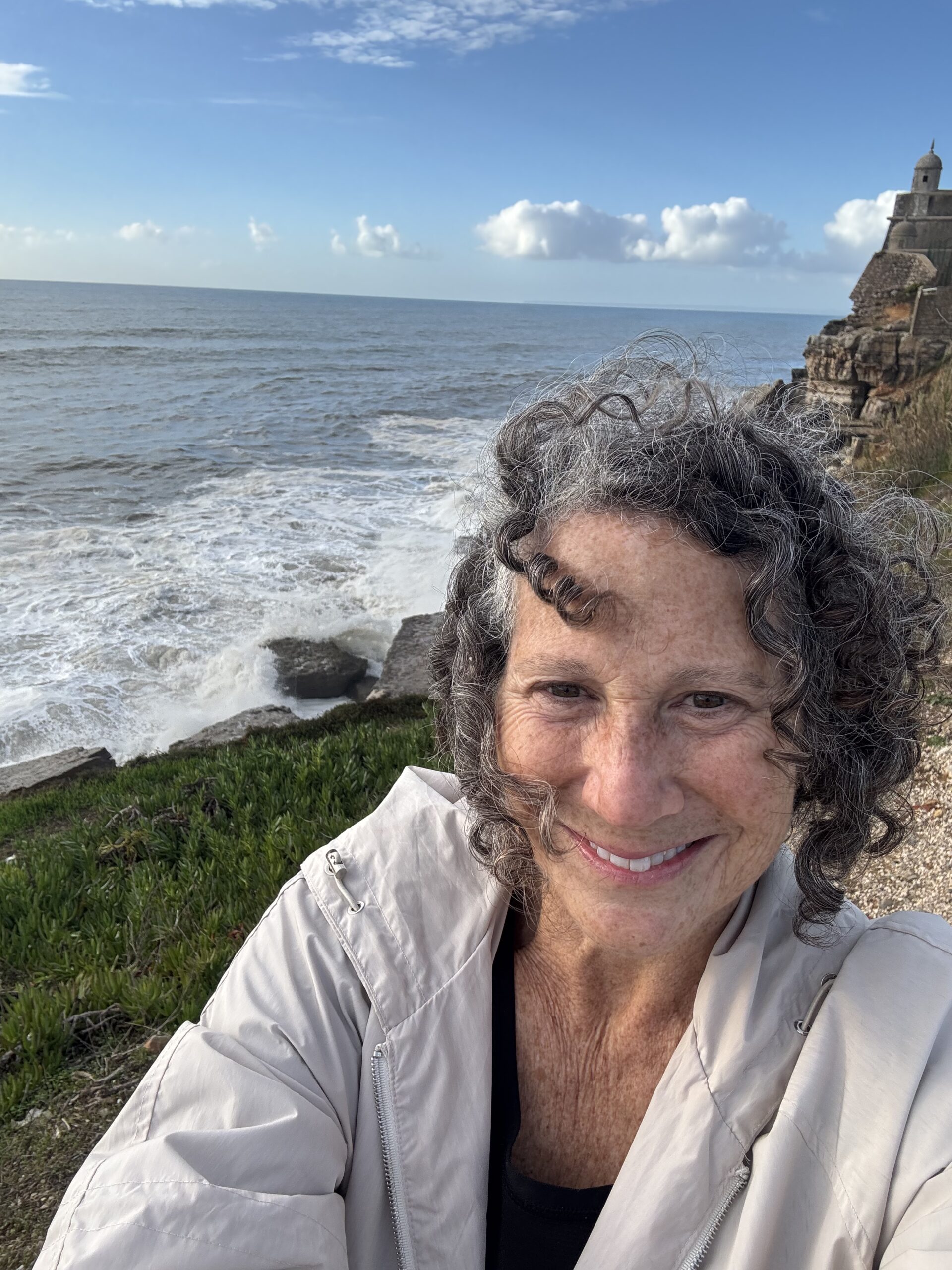
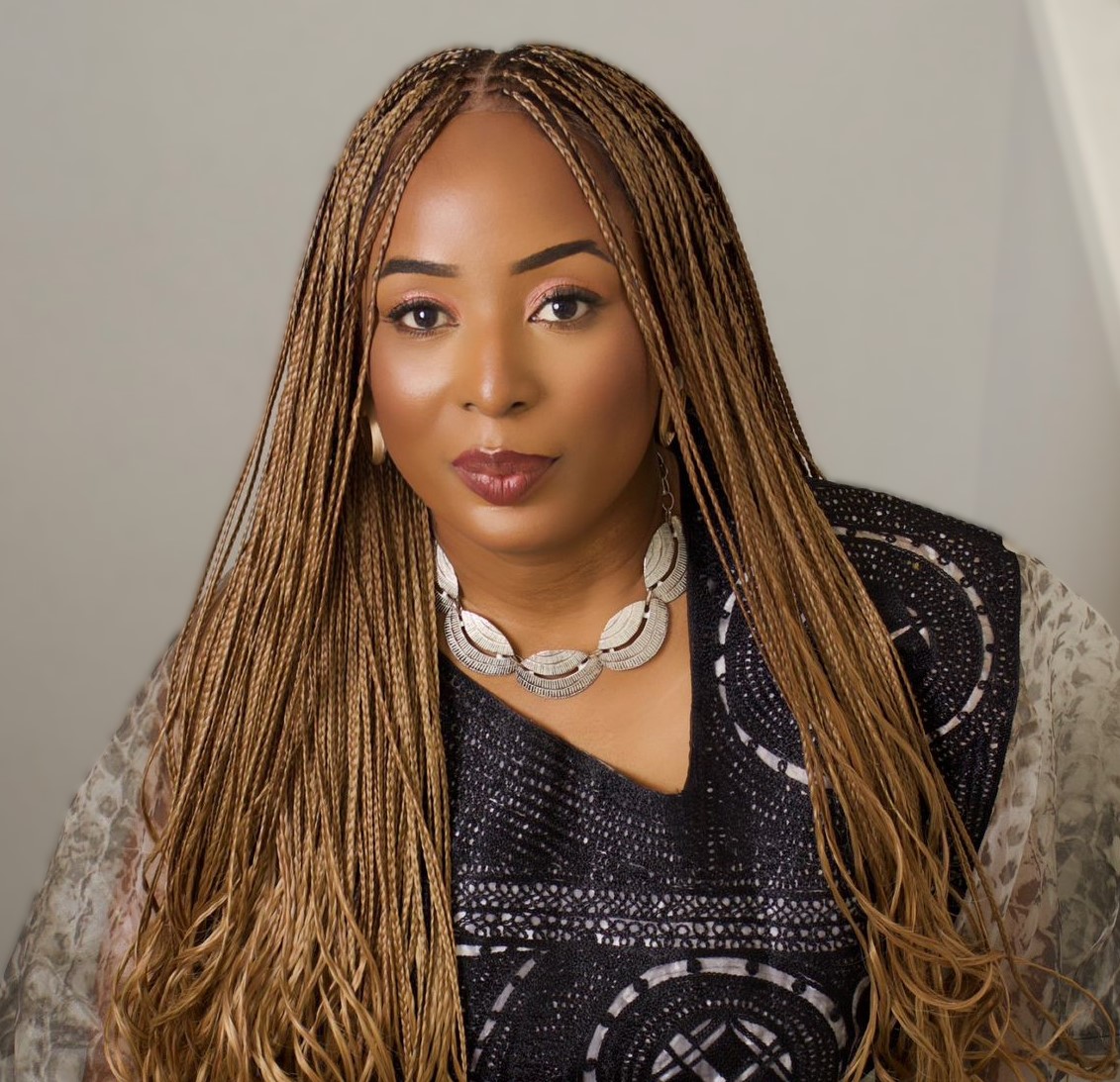
There is a certain kind of person who does not just move through systems but listens for what sits beneath them. Rebecca Saltman is one of those people. Her work is not easily reduced to a single role or title. It lives somewhere between storytelling and systems design, between human connection and economic theory.
At the center of it all is a question that has followed her for decades. What do we actually value and why have we become so disconnected from it
For Rebecca, the answer did not begin in boardrooms or policy spaces. It began much earlier, in places where relationships were not measured, only lived.
Where Storytelling First Took Root
Rebecca’s earliest foundations were shaped in two worlds that, at first glance, might seem unrelated but in reality are deeply intertwined. One was the theatre. The other was the quiet, everyday rhythm of community life.
She grew up at Boston Children’s Theatre, a space built on a powerful premise: children performing for children. But more than that, children ran everything. From lighting and sound to props and stage management, young people were entrusted with responsibility, guided only by union stagehands who supervised and taught them along the way.
Rebecca began assistant stage managing at the age of ten. Tall for her age, she was often mistaken for being older, something that worked in her favor. By the time she reached high school, the theatre asked her, half joking, half serious, why she had not yet graduated, unaware that she still had years left to grow into the role she was already embodying.
She reflects on this time with clarity when she says,
“Growing up in this world taught me about the power of narrative and an ensemble mindset and the idea that great things happen when a community works together toward a shared vision.”
At the same time, her upbringing outside of the theatre quietly reinforced those same lessons. She describes growing up in what she calls a tribe, a neighborhood where people shared without keeping track. Dishes moved between homes. Food was borrowed without hesitation. Care was something that flowed naturally, not something that required permission or accounting.
These early experiences shaped a belief that would later challenge entire economic systems. The most meaningful forms of value are often the least visible and the least measured.
A Phone Call That Changed Direction
Like many journeys, Rebecca’s path did not follow a straight line. Early in her career, she was working at the Roundabout Theatre Company on Broadway, fully immersed in what she believed was her future as a theatre producer.
Then came a phone call that shifted everything.
A former colleague invited her to breakfast and offered her a role helping to open the New York office of the Survivors of the Shoah Visual History Foundation. The organization, founded by Steven Spielberg, was engaged in the urgent and emotional work of documenting the testimonies of Holocaust survivors.
Rebecca stepped into a project that would go on to record more than ten thousand testimonies across the northeastern United States.
It was not just a professional experience. It was a deeply human one. Listening to stories that might otherwise have been lost reshaped her understanding of voice, memory, and responsibility.
This chapter of her life anchored something that continues to guide her work today. The belief that people must be seen, heard, and believed, especially those whose voices have historically been overlooked.
Naming the Work and Questioning the System
Years later, Rebecca began to recognize that the work she had been doing all along had a name. Social entrepreneurship.
She founded A Foot in the Door Productions with the intention of bridging gaps between sectors that rarely spoke the same language. Business, government, nonprofits, academia, and media all operated within their own frameworks, often missing opportunities for collaboration.
Her work during this time was diverse but connected. She produced large-scale events, contributed to national conversations, and taught at both undergraduate and graduate levels. Teaching, for Rebecca, was not about delivering knowledge. It was about creating space for inquiry.
She was always transparent: this work was not for everyone. Some students chose not to return after the first session. For her, that was part of the process. Those who stayed were willing to question assumptions and explore new ways of thinking.
At Goucher College, she taught in the Master’s program in Cultural Sustainability. At Metropolitan State University of Denver, she taught within the Center for Innovation, focusing on business innovation and entrepreneurship.
In the classroom, she was honest about the nature of the work. It was not for everyone. Some students chose not to return after the first session. For Rebecca, that was not a failure but a necessary part of the process. Those who stayed were willing to question assumptions and explore new ways of thinking.
It was during these years that a deeper realization began to take shape. Something was fundamentally broken in how systems defined success.
The more she observed, the clearer it became that financial metrics had come to dominate how value was understood. Complex human experiences were reduced to numbers. Relationships, trust, and ecological well being were often left out of the equation entirely.
This insight did not arrive as a single moment but as a gradual unfolding that eventually led her to reframe the core question of her work.
The Shift Toward Reciprocity
Rebecca’s thinking began to center around a concept that is both ancient and deeply relevant. Reciprocity.
She describes it not as a transaction but as a natural way of being, something that already exists in human relationships and in the natural world.
Her perspective challenges a deeply ingrained assumption. That money is the primary measure of value.
She articulates this clearly when she says,
“Don’t misunderstand me, I love money and I am clear it is not our only currency.”
This distinction is important. Her work is not about rejecting financial systems entirely. It is about expanding them, about recognizing that money is only one form of exchange among many.
Time, attention, trust, care, and shared knowledge all hold value, yet they are rarely accounted for in traditional systems.
This realization became the foundation for her current work and the lens through which she approaches both individuals and communities.
Finding Alignment in Unexpected Places
The early months of the pandemic brought another turning point. Like many people, Rebecca found herself navigating uncertainty while also searching for connection.
She became involved in an online ecosystem known as SEEDS, a global community focused on regenerative systems and collaborative innovation.
From her home in Denver at the time, she began waking up early to participate in conversations happening across European time zones. What started as a simple engagement quickly became something much more meaningful.
Within this community, she found people who not only understood her work but valued it in ways she had not previously experienced. These relationships would eventually lead to new collaborations and partnerships, including the co creation of Value Flow Innovations.
In 2023, she made a decision that reflected both intuition and trust. She moved to Portugal within a matter of weeks, stepping into a new chapter of her life and work.
The transition was not without its challenges. Navigating residency and legal processes proved far more complex than expected. There were moments of uncertainty, long periods of waiting, and the emotional strain of being unable to leave the country.
Yet even in that experience, the core principle of her work revealed itself again.
When she stopped trying to manage everything alone and leaned into her community, solutions began to emerge. Support came from unexpected places, reinforcing her belief that resilience is not an individual effort but a shared one.
Making the Invisible Visible
Today, Rebecca’s work is centered around a simple yet profound mission. To make invisible value visible.
Through Value Flow Innovations, she and her collaborators are developing tools and frameworks that help individuals and organizations understand value in more holistic ways. One example is the Story Harvest app.
Stories themselves are inherently warm data, rich, relational, and grounded in lived experience. The Story Harvest app creates space for people to share these experiences through audio or text. Using AI, the platform then analyzes these narratives to identify emotional patterns, emerging themes, and insights that traditional quantitative data cannot capture.
This approach allows decision makers, from investors to city leaders, to access insights that go beyond traditional metrics. It brings human experience into conversations that have historically been dominated by numbers alone.
At the same time, her platform Disrupt for Good serves as a space for challenging norms and exploring new possibilities. She describes herself as a rabble rouser for good, someone willing to ask difficult questions and push against established systems.
Her work with communities often begins with a shift in language. Instead of asking for money, she encourages people to ask for what they actually need.
One example illustrates this clearly. A community once believed they needed five thousand euros to replace a broken water heater. When they reframed the question, they realized that what they truly needed was access to hot water. This shift opened up new possibilities. A solution was found through shared resources, creating not just a functional outcome but a deeper sense of connection and mutual support.
These moments reflect the essence of her work. Value is not just about transactions. It is about relationships and the ways in which people support one another.
Imagining a Different Future
Rebecca’s vision for the future is both ambitious and grounded. She does not see success as a final destination or a financial milestone. Instead, she views it as a process of restoring balance in relationships between individuals, communities, and the natural world.
She speaks about the importance of recognizing what traditional systems have overlooked. Trust, belonging, and ecological health are not secondary considerations. They are essential components of a thriving society.
Her upcoming book, Reciprocity: An Ancient Future Love Story, explores these ideas in greater depth, framing reciprocity as a guiding principle for building more equitable and sustainable systems.
At its core, her vision is about shifting from a mindset of separation to one of connection. From a focus on individual success to a shared understanding of collective well being.
A Different Kind of Leadership
Rebecca does not point to traditional figures when asked about leadership. Instead, she looks to the quiet moments when people step up for one another without recognition or reward.
She finds inspiration in communities responding to crises, in mutual aid networks, and in the everyday acts of care that often go unnoticed.
For her, leadership is not about titles or visibility. It is about presence, listening, and the willingness to act in service of something larger than oneself.
This perspective aligns with everything she has experienced and everything she continues to build.
The Work That Continues
Rebecca Saltman’s story is not one of arrival but of ongoing exploration. Her work continues to evolve, shaped by the people she meets and the systems she seeks to transform.
What remains constant is her commitment to asking better questions. Questions that challenge assumptions and invite deeper understanding.
In a world that often measures worth in narrow terms, she offers a broader perspective. One that recognizes the richness of human experience and the power of connection.
Her work reminds us that the most valuable things in life are often the ones we cannot easily count, but they are the ones that sustain us, shape us, and ultimately bring us closer to one another.
For More Features
Be Featured in The Real Edit!
Every story has the power to shape how we see innovation, leadership, and purpose. If you’re a founder, creator, executive, or changemaker with a journey worth telling , we’d be honored to help you share it.
To inquire about being featured:
Email us at: info@realedit.site
Follow The Real Edit




No Comments