


This is for preview purpose only. It is unlisted and unindexed on the Internet
The Quiet Work of Becoming
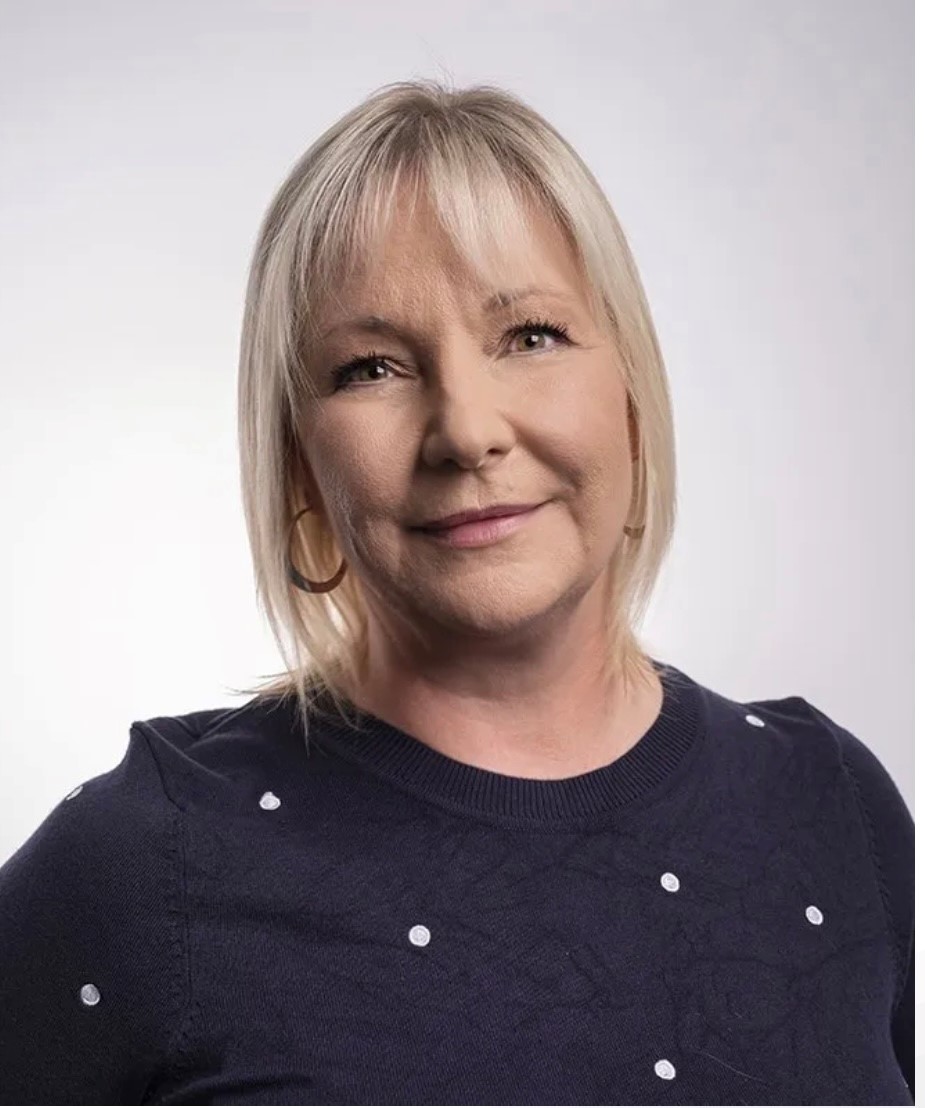
There is a steadiness to the way Lucy Cronly speaks about her life, as though each chapter has been carefully absorbed rather than simply endured. Her work today centers on helping others find clarity and purpose, yet it is clear that this work did not emerge from theory or ambition alone. It was shaped through lived experience, through moments that demanded both resilience and surrender.
At the heart of her philosophy is a simple but deeply human belief. Even in the most uncertain or painful seasons, there is always an opportunity to create something good. Not something grand or performative, but something small, intentional, and real. A moment of kindness. A pause. A conversation that allows someone to feel seen.
This belief is not abstract for Lucy. It is something she has practiced, often in circumstances where clarity was hard to find and strength had to be rebuilt from within.
Roots in Care and Curiosity
Lucy’s professional life began in social care, a field that asks a great deal of those who choose it. It requires patience, emotional intelligence, and the ability to hold space for complexity without rushing to resolve it. She spent many years working across residential and community settings, supporting children, families, and teams navigating difficult realities.
Her work was not confined to direct care. Over time, she stepped into leadership, becoming a Social Care Manager in the mid 1990s. The transition brought new responsibilities and a deeper understanding of how systems shape human experiences. She found herself not only supporting individuals but also guiding teams, helping them work together in ways that honored their different perspectives and ways of knowing.
Alongside her practical work, Lucy remained intellectually curious. She explored systemic family therapy and even developed a genogram model to map the complexities within residential care environments. Her approach reflected a consistent theme that would later define her coaching. She was always interested in what lies beneath the surface. Not just what people do, but how they think, what they believe, and how their experiences shape the way they move through the world.
For a brief period, her path took an unexpected turn when she worked as an air hostess with Saudi Arabian Airlines. It was a departure from social care, yet it offered its own kind of learning. It exposed her to different cultures, different rhythms of life, and the subtle art of connecting with people in fleeting but meaningful ways.
Still, social care remained her anchor. It was work she loved deeply, not because it was easy, but because it mattered.
When the Path Changes Without Permission
Some turning points arrive gradually. Others arrive all at once, leaving little room for preparation.
For Lucy, one of the most defining moments in her life came through an event she did not choose. An assault at work resulted in injuries that made it impossible for her to continue in the career she had built over decades. The decision to step away was not hers to make freely. Medical advice made it clear that continuing would come at too great a cost.
It was a difficult and deeply personal loss. Work had not only been a profession but also a source of identity, purpose, and connection. Letting go of that role required a different kind of strength, one that involved accepting limits and reimagining what life could look like beyond them.
Reflecting on that time, Lucy shares,
“It taught me that sometimes it is not possible to push through. Sometimes a different path is needed.”
Recovery was not only physical but emotional. Surgeries and healing took time, and with that time came reflection. Instead of rushing to replace what had been lost, she allowed herself to sit with the uncertainty. Slowly, a new direction began to take shape.
She trained as a life coach, building on her existing foundation in systemic thinking and human development. The transition felt less like starting over and more like evolving. The same curiosity that had guided her in social care now found a new outlet, one that allowed her to work with people in a different but equally meaningful way.
She began to describe this phase of her life not as retirement but as refirement. It was not an ending but a reorientation, a chance to direct her energy toward something new while carrying forward the wisdom she had already gained.
Holding Pain and Hope at the Same Time
While her professional life was shifting, Lucy also faced a deeply personal challenge that would leave a lasting imprint on how she sees the world.
One of her three sons was diagnosed with cancer at the age of eleven. The experience brought fear, exhaustion, and uncertainty into the center of family life. It was a time defined not by long term plans but by immediate needs, by moments that required presence more than perfection.
She recalls how overwhelming it felt to hold everything together while navigating such an unpredictable reality. In those moments, the idea of being at her best felt distant. What mattered instead was finding small ways to create stability and comfort within the chaos.
“We learned to break things down into moments or hours and ask what can make this moment a little easier or happier,”
Sometimes the answer was simple. A cup of tea. A hug. A conversation with someone who could listen without trying to fix everything. These small acts became anchors, helping the family move through something that could not be controlled but could be faced together.
Thankfully, her son recovered and is now living a full and healthy life. Yet the experience reshaped Lucy’s understanding of compassion. It deepened her awareness that everyone carries something unseen, something that may not be visible but is deeply felt.
This understanding now informs the way she works with others. She does not assume that what is visible tells the full story. Instead, she approaches each person with curiosity, asking not only how they appear to be doing but what they might be carrying beneath the surface.
A Different Kind of Work, A Deeper Kind of Impact
Today, Lucy’s work as a life coach is rooted in the belief that people already hold much of the wisdom they need. Her role is not to provide answers but to create the conditions in which those answers can emerge.
Her training as a Find Your WHY coach has added another dimension to this work. Through storytelling, she helps individuals uncover the patterns and experiences that reveal what truly drives them. It is a process that feels both structured and deeply personal, drawing on the narratives people have lived rather than abstract ideas about purpose.
Storytelling holds particular significance in her approach. It reflects not only her professional training but also her cultural background, where stories are often used to make sense of life’s complexities. In her coaching, stories become a bridge between past experiences and future possibilities.
Lucy describes her work as creating space. Space to pause, to reflect, and to reconnect with what matters. In a world that often values speed and productivity, this kind of space can feel unfamiliar, even uncomfortable at first. Yet it is within this pause that clarity begins to take shape.
Her philosophy is grounded in both compassion and accountability. She encourages people to treat themselves with kindness while also holding themselves responsible for living in alignment with their values. It is not about perfection but about intention, about making choices that reflect who they are and who they want to become.
She often invites people to consider the impact they have on others in subtle but meaningful ways.
“What do people hear coming when they hear your footsteps? Is it empathy, support, accountability or something else? The power lies with you.”
The Meaning Behind the Work
Lucy’s impact extends beyond one to one coaching. She also supports teams, helping them understand how individual perspectives can come together to create something stronger. Her background in social care and systemic thinking allows her to see patterns that others might miss, particularly in how people communicate and collaborate.
She is also involved in peer support for families navigating childhood cancer, offering understanding that comes not from theory but from shared experience. In addition, she participates in fundraising efforts, including annual sea dips to support children’s cancer charities. These actions reflect her belief that care is not limited to professional roles. It is something that can be practiced in everyday life.
Her book, The Right Shoes, brings together many of these ideas through metaphor and storytelling. It explores the concept of finding a path that fits, one that supports rather than constrains. The image of shoes becomes a way of thinking about identity, choice, and the journey of becoming more fully oneself.
Underlying all of her work is a commitment to connection. She believes that people thrive when they feel seen, heard, and valued, and that even small moments of understanding can have a lasting impact.
Looking Toward What Can Be Built
As Lucy looks to the future, her focus remains on expanding the reach of this work. She is particularly interested in supporting young people as they enter the workforce, helping them develop clarity, empathy, and a sense of responsibility that allows them to contribute meaningfully.
She also continues to align her work with the ideas that have influenced her, including the concept of the infinite game, where growth is ongoing and success is not defined by a final outcome but by continuous improvement.
At a broader level, her vision is to contribute to a more human approach to growth. One that values wisdom across generations, encourages self awareness, and recognizes the importance of belonging. In a time where many people experience isolation, this focus feels both timely and necessary.
The Life She Chooses Each Day
There is a quiet consistency in the way Lucy lives her values. She sings in a choir, not for performance but for joy. She makes space for moments that bring ease and connection. She seeks to leave what she describes as a trail of glitter, small acts of kindness that may seem simple but carry meaning.
Her definition of success reflects this perspective. It is not about external recognition or measurable outcomes. It is about living in alignment with her values, making a positive impact where she can, and continuing to grow in understanding.
In many ways, her journey is not defined by the roles she has held but by the way she has responded to change. She has faced moments that required her to let go, to adapt, and to begin again. Each time, she has done so with a willingness to learn and a commitment to staying connected to what matters most.
A Final Reflection
Lucy Cronly’s story is not one of dramatic reinvention but of steady, intentional evolution. It is a reminder that purpose is not always something we find once and hold onto. It is something we return to, again and again, shaped by experience and refined through reflection.
Her work invites a simple but powerful question. Not just about what we do, but about how we show up in the lives of others. And in that question, there is an opportunity to choose something better, one moment at a time.
For More Features
Be Featured in The Real Edit!
Every story has the power to shape how we see innovation, leadership, and purpose. If you’re a founder, creator, executive, or changemaker with a journey worth telling , we’d be honored to help you share it.
To inquire about being featured:
Email us at: info@realedit.site
Follow The Real Edit








No Comments