

Meet Liz
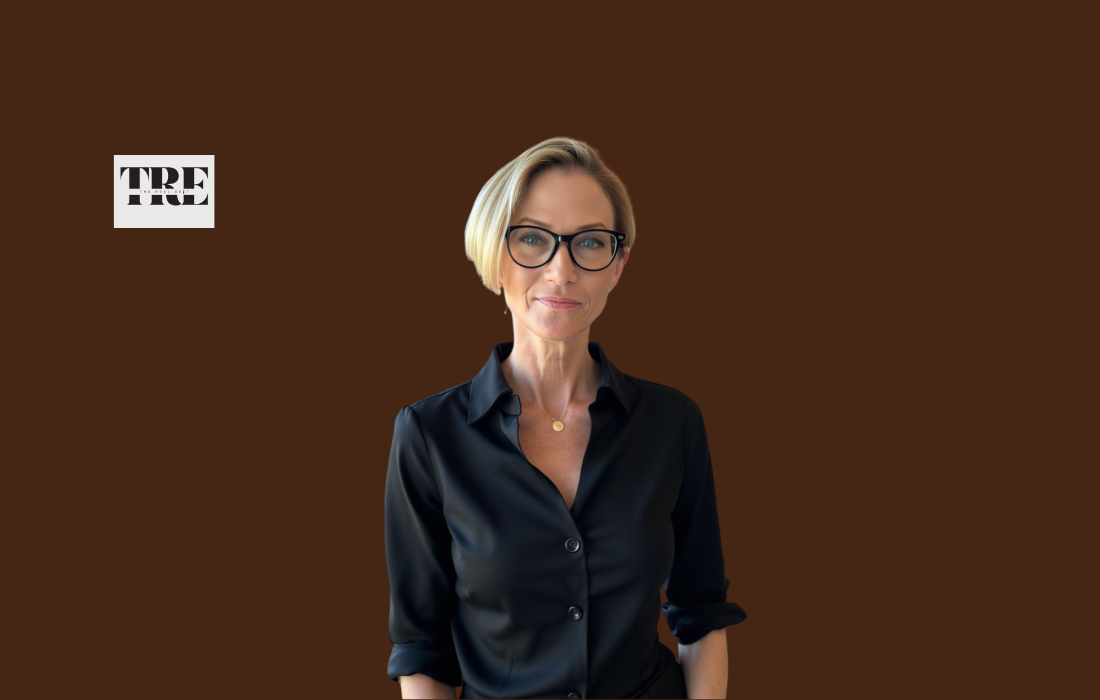
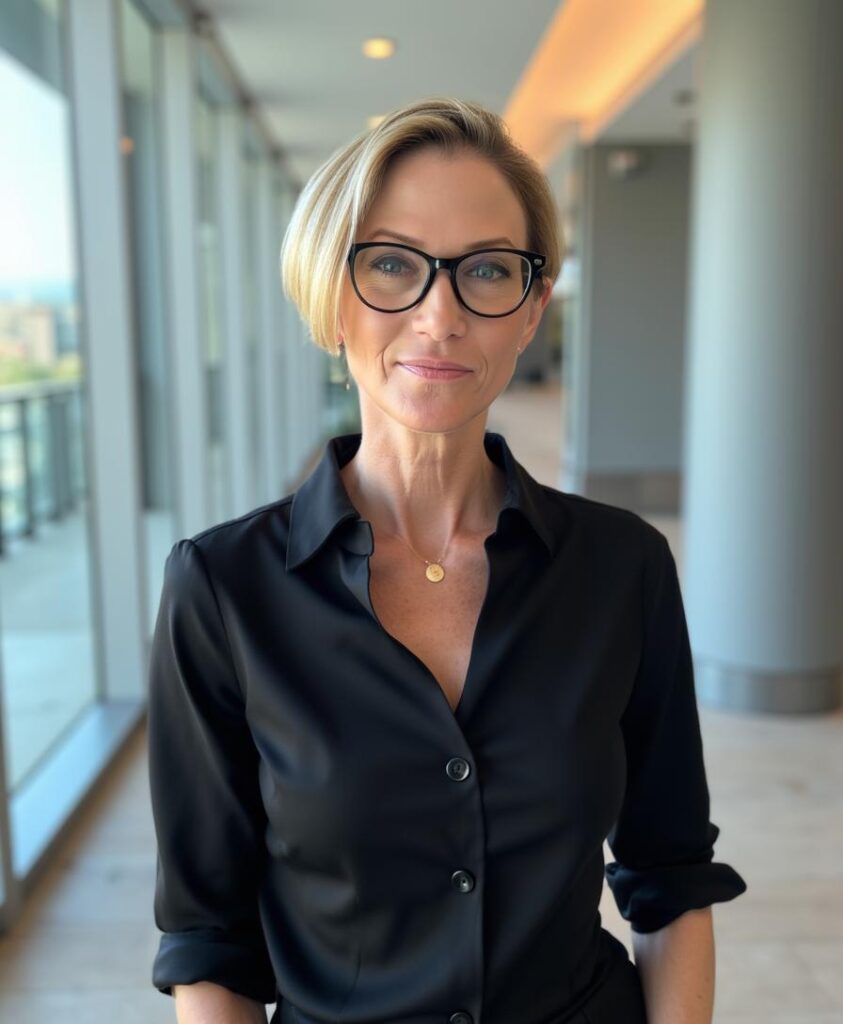
Liz Bradford is the founder of Transform Perform and a former Managing Director at HSBC, with more than two decades spent in senior leadership roles across global financial institutions. Today, she works with executives and leaders to help them build sustainable careers grounded in health, clarity, and purpose.
Liz Bradford has lived inside many versions of success. The kind measured by titles, responsibility, and visible achievement. The kind that looks convincing from the outside and feels hollow when lived from the inside. Her story is not about walking away from ambition, but about learning how to carry it without losing herself in the process.
She speaks thoughtfully, often returning to the same ideas with care rather than urgency. Health. Relationships. Contribution. The idea that performance, when separated from meaning, eventually collapses. These beliefs were not learned in theory. They were earned through years of quiet discomfort, personal reckoning, and a long journey back to what actually sustains a life.
When Progress Was the Only Direction
Liz began her professional life studying Information Communication Technologies and Industrial Revolution, a course that feels almost prophetic in hindsight. As she graduated, the dotcom bubble burst, reshaping opportunity for an entire generation. Rather than following a predetermined path, she entered banking almost accidentally, stepping into a world that prized precision, endurance, and constant forward motion.
Her first role at SWIFT involved helping move banks from legacy phone networks onto the internet. From there, she progressed steadily through product management, governance, and operational leadership. Over the next two decades, she held senior roles at Bank of America Merrill Lynch and HSBC, eventually becoming Managing Director for North Asia in wholesale banking.
On paper, her trajectory was exceptional. Senior leadership roles. Global influence. The markers of professional arrival achieved earlier than most. Yet beneath the surface, something was quietly misaligning.
After her first decade in banking, Liz experienced what we would now recognize as burnout. At the time, there was no language for it. There was only the expectation to keep going.
She found herself on a promotion track that demanded more of her attention and energy, while offering less connection to meaning. Outside of work, she withdrew from the people and activities that once brought her joy. Inside, she relied on strict routines around food and exercise as a way to feel some sense of control. The work continued. The dissatisfaction deepened.
Believing the issue might be environmental, Liz made a radical decision. She left her role, moved across the world with her husband, and started again in Australia. For a while, the change seemed promising. But within eighteen months, the same patterns returned. The same exhaustion. The same internal tension.
The problem was not the location. It was the system she was operating within and the way she had learned to survive inside it.
Learning a Different Language of Resilience
A turning point came when Liz was selected for a leadership programme that paired participants with executive coaches. For the first time, she was introduced to a framework that addressed the whole human being rather than just professional output. The three pillars of resilience physical wellbeing emotional wellbeing and connected wellbeing.
This framework changed the direction of her life.
Raised in a British culture that valued composure and restraint, Liz had little familiarity with emotional language. For a long time, she relied on lists to identify what she was feeling. It felt unfamiliar and uncomfortable. So she began where she felt most capable. With the body.
She collaborated with colleagues to design organization wide wellbeing initiatives and physical challenges. The impact was immediate and visible. Encouraged by the results, Liz trained as a personal trainer, leading early morning bootcamps on Coogee Beach before cycling into her executive role at the bank.
Later, she trained as an executive coach and went on to lead an internal coaching programme that eventually reached more than thirty four thousand colleagues. These projects were initially considered side work. Something extra. Something peripheral.
But Liz knew otherwise.
There was a deeper satisfaction in helping others unlock their potential. In witnessing people reconnect with their energy, confidence, and sense of agency. Over time, her formal corporate responsibilities grew so large that she could no longer dedicate herself to these initiatives. That tension clarified what she had been avoiding.
Her future was not in titles or hierarchical advancement. It was in this work.
The Leaders Who Taught Her What Not to Become
Throughout her career, Liz observed leadership up close. Not in theory, but in practice. She learned that power does not automatically produce wisdom, and that some roles are structured in ways that make success nearly impossible.
As she reflects on those years, she speaks candidly about the lessons learned from difficult environments and misaligned leadership.
“I have learned more from poor leaders than from good ones. They showed me the kind of leader I would never want to be. Some people need support to unlock their potential, others need to be challenged, and some roles are simply never set up to succeed. You learn the most when you are at your most challenged.”
Often placed into roles that required driving change, Liz became known as a catalyst. These positions demanded empathy, cultural fluency, negotiation, and resilience. They also revealed how frequently organizations reward endurance over alignment.
At the same time, her personal history shaped her approach to leadership. Growing up without a secure home environment, Liz and her siblings learned early how to be self sufficient. While this fostered independence, it also delayed her willingness to seek mentorship and support.
Only later did she recognize the quiet cost of that self reliance. The missed opportunities for guidance. The delayed understanding that relational networks are not a weakness, but a foundation.
Redefining What a Life Well Lived Looks Like
By the time Liz reached the executive milestones many aspire to, she had already begun questioning their value. The recognition felt fleeting. The status incomplete.
Some of her proudest professional moments were not tied to compensation or advancement. They came from pro bono initiatives. Wellbeing programmes. Female leadership efforts. Employee resource groups. Coaching circles that helped others discover paths beyond the narrow definition of success they had inherited.
This realization deepened her conviction that the incentives society trains us to pursue are not the definition of a life well lived. Achievement without health is fragile. Success without connection is isolating. Performance without purpose eventually erodes.
Liz now defines success through four priorities, held deliberately in order. Health. Relationships. Contribution. Giving back.
“I often think about how short life is. For me, success begins with being in good health, then having strong relationships, being able to contribute, and finally giving back by being part of something larger than myself.”
These principles now guide both her personal life and professional work.
The Work She Is Building Now
Transform Perform emerged from everything Liz lived, questioned, and rebuilt. Through her work, she supports leaders who are outwardly successful and inwardly depleted. People who manage their careers effectively while neglecting the systems that sustain them.
She helps leaders integrate physical health career clarity and personal life into a cohesive whole. Not balance as a temporary state, but integration as a long term architecture.
This work is grounded in experience rather than abstraction. Liz understands the pressure of senior leadership because she lived it. She understands burnout because she survived it. And she understands change because she has guided thousands through it.
In addition to Transform Perform, Liz is also co founding a female midlife health platform focused on perimenopause and menopause. She speaks about this work with urgency and care, recognizing how much potential is lost when women are unsupported during this stage of life. The mission is simple and radical. To provide clarity support community and empowerment during one of the most transformative periods a woman will experience.
Looking Forward Without Illusion
Liz does not speak about the future with grandiosity. She speaks about it with responsibility.
She knows the pace of change will only increase. That existing systems are no longer sufficient. And that leaders who care for themselves are better equipped to care for others.
Her hope is that the ripple effects of this work extend beyond organizations and into families communities and societies. That people learn to listen to the quiet voice asking whether this is really it. And that they take responsibility for answering it honestly.
No external validation can do that work for us. It requires inward attention. Courage. And the willingness to live differently.
Closing Reflection
Liz Bradford did not abandon ambition. She refined it. She chose to build a life where performance is sustained by health, leadership is grounded in empathy, and success is measured by what remains intact.
Her story is not a rejection of achievement, but a reminder that achievement alone is not enough. When we learn to integrate who we are with what we do, we stop burning ourselves out to prove something. We begin building something that lasts.
For More Features
Be Featured in The Real Edit!
Every story has the power to shape how we see innovation, leadership, and purpose. If you’re a founder, creator, executive, or changemaker with a journey worth telling , we’d be honored to help you share it.
To inquire about being featured:
Email us at: info@realedit.site
Follow The Real Edit





No Comments