



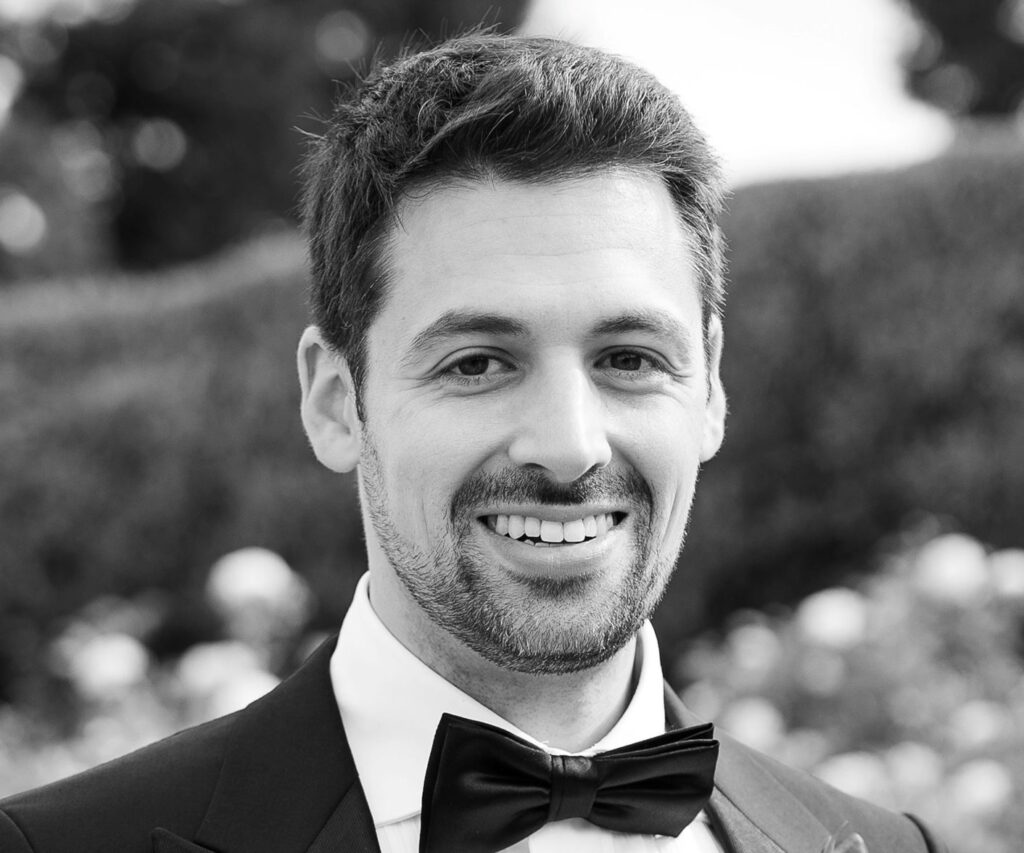
Meet Jason
Jason Malefakis is the Founder and CEO of Wayo, a New York–based platform that activate underutilized spaces for curated, community-driven work environments designed to reduce isolation and increase productivity.
The Quiet That Sparked an Idea
In a one bedroom apartment in New York, during a season when the world felt paused, Jason Malefakis found himself confronting a kind of silence he had never experienced before.
He had built his early career in corporate finance and hedge fund technology and operations. In those environments, expectations were clear. Roles were defined. Success meant delivering within a structured system. There were milestones, meetings, and measurable outputs. It was not glamorous, but it was stable. Predictable. Safe.
Then the pandemic collapsed the distance between work and home. Jason and his fiancée were confined to their apartment. The boundaries that once separated professional ambition from personal space disappeared overnight. The quiet began to stretch.
He tried to solve it the way many did. He experimented with traditional coworking spaces. He worked from coffee shops. He searched for a sense of energy that might mimic the pulse of an office. But something was missing.
“I experienced firsthand how isolating and uninspiring remote work could become,” he says.
The coworking desks felt transactional. The coffee shops felt performative. There were people around, but there was no connection. No shared accountability. No space to take a call without stepping outside. It was proximity without community. Presence without participation.
That absence began to feel like an opportunity.
From Structure to Uncertainty
Jason’s professional life had always existed within frameworks. Corporate environments reward precision and execution. You deliver on clearly defined goals. You move within boundaries.
Founding a company meant stepping into the opposite terrain. There would be no playbook. No guaranteed outcome. No supervisor to define the next step.
Leaving the security of that structured career was not a dramatic leap. It was gradual. It started with conversations. Jason began speaking to other remote professionals who felt the same tension he did. People who wanted energy without chaos. Community without distraction. Productivity without rigidity.
Four hundred people joined a waitlist before there was a formal product. That early validation did not feel like applause. It felt like responsibility.
He was no longer just solving his own discomfort. He was responding to a shared need.
The shift from corporate professional to founder demanded a different muscle. Ambiguity became constant. The metrics were not obvious. Decisions carried weight.
“The ambiguity of startup life has shaped me the most,” he reflects. “There is no playbook, constant uncertainty, and high accountability.”
Rather than retreat from that uncertainty, Jason built a rhythm around it. He sought mentors. He stayed physically close to customers by working alongside them during early sessions. He prioritized recurring revenue over vanity metrics. He focused on product market fit instead of optics.
In a world that often celebrates rapid scale at any cost, he chose durability.
The First Full Room
Every founder remembers a moment when an idea stops being theoretical. For Jason, that moment arrived on a cold morning in New York.
Fifteen people showed up for one of Wayo’s early Community Workdays. They were strangers when they arrived. By the end of the day, they had shared meals, conversations, and focused work sessions. They left energized.
The room did not feel like a traditional office. It did not feel like a coffee shop either. It felt intentional. Structured. Accountable.
Wayo’s model centers on an accountability partner framework that pairs participants for focused work blocks. The structure is simple, but the impact is measurable. Jason observed that Wayo members were consistently far more productive than when working alone at home or in traditional coworking spaces.
Seeing strangers connect and collaborate validated something deeper than productivity metrics. It confirmed that people do not just want desks. They want belonging.
Jason is most proud not of revenue figures or growth charts, but of that transformation. The idea became tangible in the energy of the room. The laughter during lunch. The quiet intensity during focus sessions.
He had moved from building within a system to building a system.
Building Environments Where People Thrive
Today, Wayo operates across New York by activating existing hospitality and real estate spaces during underutilized daytime hours. Instead of constructing new offices, the platform works with venues to morph them into curated work environments.
For individuals, the value is clear. Remote professionals gain structured workdays, meaningful introductions, and a network that extends beyond surface level interaction.
“I’m driven by building environments where people do their best work and feel less alone doing it,”
The statement is simple, but it captures the heart of the mission. Wayo is not trying to replicate corporate offices. It is not trying to compete with traditional coworking through scale alone. It is trying to redesign the experience of work itself.
For host venues, the model unlocks unused capacity. Restaurants, hotels, and real estate owners generate incremental revenue without investing in new construction.
At an industry level, Jason sees a broader shift. Rather than building more supply, cities can better utilize what already exists. More efficient space activation reduces excess inventory and opens the possibility of repurposing surplus office real estate toward housing and community infrastructure.
The concept echoes a philosophy he admires in founders who create ecosystems rather than single products. He often reflects on how leaders like Brian Chesky changed the way people think about unused assets. The lesson for Jason is not about scale alone. It is about reframing assumptions.
If remote work is here to stay, then cities must adapt. Wayo positions itself not as a replacement for offices, but as infrastructure for a new rhythm of work.
Leadership in Proximity
Jason defines leadership not through authority, but through tone. Clarity. Optimism. High standards.
He believes proximity matters more than most people realize. The people in a room influence energy, ambition, and accountability. That belief is not abstract. It is operational. Wayo’s structure is designed around it.
He advises founders not to build in isolation. Not because independence lacks value, but because sustained ambition requires shared momentum.
Startups are demanding. The emotional swings are real. Jason leans on mentors, founder communities, family, and friends. Being around others who are navigating similar uncertainty normalizes the highs and lows. It sharpens perspective.
Integrity anchors his decision making. He speaks often about long term thinking and ownership. Decisions should be ones he would be proud of five years from now. Transparency with partners and customers is non negotiable.
Success, in his definition, must be both durable and meaningful. It must create real value. It must generate recurring revenue. It must improve daily life.
Anything less feels temporary.
Scaling With Intention
Wayo’s next chapter is about scale, but not at the expense of substance. Jason’s focus is expanding city by city, deepening recurring membership revenue, and strengthening partnerships with hospitality and real estate owners.
The ambition is not to flood markets. It is to establish a category defining platform rooted in intentional community.
Long term, he envisions infrastructure that reshapes how cities think about work and space utilization. If flexible work is permanent, then the systems supporting it must be thoughtful.
The larger question guiding him is not how many desks can be filled, but how many lives can be improved through better environments.
He imagines cities where surplus office inventory becomes housing. Where hospitality venues serve dual purposes. Where workdays feel energizing rather than draining.
The mission is steady. Build something that lasts. Build something that matters.
A Room That Changes Everything
At its core, Jason’s journey is not about leaving corporate life or launching a startup. It is about responding to a feeling many experienced but struggled to articulate.
Isolation can be subtle. It does not always announce itself. It accumulates quietly through screens and solitary routines.
Wayo began as a personal search for energy. It evolved into a collective response to a cultural shift.
On that cold morning when fifteen people gathered and left more energized than they arrived, Jason saw proof that proximity changes outcomes. Not through spectacle, but through structure and intention.
He continues to build with that image in mind. A room of focused individuals. Shared meals. Honest conversations. Work that feels lighter because it is not done alone.
In a world that often celebrates independence, Jason Malefakis is building something rooted in interdependence. And in doing so, he is quietly redefining what it means to go to work.
For More Features
Be Featured in The Real Edit!
Every story has the power to shape how we see innovation, leadership, and purpose. If you’re a founder, creator, executive, or changemaker with a journey worth telling , we’d be honored to help you share it.
To inquire about being featured:
Email us at: info@realedit.site
Follow The Real Edit






No Comments