


This is for preview purpose only. It is unlisted and unindexed on the Internet
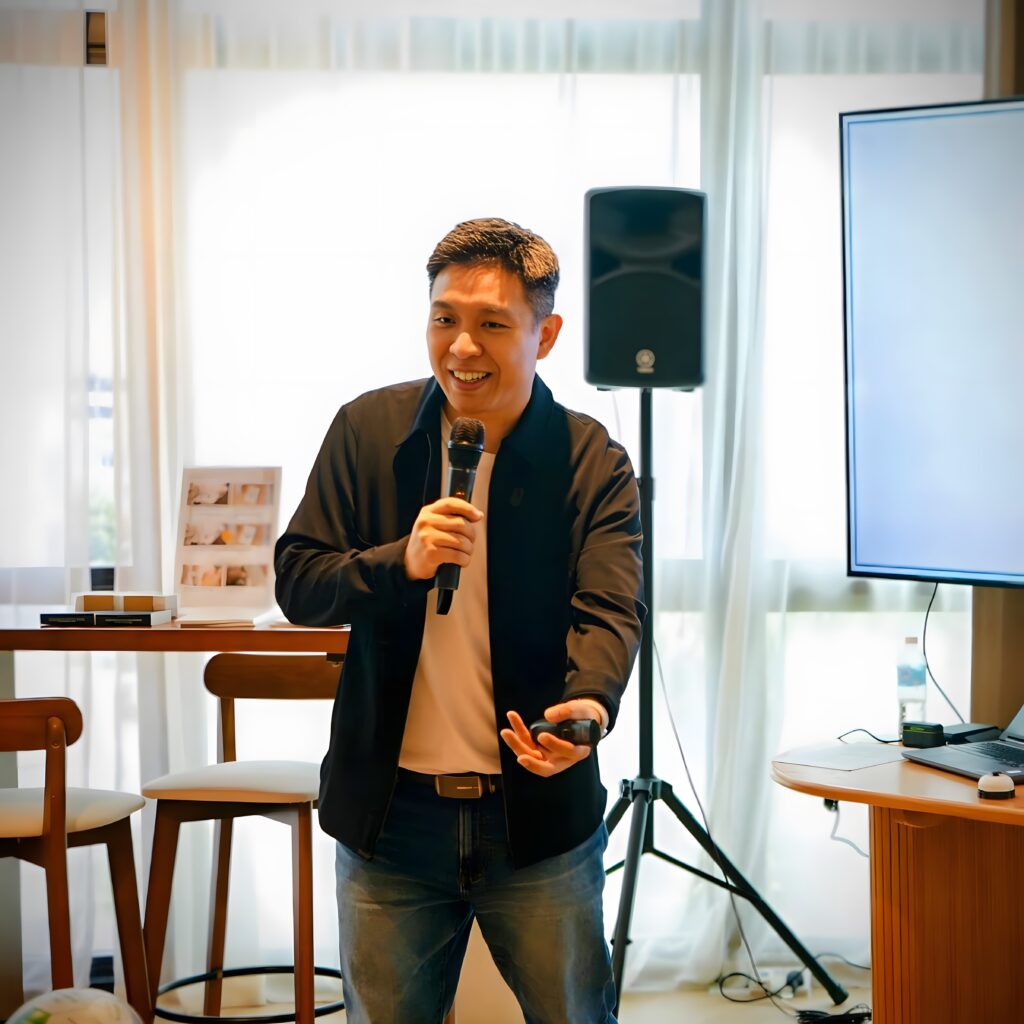
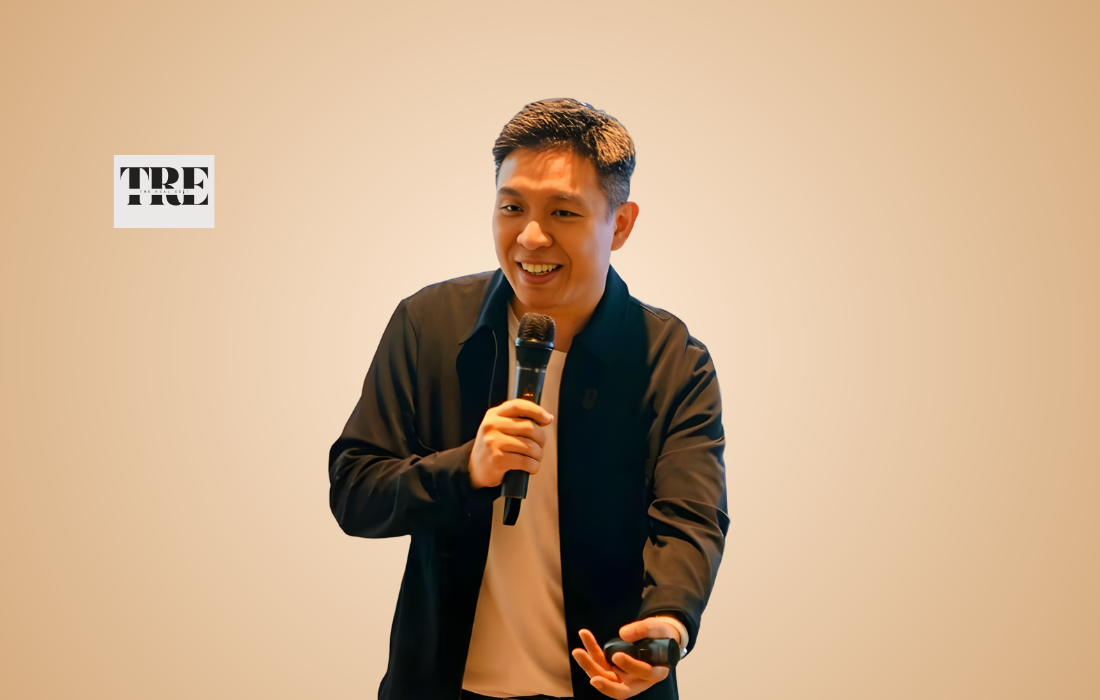
Meet Woon Jiun
Woon Jiun is a Singapore based Learning and Organizational Development leader and the Managing Partner of The Talent Craftsmen. His work centers on developing people centered teams through leadership development, coaching, and organizational craft, shaped by decades of frontline service and global learning leadership.
There is a stillness at the core of Woon Jiun that feels earned rather than practiced. It is not the stillness of passivity, but of attention. The kind that comes from years of watching people closely, noticing what motivates them, what frightens them, and what quietly brings out their best. Before he became a managing partner, a global head of learning, or a trusted coach to leaders, Woon Jiun learned how to be still as twelve-year-old a boy sitting on a wooden chair, trying not to blink.
That moment did not look like the beginning of a leadership journey. But it was.
The Discipline of Sitting Still
Woon Jiun did not grow up imagining corner offices or corporate ladders. His early lessons came from a household where independence was not a suggestion but an expectation. His father believed that standing on your own two feet was not something you waited for. It was something you practiced early.
When his mother, who modeled for artists, asked if he wanted to try sitting for a painting, Woon Jiun said yes without hesitation. He was twelve. The task was simple and brutal. Six thirty-minute blocks of absolute stillness. No scratching an itch. No shifting to get comfortable. Even breathing had to be controlled so the rise and fall of his stomach would not disturb the artist’s work.
He earned twenty-five dollars for each session. But more importantly, he learned something that would quietly shape the rest of his life. Discipline was not loud. It was patient. And resilience often looked like boredom endured with intention.
That lesson stayed with him as he stepped into the working world long before most of his peers. Clearing dishes at catering companies. Working fast food shifts. Moving through the unseen back corridors of service work where effort is expected but rarely applauded. Later, he would find himself serving as a VVIP butler during the IMF summit, attending to the needs of people whose decisions shaped nations.
What tied these experiences together was not ambition. It was attention. Woon Jiun noticed that he loved the act of making people feel valued. Not in grand gestures, but in small, precise moments of care. Anticipating a need. Executing a task well. Taking pride in the invisible.
From the Front of the House to the Heart of It
After nearly a decade in hospitality operations, Woon Jiun had mastered the adrenaline of service. Luxury hotels, resorts, high pressure environments where excellence is demanded daily. But something else was beginning to surface.
A mentor saw it before he fully did. She challenged him to step away from the front of house and move into what she called the heart of the house. Learning and Development.
At first, it was not an obvious choice. Operations offered immediacy. You could see the impact of your work instantly in a satisfied guest or a smooth service recovery. Learning work required patience. Faith in outcomes you might never personally witness.
The turning point came when he was groomed by a Senior Learning and Development Manager at Regent Singapore. Woon Jiun saw that learning did not have to be rigid or theoretical. It could be alive. Experiential. Human. Helping people grow could be joyful rather than procedural.
It was also where he discovered the idea of ripple effect. In operations, you serve one guest at a time. In people development, you serve the people who serve thousands. The math of impact changed everything.
He did not choose Learning and Development because it was strategic. He chose it because it allowed him to serve people at scale. Later, he would describe it simply as choosing people first.
The Island That Stripped Away Ego
At twenty-three, Woon Jiun moved to the Maldives to lead Learning and Development at Four Seasons Kuda Huraa. The role made him the youngest manager to assume responsibilities of a department head globally within the organization. On paper, it was an extraordinary achievement. In reality, it was isolating.
Being the youngest meant being judged before being understood. Titles did not earn trust. Presence did.
Rather than staying behind a desk, Woon Jiun went back to the floor. For two months, he worked alongside ground staff, doing the same tasks, listening more than speaking. It was not a performance. It was proof. He needed to understand their reality before asking them to change it.
That period dismantled any remaining ego. Leadership, he learned, was not about authority. It was about sincere helpfulness. Trust was built not through instructions, but through shared effort.
This philosophy of leading by doing became foundational. It would later guide him through far more complex challenges.
Leading When the World Stops
If the Maldives stripped away ego, the pandemic tested values.
As Principal Consultant at TSA Solutions, Woon Jiun found himself helping lead an onsite consulting firm when the world abruptly shut down. Overnight, their model became impossible. The threat was not just to business continuity, but to the livelihoods of team members, many of whom were already financially vulnerable.
The decision the leadership team made was collective and costly. Salary cuts would be implemented for those who could bear them, to protect staff in lower income brackets from falling into poverty. Between base pay reductions and lost bonuses, Woon Jiun personally absorbed a seventy percent cut in income.
At the same time, he was balancing board level expectations with the emotional reality of a team under strain. When layoffs became unavoidable, they extended contracts, wrote testimonials, and actively leveraged networks to help people find new roles.
It was not perfect. It was human.
Transparency and empathy became non-negotiable. And because of that, something rare happened. The team stayed united. The company broke even. The culture survived intact.
Woon Jiun later reflected that leadership under pressure reveals what you truly value. For him, people were never negotiable.
The Dark Quiet of Starting Something New
The idea for The Talent Craftsmen existed years before it became real. When it finally did, it arrived earlier than planned. And it arrived heavy.
The first six months were marked by doubt. Woon Jiun questioned his capability daily. The freedom of building something of his own felt less like liberation and more like exposure. Without the structure of an organization around him, every uncertainty felt personal.
Progress slowed. Motivation dipped. It took the steady encouragement of friends and collaborators to pull him out of that paralysis. At some point, he made a quiet decision. He would stop questioning whether he belonged here and start acting as if he did.
That internal shift changed everything. Momentum followed commitment. The company began to take shape around a simple belief that would become its anchor. Better Together.
Craft Before Profit
Today, as Managing Partner of The Talent Craftsmen, Woon Jiun views people development as a craft. Not a checklist. Not a product. A discipline requiring patience, precision, and care.
At the center of his leadership philosophy is a sequence he does not compromise on. People. Product. Profit.
He often explains it through a medical metaphor, noting that money is essential to keep an organization alive, but people are the organs that make the system function. Without them, nothing moves.
The Talent Craftsmen works with individuals and organizations through leadership masterclasses, coaching, and consulting. But the work is intentionally rigorous. Every intervention is designed to leave something behind that lasts.
Their impact extends beyond clients. Woon Jiun believes strongly in open sharing of knowledge. The firm regularly offers free talks and resources, contributing to the broader industry rather than guarding expertise.
Community work is equally central. Partnerships with charities and social organizations are not side projects. They are expressions of the same belief that success only matters if it lifts others.
As Woon Jiun puts it,
“I often say that I didn’t choose Learning and Development. I chose people, and Learning and Development was the most powerful way to serve them.”
Looking Forward Without Losing Ground
The future Woon Jiun is building is expansive, but not inflated. He is focused on growing The Talent Craftsmen in a way that deepens partnerships rather than chasing scale for its own sake. Converting the business into a Limited entity is part of laying a stable foundation for longevity.
There is also a strong focus on young trailblazers. Mentorship programs for secondary school, junior college and university students aim to instill entrepreneurial thinking early. Partnerships supporting rehabilitation and community health extend the firm’s reach beyond boardrooms.
Writing is another quiet ambition. Woon Jiun sees books as a way to scale mentorship to people he may never meet. Words, after all, were part of how he first learned to sit still and pay attention.
Global work is already underway. But the philosophy remains unchanged. Whether in a small island resort or a multinational corporation, craftsmanship in people travels well.
Leaving Something That Lasts
When Woon Jiun reflects on success now, it no longer resembles a destination. Titles mattered once. Targets did too. But the fires of leadership reshaped his definition.
Success is collective. It is mastery of craft. It is legacy through others.
If he were to speak to that twelve-year-old boy sitting rigidly on a wooden chair, he would tell him this.
“Don’t be afraid to stand on your own two feet, but never feel like you have to walk alone.”
The discipline learned in stillness became a lifelong practice. Paying attention. Choosing people. Leading with care when it is hardest.
Woon Jiun’s work is not loud. It does not need to be. Like all good craft, its value is felt in what endures.
For More Features
Be Featured in The Real Edit!
Every story has the power to shape how we see innovation, leadership, and purpose. If you’re a founder, creator, executive, or changemaker with a journey worth telling , we’d be honored to help you share it.
To inquire about being featured:
Email us at: info@realedit.site
Follow The Real Edit




No Comments