

Meet Tasuku
Tasuku Watanabe is the Founder and President of UpLift+, a Tokyo based company focused on increasing the value of Japan’s underutilized hardwood resources through design. Drawing on an international career that took him from Japan to New York and Hong Kong, he now works at the intersection of sustainability, craftsmanship, and business, helping create new opportunities for Japan’s forests and the communities connected to them.
Returning Home with New Eyes
Some journeys take people across continents only to bring them back to the place they started. For Tasuku Watanabe, returning to Japan after many years abroad became more than a homecoming. It became the beginning of a new purpose.
His professional life had already taken him through some of the world’s most dynamic cities. Years spent in New York and Hong Kong exposed him to different cultures, industries, and ways of thinking. He built a successful international career and developed a deep appreciation for how people connect with products, design, and place.
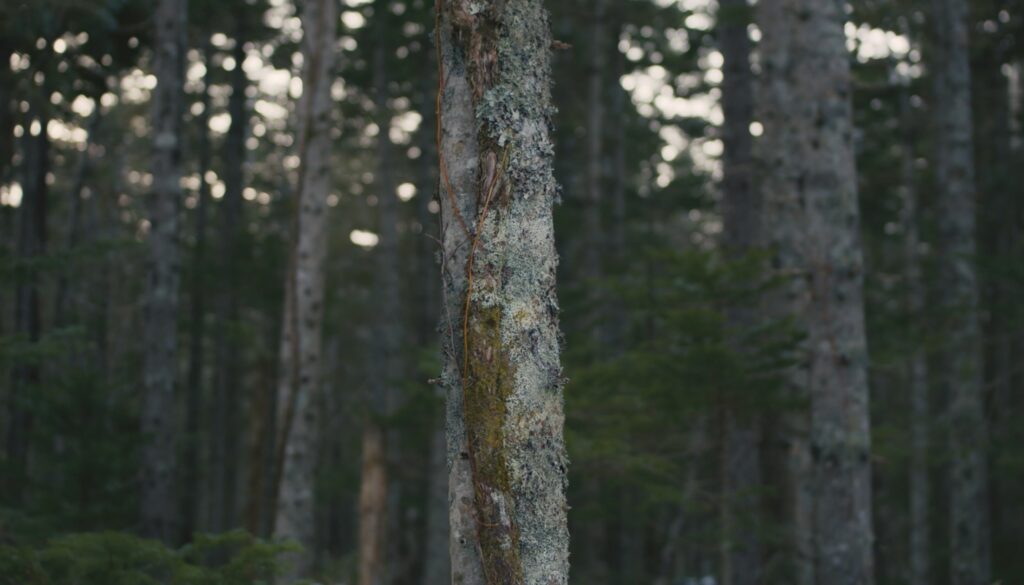
Yet it was only after returning to Japan following the pandemic that he experienced something unexpected. Familiar landscapes suddenly felt new again.
The changing seasons that many Japanese people grow up with had become easy to overlook during everyday life. After years away, however, he saw them differently. The bright greens of spring, the dense forests of summer, the vivid colors of autumn, and the quiet beauty of winter felt extraordinary.
Those landscapes were not simply beautiful scenery. They represented something much deeper about Japan’s identity.
“Seeing Japan again through fresh eyes, I was deeply moved by the beauty of its four seasons,”
The experience left a lasting impression. But alongside that renewed appreciation came an unsettling discovery. The forests that help create these seasonal landscapes were facing challenges that many people knew little about.
What appeared timeless was, in reality, increasingly fragile.
The Story Hidden Behind the Landscape
Japan is one of the most forested nations in the world. Nearly two thirds of the country is covered by forests, making them a defining feature of both its geography and culture.
Yet abundance does not always guarantee sustainability.
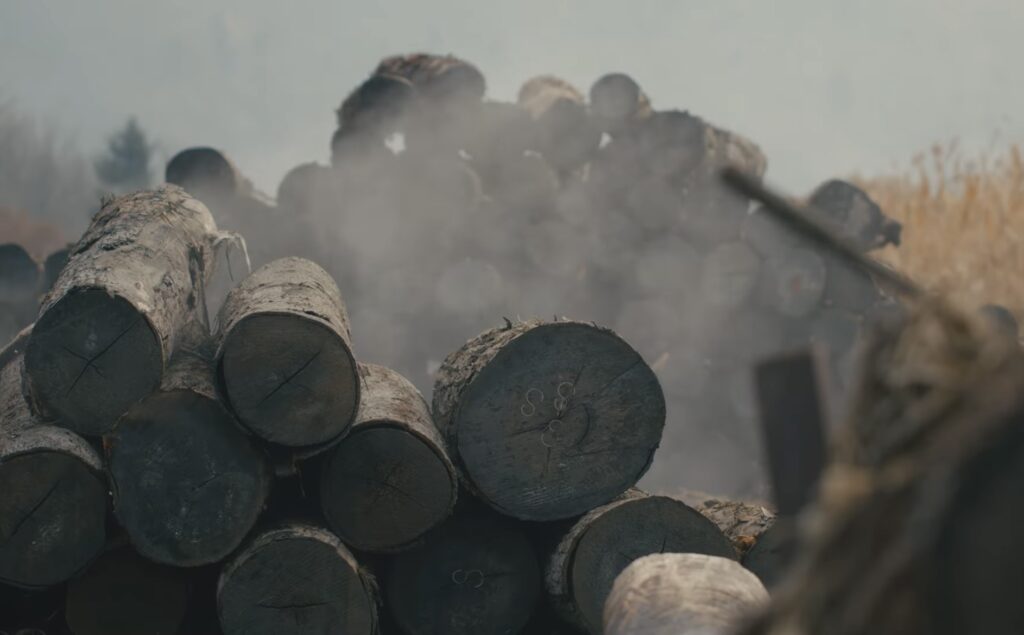
As Tasuku learned more about the state of Japan’s forestry sector, he discovered that many native hardwood forests were becoming economically difficult to maintain. While imported wood continued to dominate large parts of the market, valuable domestic hardwood resources remained underutilized.
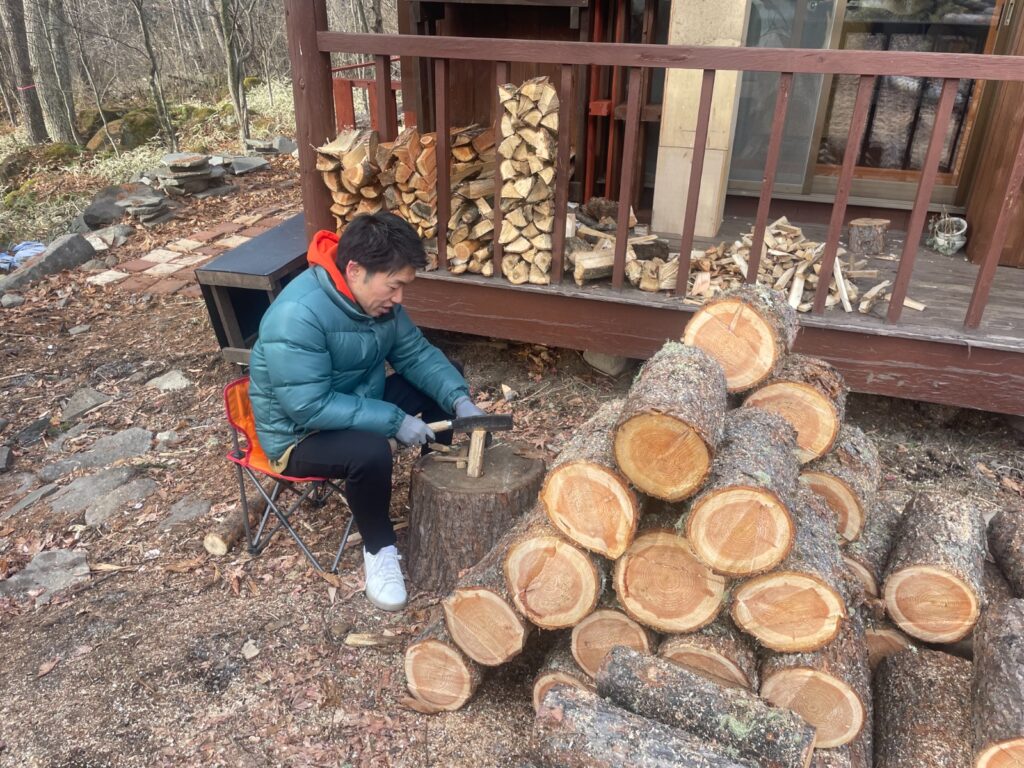
The issue was not simply about conservation. It was tied to economics, manufacturing, and changing industries.
Over time, the number of companies producing veneer and plywood from domestic hardwoods had steadily declined. As these manufacturers disappeared, opportunities to use Japanese hardwoods also decreased. Reduced demand led to fewer applications, which in turn further reduced demand.
The cycle became self perpetuating.
As the commercial value of these resources diminished, maintaining forests became increasingly difficult. Without responsible harvesting and ongoing management, the long term health of many forests was placed at risk.
For Tasuku, this realization changed everything.
He began to see forests not only as natural treasures but as systems that required thoughtful participation. Preservation alone was not enough. Forests needed sustainable economic value if they were to remain healthy for generations to come.
“That realization changed my perspective. It inspired me to build UpLift+, a company that creates value from Japan’s hardwood resources while helping preserve the forests that make these landscapes possible.”
What began as concern soon evolved into action.
Building a Different Kind of Business
The idea behind UpLift+ emerged from a simple but powerful belief: environmental preservation and economic activity do not have to exist in opposition to one another.
Instead of focusing solely on conservation, Tasuku envisioned a model that would strengthen forests by increasing the value of the materials they provide.
To bring that vision to life, he partnered with Takizawa Veneer Co., Ltd., Japan’s leading manufacturer of veneer and plywood produced exclusively from domestic hardwoods.
The partnership created an opportunity to reconnect forests, manufacturing, and design in a meaningful way.
Through UpLift+, Japanese hardwoods are transformed into carefully crafted interior products that highlight the beauty and character of the material itself. Each product serves a purpose beyond aesthetics. Every piece helps create demand for resources that have long been overlooked.

This demand supports responsible harvesting practices and contributes to the economic viability of sustainable forest management.
Importantly, a portion of sales is returned directly to forestry workers and forest owners, helping strengthen the communities responsible for caring for these landscapes.
For Tasuku, the goal is not merely to create products. It is to create a system where environmental stewardship and economic sustainability reinforce one another.
The approach reflects a philosophy that has come to define his work.
Nature, design, and industry should not function as separate worlds. They should support one another.
When done thoughtfully, the things people create can strengthen the very resources from which they originate.
Finding Strength in Collaboration
Although UpLift+ began with a clear vision, Tasuku is quick to acknowledge that meaningful work is never accomplished alone.
As the company developed, he found himself surrounded by a growing network of people who believed in the mission.
Factory teams brought generations of manufacturing expertise. Designers explored new possibilities for Japanese hardwoods. Engineers transformed ideas into tangible products. Friends, former colleagues, and partners offered encouragement, support, and collaboration.
Together, they became part of something larger than any individual contribution.
What motivates Tasuku today is not only the mission itself but the collective effort behind it.
Building a company around long term environmental goals requires patience. Progress is often gradual. Results may not be immediately visible.

In those moments, the commitment of others becomes especially meaningful.
Their belief in the vision serves as a reminder that the work extends beyond a single founder or organization. It has become a shared effort to create lasting value for forests, communities, and future generations.
That sense of collective purpose continues to shape the culture and direction of UpLift+.
Giving Japanese Woodworking a Global Voice
Among the milestones that stand out in Tasuku’s journey, one holds particular significance.
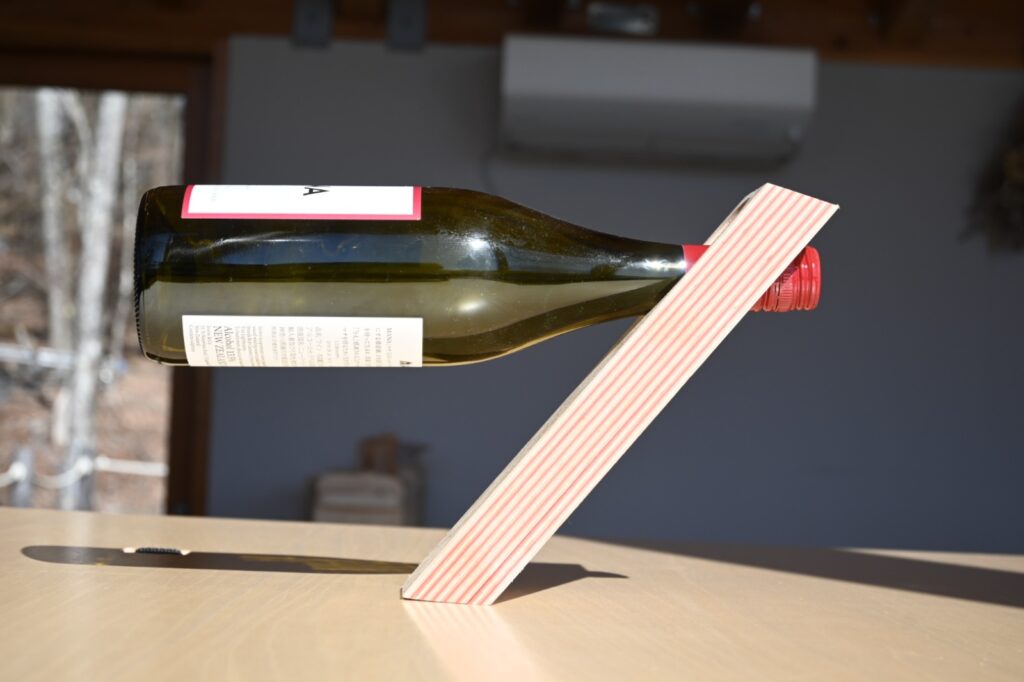
The launch of bosje, a lifestyle brand developed alongside the UpLift+ team, represented an important step in bringing their vision to life.

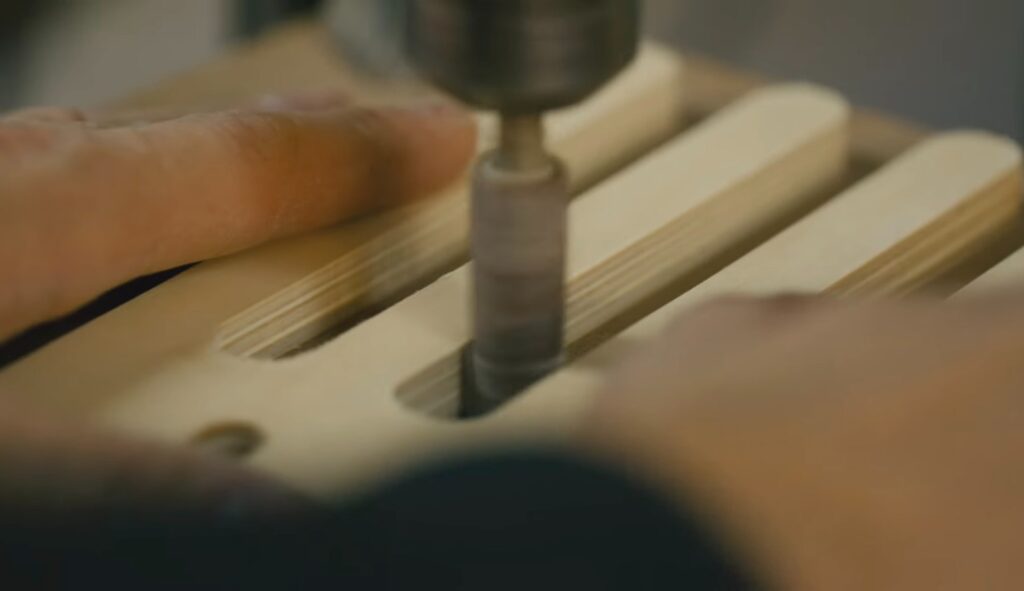
Through bosje, Japanese hardwoods are transformed into thoughtfully designed products that showcase both material quality and craftsmanship. While still in its early stages, the brand has begun attracting international attention and introducing new audiences to the story behind the materials.
For Tasuku, this growing recognition represents more than commercial success.
It signals a growing awareness of the forests themselves.
People are not only responding to beautiful products. They are responding to the deeper narrative connected to those products. They are learning about underutilized hardwood resources, sustainable forestry, and the value of preserving cultural and environmental heritage through design.
The response has reinforced his belief that stories matter.
When people understand where materials come from and why they matter, they begin to see products differently.
That shift in perception can create meaningful change.
It can encourage more thoughtful consumption, greater appreciation for craftsmanship, and stronger support for sustainable industries.
In many ways, bosje has become a bridge connecting forests, makers, and consumers through a shared understanding of value.
Looking Beyond Products
Tasuku’s ambitions extend well beyond creating individual brands.
His vision is rooted in a broader belief that many meaningful products and initiatives around the world remain unseen, despite creating genuine positive impact.
Once bosje reaches greater global recognition, he hopes to build upon that experience by helping other purpose driven brands gain visibility.
He imagines a future where companies committed to sustainability, craftsmanship, and social value are better connected to global audiences.
Rather than focusing solely on what can be built from scratch, he is interested in discovering and amplifying meaningful work that already exists.
The idea reflects a recurring theme throughout his career.
Progress often comes from creating connections.
Connections between forests and consumers.
Connections between designers and manufacturers.
Connections between local resources and international markets.
And ultimately, connections between people who share a desire to create something that contributes positively to the world around them.
Learning Through Perspective
Like many founders, Tasuku has experienced moments of uncertainty and challenge.
Long term projects rarely follow a straight path. Results can take years to materialize. Maintaining momentum requires resilience.
One of the ways he stays grounded is by actively seeking perspectives beyond his immediate work.
As an Honorary Visiting Lecturer at The Chinese University of Hong Kong and an official partner of Future17, he regularly engages with students, researchers, and professionals from diverse backgrounds.
These conversations provide valuable distance from day to day operational concerns.
They allow him to step back and view his work through a wider lens.
Fresh perspectives often reveal possibilities that might otherwise remain hidden. They also serve as reminders that meaningful change is rarely immediate.
Many worthwhile efforts require patience, persistence, and faith in the process.
By remaining connected to broader communities and ideas, Tasuku finds both balance and motivation to continue moving forward.
A Vision Rooted in Stewardship
At the heart of Tasuku Watanabe’s work is a simple but profound belief.
The future of forests depends not only on protecting them but also on creating reasons for people to value them.
His vision challenges the notion that sustainability requires separation from economic activity. Instead, he sees opportunity in building systems where commerce contributes directly to environmental care and cultural preservation.
This perspective shapes every aspect of UpLift+.
It influences how materials are sourced, how products are designed, and how value is shared throughout the supply chain.
Most importantly, it reflects a long term commitment to stewardship.
The forests that inspired his journey existed long before any company was founded. His hope is that they will continue to thrive long after.
As he looks toward the future, his goal remains clear: to help Japanese woodworking earn the same global appreciation that Japanese cuisine and animation have achieved, while creating lasting value for the landscapes that make such cultural richness possible.
In doing so, he is not simply building a business.
He is helping tell the story of Japan’s forests and demonstrating how thoughtful design can become a force for preservation, connection, and renewal.
For More Features
Be Featured in The Real Edit!
Every story has the power to shape how we see innovation, leadership, and purpose. If you’re a founder, creator, executive, or changemaker with a journey worth telling , we’d be honored to help you share it.
To inquire about being featured:
Email us at: info@realedit.site
Follow The Real Edit