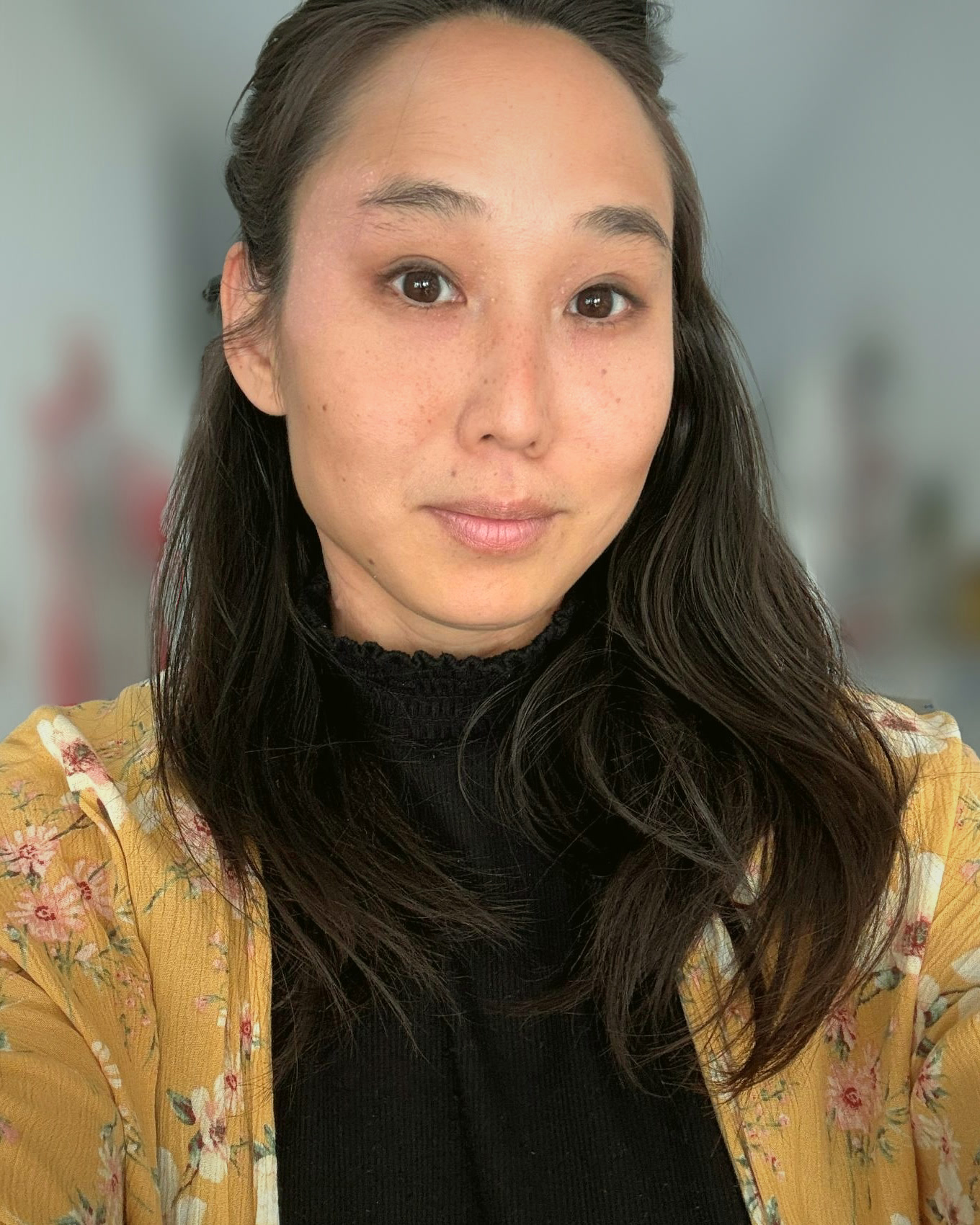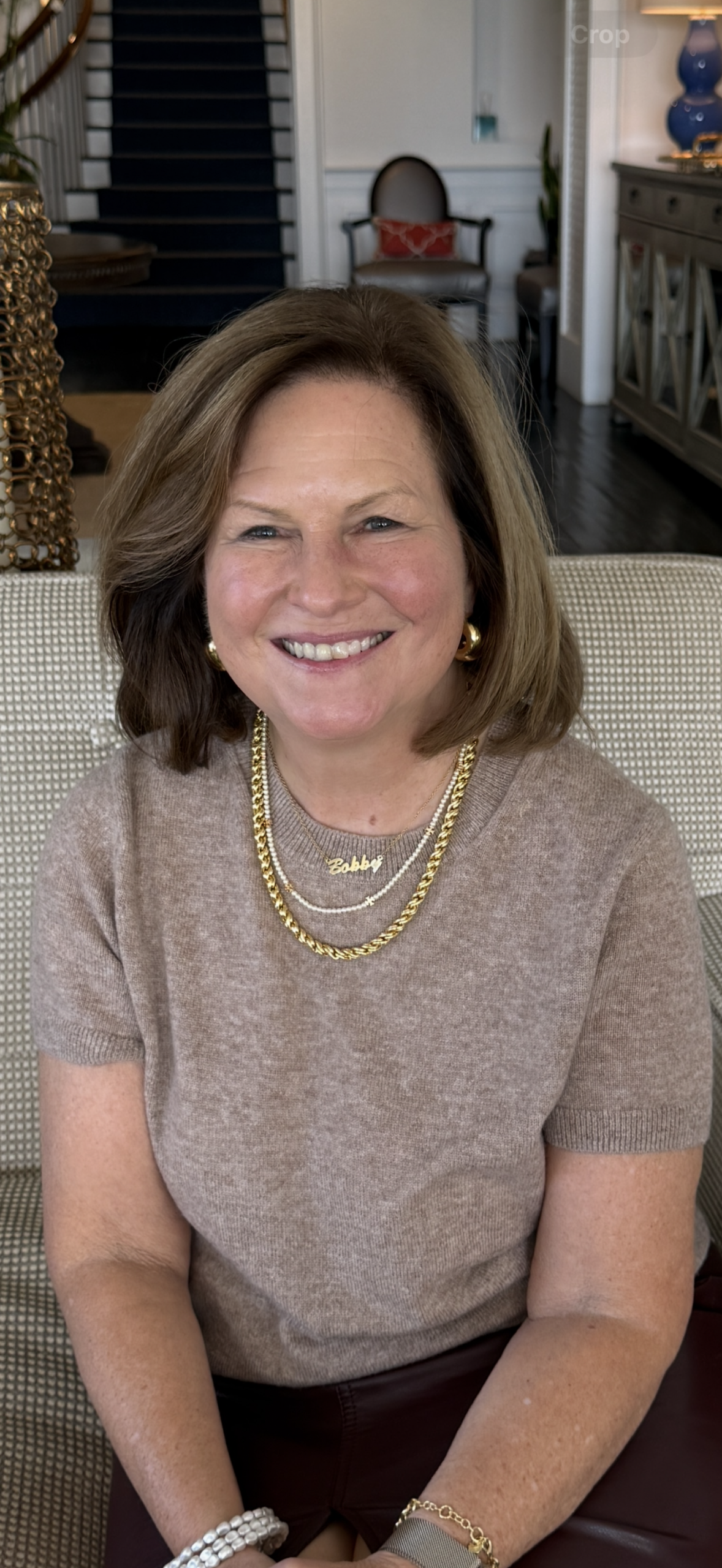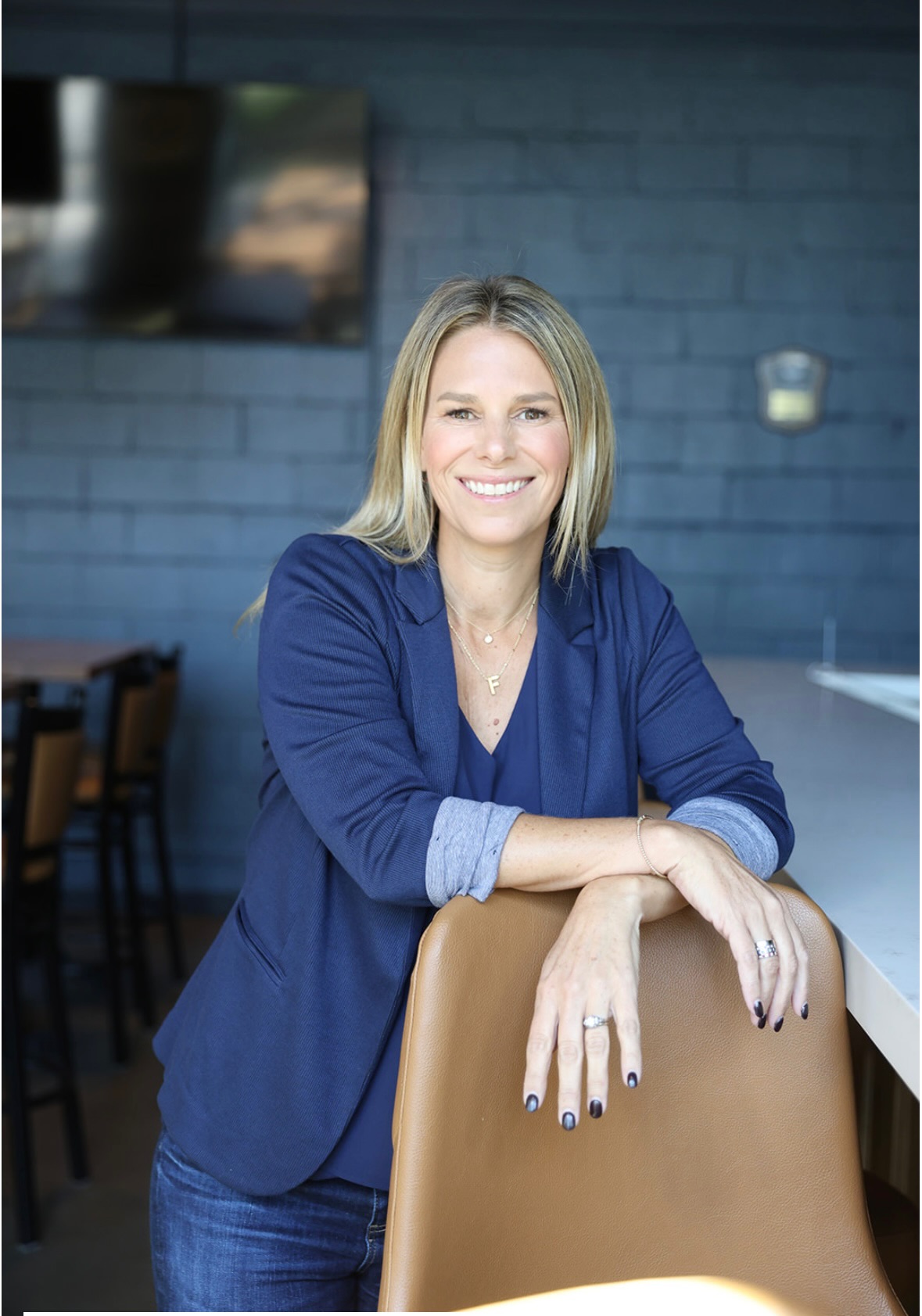
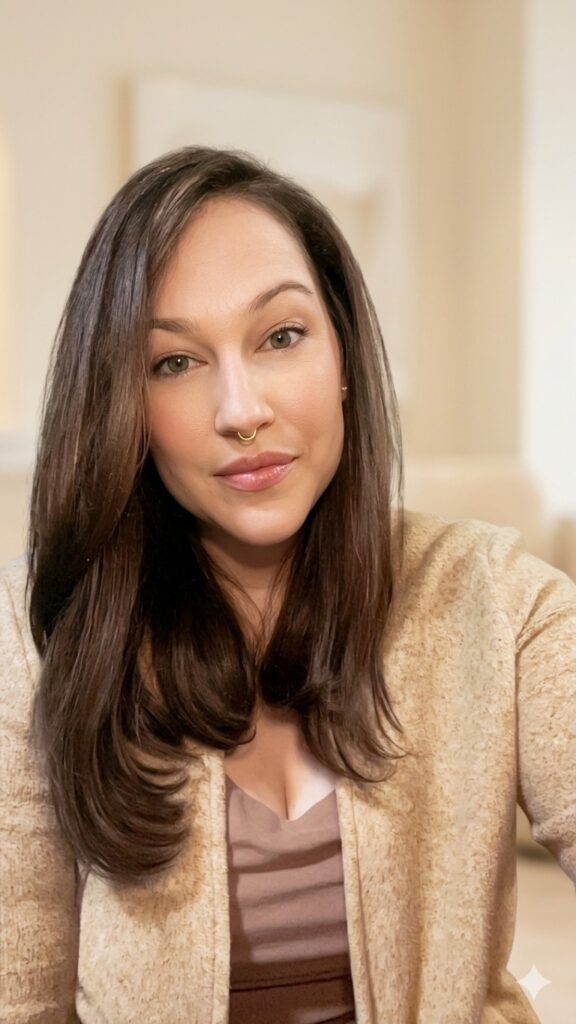
Meet Lisette
Lisette Diaz-Santiago is building work that centers on something often overlooked yet deeply essential, human connection. With a background spanning healthcare and early childhood education, her journey has been shaped by a consistent focus on how people communicate, relate, and feel supported across different stages of life. Today, as the founder of MemoriGems, she is creating thoughtful, human-centered tools that help families preserve connection and meaning as memory evolves.
Where Connection Begins
There is a kind of work that does not begin with ambition or strategy, but with noticing. It starts in quiet rooms, in moments that are easy to overlook, in the subtle shifts that most people only recognize in hindsight.
For Lisette Diaz-Santiago, that work began not with a business plan, but with a growing awareness that something essential was slipping through the cracks. Not in systems or structures, but in the space between people.
Her work today is rooted in connection, but not in the abstract sense. It is about the fragile, evolving nature of how people hold on to one another, especially when memory begins to change. It is about preserving something deeply human at a time when it is most at risk of being lost.
A Foundation Built Around People
Long before MemoriGems existed, Lisette’s path had already been shaped by a consistent thread. Across more than a decade of work in healthcare and early childhood education, she found herself drawn not to systems alone, but to the human experiences within them.
She paid attention to how people communicated, how they developed, and how they connected across different stages of life. Whether working with young children or within healthcare environments, her focus remained steady. It was always about people and how they feel seen, supported, and understood.
That perspective was not something she adopted later. It was something she carried with her, quietly shaping the way she moved through her work.
But even with that clarity, there was no immediate indication that her path would lead to building something of her own. Like many professionals, her journey unfolded step by step, guided more by experience than by a fixed destination.
The Space In Between
In July 2025, everything shifted in a way she had not planned. An unexpected career transition disrupted the rhythm she had known, creating a pause that was both unsettling and necessary.
At the same time, her personal life was changing in ways that were far more profound. Her grandfather, alongside her grandmother, was placed in a nursing facility following a dementia diagnosis.
These two experiences did not exist separately. They overlapped, creating a period that felt uncertain, but also deeply revealing.
What stood out most were the visits. Not dramatic moments, but the subtle differences between one visit and the next. The way memory shifted, sometimes gradually, sometimes in ways that felt sudden. The way connection did not disappear, but changed form.
She began to notice something that felt both obvious and overlooked. While there was significant attention given to clinical care, there was far less focus on what happens to emotional connection and identity as memory evolves.
That realization did not arrive all at once. It emerged slowly, in what she describes as the in-between.
“This path was shaped by both disruption and clarity, Experiencing an unexpected career shift created the space to step back and reevaluate what I wanted my work to contribute to the world.”
Instead of rushing to find certainty, she allowed herself to remain in that space. It was not comfortable, but it was necessary.
Choosing Meaning Over Momentum
For many, uncertainty creates pressure to act quickly. To move forward, to fix, to replace what was lost with something new.
Lisette chose a different approach.
She did not rush to define her next step. Instead, she asked a different question. Not what comes next, but what matters.
During that period, she created a vision board filled with images, words, and reminders of what she wanted her work to represent. At the center were photos of her grandfather. Not as a symbol of loss, but as a reminder of connection.
This shift, from urgency to intention, became a turning point. It allowed her to move with clarity rather than reaction.
The idea for MemoriGems did not come as a sudden breakthrough. It took shape gradually, informed by observation, emotion, and a growing sense of responsibility to what she was witnessing.
It became clear that there was a gap. Not just in tools, but in understanding. Families navigating memory loss often lacked support for maintaining connection in meaningful ways.
And more specifically, they lacked language.
How do you speak to someone when memory begins to change
How do you hold on to shared moments when they begin to shift
How do you remain connected when the way you have always connected no longer works
These were not questions that could be answered by clinical guidance alone. They required something more human, more nuanced, more grounded in lived experience.
Building Something That Feels Human
MemoriGems emerged from that space of reflection, shaped by both personal experience and professional insight.
At its core, the platform is designed to help families preserve voice, memory, and shared moments. It is not about stopping change, because that is not possible. It is about supporting connection as it evolves.
Lisette’s approach to building reflects the same values that guided her through uncertainty. She is not interested in creating something that is fast or overly complex. Her focus is on intentionality. On designing tools that feel accessible, meaningful, and grounded in real human needs.
Her work sits at the intersection of caregiving, healthcare, education, and design. But more than that, it sits at the intersection of experience and empathy.
“What drives my work is a deep commitment to preserving connection, especially in moments where it is most at risk,”
That commitment extends beyond the platform itself. It shapes how she leads, how she collaborates, and how she envisions the spaces she is creating.
She is intentional about building environments where people feel valued without needing to change who they are. Where empathy is not an afterthought, but a foundation.
MemoriGems is not just a response to a problem. It is a reflection of a belief. That connection is something that can be nurtured, even in the face of change.
Redefining How We Approach Memory
There is a tendency to approach aging and memory loss from a clinical perspective. To focus on symptoms, treatments, and outcomes.
Lisette’s work challenges that framing.
She is not dismissing the importance of clinical care, but she is expanding the conversation. She is asking what it means to support not just the individual experiencing memory change, but the relationships surrounding them.
Her goal is to shift the narrative. To move from a reactive approach to something more intentional and human-centered.
This includes developing tools that go beyond guidance and into communication. Tools that help families understand not just what to do, but what to say.
Because in many ways, language becomes one of the most significant barriers. When communication changes, connection can feel uncertain.
By addressing that gap, she is creating something that has the potential to change how families experience caregiving. Not by removing difficulty, but by offering support in navigating it.
Looking Ahead with Intention
As MemoriGems continues to grow, Lisette remains focused on purpose rather than pace.
Her vision is not centered on expansion for its own sake. It is about ensuring that what she is building remains aligned with the people it is meant to serve.
She is particularly focused on listening. To caregivers, to families, to individuals who are navigating memory changes in their own lives.
These voices are not secondary to the work. They are essential to it.
Her long-term goal is to contribute to a broader shift in how society understands aging and memory. To create tools and conversations that prioritize dignity, accessibility, and emotional connection.
She is also stepping into larger spaces of dialogue, including contributing to conversations around memory and care at an international level. This reflects not just recognition, but a willingness to engage with the complexity of the work she is doing.
Even as those opportunities expand, her focus remains grounded. She continues to build with care, guided by the same questions that shaped her in the beginning.
Holding On Without Holding Back
At the heart of Lisette’s work is a quiet but powerful understanding.
That connection is not static. It changes, just as people do.
The challenge is not to preserve things exactly as they were, but to find ways to remain present as they evolve.
Her journey reflects that same principle. It was not defined by a single moment, but by a series of experiences that required her to pause, reflect, and listen.
In choosing to stay in that in-between space, she found clarity. And in that clarity, she found purpose.
Her work now carries that forward. Not as a solution to loss, but as a way of honoring what remains.
In a world that often prioritizes speed and certainty, Lisette Diaz-Santiago is building something slower, more intentional, and deeply human.
Something that reminds us that even as memory changes, connection can still be held, shaped, and preserved in meaningful ways.
For More Features
Be Featured in The Real Edit!
Every story has the power to shape how we see innovation, leadership, and purpose. If you’re a founder, creator, executive, or changemaker with a journey worth telling , we’d be honored to help you share it.
To inquire about being featured:
Email us at: info@realedit.site
Follow The Real Edit