Meet Stanley
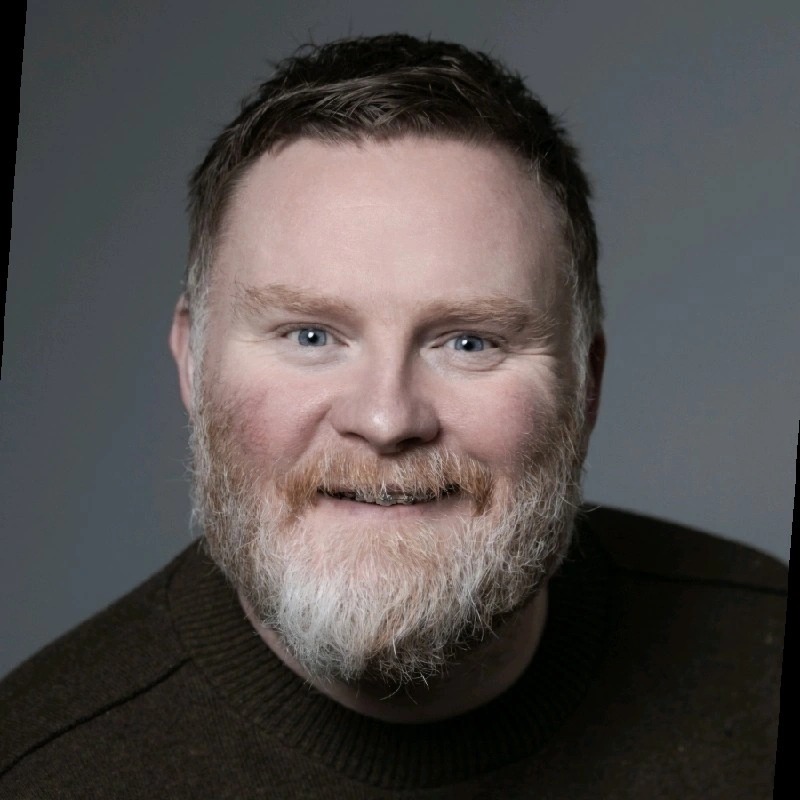
Ed Stanley is a leadership and mindset coach, educator, and Head of Career Services and Employability at IBAT Dublin, with nearly two decades of experience in high-performance, target-driven business environments. Having spent years leading teams in the technology sector, he developed a deep understanding of the human side of performance, how clarity, confidence, and mindset shape both individual growth and leadership effectiveness. Today, through his coaching practice Coach Ed and his CLARITY framework, he helps graduates, professionals, and emerging leaders navigate their careers with intention, aligning their work with their values to build meaningful and sustainable success.
The Quiet Search for Meaning
In many professional journeys there comes a moment when success begins to feel more complicated than it once did. The targets may still be achieved, the responsibilities may grow, and the career trajectory may appear strong from the outside. Yet internally a quieter question begins to form. Is this the work that truly matters.
For Ed Stanley, that question did not arrive suddenly. It emerged gradually over years spent leading teams inside demanding, performance driven environments. His early career unfolded in frontline business roles within the technology sector, where expectations moved quickly and results mattered. The pace was intense, the pressure constant, and leadership meant navigating both performance metrics and the complexities of human relationships every day.
Those experiences shaped him deeply. They taught him about accountability, resilience, and the responsibility that comes with guiding people through high expectations. Yet alongside the operational demands of leadership, something else began to capture his attention. He noticed that what stayed with him most was not simply whether targets were met. What stayed with him were the conversations about growth, the moments when someone on his team gained confidence, and the times when a person began to understand their own potential more clearly.
Gradually, the work of developing people began to matter more than the numbers themselves.
Looking back now, that realization marked the beginning of a quiet shift in his professional identity. Leadership for him was becoming less about managing performance and more about understanding what allows people to grow.
Lessons From the Frontlines of Leadership
Ed spent nearly two decades in business roles and the final eight years of that period managing teams in high pressure, target driven technology environments. It was a world where results were expected quickly and leadership required constant presence. Managers were responsible not only for strategy and outcomes but also for navigating the personal realities of the people around them.
Over time he became increasingly aware of how differently individuals responded to the same environment. Some team members thrived under pressure, finding motivation in challenge and competition. Others struggled not because they lacked ability but because they lacked space to reflect, develop, or understand their direction.
These observations stayed with him. They raised deeper questions about leadership and about the human side of performance that often receives less attention in traditional corporate structures.
He recalls that period as one of growing curiosity about people and potential. Rather than viewing performance purely through the lens of output, he began to look more closely at mindset, clarity, and confidence.
“During my time managing teams, I saw firsthand how much clarity, confidence, and mindset influence performance and career progression,” he explains. “Some people thrived when they felt supported and understood, while others struggled simply because no one had created space for reflection or development.”
The more he reflected on those dynamics, the more he felt drawn toward understanding them in greater depth. Coaching, leadership psychology, and personal development began to occupy a larger part of his attention. What started as curiosity gradually became a direction.
Eventually he chose to pursue formal coaching training, deepening his understanding of how reflection and intentional development can transform the way people approach their careers and leadership.
A Turning Point Between Two Ideas of Leadership
Every professional journey contains moments when experience forces a person to reconsider what success means. For Ed, one of the most significant challenges he faced was reconciling the tension between traditional management expectations and the type of leadership he believed in.
In many high performance industries the emphasis often remains fixed on targets, efficiency, and output. Leaders are expected to maintain momentum and ensure results regardless of personal cost. Early in his management career Ed worked within exactly that environment. Teams delivered outcomes, projects moved forward, and performance remained strong.
Yet the pressure carried its own consequences. Constant demands, high expectations, and the responsibility of supporting others created a level of intensity that eventually prompted deeper reflection.
Rather than simply pushing harder, he began asking more fundamental questions about what kind of leader he wanted to be and what kind of work truly aligned with his values.
That period of introspection was not always comfortable. It required stepping back from familiar professional identities and acknowledging that career paths sometimes need to evolve.
At the same time, another opportunity began to emerge. Ed stepped into the world of careers and employability within an education setting, where he could support graduates and early career professionals as they prepared to enter the workplace.
The shift allowed him to combine his leadership experience with coaching and mentoring in a more intentional way. Instead of focusing solely on organisational targets, he was now helping individuals navigate one of the most significant transitions of their lives.
This new environment also reinforced the importance of reflection and values based decision making. Students and early career professionals often face overwhelming choices about direction, identity, and ambition. Helping them navigate those questions required not only practical advice but also deeper conversations about purpose and alignment.
The challenges he had faced in his own leadership journey began to inform the guidance he offered others.
The Birth of the CLARITY Framework
Out of those experiences grew the foundation of Ed’s coaching philosophy and eventually the development of his CLARITY framework.
The framework emerged from a simple but powerful observation. Many people move through their careers reacting to external expectations rather than pausing to understand what truly matters to them. Without that clarity it becomes difficult to make confident decisions about leadership, growth, and direction.
Ed began structuring his coaching work around helping individuals slow down and reconnect with their values, strengths, and intentions. The aim was not to prescribe a specific path but to create the conditions where people could discover their own.
He describes his motivation in straightforward terms.
“What drives my work today is helping people find clarity in a noisy world,” he says. “Whether working with graduates, early career professionals, or leaders, my focus is creating space for reflection, values alignment, and intentional action so people can build meaningful careers and lead in a way that is authentic to them.”
The CLARITY framework became a structured way to guide that process. Through coaching conversations, reflective exercises, and practical planning, individuals explore their motivations, strengths, and long term aspirations.
The approach recognises that professional success cannot be separated from personal values. When individuals understand what matters most to them, decision making becomes less reactive and more intentional.
Supporting the Next Generation of Professionals
Today Ed’s work sits at the intersection of leadership coaching and career development. As Head of Career Services and Employability at IBAT Dublin, he works closely with graduates preparing to step into professional life. At the same time, through his coaching practice Coach Ed, he supports emerging leaders and professionals seeking greater clarity in their careers.
Both roles are connected by the same underlying mission.
The modern world of work is evolving rapidly. Technology, artificial intelligence, and shifting organisational structures are transforming traditional career paths. For many young professionals this environment can feel both exciting and overwhelming.
Ed’s work focuses on helping individuals navigate that complexity with confidence.
Through coaching conversations he encourages people to reflect on their values, understand their strengths, and approach career decisions with intention rather than pressure. The process often involves stepping back from the noise of external expectations and rediscovering personal direction.
One of the aspects he finds most meaningful is witnessing the moment when someone begins to see their own path more clearly. Confidence grows not through external validation but through deeper self awareness.
Over time those individual transformations begin to create a broader impact. Professionals who understand their values tend to lead with greater empathy, communicate more openly, and build healthier workplace cultures.
In that sense his work contributes not only to individual careers but also to a more human centred approach to leadership.
Redefining Success
Like many professionals who spend years in demanding industries, Ed’s understanding of success has evolved over time.
Early in his career success was often measured through progress, performance, and visible results. Advancement, recognition, and achievement carried significant weight.
With experience and reflection, that perspective gradually shifted.
Success today feels less tied to external markers and more connected to alignment and impact. The questions that guide his work have become more personal and more grounded.
“Success for me is no longer just about titles or output,” he reflects. “It is about alignment. Am I living and working in a way that reflects my values. Am I making a meaningful impact. Am I creating work that helps people grow.”
This redefinition of success also influences how he coaches others. Rather than encouraging individuals to chase external expectations, he invites them to consider what fulfillment genuinely looks like in their own lives.
Often that conversation leads to deeper reflection about balance, purpose, and sustainability. Careers become less about constant acceleration and more about intentional growth.
Values as a Leadership Compass
Throughout his journey certain principles have remained constant.
Integrity, curiosity, and growth form the foundation of how he approaches leadership and coaching. Integrity shapes the way he shows up in conversations, ensuring honesty and respect guide every interaction. Curiosity encourages openness to new perspectives and continuous learning. Growth reflects his belief that people can evolve when given the right environment and support.
These values influence not only his professional work but also his personal life.
Family plays a central role in keeping his perspective grounded. The presence of loved ones provides a reminder that professional achievement alone cannot define a meaningful life.
Inspiration also comes from thinkers who have explored leadership and personal development in depth. Writers and educators such as Brené Brown, James Clear, John Demartini, Jon Gordon, and Ken Blanchard have shaped his thinking about mindset, resilience, and growth.
Yet the most powerful inspiration often comes closer to home. The example of his parents instilled a strong sense of work ethic and integrity, while the support of his wife continues to anchor him through both professional and personal challenges.
And perhaps most profoundly, the curiosity and honesty of his daughter Florence reminds him daily of the kind of person he hopes to be.
Looking Toward the Future
As the world of work continues to evolve, Ed remains focused on expanding the impact of his coaching and career development work.
In the coming years he hopes to bring the CLARITY framework to a wider audience through workshops, speaking engagements, writing, and podcast conversations. Each platform offers an opportunity to create thoughtful dialogue about leadership, career direction, and personal growth.
At the same time, he plans to continue developing his coaching practice and supporting graduates and emerging leaders as they navigate increasingly complex professional landscapes.
The ultimate goal is not simply professional advancement. It is helping individuals build careers that feel meaningful, sustainable, and aligned with who they are.
By encouraging reflection and self awareness, he believes workplaces can become environments where both performance and humanity are valued.
A Final Reflection on Clarity
Careers rarely unfold in straight lines. They move through unexpected turns, quiet realizations, and moments of courage that reshape direction.
Ed Stanley’s journey reflects that reality. Years spent navigating the pressures of business leadership eventually led him toward a different kind of work. Not a rejection of ambition or achievement, but a deeper exploration of what makes those achievements meaningful.
Today his work centres on helping others pause long enough to ask important questions about their own paths.
In a world filled with constant noise and expectation, the simple act of seeking clarity can become one of the most powerful forms of leadership.
For More Features
Be Featured in The Real Edit!
Every story has the power to shape how we see innovation, leadership, and purpose. If you’re a founder, creator, executive, or changemaker with a journey worth telling , we’d be honored to help you share it.
To inquire about being featured:
Email us at: info@realedit.site
Follow The Real Edit