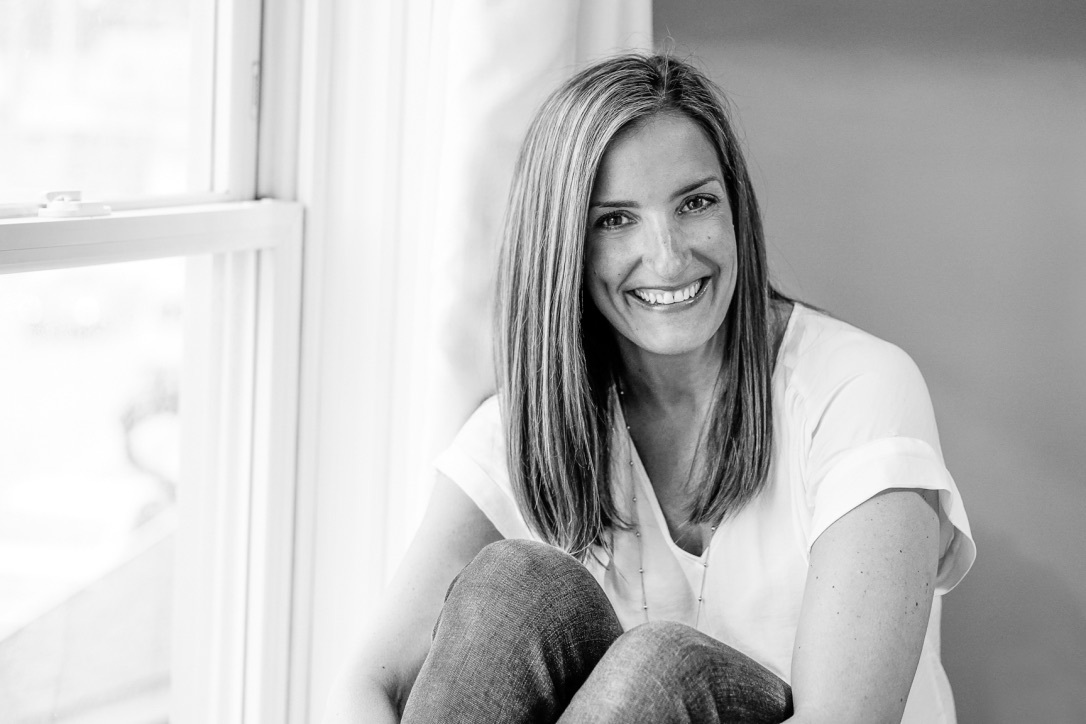
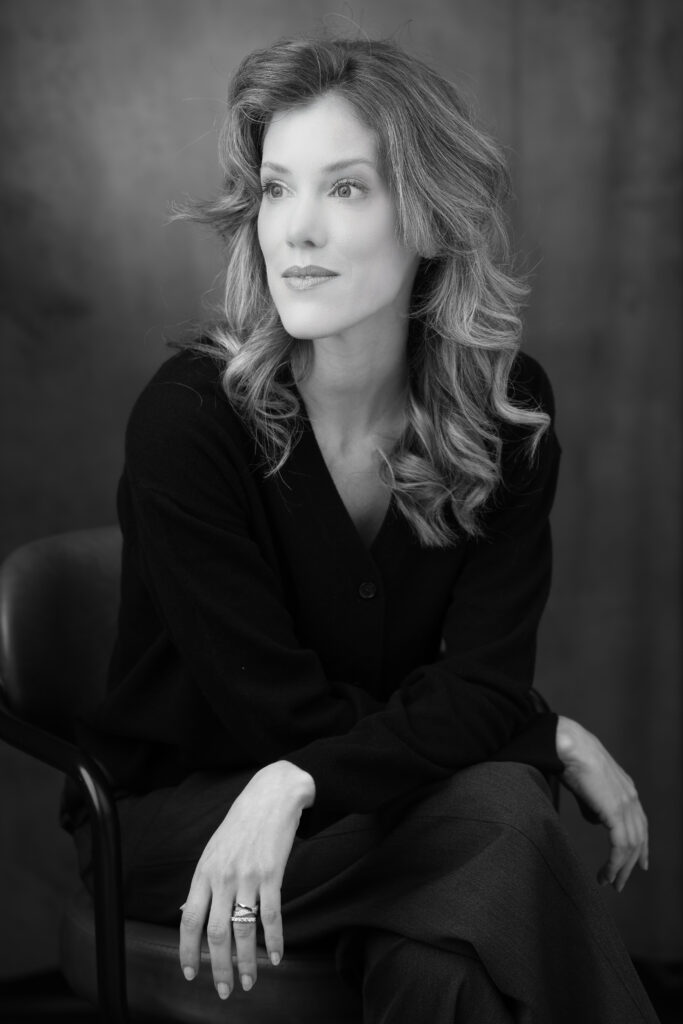
Meet Leonora
Leonora K Rosalind is a London based corporate technology leader and the Founder of The SIGNAL Protocol. With a background in internet infrastructure, SaaS, and CPaaS, she now works at the intersection of technology and neurophysiology, developing cognitive support systems for high performance teams.
Where the Internet Felt Personal
Long before Leonora K Rosalind entered the technology sector in 2013, the internet was already part of her childhood vocabulary. It was not an abstract concept or a distant innovation. It was present in conversations at home, woven into everyday life.
Her father had been involved in the foundational days of internet governance and the Domain Name System. In the early nineteen eighties, while at Harvard, his curiosity turned toward the architecture of a world that did not yet exist. By the mid nineteen nineties, he was in Geneva discussing the future of global internet infrastructure with pioneers who were shaping what would become the backbone of modern life.
Leonora grew up listening. She absorbed stories about protocols, governance, and possibility before most households even had reliable internet access. She understood early that this was not simply about cables and servers. It was about connection at scale. She watched the internet move from academic experiment to global necessity, and that transformation left a lasting imprint on her.
She realised that one day every device on the planet would be connected. That awareness shaped the way she saw technology. It was never purely functional. It was relational. It carried power and responsibility. It had the ability to change how people experienced one another across distance.
When she formally entered the industry in 2013, starting in internet infrastructure for the domain name sector before moving into high growth enterprise areas such as SaaS and CPaaS, she carried that early perspective with her. Rapid innovation did not intimidate her. It energised her.
Over time, however, she began to notice something deeper.
Innovation was accelerating. Systems were becoming more complex. Yet the humans using them were not evolving at the same speed.
Bridging the Gap Between Systems and People
In enterprise environments, Leonora saw how new software adoption often struggled not because the tools were inadequate, but because the human systems surrounding them were strained. She worked in research and positioning, translating complex ideas into practical applications for organisations navigating change.
She could see both sides clearly. The architecture and the lived experience. The infrastructure and the emotional response.
Artificial intelligence was reshaping workplaces. Automation increased expectations. Communication channels multiplied. Decision cycles shortened. The digital layer of work became constant.
Yet support systems for employees lagged behind.
Leonora often reflects on this tension. Rapid innovation excites her, but she recognises that it widens the gap between systems and users. The more efficient technology becomes, the more invisible pressure it can place on human cognition.
At first, this was simply an observation. Then it became personal.
When Burnout Became Real
The defining moment in Leonora’s career was not a promotion or a milestone. It was burnout. Severe, disorienting burnout that shifted the direction of her work.
She had spent years operating at high velocity inside complex corporate environments. Like many high performers, she believed endurance was part of the job. Pressure was normal. Fatigue was temporary.
Until it was not.
Her communication began to suffer. Decision making felt heavier. Clarity diminished. Isolation set in quietly. She could feel her performance changing, which only increased internal pressure.
She speaks about that period with honesty.
“Burnout is systemic, but corporate culture often labels it a personal weakness.”
That realisation unsettled her. If systems were contributing to cognitive overload, why were individuals expected to solve the problem alone?
During recovery, she searched for meaningful solutions. What she found felt insufficient. The market offered reactive approaches. Support typically arrived after collapse. Wellness initiatives addressed symptoms rather than underlying biological mechanisms.
Very little addressed the physiological impact of sustained digital demand.
That insight reshaped her trajectory.
Instead of waiting for better support systems to appear, she began designing one herself.
A Biological Response to a Digital Problem
Leonora’s work through The SIGNAL Protocol rests on a clear premise. Digital demands trigger chronic stress responses in the brain. When stress activates the amygdala, the prefrontal cortex, which governs reasoning, creativity, and strategic thinking, becomes suppressed.
In high pressure environments, this pattern repeats. Over time, it can become a baseline state.
Through the development of neuro acoustic sound frequencies designed to influence brain activity, she reframed the conversation. Burnout is not simply emotional exhaustion. It is not a motivational issue. It is often a physiological failure of the nervous system.
Rather than asking individuals to simply try harder, she focuses on engineering the environment. By introducing precision audio layers that support nervous system regulation, she aims to sustain focus and accelerate recovery without adding cognitive demand.
She explains her intention clearly.
“My goal is to use neuro acoustics to build resilience and sustain performance.”
Her approach moves beyond traditional wellness programming. It treats cognitive well being as infrastructure rather than afterthought.
For Leonora, this work is deeply personal. It is informed by her own recovery and her understanding of technology’s relentless pace.
She believes corporate life can be fulfilling and sustainable. However, it requires acknowledging biological limits. High performance teams are composed of human nervous systems. When those systems are supported, clarity and creativity follow.
Her values guide this mission. Integrity, compassion, boldness, service, and resilience are not abstract concepts for her. They shape the way she designs, leads, and speaks.
Redefining Success from the Inside Out
In an industry that often celebrates visibility and scale, Leonora measures success differently. She values internal growth over external recognition.
She considers one of her greatest achievements to be recognising her limits and choosing authenticity. Sharing her burnout experience required vulnerability. Advocating for cognitive well being in corporate environments required courage.
She defines success as continuous personal development. When attention remains on internal alignment, external accomplishments tend to follow naturally.
This philosophy traces back to her parents. Their guiding principle was simple. Do your best.
That phrase removed the pressure of perfection. It shifted focus from outcome to effort. From comparison to integrity.
It continues to shape her leadership today.
She often encourages professionals to protect small moments of joy during demanding periods. When pressure intensifies, self care is often neglected first. Yet those moments of renewal are essential for sustained contribution.
Resilience, in her view, is built through regulation and recovery. Not constant endurance.
Building Cognitive Infrastructure
Today, Leonora stands at a unique intersection. She remains active within corporate technology leadership while independently developing research and intellectual property through The SIGNAL Protocol.
Her ambition is clear. She wants cognitive well being to become a measurable business outcome. Not a secondary benefit. Not a symbolic initiative. A tangible performance metric.
She envisions workplaces where leaders understand that decision fatigue, cognitive drift, and chronic stress are physiological realities that influence innovation, collaboration, and long term profitability.
By designing neuro acoustic infrastructure rather than motivational content, she aims to reduce decision fatigue without increasing workload. The intervention becomes part of the environment itself, subtly supporting brain function during high latency work.
Her long term vision is to refine and expand the protocol so that teams can consistently operate at their full potential without sacrificing mental health.
This is not about eliminating challenge. It is about aligning challenge with recovery.
A Future That Includes the Human System
When Leonora speaks about the future, her tone remains thoughtful. She does not frame her work as disruption. She sees it as necessary evolution.
Technology will continue advancing. Artificial intelligence will integrate more deeply into daily operations. The pace will not slow.
The question, in her view, is whether human systems will mature alongside it.
She intends to ensure they do.
By continuing to refine The SIGNAL Protocol and advocate for biological literacy within corporate leadership, she hopes to normalise conversations about nervous system regulation at executive level.
She wants workplaces where people feel valued and empowered. Environments that nurture creativity, well being, and meaningful contribution.
Her message to others remains steady. Embrace challenges as opportunities for growth. Trust your strengths. Prioritise well being, because your best work emerges when you care for yourself and those around you.
The Quiet Architecture of Care
There is a consistent thread throughout Leonora K Rosalind’s journey. From childhood exposure to internet pioneers, to enterprise technology leadership, to the personal reckoning of burnout, connection remains central.
First, connection between devices.
Now, connection between technology and biology.
She is still thinking about infrastructure. Only now, that infrastructure includes the human nervous system.
In a world that rewards speed, she is designing for sustainability. In environments that normalise exhaustion, she is advocating regulation.
Her work suggests that the future of high performance will belong not to those who can endure the most pressure, but to those who understand how to recover well.
Perhaps it is fitting that someone who grew up hearing about the architecture of a connected world would later dedicate her work to ensuring that the humans inside that world remain whole.
For More Features
Be Featured in The Real Edit!
Every story has the power to shape how we see innovation, leadership, and purpose. If you’re a founder, creator, executive, or changemaker with a journey worth telling , we’d be honored to help you share it.
To inquire about being featured:
Email us at: info@realedit.site
Follow The Real Edit