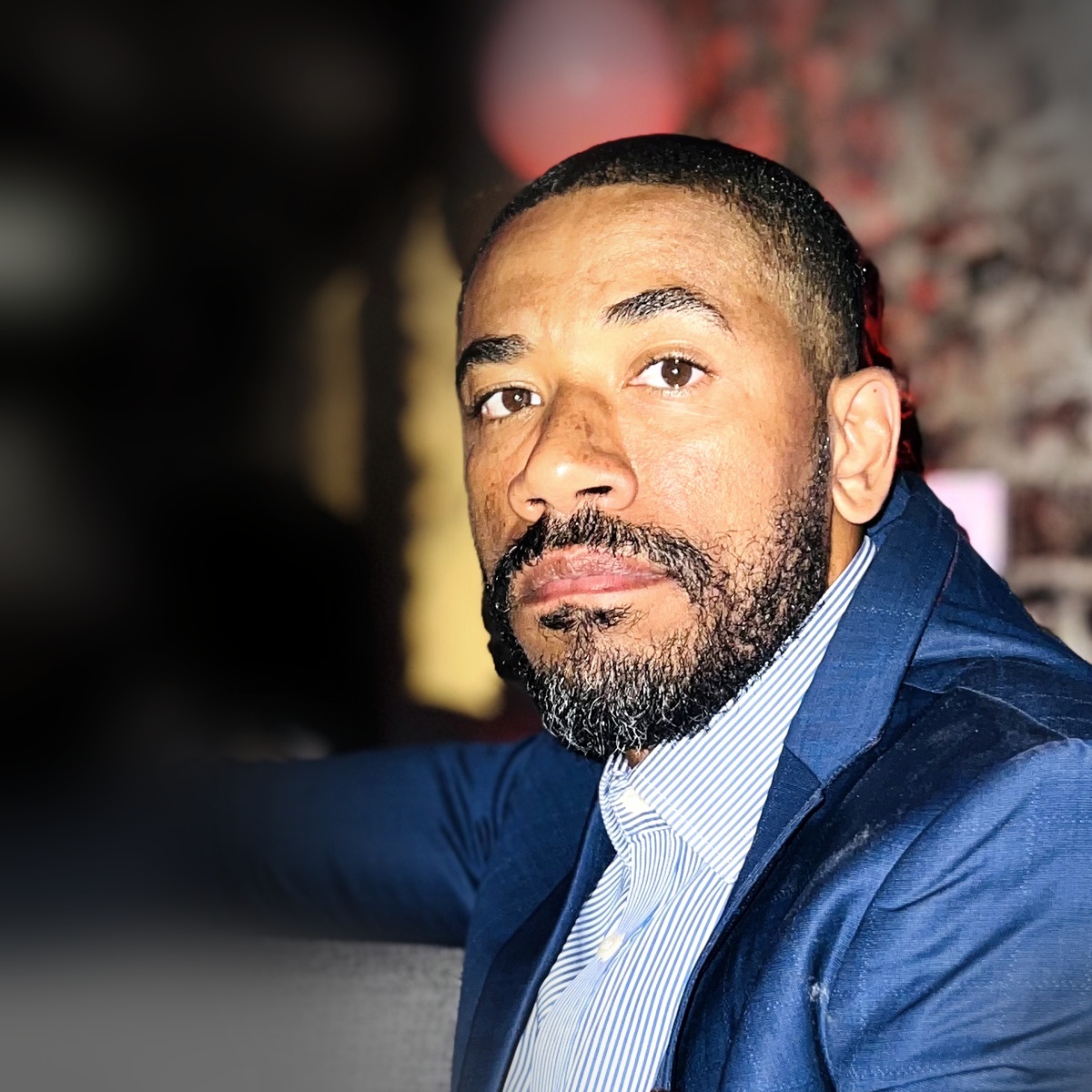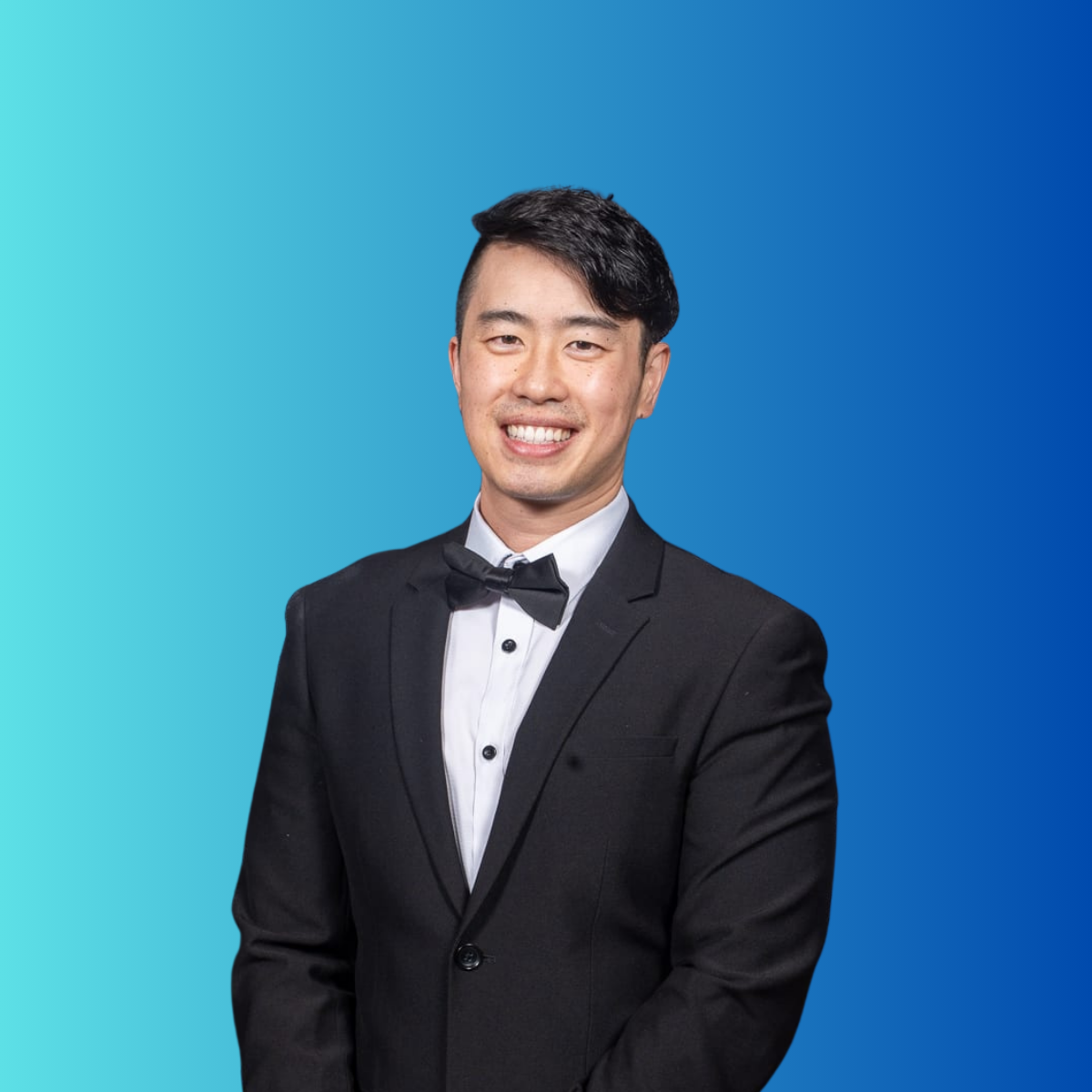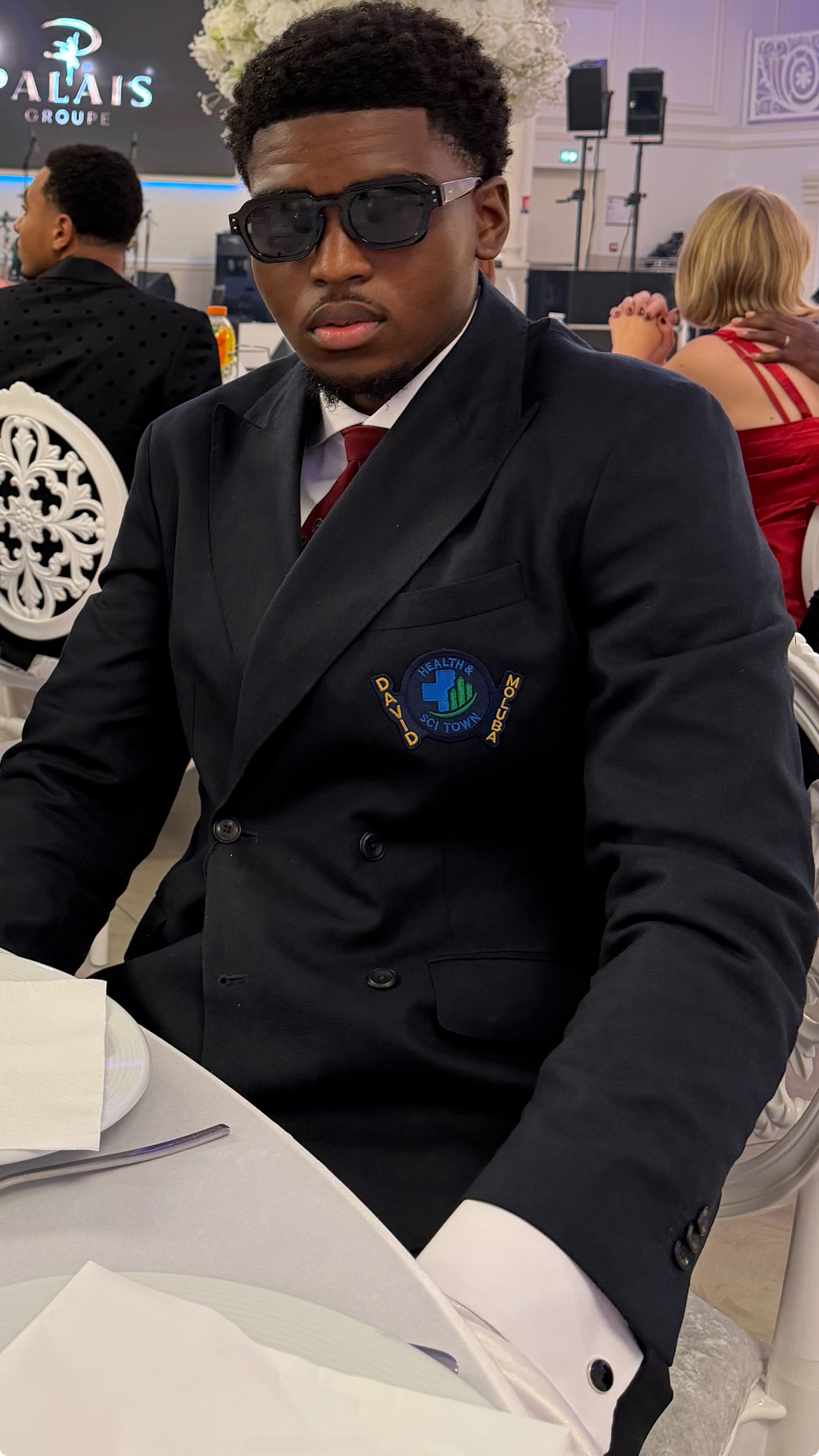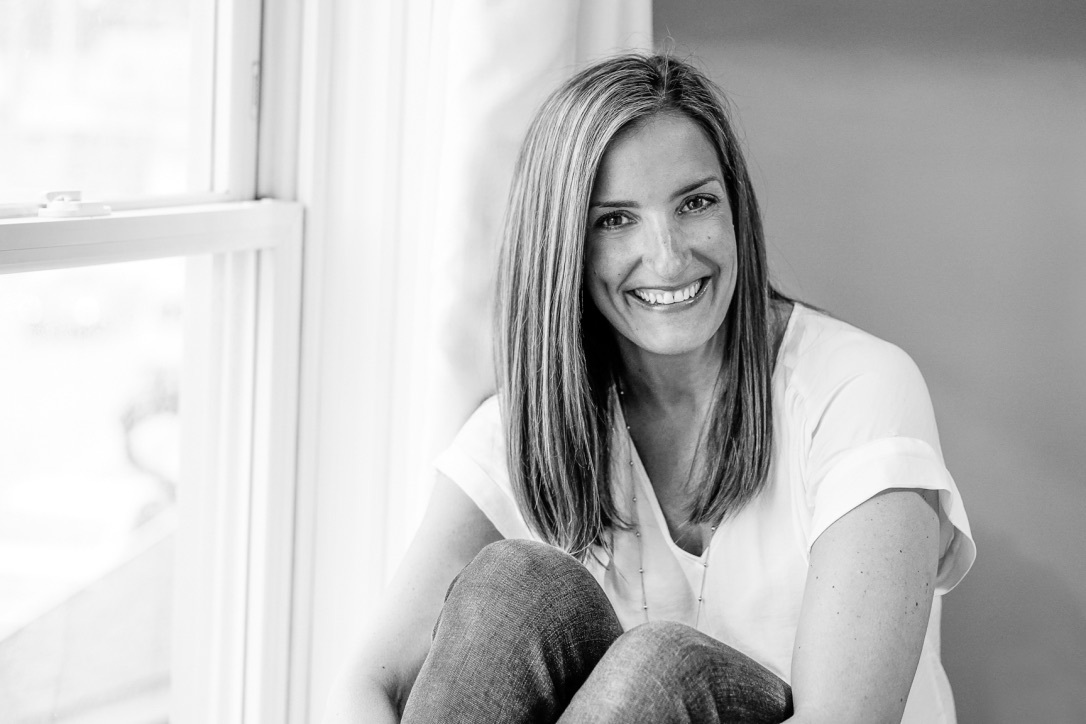
Meet Paulo
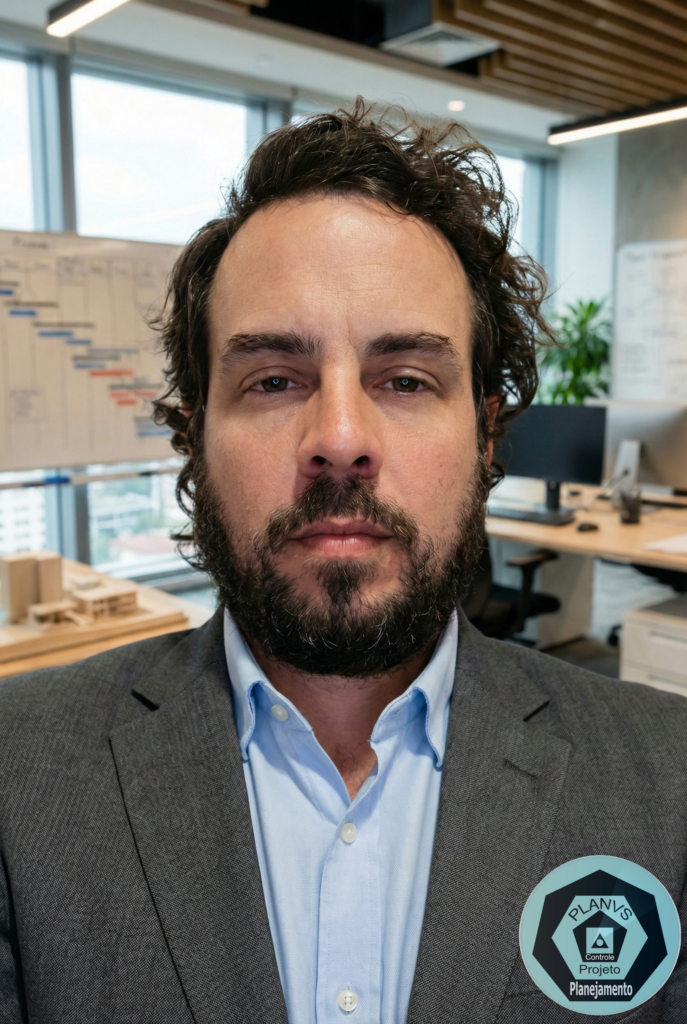
Paulo R Cabral S Junior is a Brazilian specialist in complex planning for large scale engineering projects and the founder of Planus, Ecosciente and Developy. With 25 years of experience spanning programming, mining, project management and now artificial intelligence for sustainability, he works at the intersection of structure and soil, logic and life.
Where Code Meets the Earth
In Paraty, Rio de Janeiro, where the forest leans toward the sea and the air carries the scent of salt and soil, Paulo Cabral’s work feels quietly aligned with his surroundings. His life has never followed a straight line. Instead, it has unfolded like a system slowly organizing itself, each phase adding another layer of understanding.
He began in programming in 1999, immersed in logic and structure. Two years later, he stepped into the vast physical reality of mining and mineral processing plants. It was a shift from screens to steel, from code to concrete. What remained constant was not the industry, but the way his mind worked. He has always been drawn to structure, to finding patterns inside complexity, to bringing order where there is confusion.
His story is not about ambition in the traditional sense. It is about alignment. About learning how to use what you know in service of something that feels larger than yourself.
From Software to Steel
Paulo grew up connected to rural life. His maternal grandparents lived in the countryside their entire lives, and that closeness to nature left a permanent mark on him. Even as he built a career in technology and engineering, the memory of soil, food, and community never faded.
When he entered large scale engineering in 2001, the environment felt overwhelming. Massive construction sites, expanding mining operations, teams navigating enormous budgets and tight deadlines. For someone trained in programming, the chaos of construction was jarring.
He remembers that period clearly.
“The world of project management for someone coming from code can seem chaotic at first,”
But what could have been a limitation became an advantage. His instinct to structure data, to break systems into components, to seek clarity in logic became his anchor.
He did not approach engineering as a field veteran. He approached it as someone trying to debug a complex system. Where others saw inevitability in disorganization, he saw solvable problems. That mindset became the foundation of everything that followed.
The Frustration That Changed Everything
Working on giant mining and mineral processing projects exposed Paulo to an uncomfortable truth. The sector struggled with inefficiency. Communication gaps, unclear processes, wasted resources. He felt it daily.
The frustration did not push him away from the field. It pushed him deeper into it.
He wanted to understand why large projects with so many intelligent people could still fall into avoidable chaos. He did not believe confusion was inevitable. He believed it was a symptom of missing structure.
That belief led him to the Russian SDPM methodology created by Vladimir Liberzon, and to Spider Project, a tool that aligned with his structured way of thinking. The methodology gave him language and form for what he intuitively understood. It showed him that complexity could be organized without losing flexibility.
Eighteen years ago, he founded Planus. It was not a leap driven by ego. It was a practical decision rooted in responsibility. He had seen the problem clearly enough that stepping forward felt necessary.
Looking back, he does not describe it as a master plan. He describes it as evolution.
“My journey was not a master plan. It was a series of changes driven by the need to learn something new or solve a problem better.”
That honesty defines him. He is not attached to titles. He is attached to improvement.
Through Planus, he helped teams structure physical and economic planning, reduce waste, and create clarity in environments that once felt overwhelming. His background in programming became his advantage. He treated project data like code. Clean inputs. Logical flows. Transparent outputs.
For many engineers on site, that clarity meant less stress and more confidence. When processes are organized, people breathe differently. They work with steadier hands.
Returning to the Soil
After twenty five years immersed in technology and management, a quieter turning point began to emerge. It was not triggered by frustration, but by memory.
Paulo felt a pull toward his origins. Toward the rural life that shaped his early sense of meaning. He had spent decades organizing steel and concrete. Now he began asking how those same skills could serve soil and health.
Syntropic agriculture. Soil regeneration. The cultivation of medicinal mushrooms for cognitive health. These were not passing interests. They felt like a return.
He began studying artificial intelligence with new intention. Not as a novelty. Not as a trend. But as a tool. He became particularly interested in autonomous AI agents and how structured systems could support sustainable practices at scale.
The connection between his past and future became clear. He did not have to choose between engineering and nature. He could bridge them.
Through Ecosciente and Developy, he is now building AI based startups that aim to integrate intelligent systems with sustainable agriculture and community empowerment. The work is technical. It involves coding languages, frameworks, and automation. But the purpose is grounded in something older than technology.
He explains it simply.
“Technology and management structures are just tools. Their purpose should be to serve life and leave the environment better than we found it.”
That belief reframes his entire career. Efficiency is no longer the end goal. It is the means.
Organizing Chaos as a Form of Care
Paulo often speaks about ordering chaos. It is a phrase that might sound mechanical, but for him it carries emotional weight.
In engineering, organizing chaos reduces waste and protects resources. In sustainability, it means designing systems that regenerate rather than deplete. In leadership, it means creating clarity so that people can contribute without unnecessary friction.
When challenges arise, he returns to two anchors. Professionally, he breaks down complexity into smaller components, the way he would approach a programming problem. Personally, he returns to nature and family. Working in syntropic farming, cultivating mushrooms, touching soil with his hands. These rituals remind him why the work matters.
He does not see himself as someone who has arrived. He sees himself as a continuous learner. Each new tool, whether a project management methodology or an AI framework, is something to be understood deeply and applied thoughtfully.
His leadership style reflects that humility. He does not claim to have all the answers. He focuses on asking better questions and building systems that support collaboration. In large scale engineering projects, that mindset improved planning and reduced uncertainty. In his current ventures, it shapes how technology is developed and applied.
The thread connecting it all is responsibility. If knowledge creates power, then structure creates impact. And impact, in his view, should benefit people and the planet.
Building the Next Chapter
Today, Paulo’s attention is fully directed toward his three startups. The vision is clear. Integrate autonomous AI with sustainable practices for soil regeneration, food production, and community empowerment.
He is exploring how intelligent systems can optimize agricultural processes without stripping them of their ecological balance. How data can support decision making while respecting the rhythms of nature. How medicinal mushroom cultivation can be structured and scaled responsibly to support cognitive health protocols.
The ambition is not expansion for its own sake. It is integration. Bringing together technology, health, sustainability, and structured management into one coherent system.
He defines success in grounded terms. Leaving a footprint others would want to follow. Leaving the place better than he found it. That metric guides his decisions more than revenue charts or growth projections.
There is something quietly radical in that. In a world racing toward speed, he is focused on coherence. In industries often driven by extraction, he is focused on regeneration.
A Life of Continuous Learning
If there is one principle that runs consistently through Paulo’s life, it is learning. From programming to mining. From project management to artificial intelligence. From corporate environments to rural soil.
He encourages others to embrace change rather than fear it. The transition from programming to engineering once felt daunting. He did not have all the answers. But he trusted that the logic he understood could be applied to new environments.
That mindset continues to guide him. Each new domain is simply another complex system waiting to be understood. And understanding, for him, is always in service of something larger.
He remains deeply proud of founding Planus eighteen years ago. It marked the moment he stepped fully into responsibility for the solutions he believed in. But he speaks with even greater pride about his current work, where his professional expertise and rural roots finally converge.
There is a sense that everything has been preparation. The years of managing billion dollar projects. The discipline of programming. The mentorship he received from figures like Marcus Possi and Vladimir Liberzon. Each experience added a piece to the puzzle.
Now the pieces fit.
Closing Reflection
Paulo Cabral’s journey is not about industries. It is about alignment. From code to construction to cultivation, he has followed the thread of structure and purpose. He organizes chaos not to control it, but to serve life more clearly. In doing so, he offers a quiet reminder that technology, when guided by humility and roots, can become something deeply human.
For More Features
Be Featured in The Real Edit!
Every story has the power to shape how we see innovation, leadership, and purpose. If you’re a founder, creator, executive, or changemaker with a journey worth telling , we’d be honored to help you share it.
To inquire about being featured:
Email us at: info@realedit.site
Follow The Real Edit