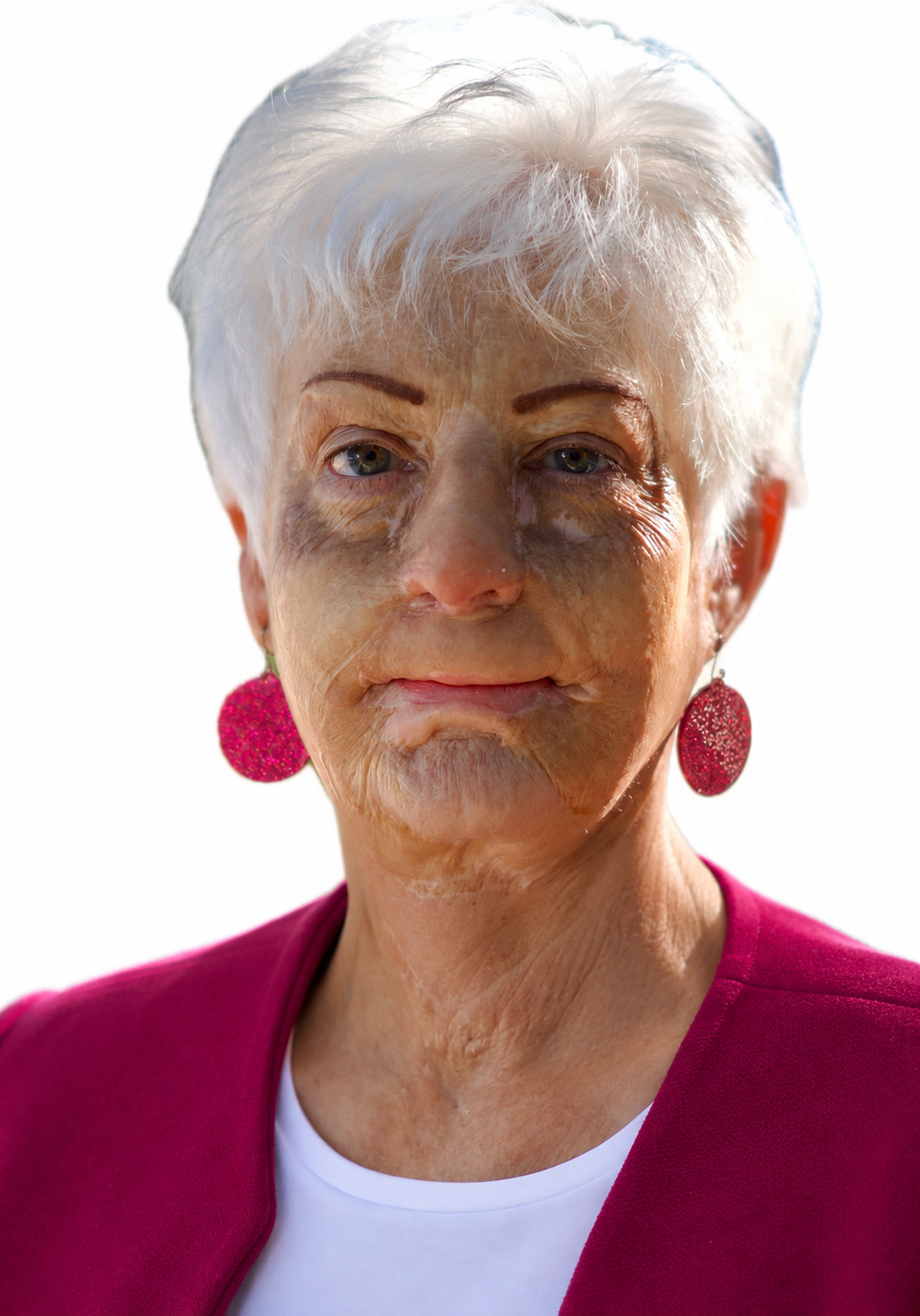
Dr. · Psychologist · AuthorLesley GothSmall Steps Toward Life Beyond Shame
A licensed clinical psychologist, bestselling author of Unbroken, and owner of Denver Family Counseling Services, helping people and organizations understand how shame shapes everyday decisions.

Lesley Goth is a licensed clinical psychologist, author, and owner of Denver Family Counseling Services in Denver, Colorado. With more than two decades of experience helping people navigate trauma, shame, perfectionism, and self-doubt, she has developed a practical approach built around curiosity, compassion, and choice. Through her bestselling book, Unbroken, her clinical work, and her growing speaking career, she helps individuals and organizations understand how shame influences everyday decisions and how small changes can create room for a different way of living.
The Question That Followed Her Into Her Work
Some professional paths begin with a clear ambition. Others develop through questions that remain unanswered for years. For Lesley Goth, the question was deeply personal: why do so many capable, caring people spend their lives feeling that they are never quite enough?
Why do so many capable, caring people spend their lives feeling that they are never quite enough?
It was something she understood long before she had the language to explain it. Perfectionism, self-criticism, and the pressure to meet expectations had shaped much of her own experience. From the outside, life could appear perfectly ordinary. Internally, however, she was carrying beliefs that influenced how she saw herself, how she made decisions, and how much room she allowed herself to take up.
Her professional journey began with an interest in psychology, but the reasons behind that interest were more complicated than academic curiosity. She was searching for answers to experiences she had struggled to understand. Studying human behavior gave her a way to examine those questions, while eventually working with clients allowed her to recognize similar patterns in other people’s lives.
Lesley earned her doctorate in psychology and established her private practice, Denver Family Counseling Services. Over the following decades, she worked with individuals navigating trauma and shame. She also led support groups for survivors of sexual assault, where she heard people describe experiences that often carried a similar emotional weight.
Although their circumstances differed, certain patterns appeared repeatedly. People struggled with perfectionism, tried to please everyone around them, questioned their judgment, and found it difficult to trust themselves. Many had learned to silence their own needs because they feared disappointing others or being judged.
Different lives, a common thread
- ✦Struggling with perfectionism
- ✦Trying to please everyone around them
- ✦Questioning their judgment
- ✦Finding it hard to trust themselves
- ✦Silencing their own needs for fear of judgment
Gradually, Lesley began to recognize shame as something much deeper than an isolated emotional experience. It was often the underlying influence connecting many of the difficulties people brought into therapy. It shaped their relationships, their decisions, and the stories they told themselves about their worth.
Understanding the Weight of What She Carried
Lesley’s understanding of shame was not formed exclusively through clinical training. It also came from living with experiences that took years to process.
As a survivor of sexual assault, she grew up carrying painful beliefs about her body and her sense of worth. The experience influenced her relationship with herself for decades, contributing to body image struggles and an eating disorder that began during high school and continued well into adulthood.
Alongside those struggles was a persistent need to get everything right. Perfectionism became closely connected to the hope of feeling safe, accepted, and deserving of love. If she could become good enough, thin enough, or successful enough, perhaps the difficult feelings would finally disappear.
But those expectations created another kind of burden. The more she tried to meet them, the more power they seemed to have over her decisions. Shame influenced whom she trusted, what she agreed to, and when she chose to remain silent.
Understanding these experiences did not happen in one defining moment. It required years of reflection, personal therapy, and a willingness to examine the beliefs she had accepted as truths.
Her work with clients gradually helped her see that the pain she had experienced was not an individual failing. Many people were living with similar internal struggles without understanding where they came from. They believed their perfectionism meant they were responsible, their people pleasing meant they were kind, and their self-criticism was simply a necessary part of improving themselves.
Lesley began to see how easily shame could disguise itself as discipline, responsibility, or ambition. It could influence someone without ever being recognized.
That realization became central to her work. Rather than treating people as though something was fundamentally wrong with them, she wanted to help them understand the experiences and beliefs shaping their behavior.
She did not approach this work as someone who had reached a perfect state of healing. Her perspective came from knowing that personal growth could remain difficult even after years of professional experience. She continued to encounter her own old patterns, but she was learning to respond to them differently.
When a Difficult Moment Became a Different Kind of Beginning
Several experiences helped Lesley understand how her personal journey and professional work could come together.
One of them was a program she developed for people struggling with body image. The program did not succeed as she had hoped. Her immediate response was familiar: she questioned herself and wondered what she should have done differently.
For someone who had spent much of her life believing that mistakes reflected personal inadequacy, the setback could easily have become another reason for self-criticism.
Instead, she gradually learned to look at it as information. The experience helped her reconsider what people needed, how they responded to different approaches, and what she could take forward. It was an important practical lesson in the difference between accountability and shame.
Another defining experience came while writing her book, Unbroken. During the development process, an editor reviewed an early draft and delivered feedback that was difficult to hear. The editor told her,
“Lesley, I cannot get past the first chapter.”Her editor, on an early draft of Unbroken
The response brought back the familiar discomfort of feeling that she had failed. Yet something was changing in the way she handled difficult feedback. Rather than immediately interpreting the criticism as proof that she was not good enough, she created a little space to consider what the editor was actually communicating.
That pause became an example of the small change she would later teach others.
She rewrote the manuscript and began sharing experiences she had kept private for much of her life. Some of the stories had never been discussed with people close to her. Putting them into writing required her to reconsider the relationship between vulnerability, personal identity, and the fear of being judged.
The process was challenging, but it also helped her understand that her experiences did not need to remain hidden to protect her sense of worth.
When readers and clients began responding to her openness, the meaning of the book became clearer. Her personal story could help someone else recognize their own struggles and feel less isolated.
It was a shift in how she viewed her past. Something she had once considered too painful or uncomfortable to share had become part of the way she connected with others.
The Meaning Behind Unbroken
Published in June 2025, on her father’s 97th birthday, Unbroken represents one of the most personal accomplishments of Lesley’s life.
The book combines her own experiences with stories from clients she has worked with, alongside practical tools and resources for understanding and reducing shame. Rather than offering a collection of abstract ideas, she wanted to create something readers could connect with emotionally and use in their everyday lives.
- Her own experiences
- Stories from clients she has worked with
- Practical tools and resources for reducing shame
Its title reflects a belief that sits at the center of her work: people are not broken simply because they have experienced trauma, made mistakes, or struggled with their sense of worth.
They may be carrying shame that developed through experiences they did not choose. They may have internalized expectations that never belonged to them. They may have spent years trying to become someone they believed others would accept.
But those experiences do not have to define the rest of their lives.
Becoming an Amazon bestselling author was an important milestone, and the book opened opportunities for Lesley to appear on podcasts, participate in conversations about shame, and share her perspective on Daily Blast Live.
Sharing her perspective on shame.
People recognizing themselves and finding language for their experience.
Still, the responses from readers remain especially meaningful to her. Hearing that someone recognized themselves in a story or finally found language for an experience they had struggled to explain gives the work a significance beyond professional recognition.
For Lesley, the book was never simply about telling her own story. It was about creating space for other people to reconsider theirs.
A Different Conversation About Shame
Today, Lesley’s work extends beyond individual therapy sessions. Through Denver Family Counseling Services, her clinical background continues to inform how she understands trauma, relationships, and the emotional patterns that influence behavior.
At the same time, she is taking her message into workplaces and communities where shame often operates quietly.
In professional environments, shame can appear in ways that are not immediately obvious. An employee may avoid raising a concern because they fear looking incompetent. A manager may struggle to admit a mistake because they associate vulnerability with weakness. A team may hide problems until they become much more difficult to address.
These situations can affect communication, trust, decision-making, and the ability of people to work together.
Lesley wants organizations to recognize these patterns before they become embedded in everyday culture. Her approach encourages people to replace criticism with curiosity and to create environments where mistakes can be discussed without immediately turning them into judgments about someone’s character.
Her work also reaches healthcare professionals, educators, HR leaders, managers, and women’s groups. Each setting presents different challenges, but the underlying message remains consistent.
People need opportunities to understand their reactions without automatically condemning themselves. They need to recognize when fear or shame is influencing their choices and learn how to respond with greater awareness.
For individuals, this may mean receiving feedback without falling into harsh self-judgment. For a team, it may mean raising concerns earlier and discussing mistakes openly. For a leader, it may mean acknowledging uncertainty rather than feeling pressured to appear infallible.
These changes might seem ordinary, but their effects can extend into relationships, workplace cultures, and personal confidence.
The 3 C’s and the Possibility of Five Percent
One of the most recognizable parts of Lesley’s approach is her framework built around the 3 C’s: curiosity, compassion, and choice.
Curiosity encourages people to understand what is happening before deciding that something is wrong. Instead of immediately criticizing a reaction, they can become interested in where it comes from and what it might be communicating.
Compassion creates room to acknowledge difficulty without turning it into another reason for self-punishment. It does not mean avoiding responsibility. Rather, it allows people to recognize mistakes while still treating themselves with dignity.
Choice brings those two ideas into everyday decisions. It reminds people that although they cannot always control what has happened to them, they can gradually develop different ways of responding.
A particularly important part of this framework is the shift from should to could.
The word should often carries judgment. It can make people feel that there is one correct way to behave, look, succeed, or live. When they fall short of that expectation, they may interpret the difference as evidence of personal failure.
Could introduces another possibility. It creates room to consider alternatives without immediately assigning blame.
Lesley connects this change in language to her idea of the 5%. She does not expect people to transform their lives in a single moment. Instead, she encourages them to identify one small, manageable adjustment.
That might mean pausing before responding defensively, questioning a harsh thought, asking for help, or approaching a difficult conversation differently.
Not a transformation, just one adjustment
- 01Pausing before responding defensively
- 02Questioning a harsh thought
- 03Asking for help
- 04Approaching a difficult conversation differently
The value of this approach lies in its practicality. People do not need to wait until they feel completely confident or emotionally prepared. They can begin with what is possible in the present moment.
For Lesley, lasting change is built through repeated small decisions. Each one creates a little more room for self-trust and a little less dependence on old patterns.
Leadership That Begins With Honesty
Lesley’s understanding of leadership is closely connected to the principles she teaches.
She believes honesty matters more than polish. Sharing her own struggles is not simply a way of making her work relatable. It reflects her conviction that people are more likely to trust what feels genuine than what appears carefully perfected.
Curiosity before criticism is another principle she tries to practice. Whether she is working with a client, speaking with a team, or reflecting on her own decisions, she wants to understand what is happening before deciding what needs to change.
She also believes compassion and accountability can exist together. Taking responsibility for a mistake does not require someone to punish themselves indefinitely.
These principles influence how she approaches both her professional responsibilities and her personal life.
Her children are among her greatest sources of motivation. She describes them as people who inspire her to keep growing and to show up more fully. Her relationship with them reminds her that the lessons she shares professionally also matter in the way she lives each day.
Her partner is another important source of support, helping her create distance from work and remain present outside her professional responsibilities.
She also makes time for rest, laughter, and the ordinary experiences that bring perspective. Her work can involve difficult stories, and she understands that maintaining balance requires attention rather than something that can simply be assumed.
There is something meaningful in the fact that she applies the same principles to herself. She does not present curiosity and compassion as ideas that only belong in a therapy room. They are practices she continues to develop in her own life.
Taking the Message Into Larger Rooms
One of Lesley’s most important goals now is to expand her keynote speaking work.
After more than two decades of working closely with individuals, she is ready to bring the conversation about shame to larger audiences. She has applied to speak at TEDx events and is developing opportunities to work with organizations, healthcare professionals, educators, managers, and women’s groups.
Her interest in speaking comes from a desire to make the subject more accessible. Shame is often treated as something deeply personal that people should manage privately. Yet its effects can be seen in families, workplaces, educational settings, and communities.
She wants audiences to leave with more than an emotional response to a powerful talk. Her intention is to give people practical ways to recognize shame and respond differently.
Interactive workshops are also part of her plans. These sessions will allow participants to explore the 3 C’s, recognize familiar patterns, and practice making small changes together.
Her broader ambition is to change the language people use when discussing personal and professional struggles. Instead of relying on perfection, blame, and expectations, she wants to encourage conversations grounded in understanding, accountability, and choice.
She also has a personal understanding of what financial independence means. Having grown up with the belief that financial success depended on having a man, building a life on her own terms has become an important part of her definition of success.
Today, providing for her family, traveling, and living with greater financial confidence are things she values. For her, professional sustainability and meaningful impact are not competing priorities. Both allow her to continue doing work that matters.
- Providing for her family
- Traveling
- Living with greater financial confidence
A Life Built One Small Choice at a Time
When Lesley reflects on what she would tell someone beginning a difficult journey, her advice comes from both professional experience and personal understanding.
“You don’t have to be perfect to begin.”Lesley Goth
It is a simple idea, but one that challenges a belief many people carry for years. Waiting until everything feels right can become another way of postponing the things that matter. Waiting to feel completely confident can prevent people from discovering what they are capable of doing.
Lesley understands that growth does not require someone to have every answer before taking the first step. It requires a willingness to begin, to make mistakes, and to treat those mistakes as information rather than permanent judgments about personal worth.
Her own life reflects that process. The experiences she once struggled to discuss became part of her work. A difficult editorial response became an opportunity to reconsider and rewrite. A professional setback became a lesson. Years of personal reflection helped her develop an approach she could share with others.
She does not suggest that shame disappears forever or that personal growth reaches a final destination. Instead, she offers a more realistic possibility: people can learn to recognize what is influencing them and gradually make different choices.
Perhaps that is what makes her work so personal. She is not asking others to become perfect versions of themselves. She is encouraging them to stop measuring their worth against expectations that may never have belonged to them.
For Lesley Goth, the most meaningful progress may happen quietly. It can begin with a moment of curiosity instead of criticism, a little more compassion after a mistake, or the decision to speak when silence once felt safer.
Five percent may not seem like much at first. But repeated over time, those small choices can change how someone sees themselves and how they move through the world.
And sometimes, a little more room to be human is where everything begins.
A little more room to be human is where everything begins.
Through her clinical work, her book Unbroken and her speaking, Dr. Lesley Goth helps people meet shame with curiosity, compassion and choice.
For More Features
Be Featured in The Real Edit!
Every story has the power to shape how we see innovation, leadership, and purpose. If you’re a founder, creator, executive, or changemaker with a journey worth telling, we’d be honored to help you share it.
To inquire about being featured:
Email us at: info@therealedit.site
Follow The Real Edit